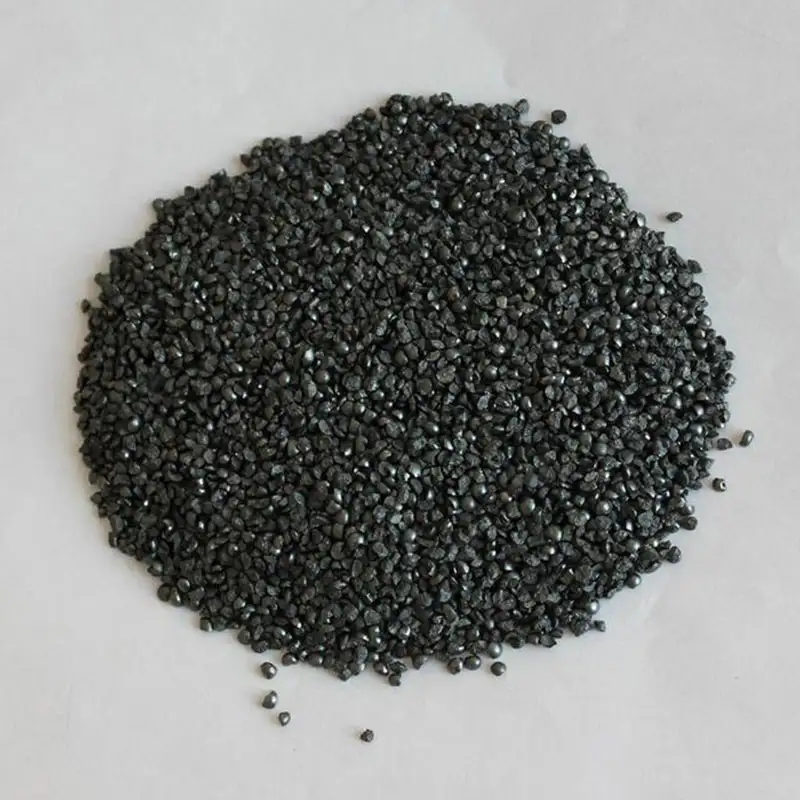
Descaling Steel Grit
For outdoor heavy rust removal and renovation of aged steel structures, Shandong Haishan Industrial Technology supplies descaling steel grit with ultra-sharp cutting edges and excellent moisture resistance. It is customized for thick, multi-layer rust conditions and supports bulk procurement for heavy-duty applications.
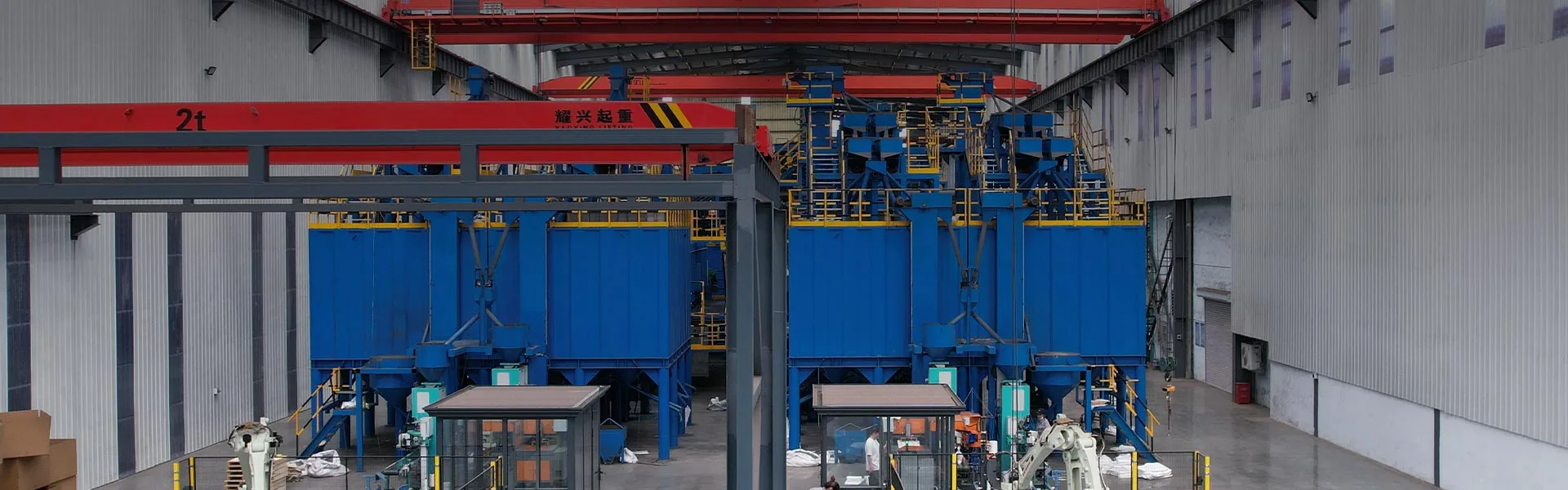
Shandong Haishan Industrial Technology operates a 100,000-ton annual capacity and serves customers in over 50 countries. From this production base, descaling steel grit is supplied as a specialized abrasive for heavy rust removal on outdoor steel structures. It is intended for contractors and fabricators who need to strip thick, layered rust from bridges, storage tanks, wharf steelwork, and used steel plate in humid or open-air conditions. The product is not designed for precision parts, thin sheet metal, or surface finishing work.
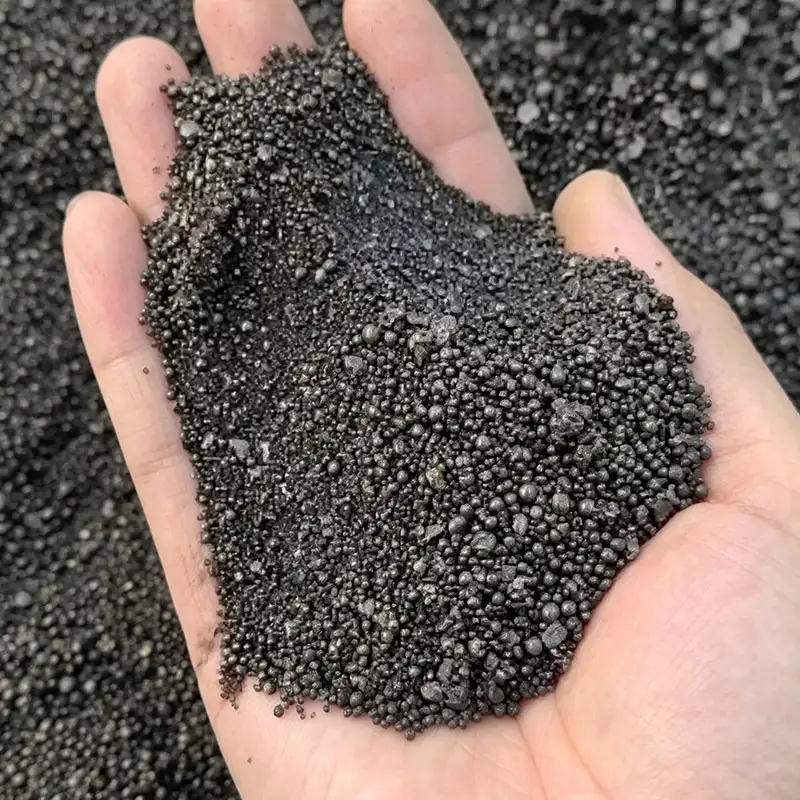
Production Route and Material Control
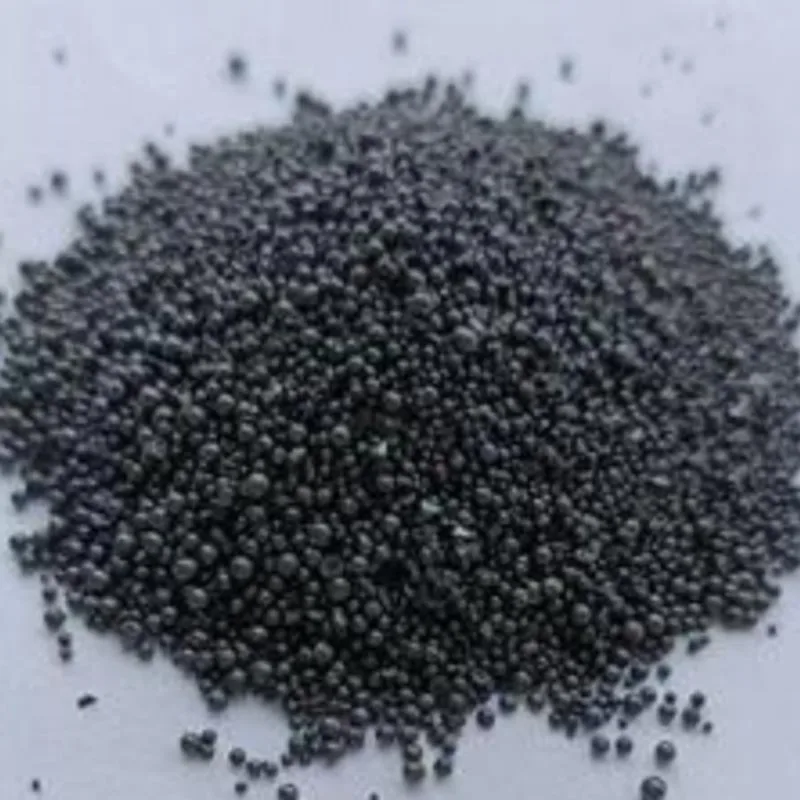
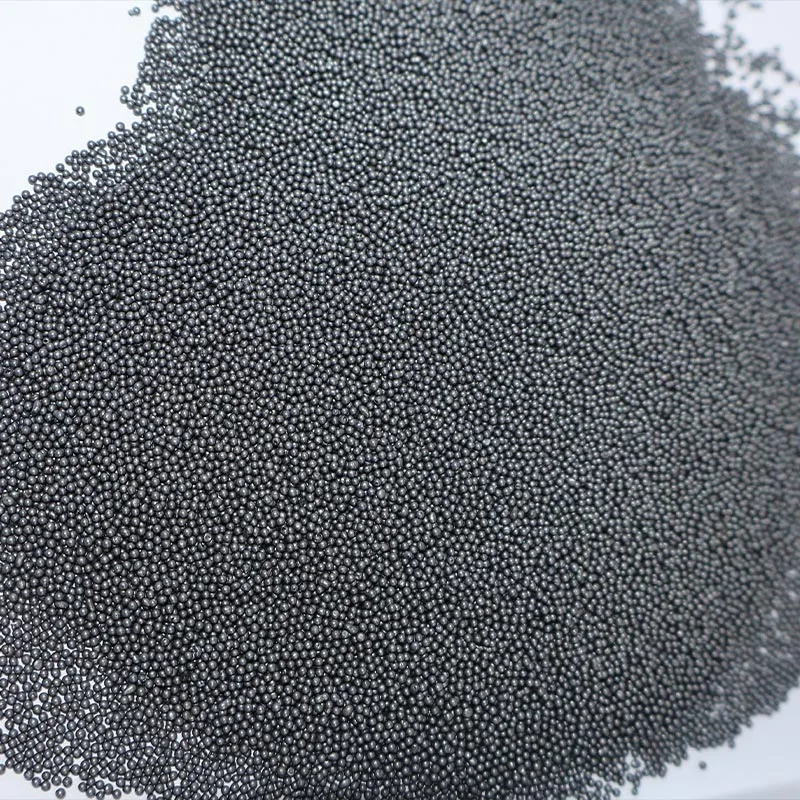
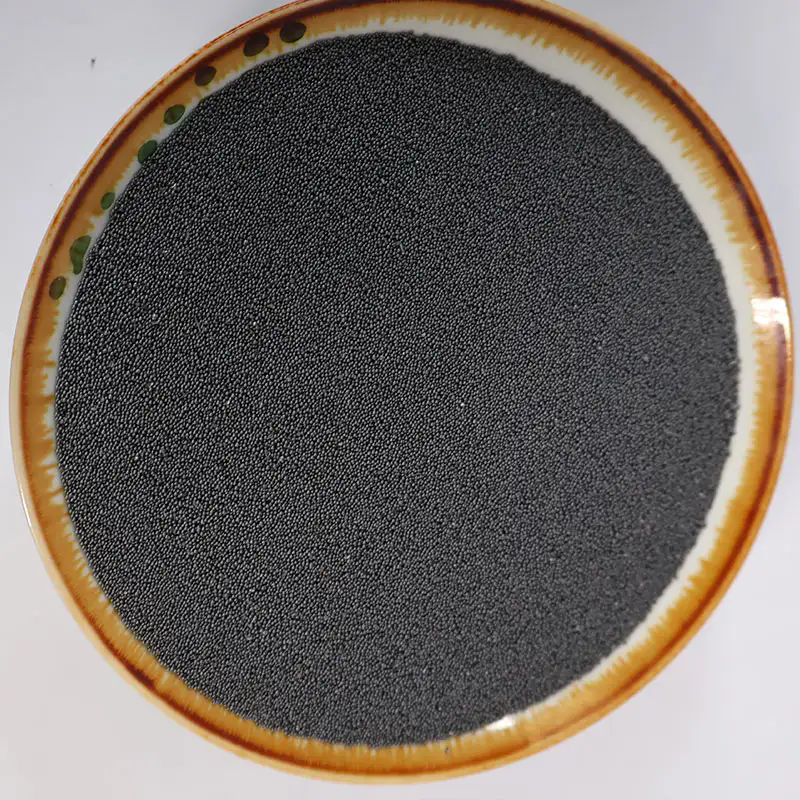
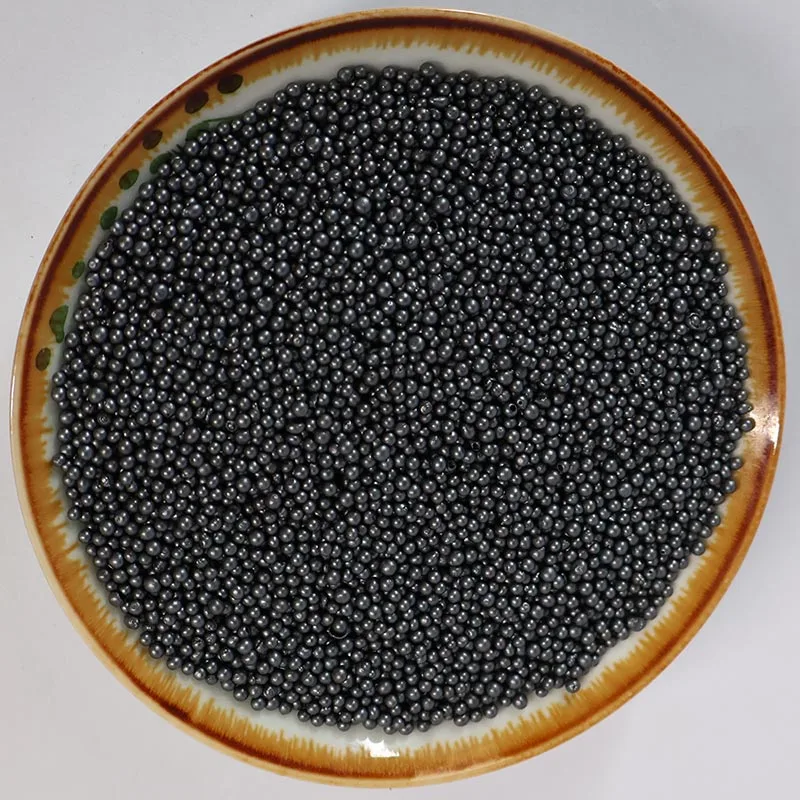
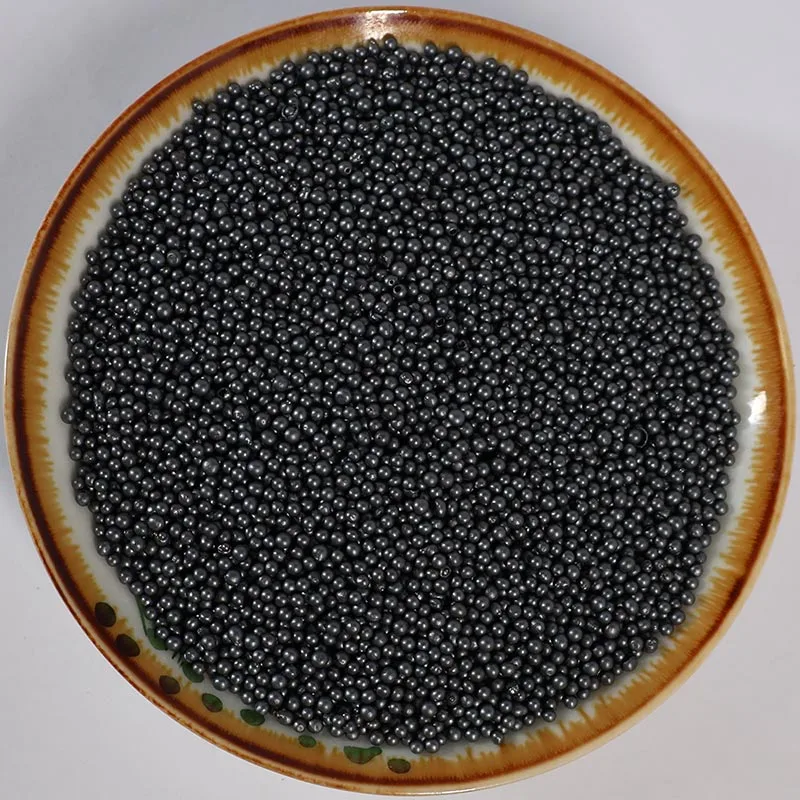
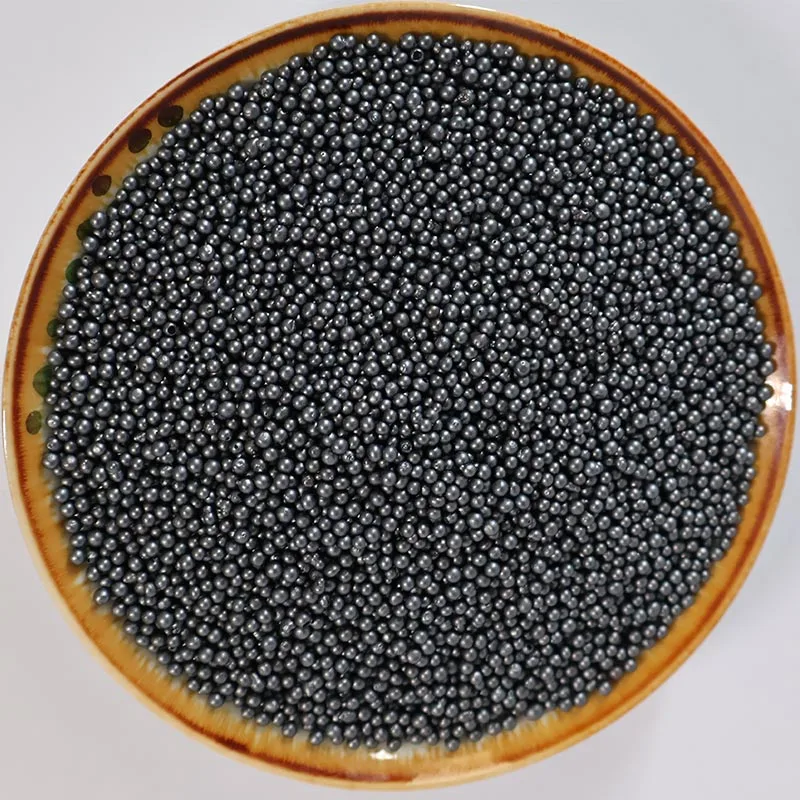
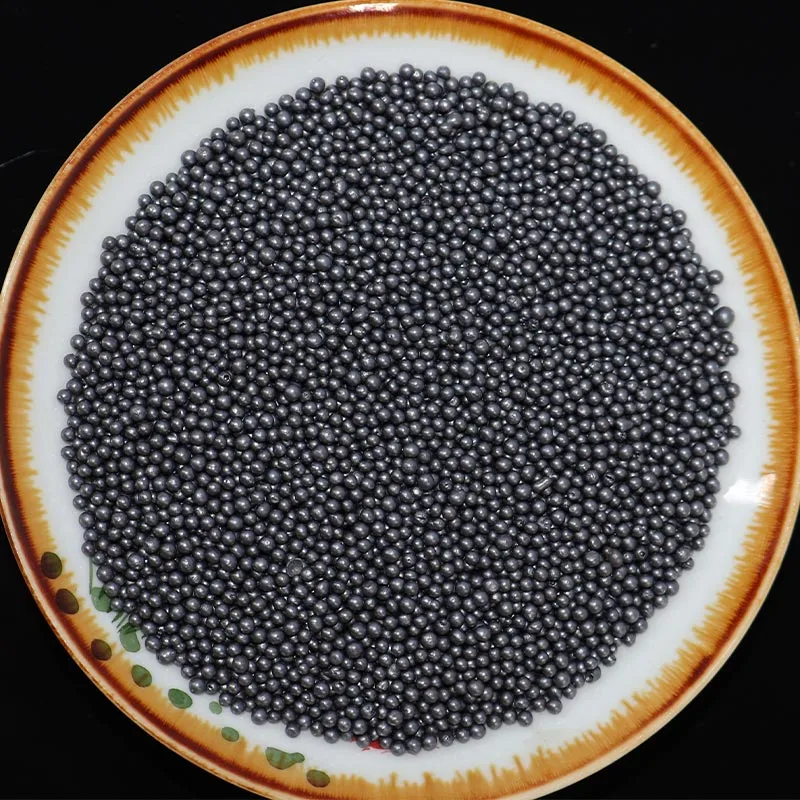
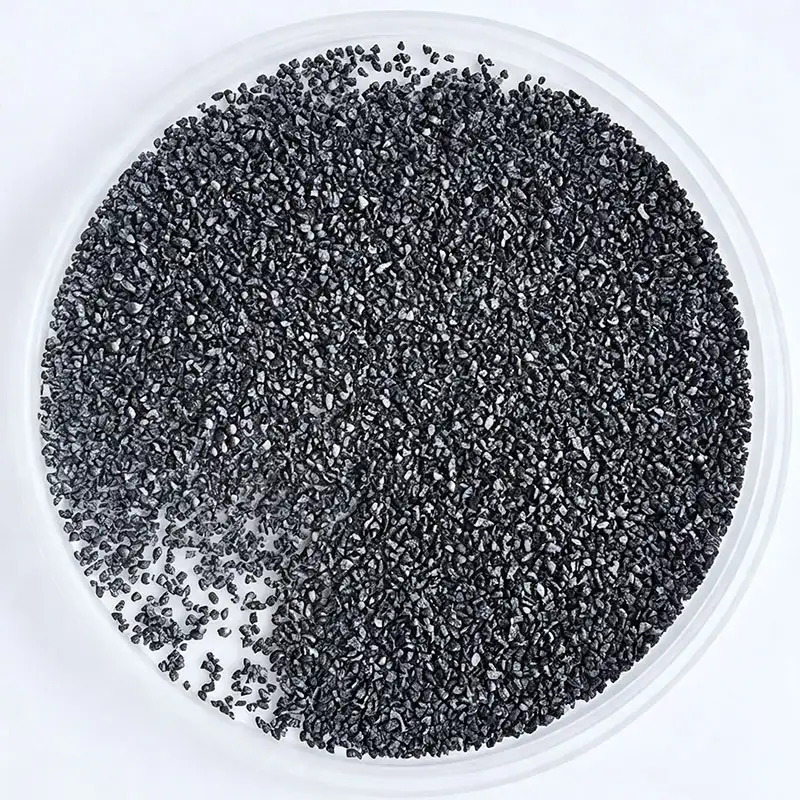
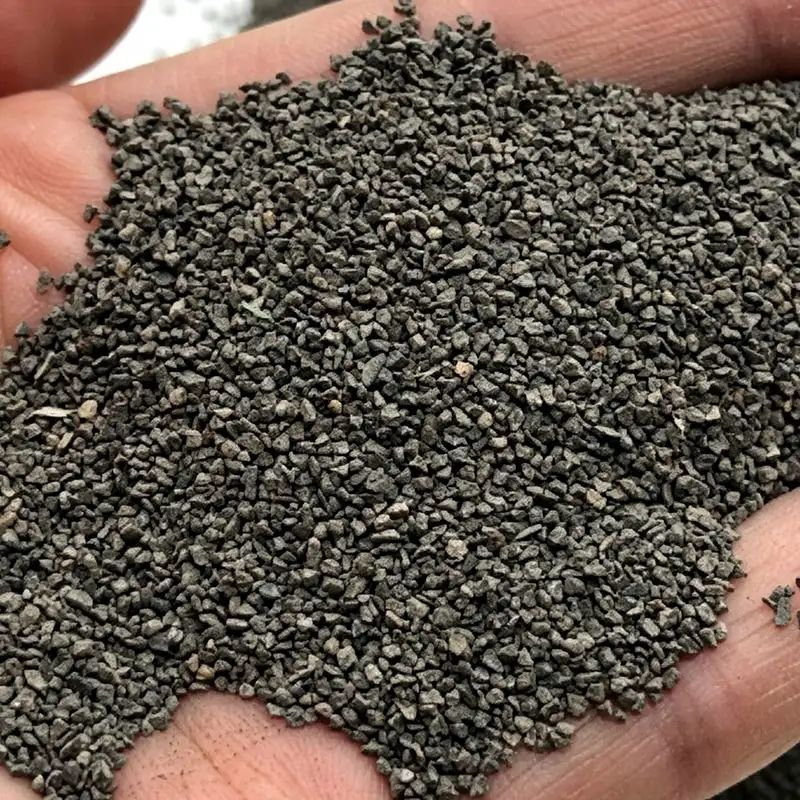
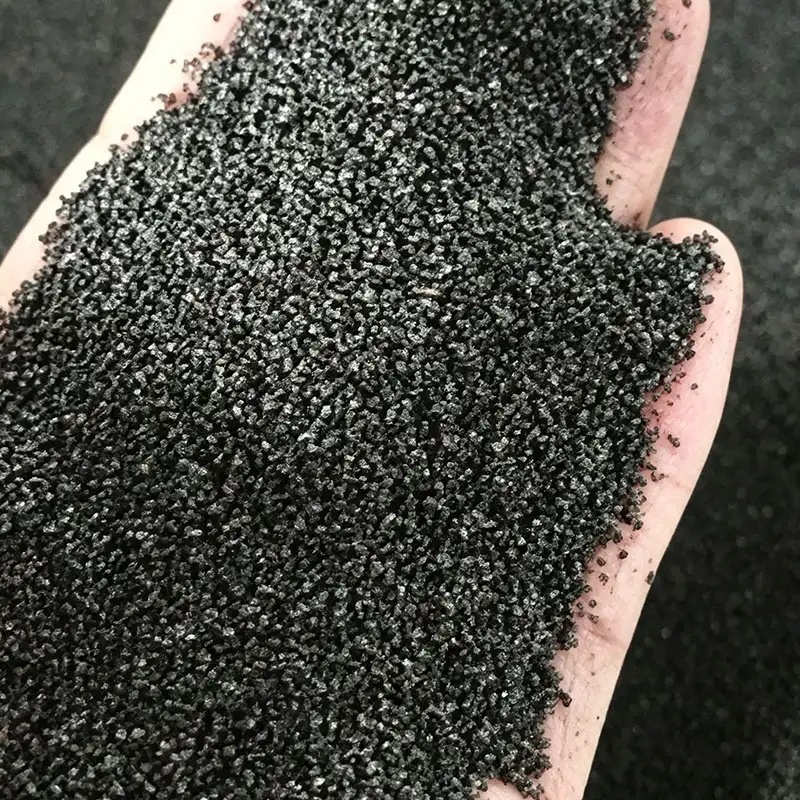
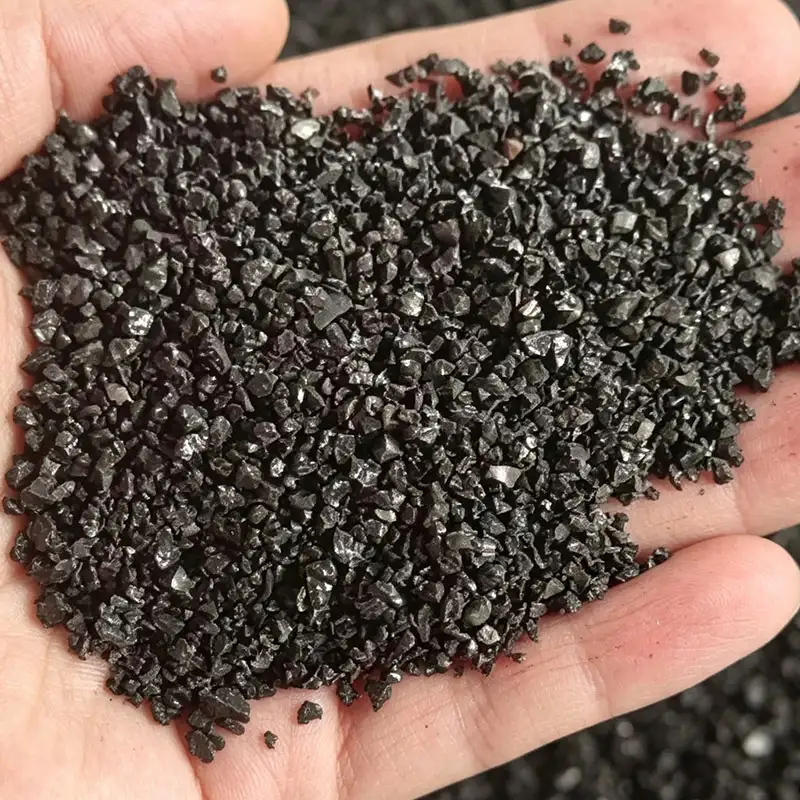
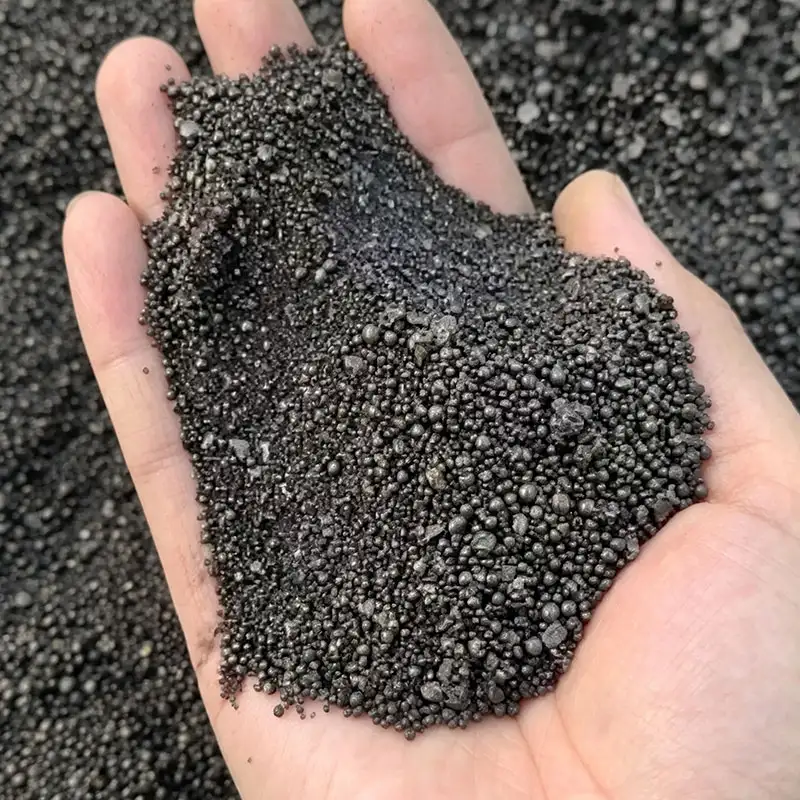
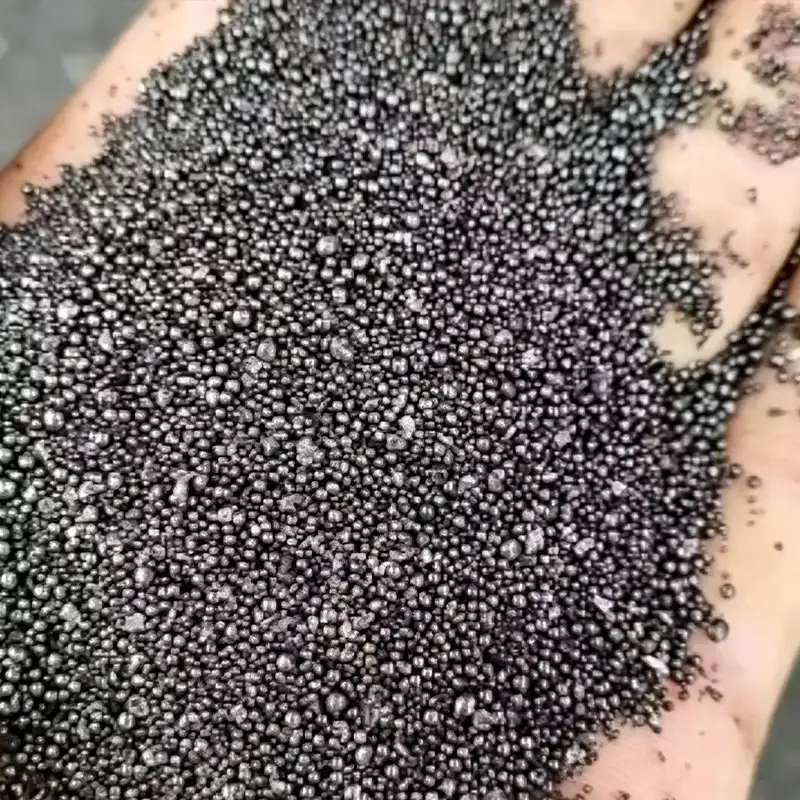
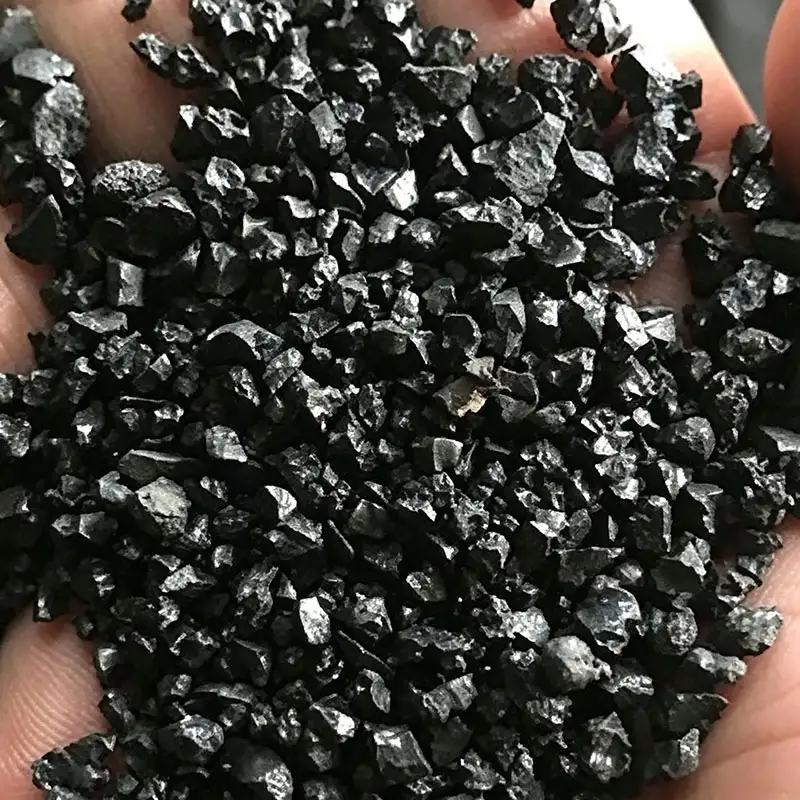
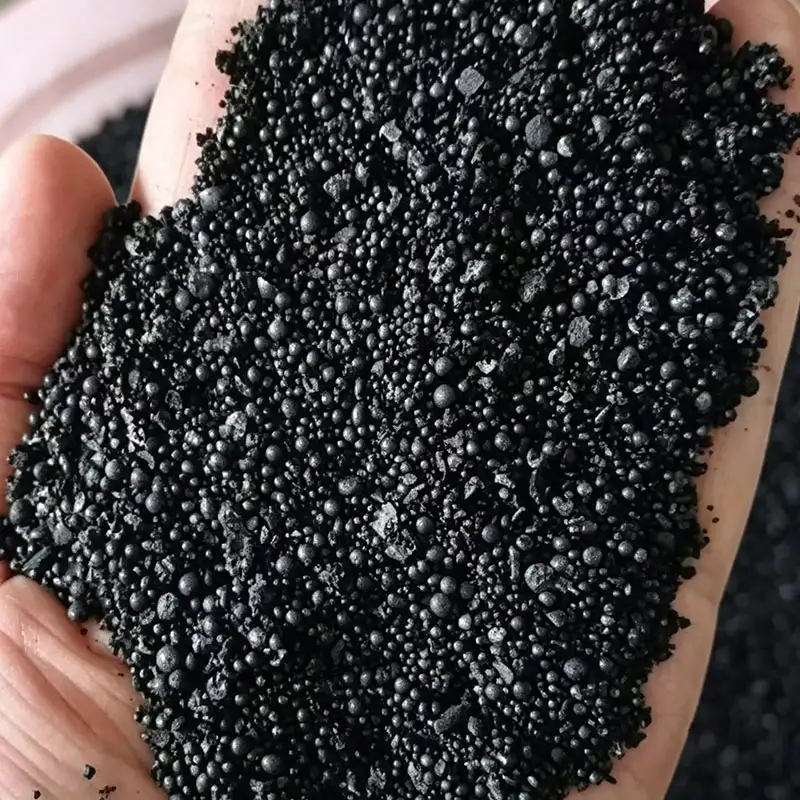
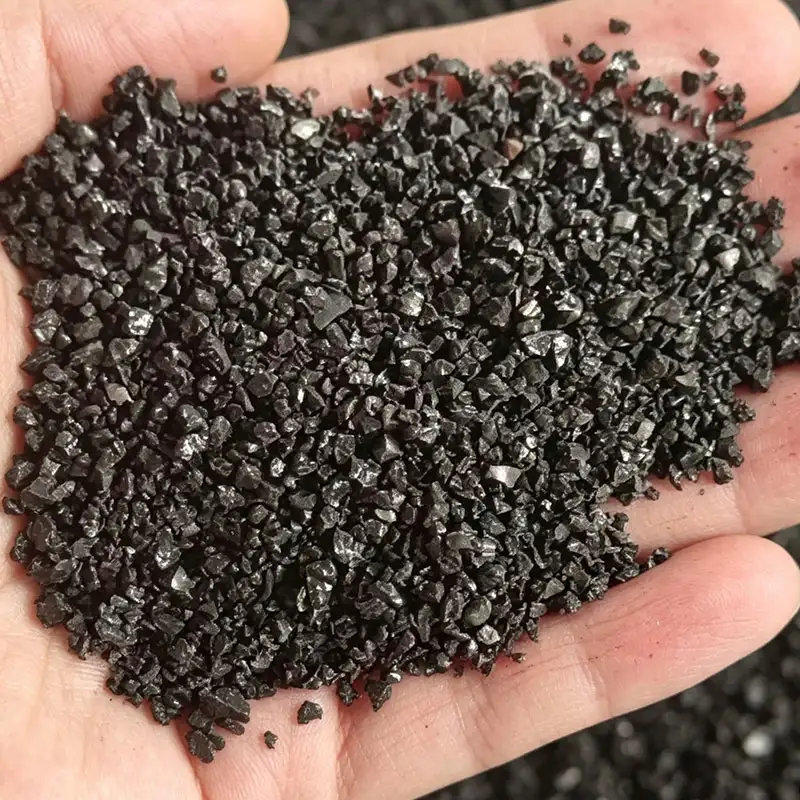
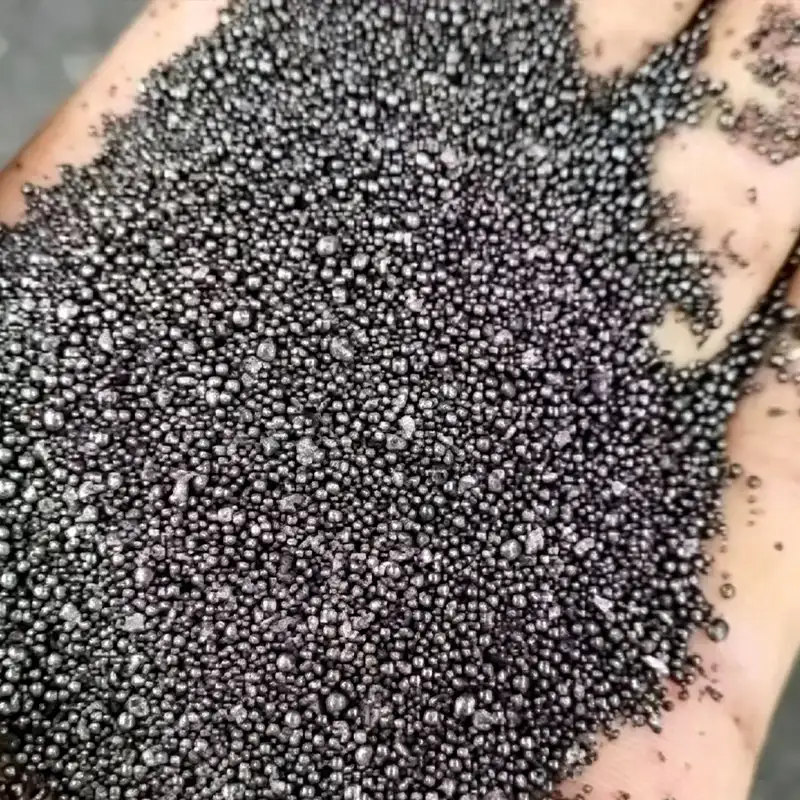
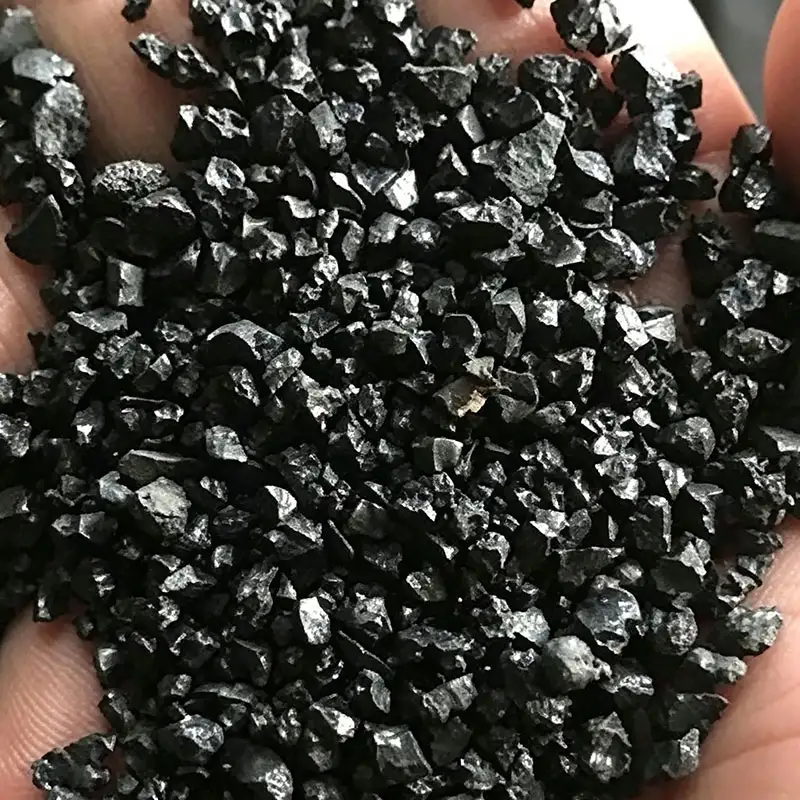
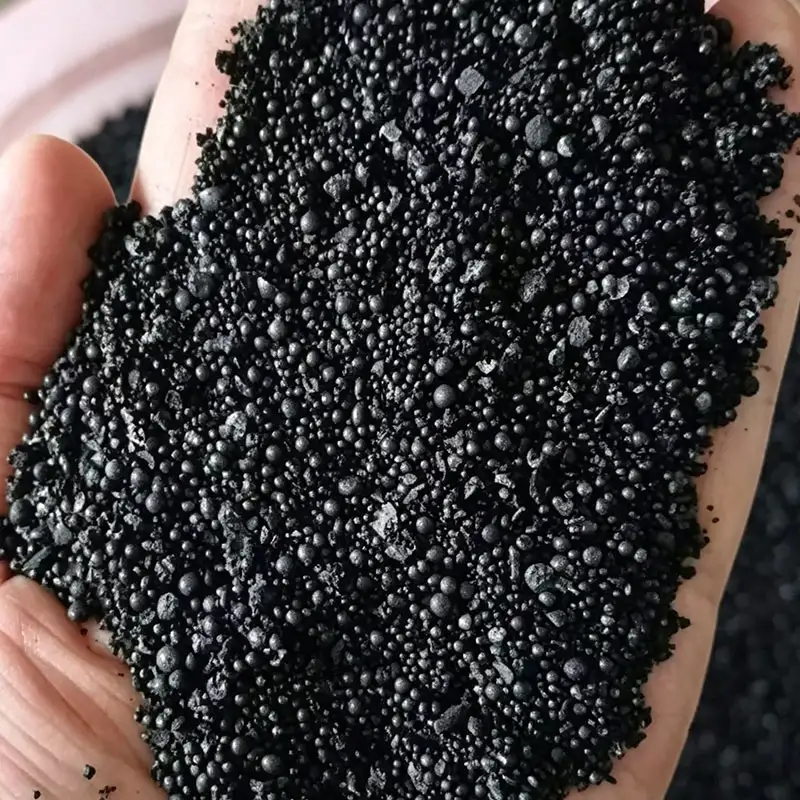
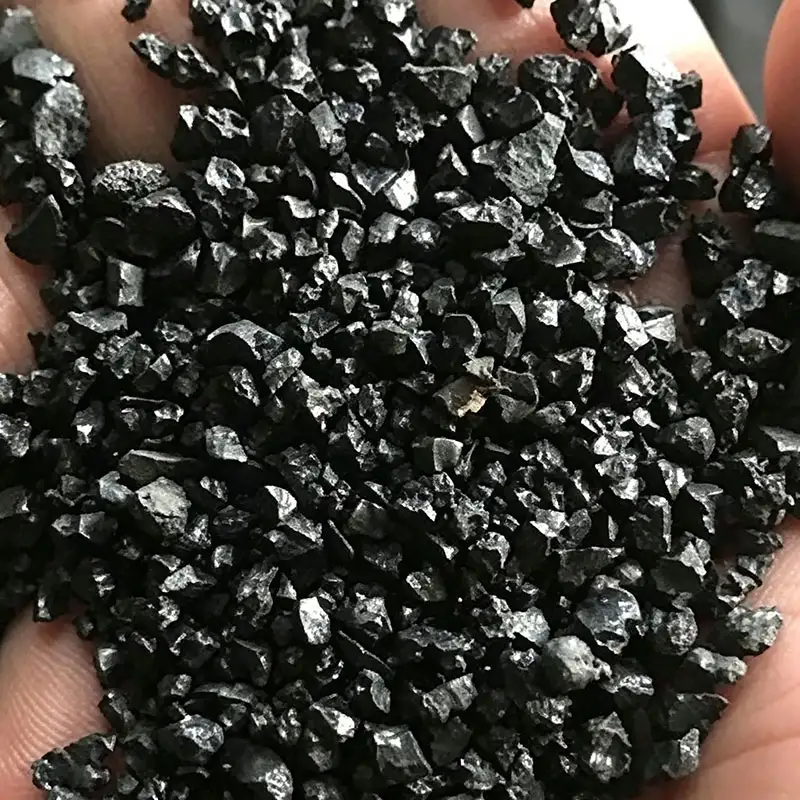
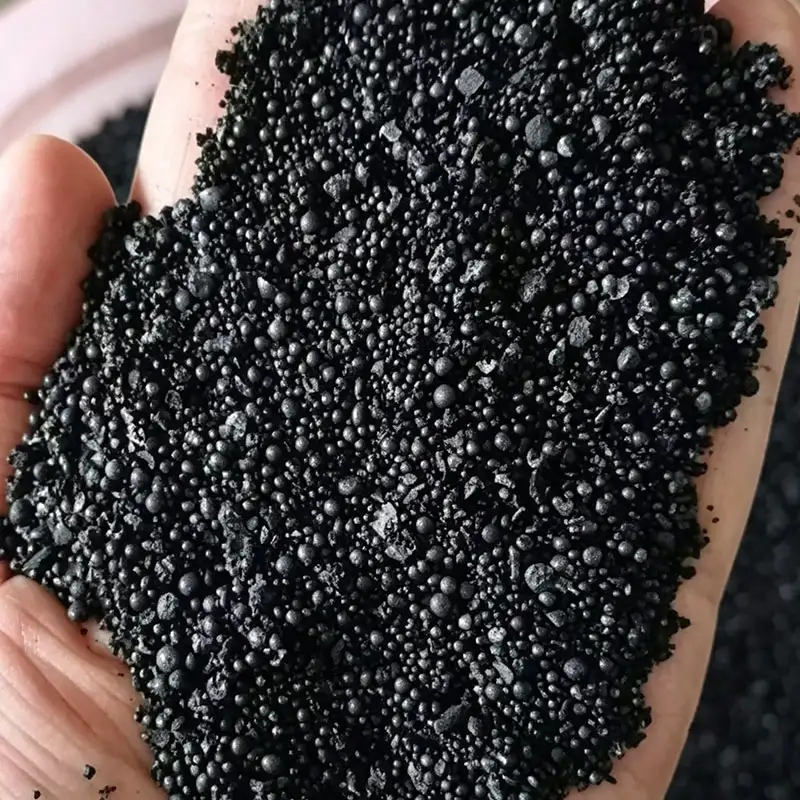
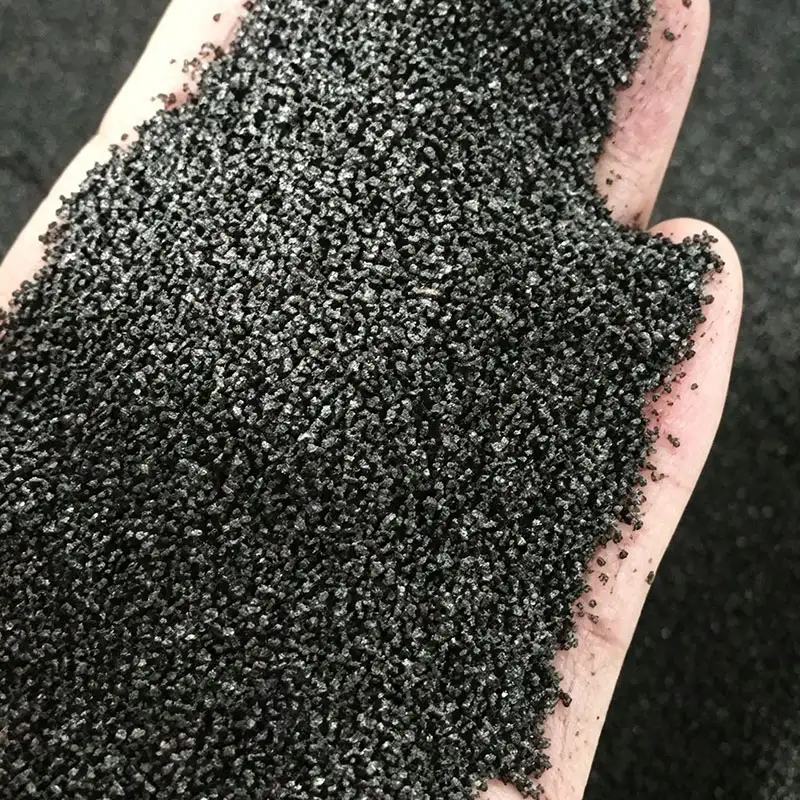
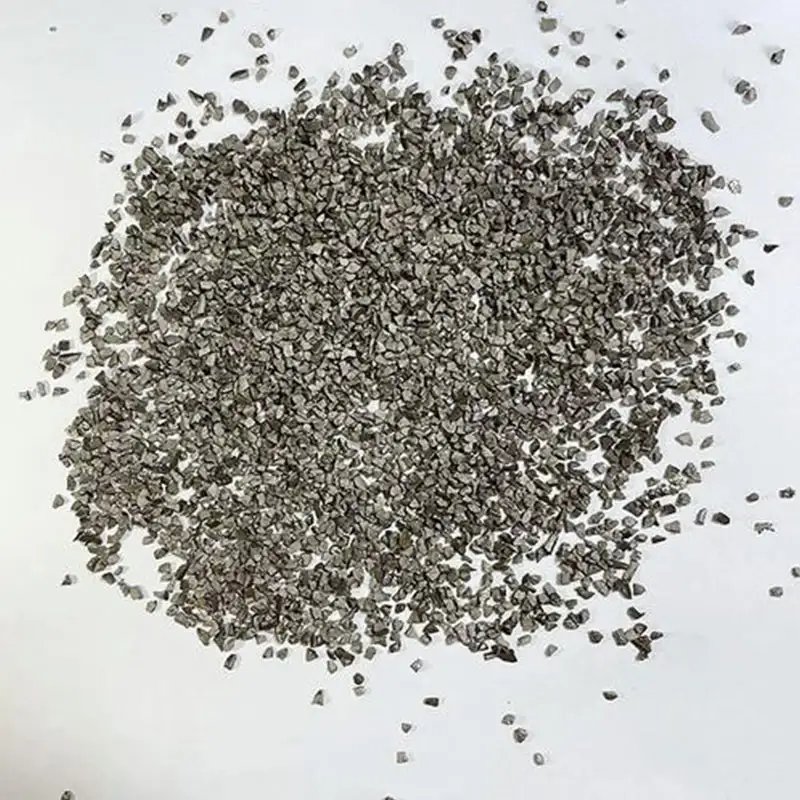
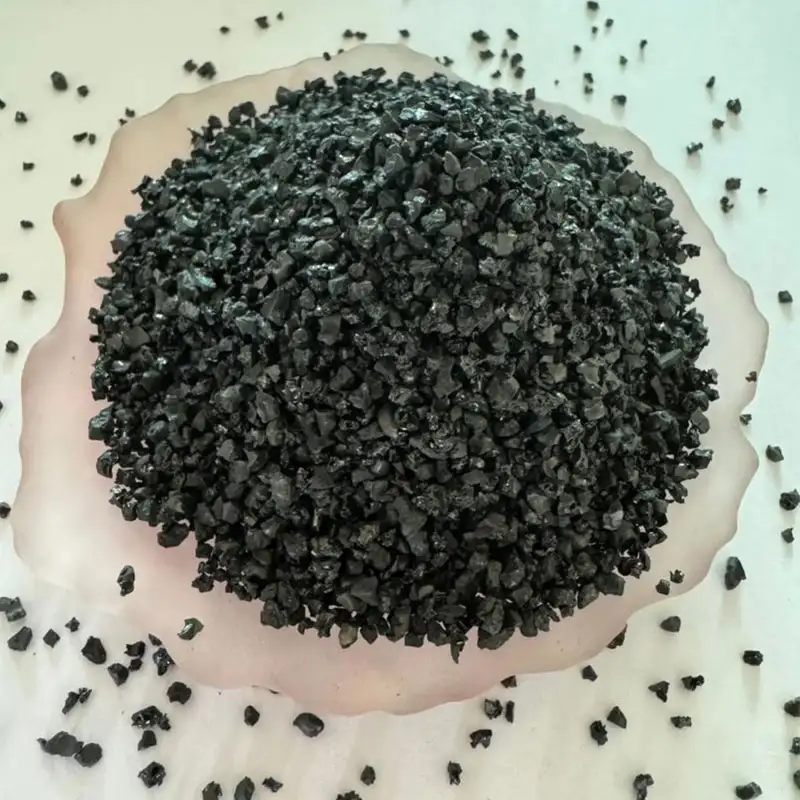
Standard cast steel grit is taken through an additional crushing stage to retain angular edges, then screened multiple times to remove rounded or near-spherical particles. The resulting product has a controlled hardness of HRC 48–56, which is higher than general-purpose steel grit. This harder, sharper profile allows the abrasive to cut into thick rust and scale rather than relying on impact alone. A moisture-resistant surface treatment is applied to reduce the risk of caking in humid outdoor storage or during long-distance transport.
Key Technical Data
| Parameter | Specification |
| Material | High carbon steel |
| Hardness (HRC) | 48 – 56 |
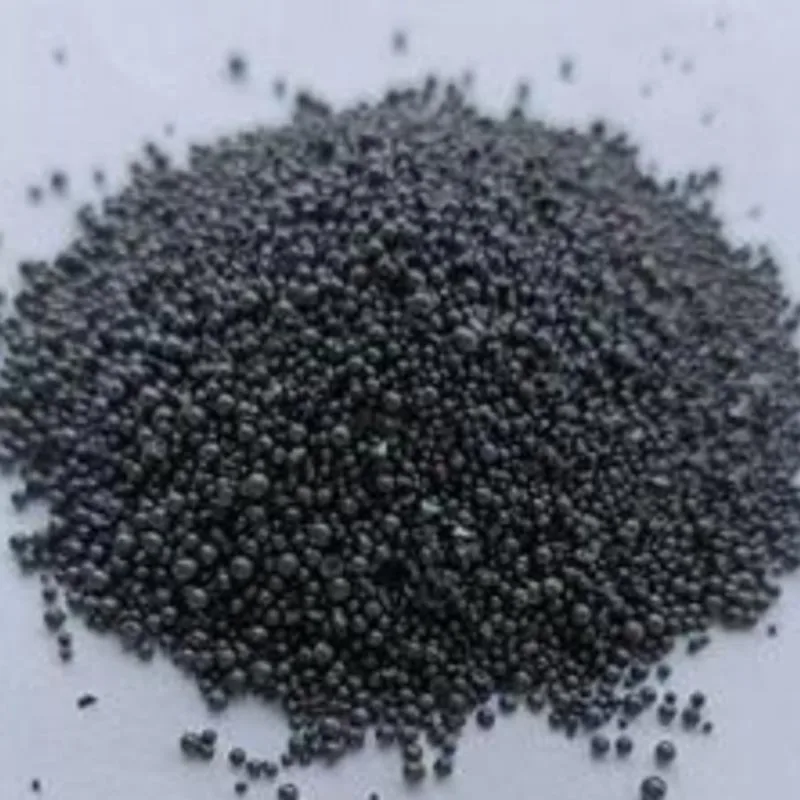
| Particle Shape | Angular, sharp cutting edges |
| Metallographic Structure | Tempered martensite |
| True Density (g/cm³) | ≥7.4 |
| Bulk Density (g/cm³) | 4.0 – 4.4 (size dependent) |
| Particle Size Range | Medium to coarse (SAE G18 – G40 commonly used) |
Chemical composition, hardness, and particle size distribution are tested on every production batch. Hardness is measured with a Rockwell tester on mounted cross-sections. Sieve analysis follows SAE J444.
Where It Is Used
- Outdoor blasting and renovation of large bridge structures
- Rust removal from waste steel plates and second-hand steel sections
- Cleaning of storage tank exteriors and pipeline outer walls
- Refurbishment of construction machinery and heavy equipment
- Wharf and marine steel structure maintenance in humid environments
The product is intended for heavy rust conditions. For light rust or general cleaning, a standard steel grit with lower hardness may be more economical and less aggressive.
Selecting the Right Size for Heavy Rust
The choice of particle size affects both cleaning speed and the resulting surface profile. Coarser particles remove rust faster but leave a deeper anchor pattern; finer particles give a smoother finish but may require more passes. The table below is a general guide for descaling steel grit on carbon steel.
| SAE Grade | Nominal Size (mm) | Typical Surface Profile (μm) | Rust Condition |
| G18 | 1.2 – 1.4 | 65 – 95 | Medium to heavy rust, medium scale |
| G25 | 0.7 – 1.0 | 50 – 80 | General heavy rust on structural steel |
| G40 | 0.425 – 0.71 | 40 – 65 | Moderate rust, lighter scale on thinner sections |
Final selection should be confirmed by blasting a test area. Variables such as blast pressure, standoff distance, and the condition of the steel can shift the actual profile by 10–20 μm or more.
Limitations and Workpiece Thickness
This abrasive produces a relatively rough surface and is not suitable for steel plate thinner than 8 mm or for precision components. The sharp edges can remove more material than intended and may cause warping on thin sections. For workpieces where surface profile must be tightly controlled, a finer grit or a different abrasive type should be selected. We are available to discuss the suitability of this product for a specific application.
Quality Evidence and Batch Documentation
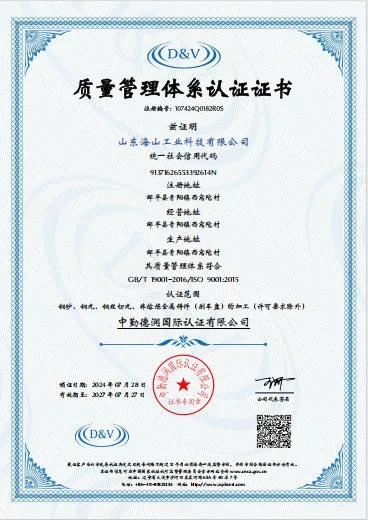
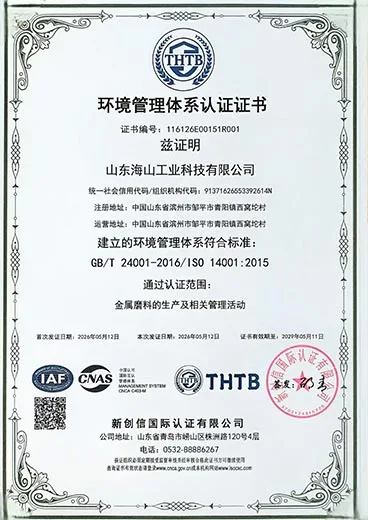
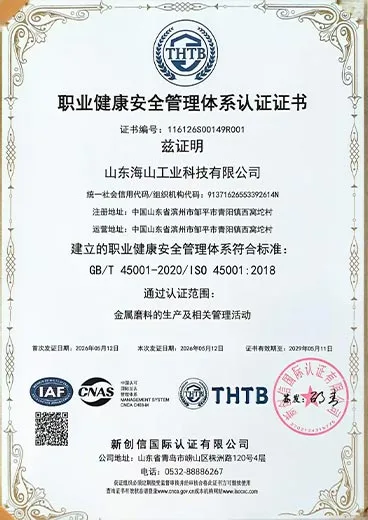
Each shipment includes a certificate of analysis covering chemical composition, hardness, and sieve analysis. Additional reports, such as metallographic structure and density measurements, can be provided on request. The company holds ISO 9001:2015 certification and maintains an in-house laboratory equipped with a direct-reading spectrometer, Rockwell hardness tester, and metallurgical microscope.
Packaging and Storage Notes
Standard packaging is 25 kg bags with a moisture-resistant PE inner liner and a woven polypropylene outer bag. 1,000 kg bulk bags on pallets are available. For export orders, pallets are prepared to meet ISPM 15 requirements. Store in a dry, covered area. Bags should not be exposed to standing water or continuous high humidity before use.
Common Questions About Descaling Steel Grit
What hardness should I choose for thick rust on outdoor steel?
For heavy rust, a hardness of HRC 48–56 is typical. This range provides enough cutting force to break through layered rust without excessive particle fracture. If the rust is exceptionally thick, a coarser grit within the same hardness range is usually more effective than a harder grit.
Can this grit be used on stainless steel or aluminum?
No. Descaling steel grit is made from carbon steel and can cause ferrous contamination on stainless steel or aluminum surfaces. For those materials, use a stainless steel abrasive or a non-metallic media.
What surface profile does this grit produce?
On carbon steel, the surface profile typically falls between 50 and 120 μm, depending on particle size and blasting parameters. This profile is suitable for heavy anti-corrosion coatings that require strong adhesion. Verify the profile with replica tape or a surface profile gauge before coating.
Will the grit clog my blast machine filters or nozzles?
Under normal operating conditions and with proper equipment maintenance, the controlled particle size distribution and dust removal process reduce the risk of blockages. However, if the blast machine's air supply or separator is not functioning correctly, blockages can still occur. Regular inspection of filters and nozzles is recommended.
Can I use this grit in a wheel blast machine?
Yes, it is compatible with most wheel blast systems designed for steel abrasives. Due to its higher hardness and angularity, you may need to adjust wheel speed and abrasive flow rate to achieve the desired profile and avoid excessive equipment wear.
Do you provide samples for testing?
Yes, sample quantities are available for evaluation on your own equipment. This is the most reliable way to confirm cleaning speed and surface profile before committing to a full order.
Related Category
Send Inquiry
Contact Info
-
Address
Qingyang Economic Development Zone, Zouping County, Shandong Province, China
-
Tel
-
Email
Send an inquiry to Haishan for quality steel shot, steel grit, cut wire shot and counterweight sand. Get factory direct wholesale price, free quotation and OEM customized solutions.
News Recommendations