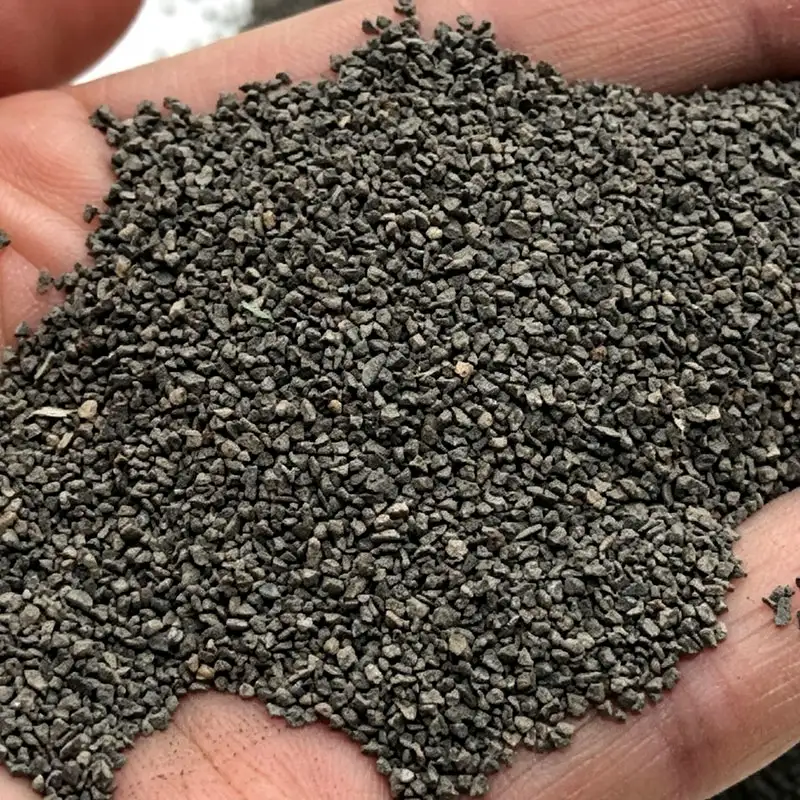
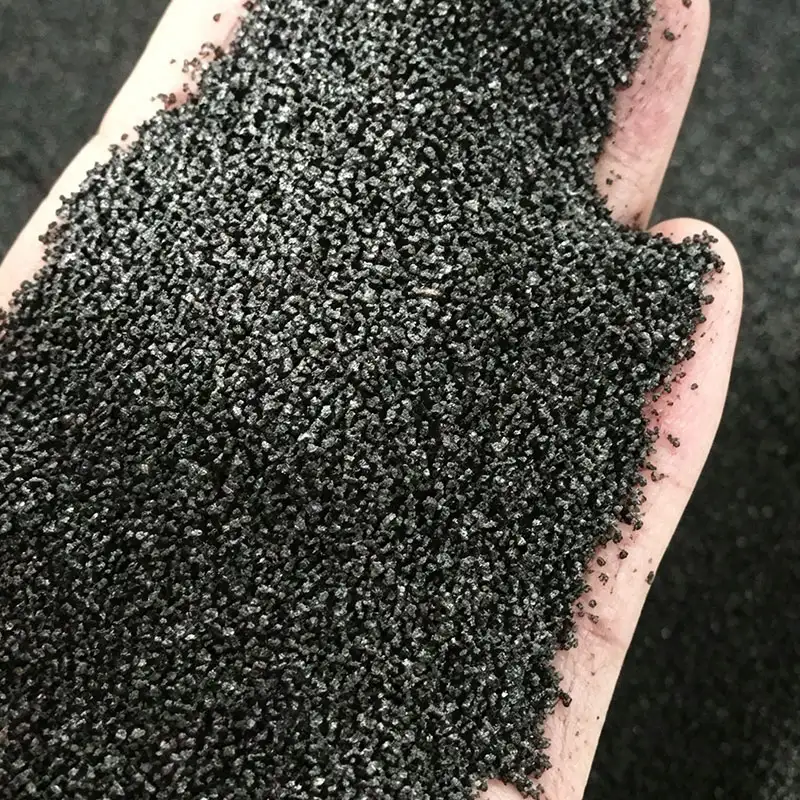
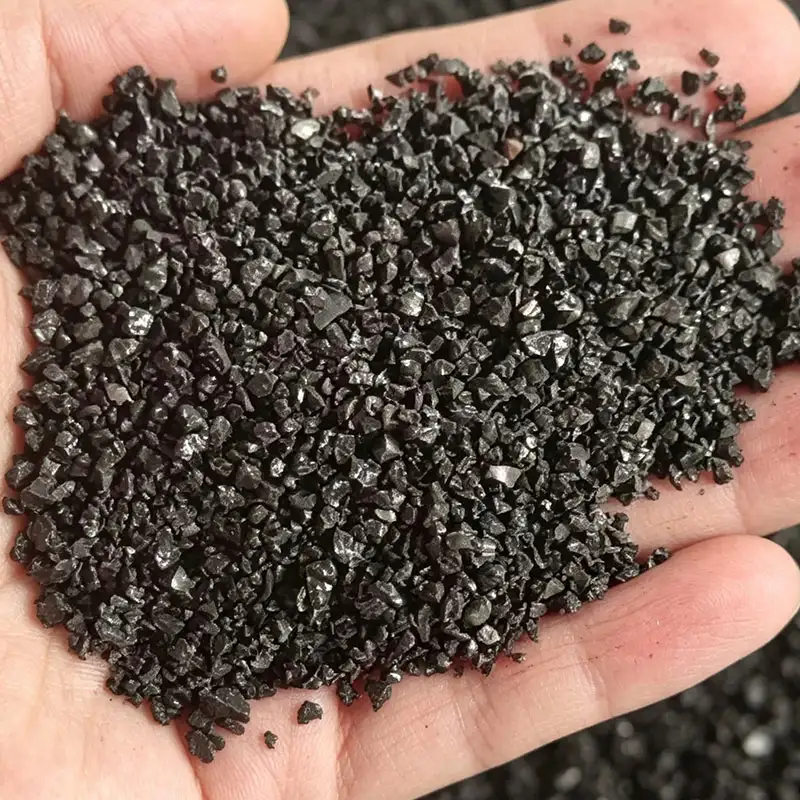
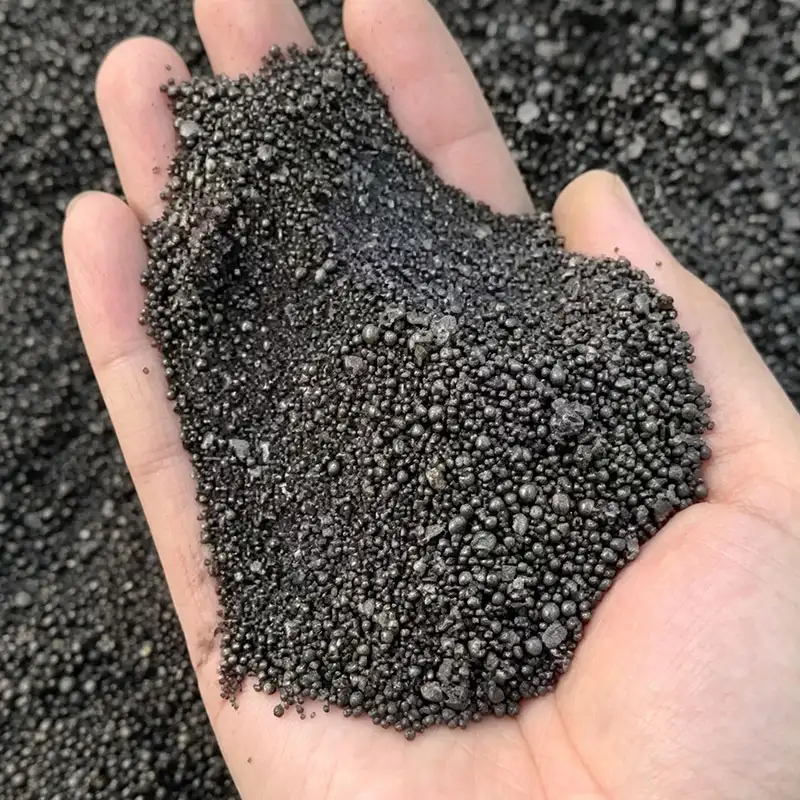
Counterweight Steel Grit
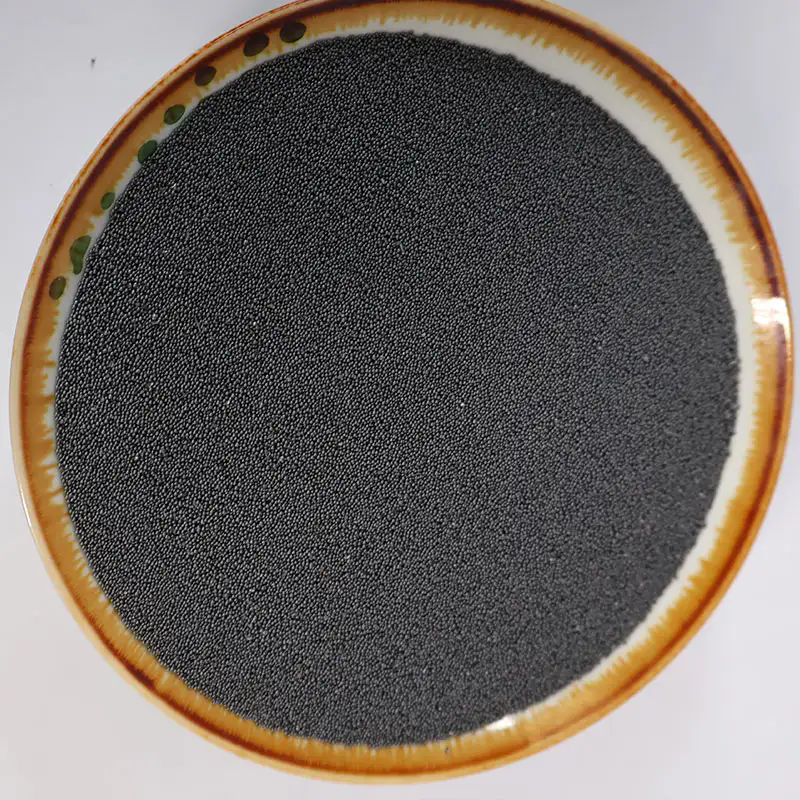
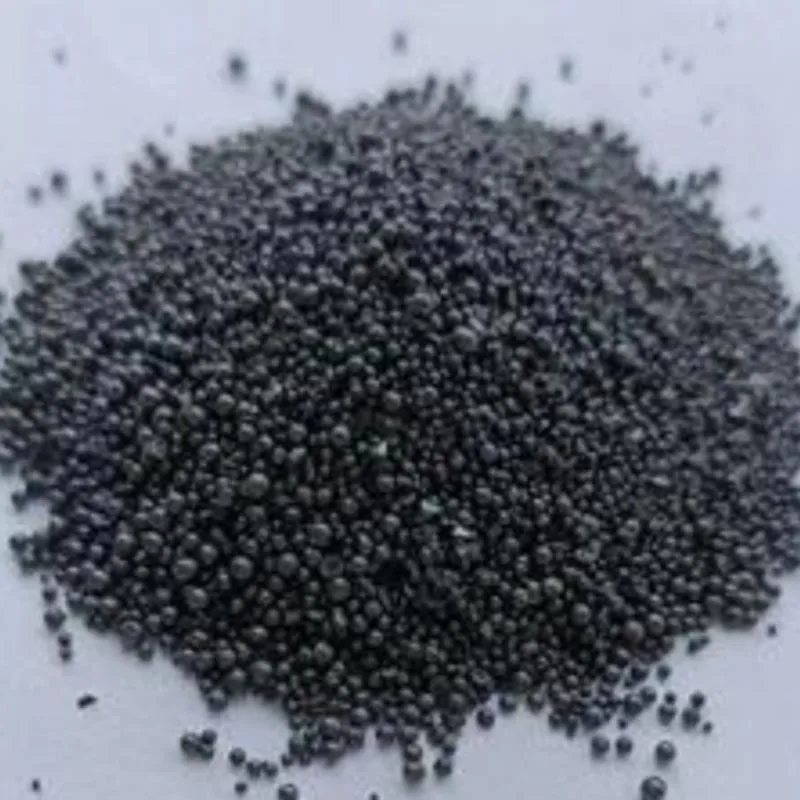
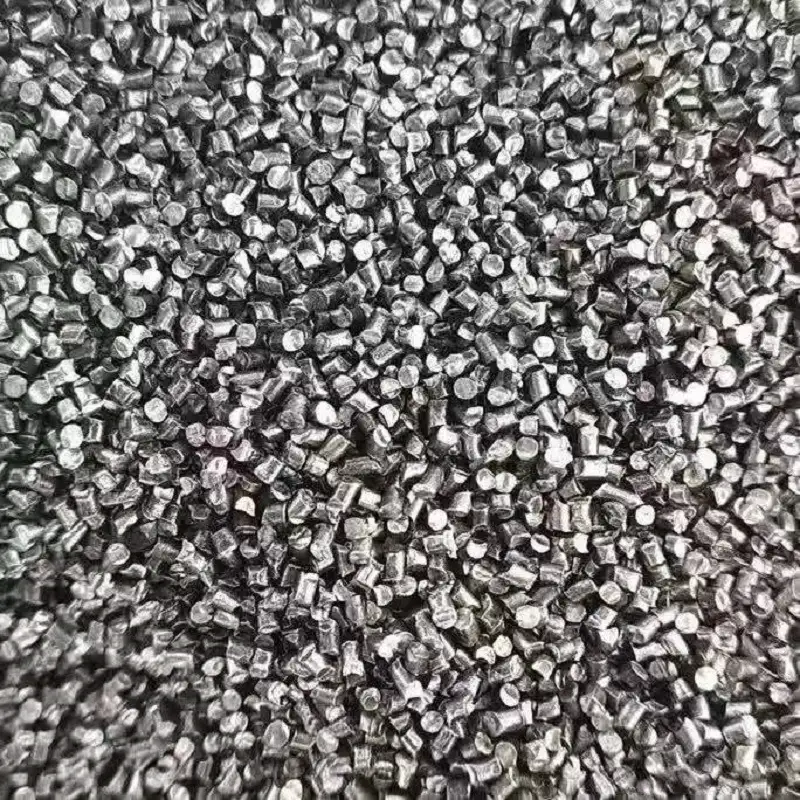
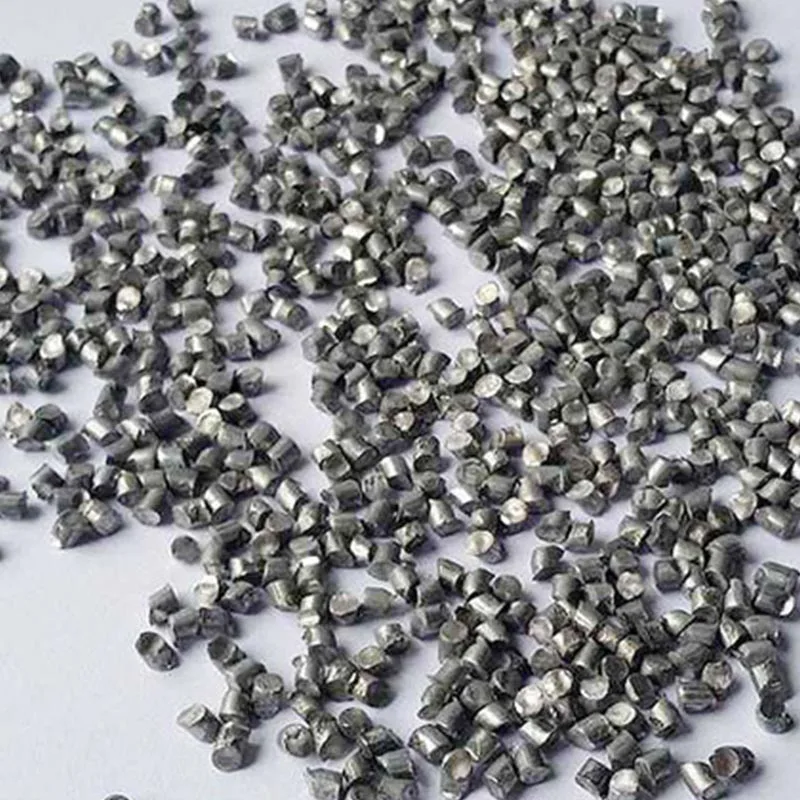
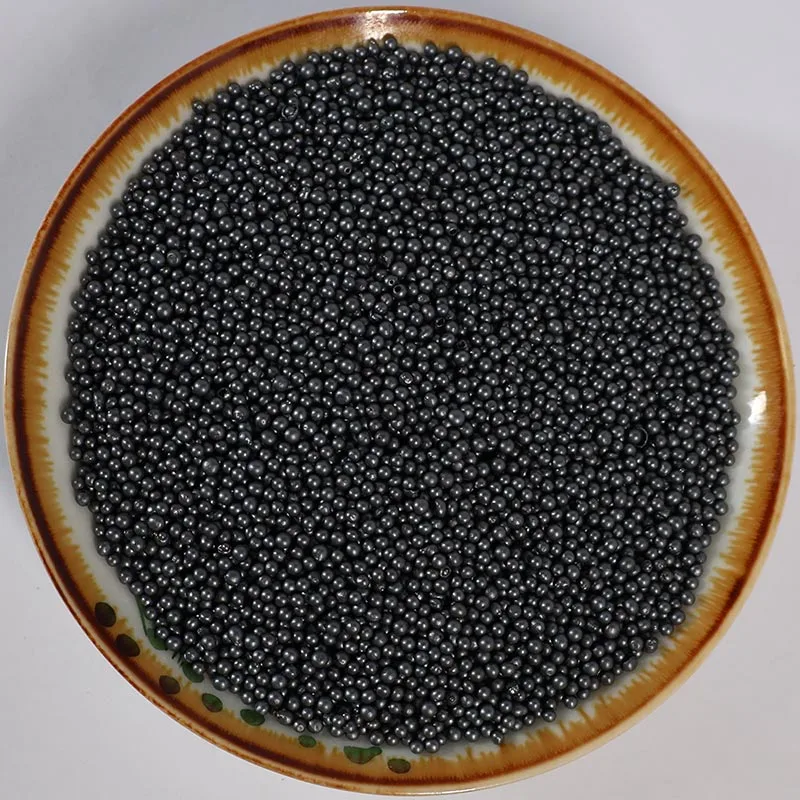
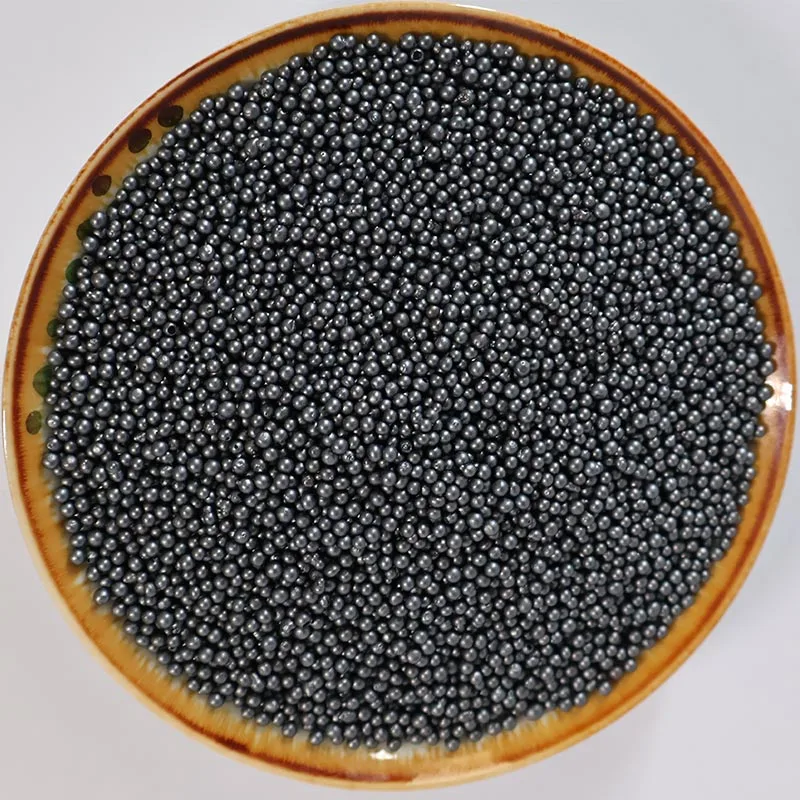
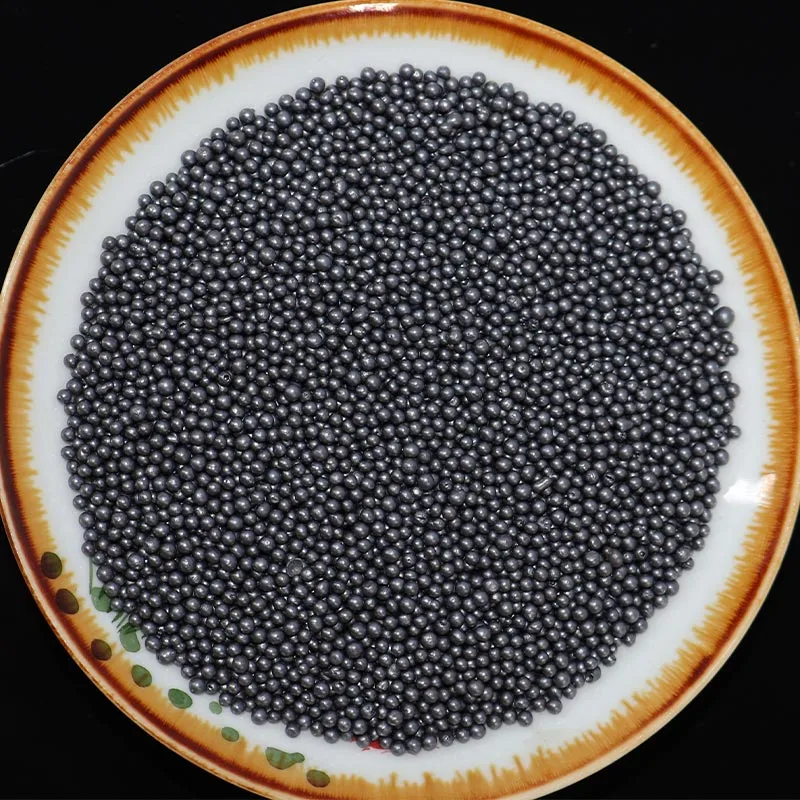
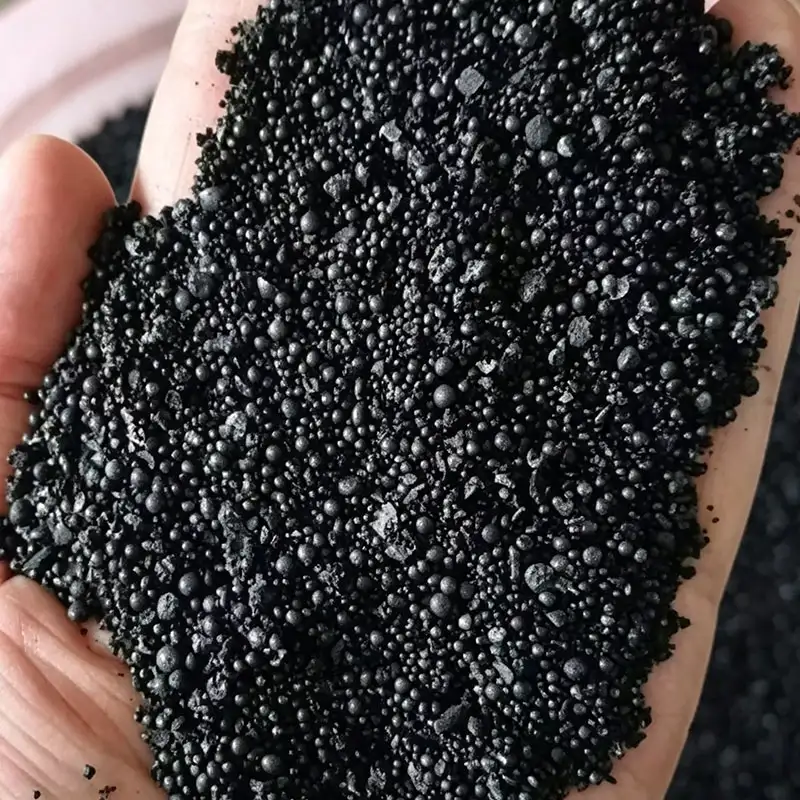
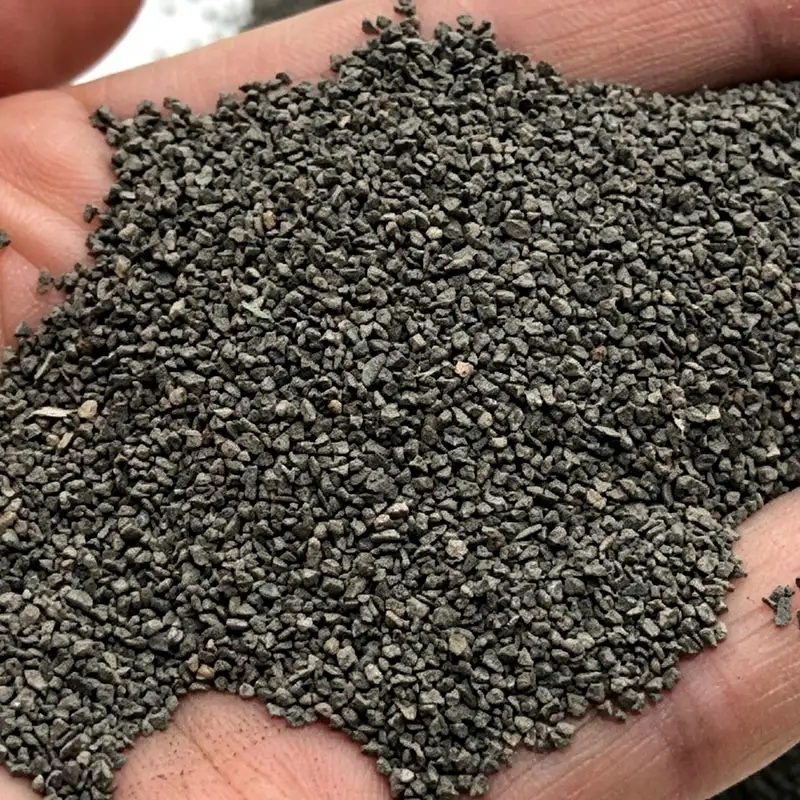
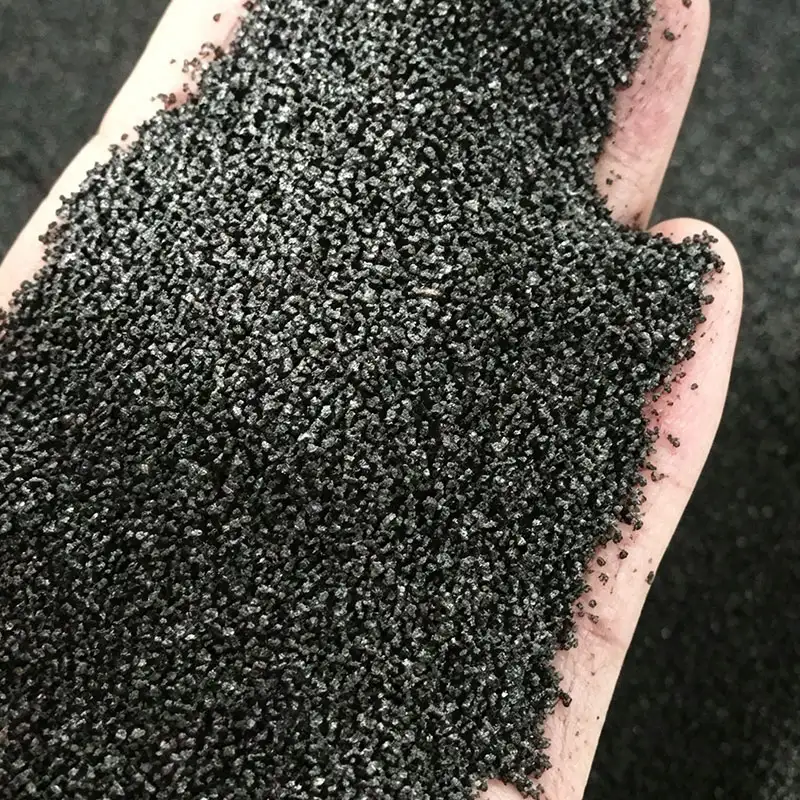
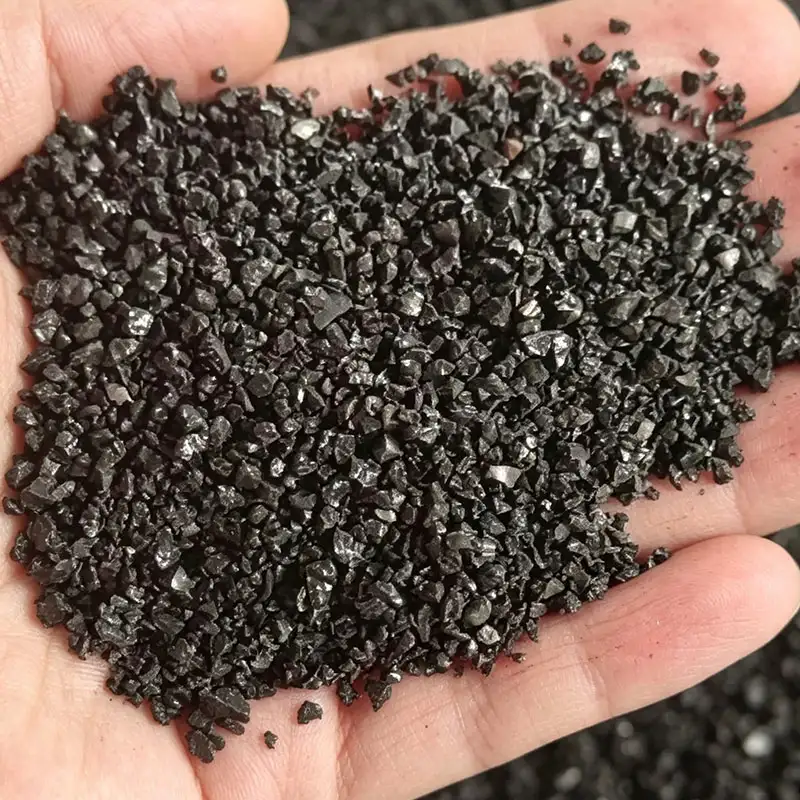
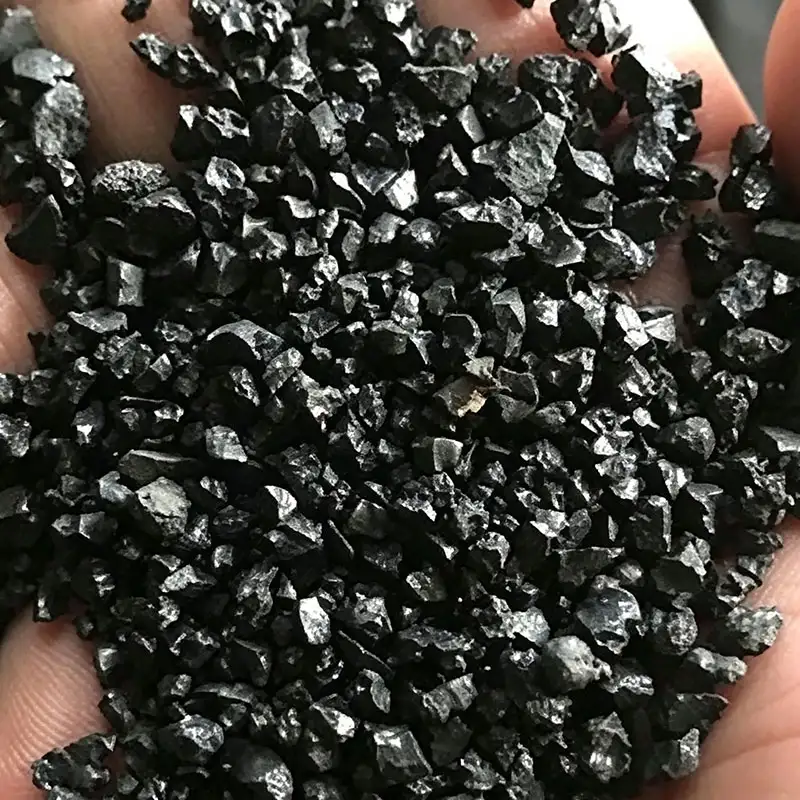
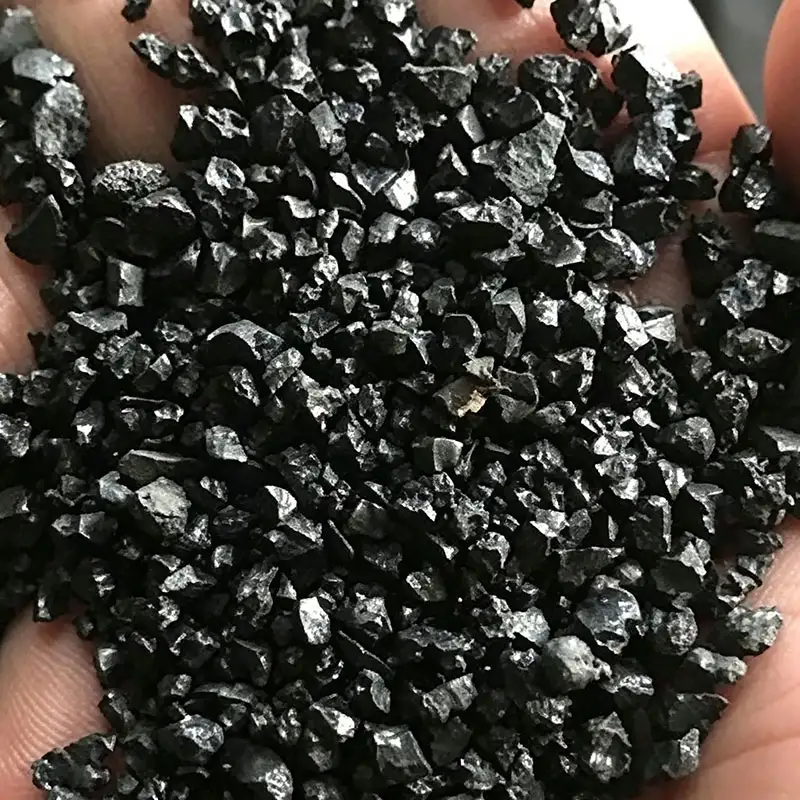
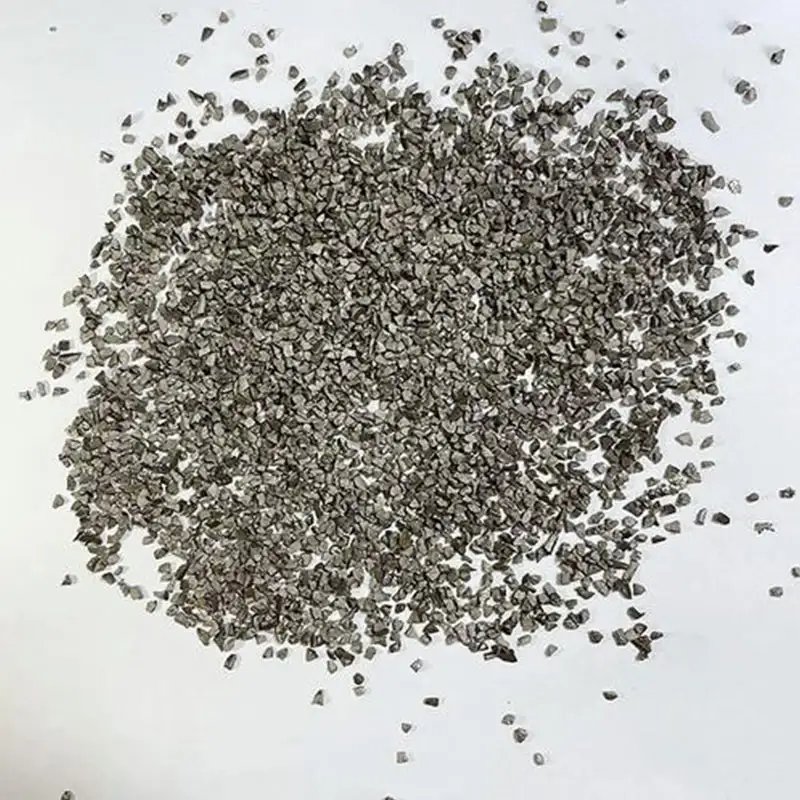
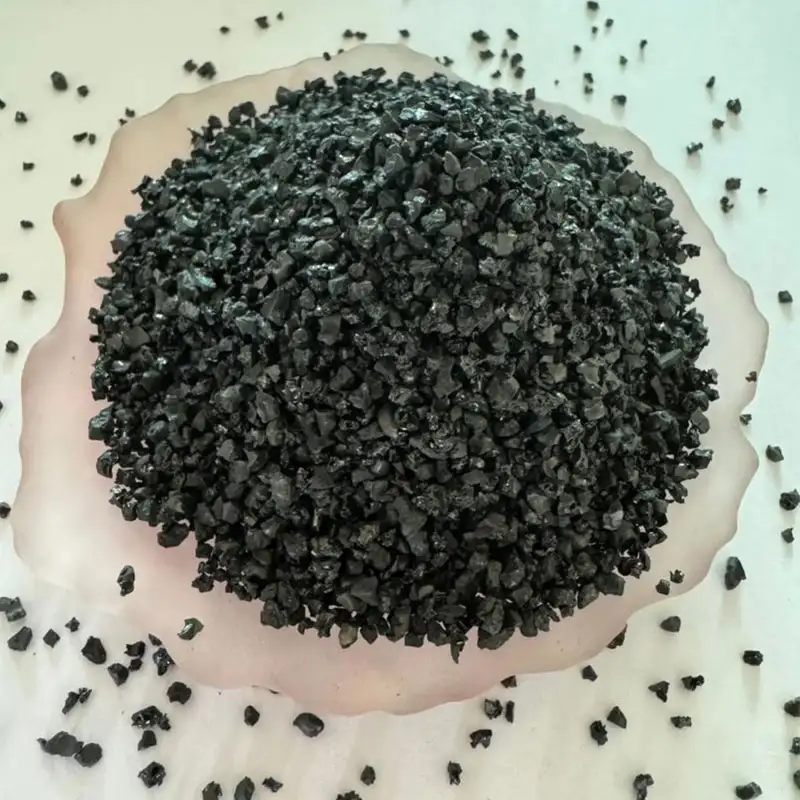
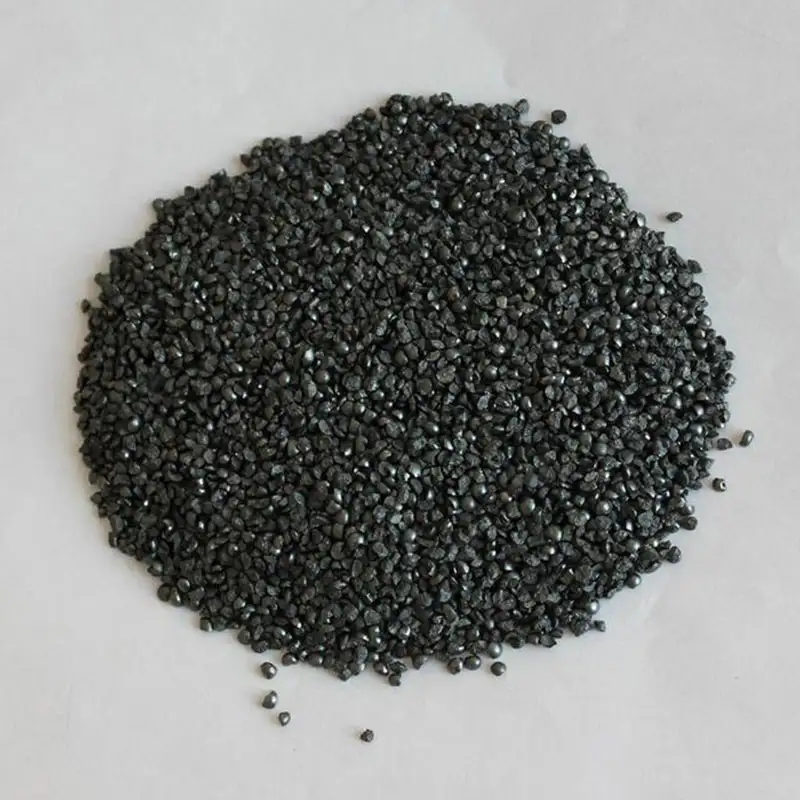
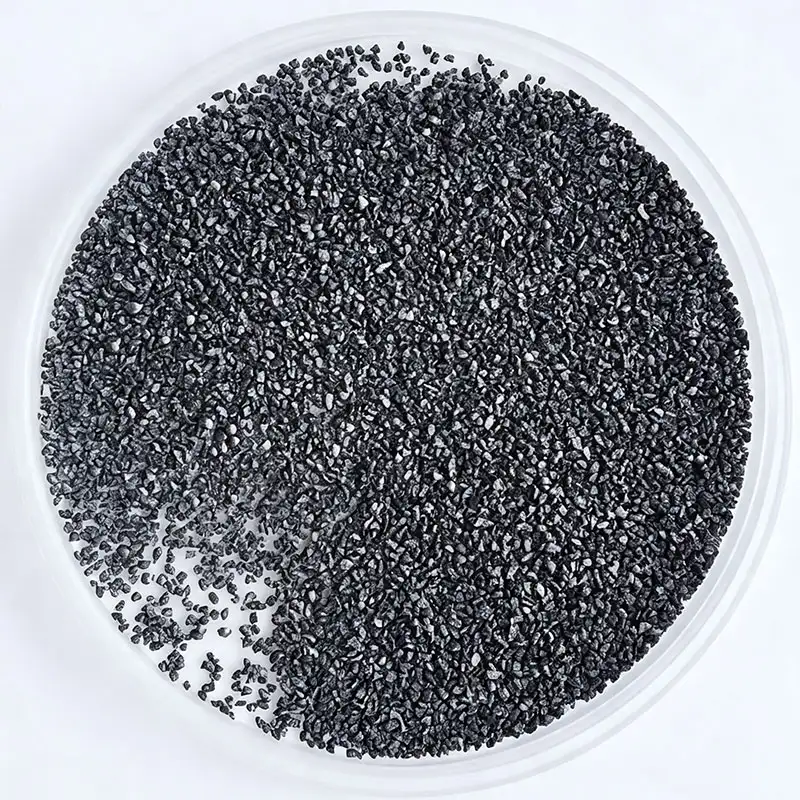
Counterweight steel grit from Shandong Haishan Industrial Technology is intended for dense ballast filling. This angular aggregate, made from high carbon steel, has bulk density ≥4.0 g/cm³, no hollow particles, and resists settling. It is used for weight filling in elevator counterweights, machinery ballast, and ship ballast tanks. Buyers can source SG grades 0.355–2.80 mm with COA and density reports. Not for blasting.
Shandong Haishan Industrial Technology offers counterweight steel grit as a dense angular filling aggregate for industrial ballast and weight stabilization. The material is produced by melting high carbon steel, crushing the resulting shot, and then precision screening to obtain solid particles with high bulk density. It is intended solely for filling cavities where mass per unit volume is the primary requirement, such as elevator counterweights, machinery ballast, and ship ballast tanks. This product should not be used for abrasive blasting or surface preparation.
Manufacturing Process
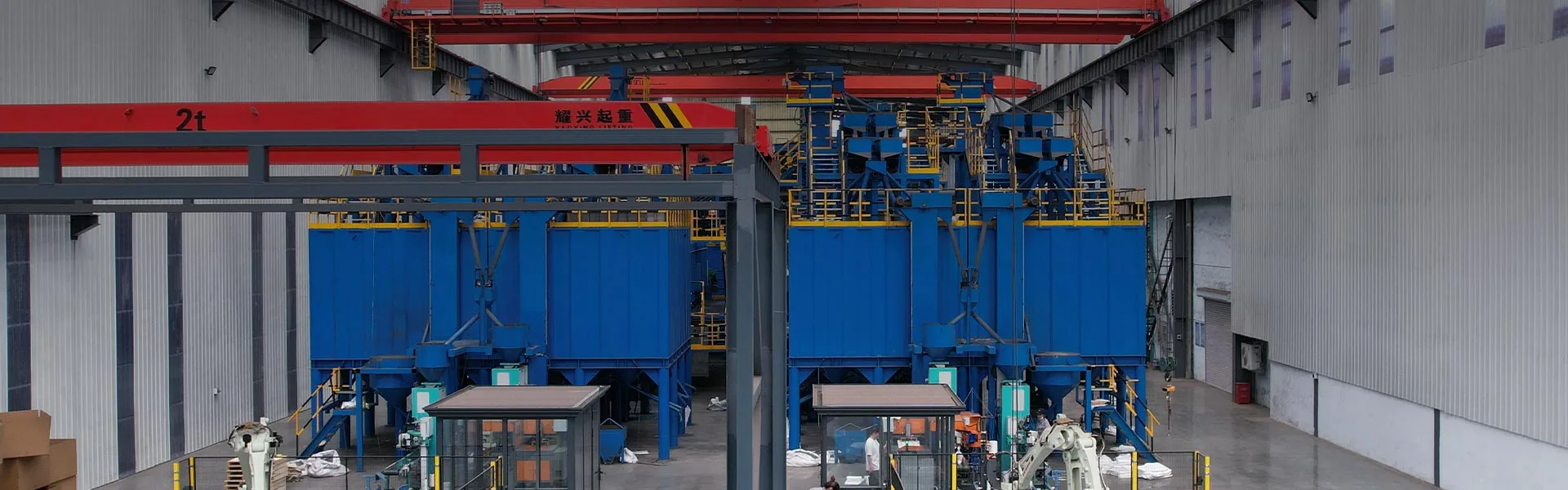
The manufacturing route starts with selected high carbon steel scrap, which is melted in an electric arc furnace. The molten steel is atomized into small spherical shot, then mechanically crushed into angular particles. After crushing, the grit is screened into precise size fractions and subjected to tempering to reduce internal stress and improve toughness. A density separation step removes any hollow or porous particles, ensuring that only solid, compact grains remain.
Routine batch testing covers chemical composition, bulk density, particle size distribution, and internal soundness. The methods align with applicable GB/T and SAE requirements.
Technical Specifications of Counterweight Steel Grit
Chemical Composition
| Element | Content (%) |
| C | 0.85 - 1.20 |
| Mn | 0.60 - 1.20 |
| Si | 0.40 - 1.20 |
| S | ≤0.05 |
| P | ≤0.05 |
Elemental analysis is performed by direct-reading spectrometer on each production lot.
Physical Properties
| Property | Specification |
| Bulk Density (g/cm³) | ≥4.0 (depends on particle size) |
| True Density (g/cm³) | ≥7.2 |
| Particle Shape | Angular, irregular |
| Hardness (HRC) | 40 - 50 (reference only; not a key performance indicator for filling) |
| Hollow Particle Content | None detected |
| Moisture Content | ≤0.5% |
Bulk density is determined by a standard container method. True density is measured via alcohol displacement. Hardness is given for material identification; the product is not used as an abrasive.
Performance Characteristics
- Dense packing: Angular grains interlock and pack tightly, achieving high mass per unit volume. This allows smaller cavities to hold the required weight.
- Uniform solid particles: Hollow and porous grains are eliminated, so the fill density is consistent and no weak spots develop over time.
- Resistance to settling: The irregular shape creates friction that prevents particle movement under vibration, helping the counterweight maintain its original weight distribution.
- Corrosion behavior: The material will stay rust-free in dry conditions. For humid or outdoor use, sealing the cavity or applying a coating is suggested.
- Size flexibility: Particles from 0.125 mm to 2.80 mm can be supplied, allowing the filler to match the cavity and handling equipment.
Important limitation: This product is not intended for blasting, descaling, or any surface treatment. Its cutting performance is poor, and using it in shot blasting machines may damage equipment and fail to produce the desired surface finish.

Comparison with Other Filling Materials
Counterweight steel grit is often evaluated against sand, steel shot, iron sand, and lead shot. The table below summarizes key differences. The most suitable material depends on density, cost, and how stable the fill must remain during service.
| Material | Approx. Bulk Density (g/cm³) | Particle Shape | Filling Stability | Cost | Typical Use |
| Counterweight Steel Grit | 4.0 - 4.4 | Angular | High (interlocking) | Moderate | Industrial counterweights, ballast |
| Ordinary Sand | 1.5 - 1.8 | Irregular | Medium | Low | General filling |
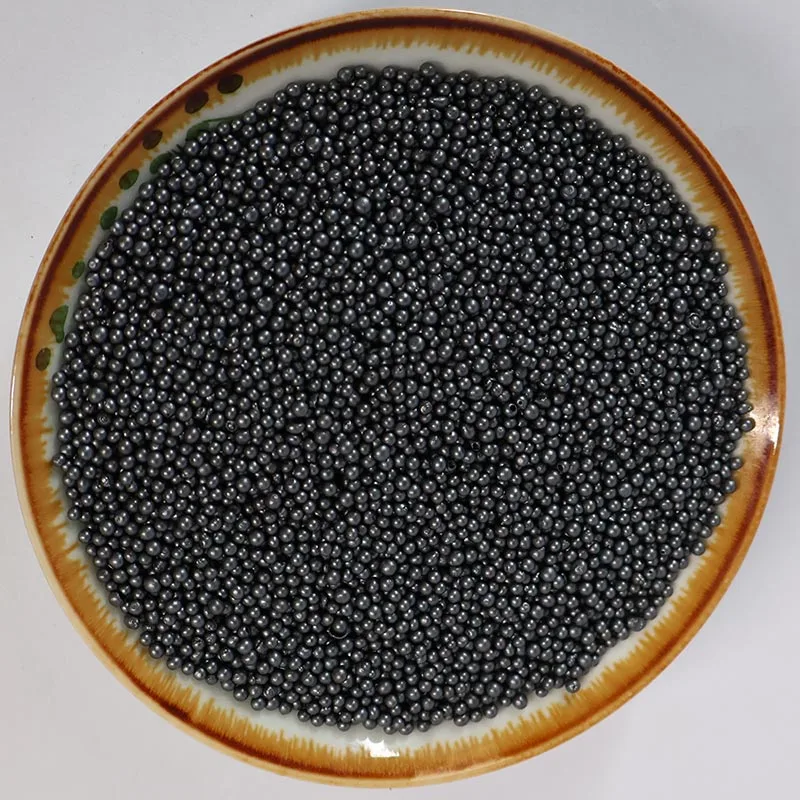
| Steel Shot (spherical) | 4.3 - 4.5 | Spherical | Lower (rolls, settles) | Moderate | Weight filling where flowability matters |
| Iron Sand / Magnetite | 2.5 - 3.0 | Irregular | Medium | Low to moderate | Foundry, heavy media |
| Lead Shot | 6.0 - 7.0 | Spherical | Lower | High | Radiation shielding, precision ballast |
Steel grit offers a good balance between density and cost, and its angular shape prevents shifting under vibration, making it a common choice for permanent ballast.
Application Scope
This product is exclusively used for weight filling. Common applications include:
- Elevator counterweight blocks
- Construction machinery ballast (excavators, forklifts, cranes)
- Ship ballast tanks and keel blocks
- Balance weights for vibrating equipment and machine tools
- Weight filling for fitness equipment
It is not suitable for abrasive blasting, descaling, or surface preparation processes.
Quality Assurance and Available Documentation
Our in-house laboratory is equipped with a direct-reading spectrometer, density measurement apparatus, sieve shakers, and a metallurgical microscope. Every production lot is checked for chemical composition, bulk density, particle size distribution, and absence of hollow grains. The following documents can be provided with shipments or on request:
- Certificate of Analysis (COA)
- Bulk density test report
- Particle size distribution chart
- Material Safety Data Sheet (MSDS)
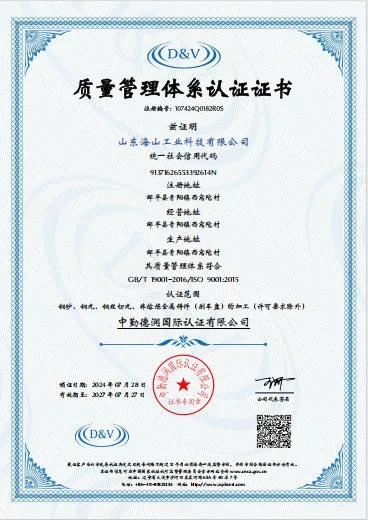
- ISO 9001:2015 certificate
We have supplied counterweight steel grit to manufacturers in more than 20 countries. Each batch is traceable from raw material to final shipment.
Particle Size Selection
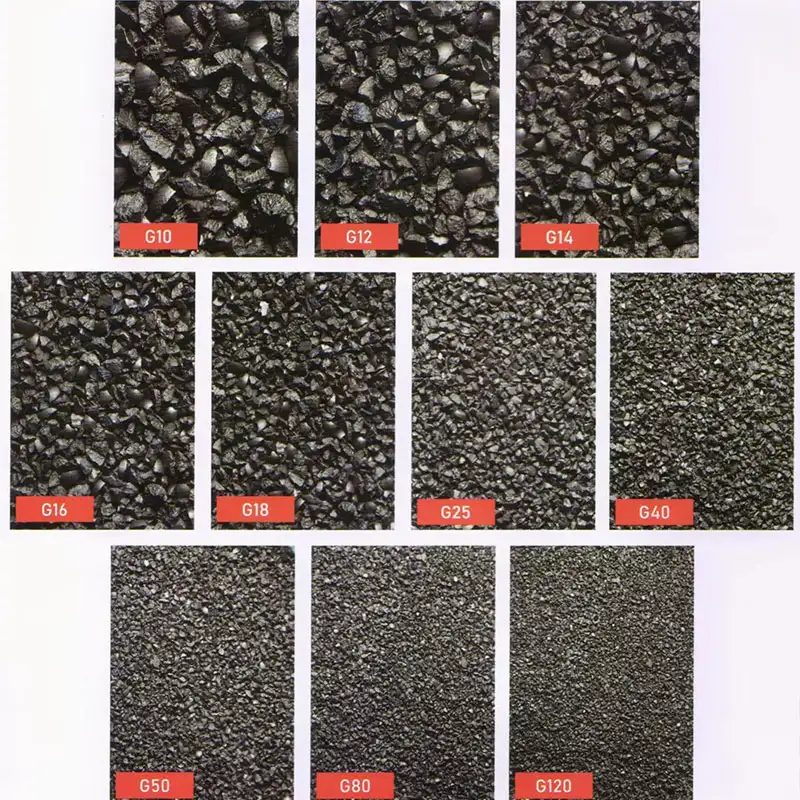
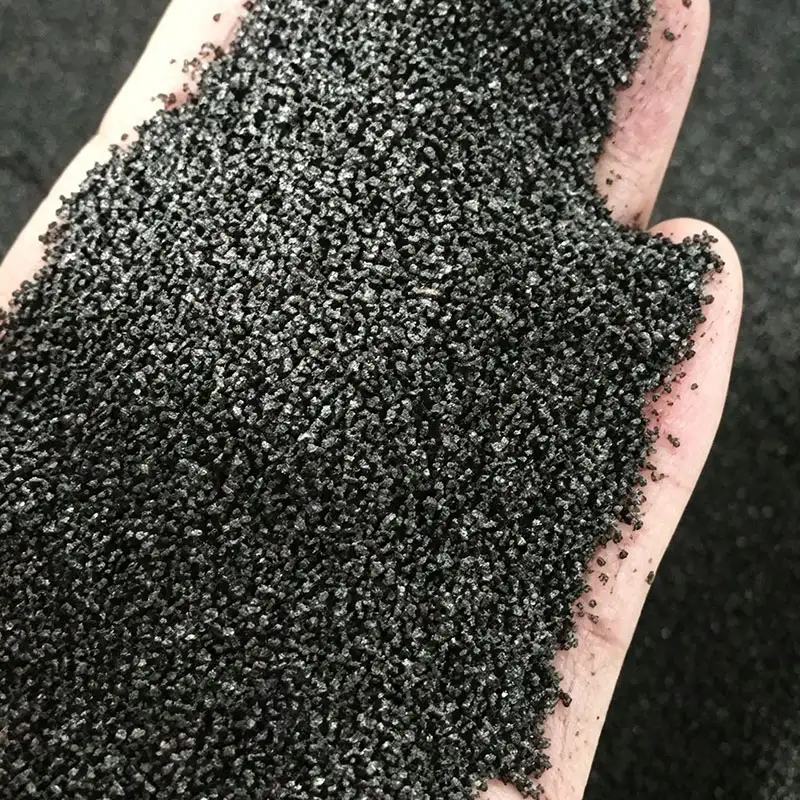
Standard SG grades range from SG 1# (0.355 mm) to SG 14# (2.80 mm). Smaller grains pack more densely and suit narrow or complex cavities. Larger grains flow more easily and are preferred for large, simple cavities with mechanical filling. The table below lists the typical SG grades and their SAE equivalents.
| SG Grade | Approx. Size (mm) | SAE Equivalent |
| SG 14# | 2.80 | G12 |
| SG 12# | 2.36 | G10 |
| SG 10# | 2.00 | G16 |
| SG 9# | 1.70 | G18 |
| SG 8# | 1.40 | G25 |
| SG 7# | 1.18 | G40 |
| SG 6# | 1.00 | G50 |
| SG 5# | 0.85 | G80 |
| SG 4# | 0.60 | G120 |
| SG 3# | 0.50 | — |
| SG 2# | 0.425 | — |
| SG 1# | 0.355 | — |
Custom blends are available upon request. Our technical team can recommend the best grain size based on the cavity volume and target weight.
Frequently Asked Questions
What grain size should I specify for a narrow counterweight cavity?
For narrow or complex cavities, smaller grain sizes (SG 1# to SG 6#) are usually better because they pack more densely. We can provide a density comparison based on your cavity dimensions to help you decide.
Will the fill settle or shift after installation?
The angular shape interlocks and resists movement, so settling is minimal. For critical applications, we recommend compacting the grit during filling and sealing the cavity to lock it in place.
Can this grit be used outdoors without rusting?
Carbon steel will rust if exposed to moisture. In dry indoor environments, no special protection is needed. For outdoor or humid conditions, sealing the cavity or applying a coating is recommended. Stainless steel grit is also available for highly corrosive environments.
Is special handling required?
Standard industrial hygiene practices are sufficient. Avoid breathing dust, wear gloves, and use eye protection. The material is not classified as hazardous under normal conditions.
What is the typical order lead time?
Standard sizes are usually in stock and can be shipped within 7-10 days for small orders and 15-20 days for container loads. Custom sizes may need additional time. Contact our sales team with your requirements.
Related Category
Send Inquiry
Contact Info
-
Address
Qingyang Economic Development Zone, Zouping County, Shandong Province, China
-
Tel
-
Email
Send an inquiry to Haishan for quality steel shot, steel grit, cut wire shot and counterweight sand. Get factory direct wholesale price, free quotation and OEM customized solutions.
News Recommendations