How Can Mechanical Filling Counterweight Sand Improve Equipment Stability, Weight Distribution, and Operational Reliability
Haishan provides material solutions for industrial applications, including Mechanical Filling Counterweight Sand for counterweight filling systems that require dependable mass distribution, consistent filling performance, and practical material handling. Selecting suitable filling sand helps equipment manufacturers and industrial buyers improve counterweight design, simplify production planning, and support reliable operation.
Mechanical filling counterweight sand is used in counterweight systems where granular materials provide additional mass within a designated housing or cavity. Its performance depends on factors such as bulk density, particle-size distribution, moisture content, flowability, and compatibility with the filling process. For equipment manufacturers, construction machinery producers, and industrial component suppliers, choosing an appropriate material can help achieve target weight requirements while maintaining consistent filling quality. This guide explains the working principles, material selection criteria, common applications, quality considerations, and procurement factors that buyers should evaluate before sourcing counterweight filling sand from a supplier such as Haishan.
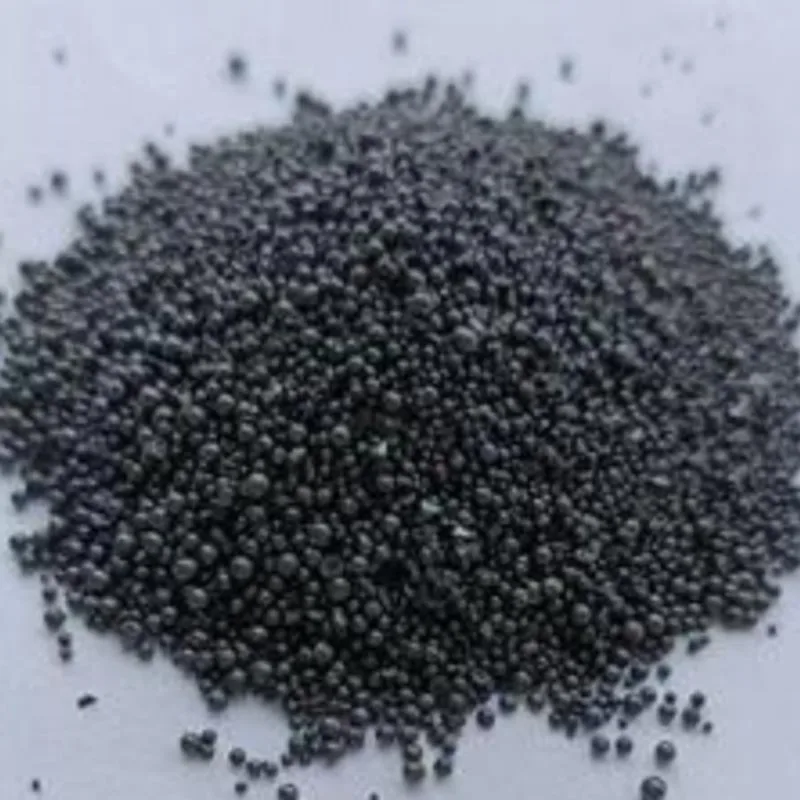
Table of Contents
- What Is Mechanical Filling Counterweight Sand?
- How Does Counterweight Filling Work?
- What Are the Main Benefits?
- Which Industries Use Counterweight Filling Materials?
- How Do You Choose the Right Material?
- Comparison of Common Counterweight Filling Materials
- What Quality Factors Should Buyers Check?
- What Should You Confirm Before Purchasing?
- Frequently Asked Questions
- Conclusion
1. What Is Mechanical Filling Counterweight Sand?
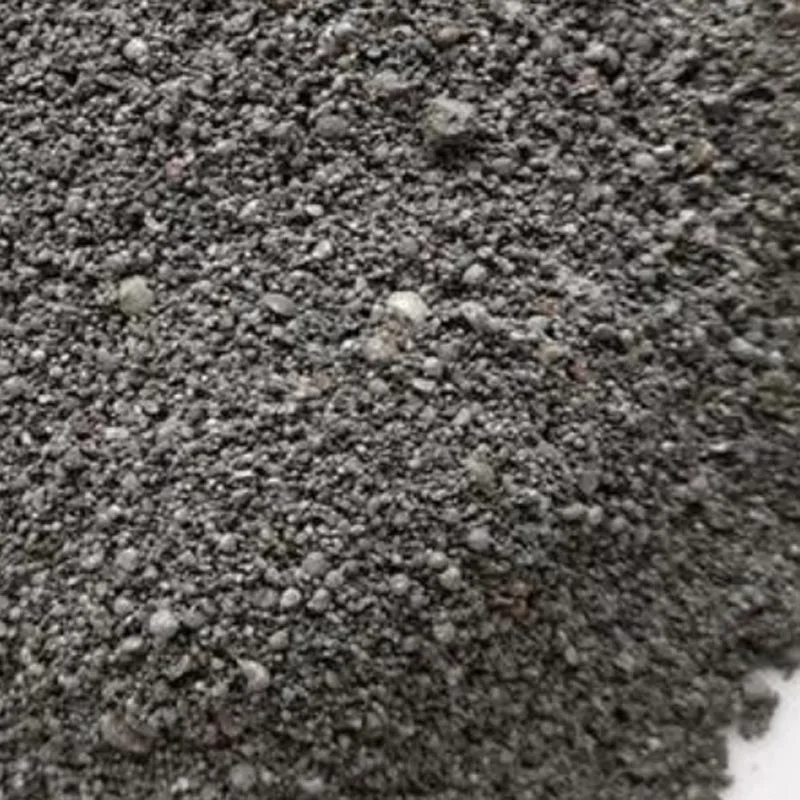
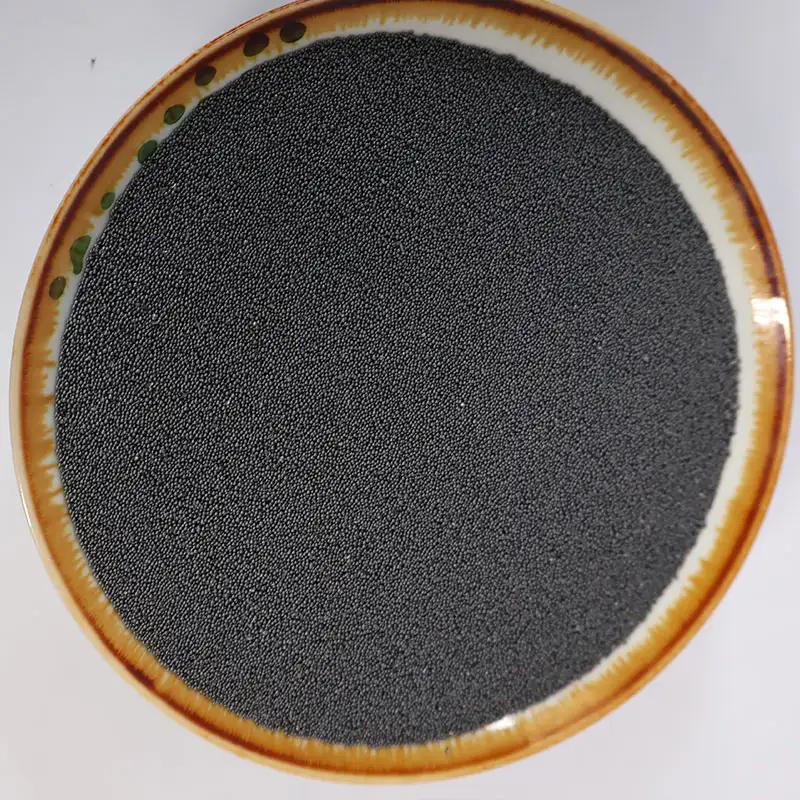
Mechanical filling counterweight sand is a granular material used to add mass to designated counterweight cavities in machinery, equipment, or other engineered assemblies. Depending on the application, the material may be selected according to its density, grading, stability, and ability to move through the filling equipment.
A counterweight helps balance an opposing load, compensate for an offset center of gravity, or improve the stability of a mechanical system. Instead of relying exclusively on a solid metal component, some designs use a housing that accommodates granular filling material. This approach can offer practical advantages when the product design requires an enclosed cavity or an adjustable filling process.
The term mechanical filling describes the material placement process in this context. It should not be confused with a specific type of automated filling machine. Actual material requirements depend on the counterweight structure, filling method, operating environment, and target mass.
When evaluating Haishan's Mechanical Filling Counterweight Sand, buyers should confirm the available material specifications and intended application with the supplier before finalizing their selection.
2. How Does Counterweight Filling Work?
The purpose of counterweight filling is to introduce a controlled amount of material into a designated space so that the completed component meets its weight and design requirements. The process may be manual, semi-automatic, or fully automated, depending on production volume and equipment configuration.
A typical filling workflow includes the following steps:
- Housing preparation: Inspect the counterweight shell or cavity to ensure that it is clean, structurally sound, and ready for filling.
- Material verification: Check the material grade, particle-size distribution, moisture condition, and other agreed specifications.
- Controlled feeding: Transfer the material into the housing using an appropriate feeding or metering arrangement.
- Filling and distribution: Allow the material to occupy the available space while minimizing unwanted voids and uneven accumulation.
- Weight inspection: Measure the filled component and compare the result with the specified target weight.
- Closure and final inspection: Secure the housing according to its design and verify that the completed assembly meets the applicable requirements.
Consistent feeding and accurate weight checks are especially important in repetitive production. Variations in material density, moisture, or filling behavior can affect the amount of material delivered during a fixed filling cycle.
3. What Are the Main Benefits?
The advantages of counterweight filling sand depend on the material selected and the equipment in which it is used. When the material is properly matched to the design, several operational benefits may be achieved.
Flexible Weight Configuration
Granular filling materials can be introduced in controlled quantities, allowing manufacturers to meet different counterweight requirements within compatible housing designs. The final weight depends on the material's bulk density, the available cavity volume, and the effectiveness of the filling process.
Practical Material Handling
Suitable particle grading and flow characteristics can support consistent transfer through hoppers, chutes, or other feeding arrangements. This can help reduce interruptions associated with bridging, segregation, or irregular discharge.
Efficient Production Planning
Where the filling process is standardized, operators can establish repeatable procedures for material feeding, weighing, inspection, and component closure. These procedures help manufacturers control production variation and identify deviations before products leave the facility.
Design Adaptability
Granular materials may be suitable for enclosed counterweight designs in industrial equipment, machinery assemblies, and other applications where the housing is engineered to contain loose material. Suitability must be assessed against structural loads, vibration, moisture exposure, and relevant safety requirements.
It is important to remember that filling material alone does not guarantee equipment stability. Correct counterweight design, secure containment, and appropriate installation remain essential.
4. Which Industries Use Counterweight Filling Materials?
Counterweight systems are found in a range of industrial environments. Depending on the material specifications and design requirements, granular filling materials may be considered for applications such as:
- Construction machinery: Counterweight assemblies designed to help balance equipment loads and support machine stability.
- Industrial equipment: Enclosed weight compartments used in machinery requiring controlled mass distribution.
- Agricultural machinery: Equipment components that use additional mass to achieve a specified balance or operating configuration.
- Material handling systems: Selected mechanisms in which counterweights help balance moving components or loads.
- Custom engineering projects: Specially designed assemblies where a granular filling medium is compatible with the housing and operating conditions.
Not every counterweight application is suitable for sand. High-dynamic-load systems, compact designs, and equipment exposed to severe vibration may require a different filling medium or a specially engineered containment arrangement. Buyers should evaluate the complete system rather than selecting a material solely on price or availability.
5. How Do You Choose the Right Material?
Material selection should begin with the engineering requirements of the finished counterweight. A material that performs well in one housing or filling system may not deliver the same results in another.
Bulk Density and Target Weight
Bulk density indicates the mass of loose material occupying a given volume, including the spaces between particles. It is a key consideration when calculating whether a counterweight cavity can accommodate the required mass.
A preliminary estimate can be made using the following relationship:
Estimated material mass = Bulk density × Filled volume
For example, if a material has an illustrative bulk density of 1,500 kg/m³ and occupies a volume of 0.10 m³, its estimated mass is 150 kg. This is a calculation example, not a confirmed specification for Haishan's product. Actual results depend on measured density, packing behavior, and the usable volume of the housing.
Particle Size and Distribution
Particle size affects how material moves through the filling system and occupies the available space. A suitable grading can help support consistent discharge and reduce the risk of blockage. Excessive fines or an inconsistent particle-size distribution may influence flow behavior and material segregation.
Moisture Content
Moisture can change the flow characteristics of granular material. Depending on its composition and particle size, damp material may clump, adhere to equipment surfaces, or discharge inconsistently. Moisture requirements should therefore be agreed upon before purchasing.
Compatibility With the Operating Environment
Consider whether the counterweight will operate indoors or outdoors, whether it will experience repeated vibration, and whether moisture could enter the housing. The enclosure must prevent unwanted material loss and maintain the intended weight distribution throughout the product's service life.
6. Comparison of Common Counterweight Filling Materials
Several materials may be considered for counterweight applications. The best choice depends on the required mass, available space, cost, handling requirements, and operating conditions.
| Material Type | Potential Advantages | Points to Evaluate | Typical Considerations |
|---|---|---|---|
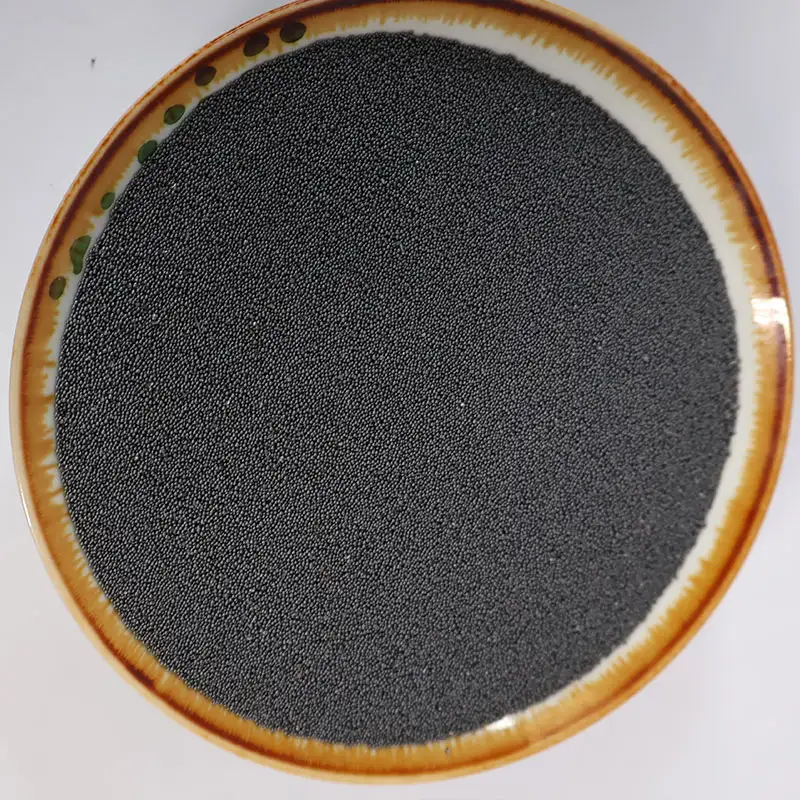
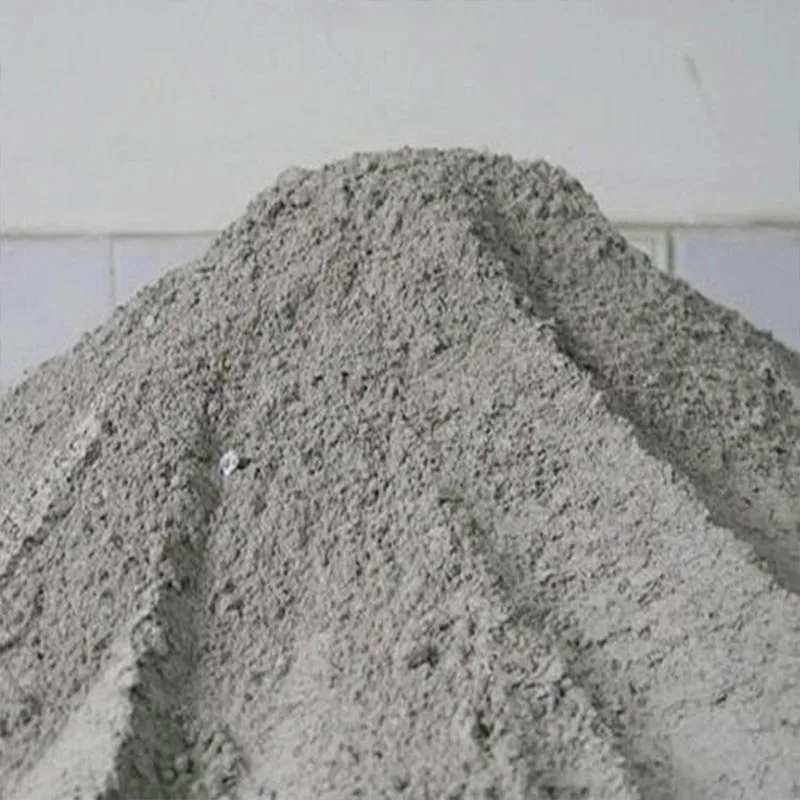
| Natural sand | Widely available and generally economical | Bulk density, moisture, grading, and impurities | General granular filling where specifications permit |
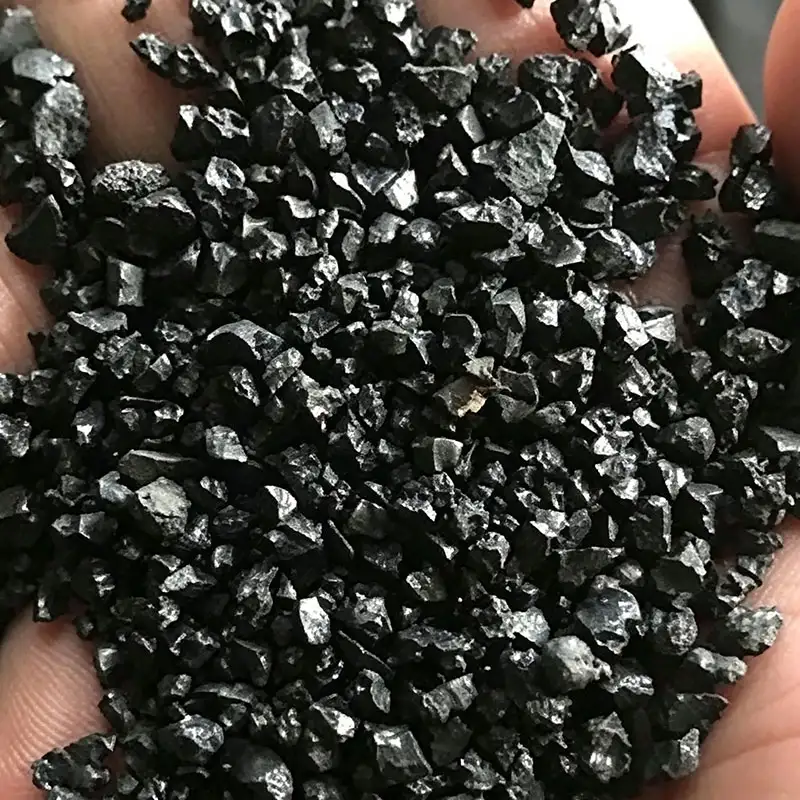
| Crushed mineral sand | Angular particles and potentially controlled grading | Dust generation, particle shape, and flow behavior | Applications requiring a specified mineral composition |
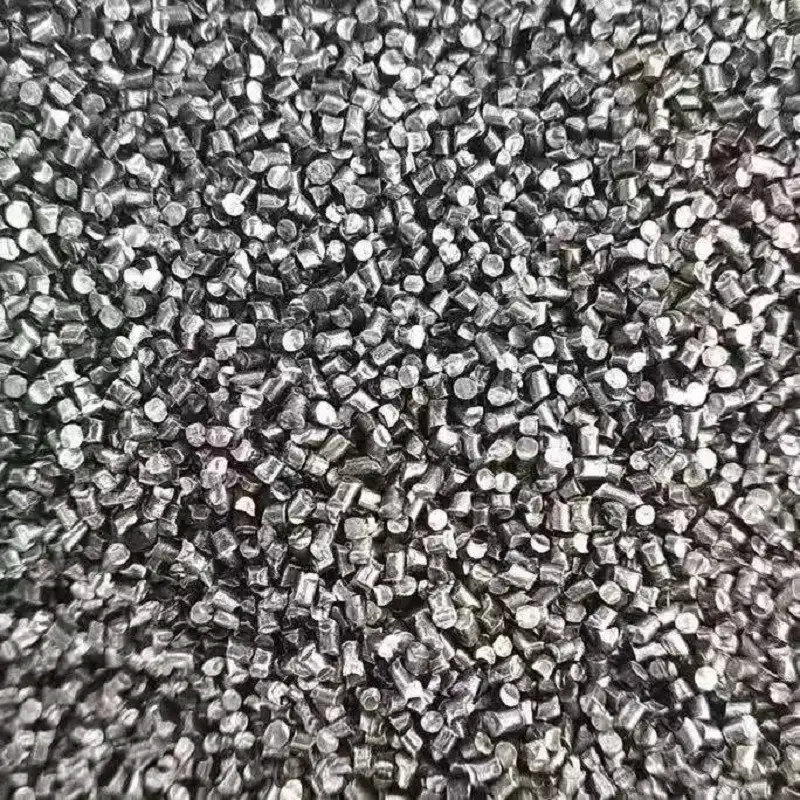
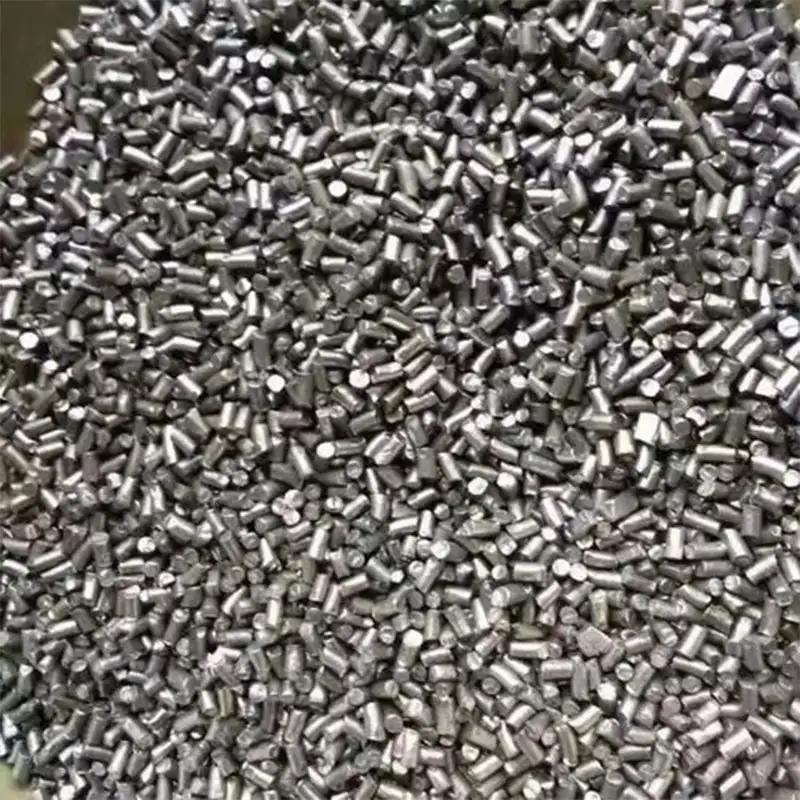
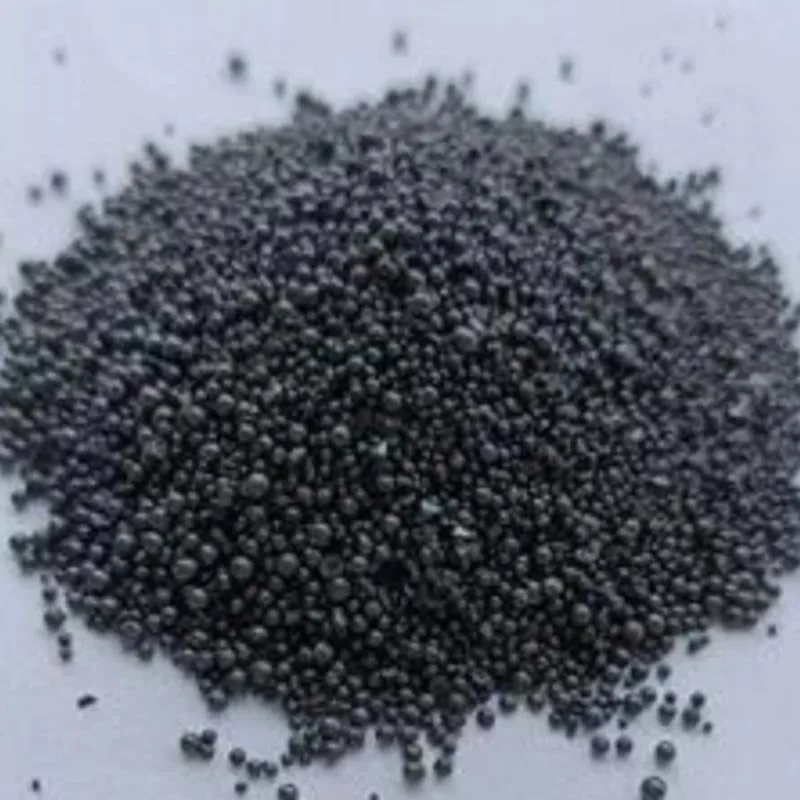
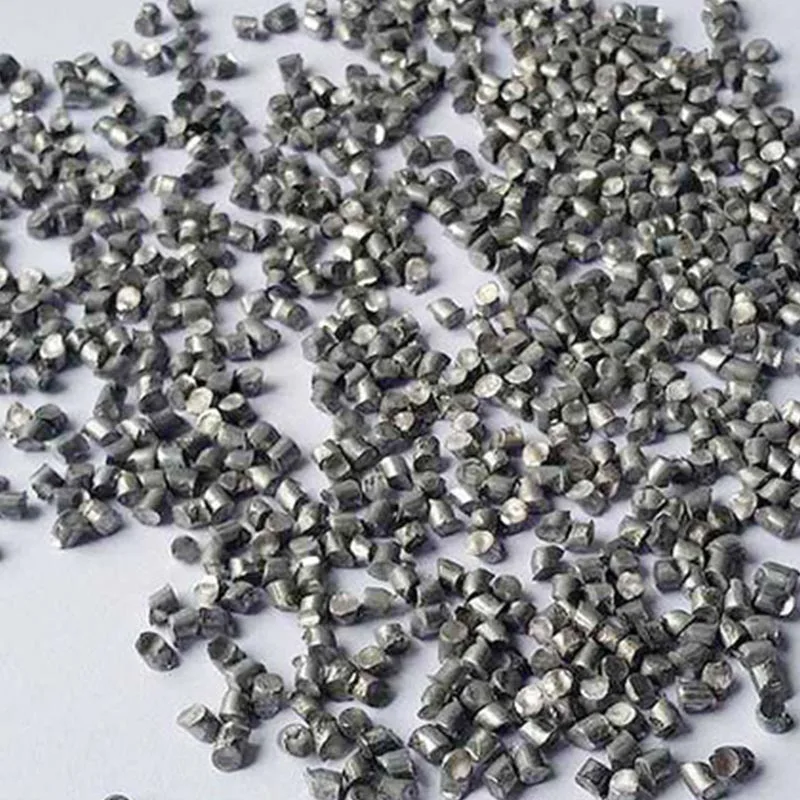
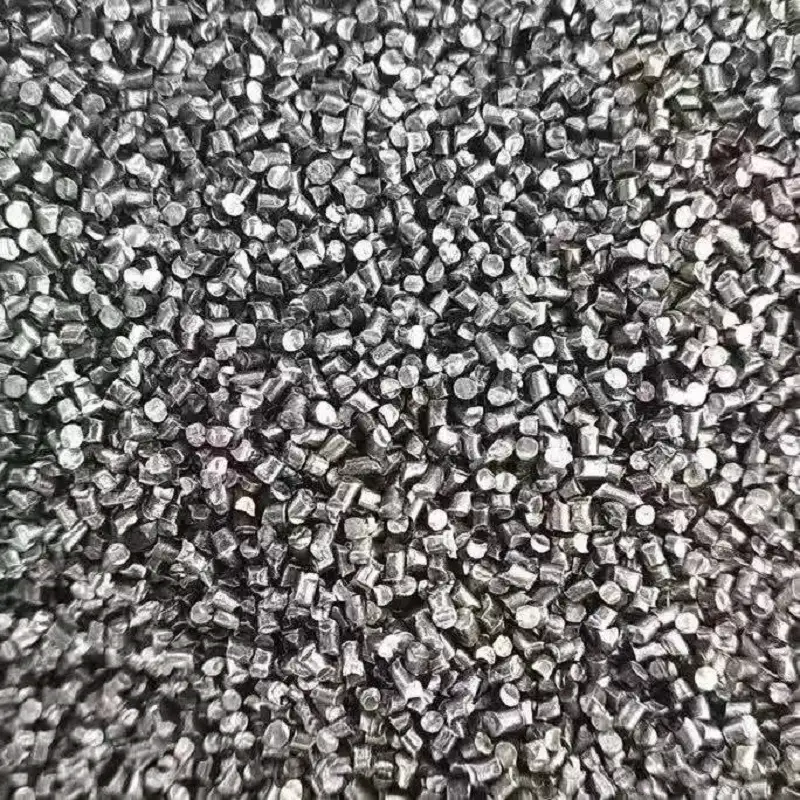
| Iron-rich granular material | May provide greater mass per unit volume than ordinary sand | Actual density, corrosion considerations, and cost | Space-constrained designs requiring higher material density |
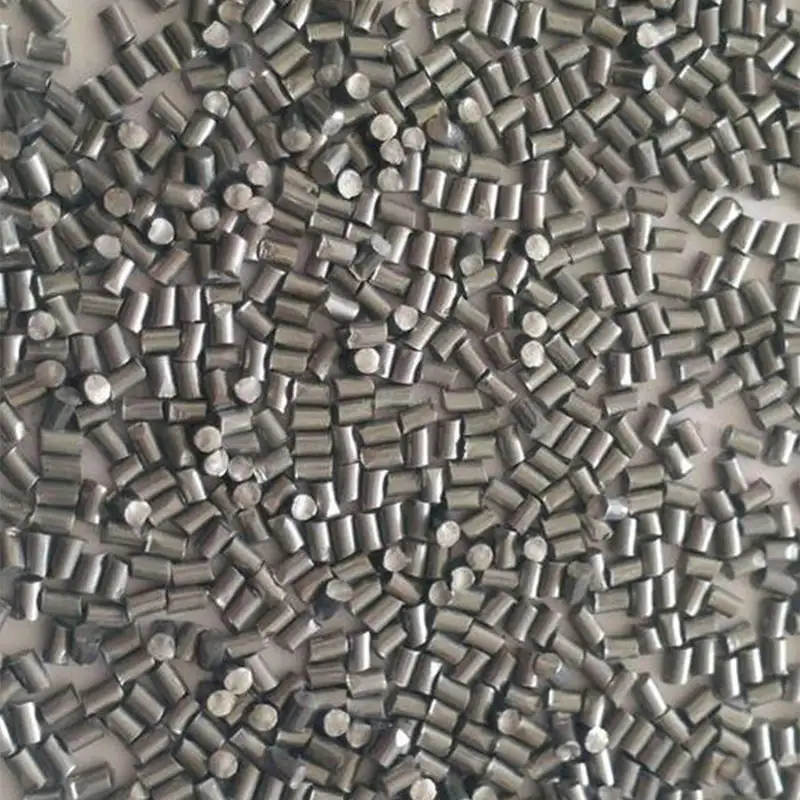
| Metal shot or similar dense media | High density in a relatively small volume | Cost, handling, containment, and compatibility | Specialized designs with demanding mass requirements |
| Solid metal counterweight | Defined geometry and predictable component configuration | Manufacturing cost, machining, and installation weight | Systems requiring a fixed, engineered counterweight |
This comparison is a general selection guide rather than a product specification sheet. Density, flowability, and mechanical performance vary by grade and production process. Always compare measured data for the actual materials under consideration.
7. What Quality Factors Should Buyers Check?
Quality assurance should cover both the incoming material and the completed counterweight assembly. A clear inspection plan helps reduce variation and provides traceable acceptance criteria for production.
Before approving a material, buyers should consider the following checks:
- Particle-size analysis: Confirm that the material falls within the agreed grading range.
- Bulk-density testing: Establish a consistent measurement method for calculating the required filling quantity.
- Moisture inspection: Verify that the material meets the agreed moisture requirements.
- Cleanliness assessment: Check for unwanted contaminants, excessive fines, or other material inconsistencies.
- Filling trials: Evaluate discharge behavior and weight consistency using representative production equipment.
- Finished-product inspection: Verify total mass, housing integrity, closure security, and compliance with the relevant drawings or specifications.
For applications involving vibration or dynamic loading, the engineering team should also verify that the material cannot shift excessively or escape from the housing during service. Appropriate testing depends on the machine design and applicable industry requirements.
8. What Should You Confirm Before Purchasing?
When sourcing Mechanical Filling Counterweight Sand, purchasing teams should provide sufficient technical information for the supplier to assess suitability. A clearly defined specification reduces misunderstandings and helps ensure that quotations are based on comparable requirements.
Consider confirming these details before placing an order:
- Intended application: Describe the machinery, counterweight assembly, and expected operating environment.
- Required material properties: Specify the target bulk density, particle-size range, moisture limits, and composition requirements where applicable.
- Quantity and packaging: State the order volume, delivery schedule, storage conditions, and preferred packaging format.
- Quality documentation: Request the available technical data sheet, inspection records, or test reports relevant to the product.
- Sample evaluation: Where feasible, test a representative sample before approving bulk supply.
- Commercial terms: Confirm pricing, minimum order quantity, lead time, shipping arrangements, and the process for addressing nonconforming material.
Haishan's product information page is a useful starting point for buyers researching this material. For technical decisions, request confirmation of the current specifications and suitability for the intended counterweight system.
9. Frequently Asked Questions
Q1: What is Mechanical Filling Counterweight Sand mainly used for?
It is used as a granular filling medium in compatible counterweight assemblies where additional mass is required. Its suitability depends on the required weight, housing volume, material properties, and operating conditions.
Q2: How does bulk density affect counterweight performance?
Bulk density determines how much mass can fit into a given volume. A higher bulk density may help achieve a target weight in a smaller cavity, while a lower density material may require more space. Actual performance also depends on packing behavior and how consistently the housing is filled.
Q3: Can ordinary sand be used in every counterweight system?
No. Ordinary sand may be suitable for some enclosed designs, but it is not universally appropriate. Systems exposed to strong vibration, moisture, or high dynamic loads may require different materials, additional containment, or a specifically engineered solution.
Q4: How can manufacturers maintain consistent filling weight?
Manufacturers can standardize material specifications, control feeding quantities, monitor moisture and bulk density, and weigh filled components. Regular equipment checks and documented inspection procedures also help identify variations during production.
Q5: What information should I request from Haishan before ordering?
Ask for the current product specifications, available particle-size and density information, applicable quality documentation, packaging options, and recommended application conditions. If the counterweight design has strict dimensional or weight limits, provide those requirements for a more informed material assessment.
10. Conclusion
Mechanical Filling Counterweight Sand can be a practical option for engineered counterweight systems when its material properties match the requirements of the finished assembly. Bulk density, particle grading, moisture content, flowability, containment, and quality control all influence the consistency of the filling process. By evaluating these factors before procurement, manufacturers can make better-informed material choices and establish more reliable production procedures. For industrial buyers seeking a suitable filling material, Haishan provides a starting point for reviewing product information and discussing application requirements. Visit the Mechanical Filling Counterweight Sand product page, review your technical needs, and contact us to discuss your application, request current specifications, and explore a suitable supply solution for your project.
Related News
- How Can Steel Wire Cut Shot Improve Heavy-Duty Surface Preparation and Industrial Efficiency
- How Can Mechanical Filling Counterweight Sand Improve Automated Ballast Filling and Equipment Stability
- How Can Mechanical Filling Counterweight Sand Improve Industrial Equipment Stability and Automated Filling Efficiency
- How Can Concrete Counterweight Sand Deliver Higher Density, Better Stability, and More Efficient Precast Production
- How Does Steel Shot Improve Industrial Surface Treatment Efficiency?
- High-Density Material Building Industrial Balance
Leave me a message