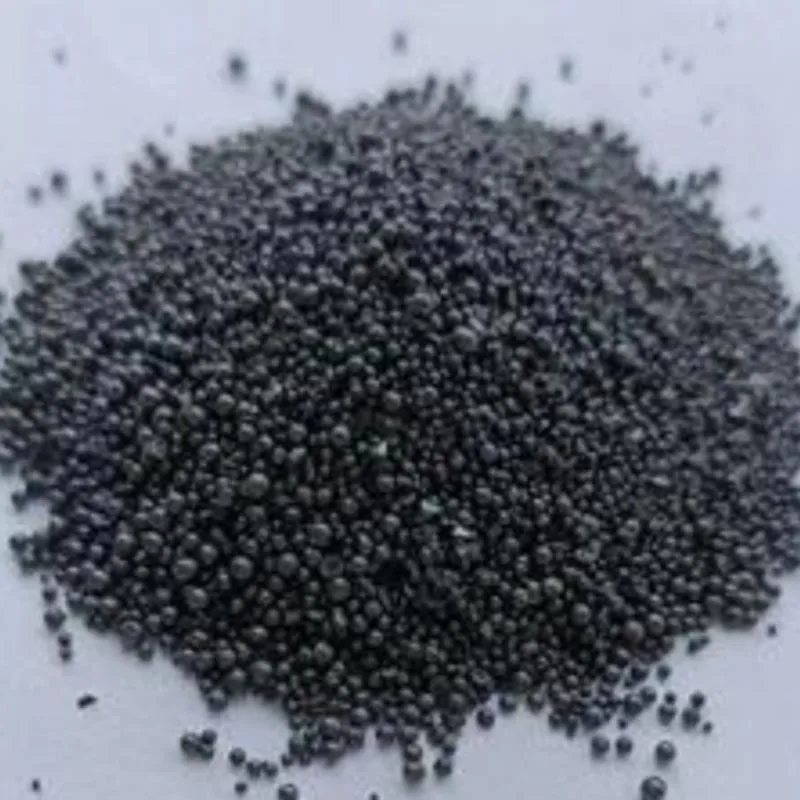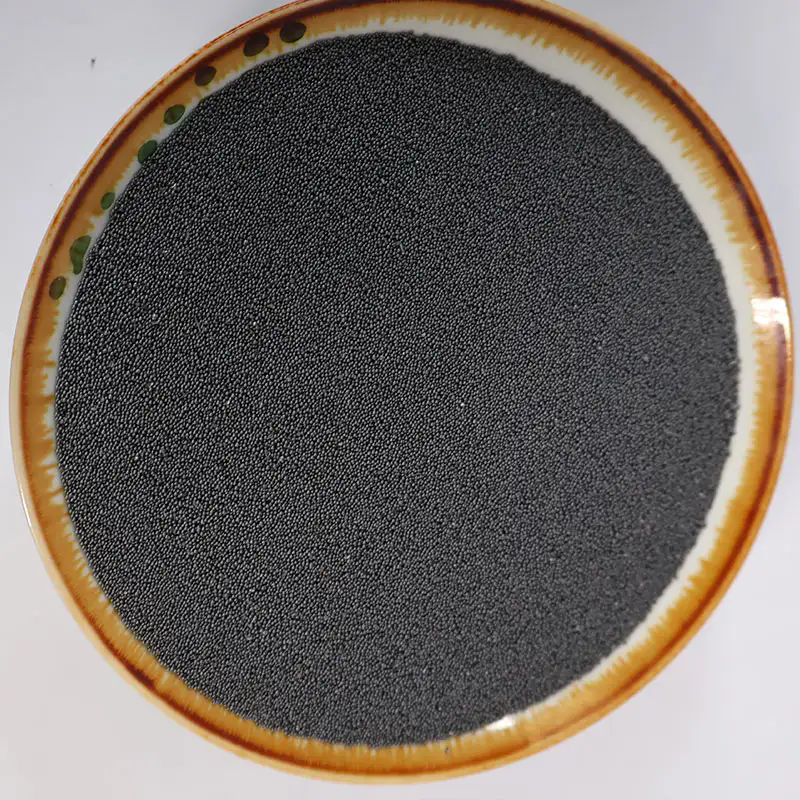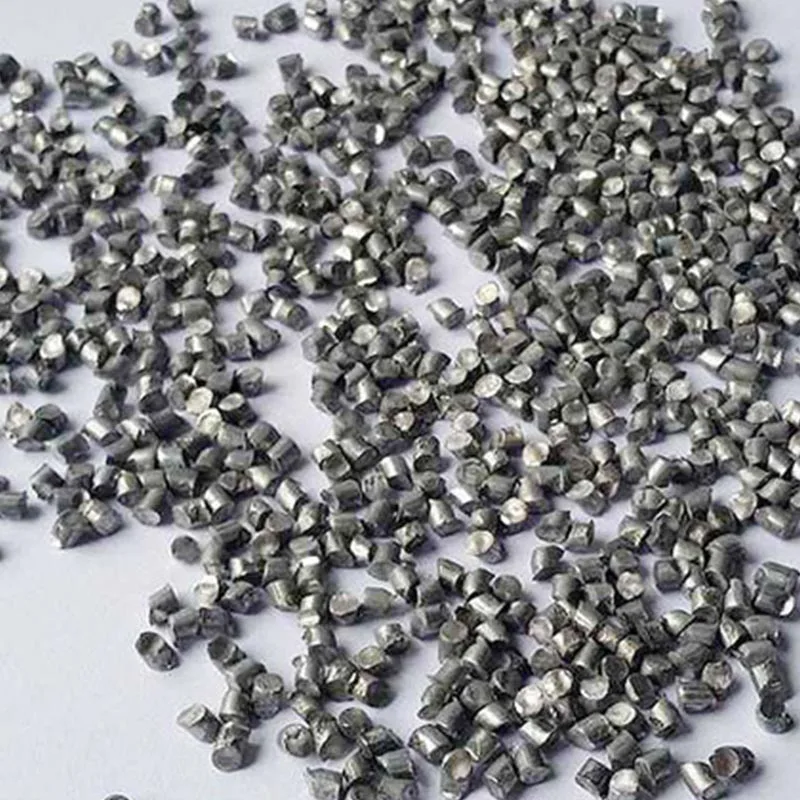
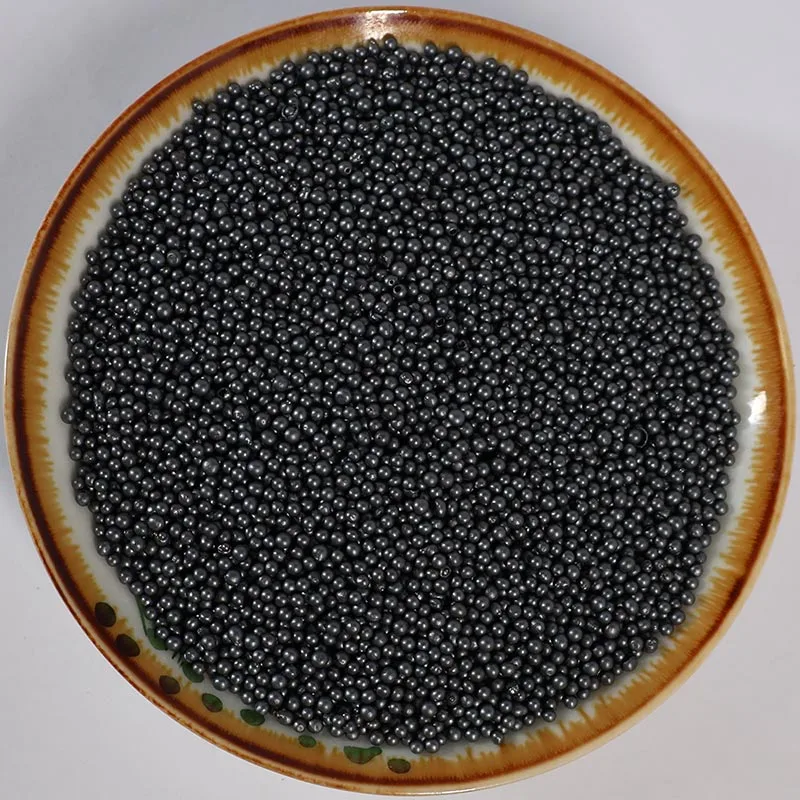
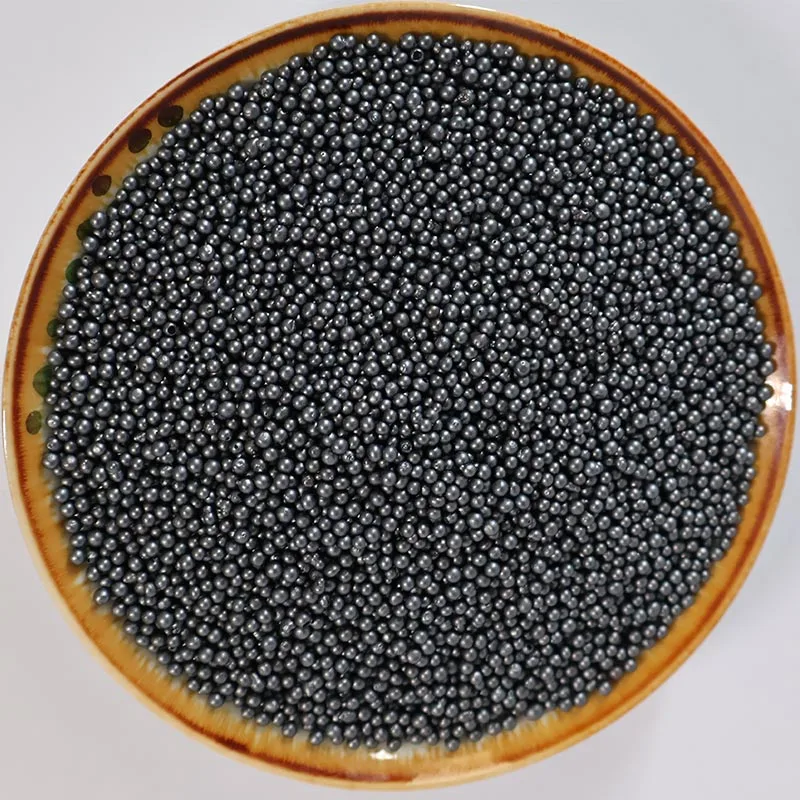
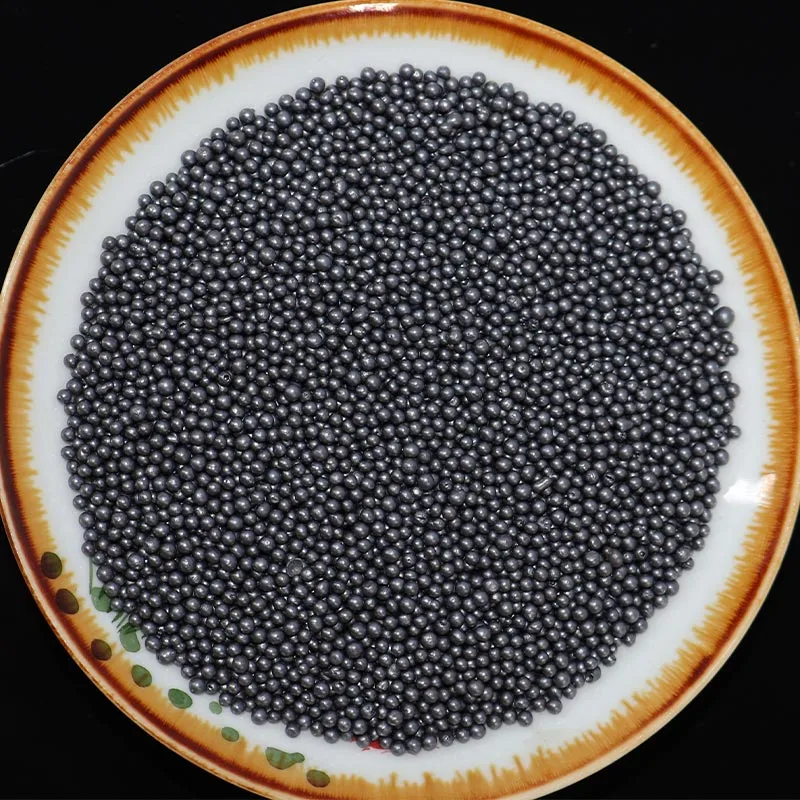
High Carbon Steel Grit
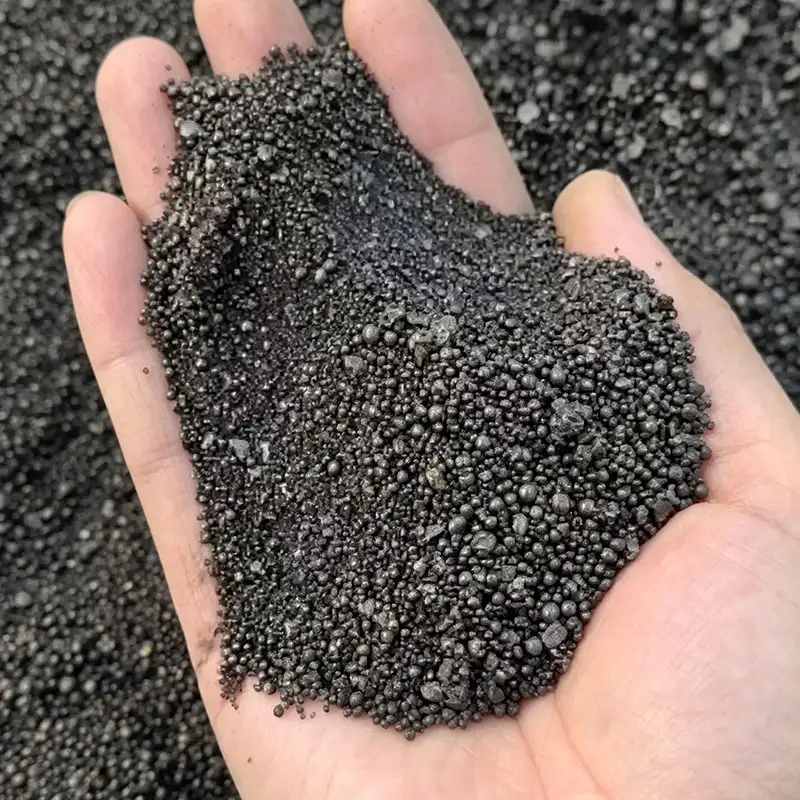
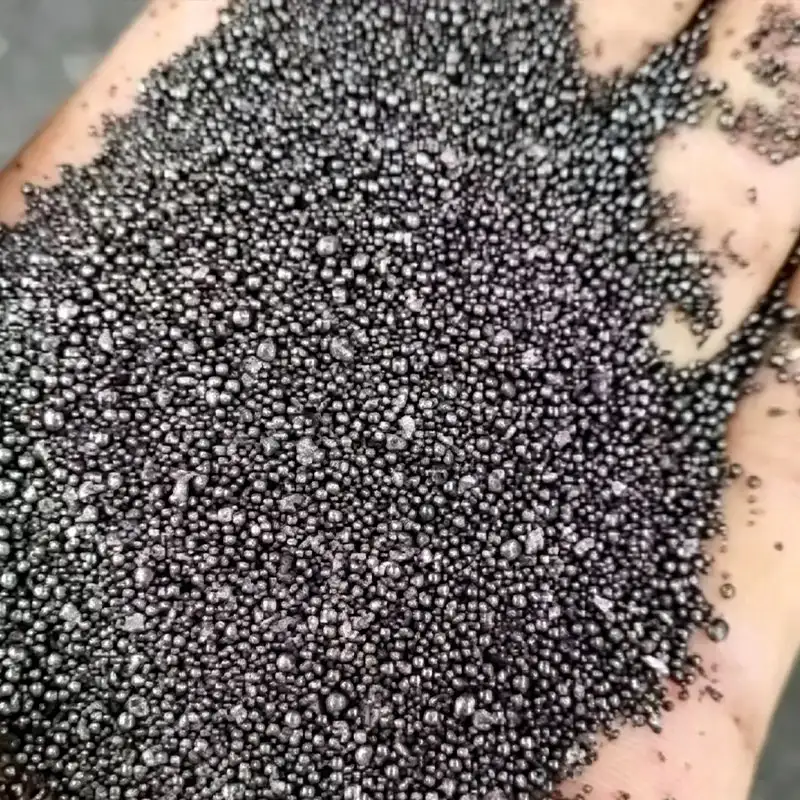
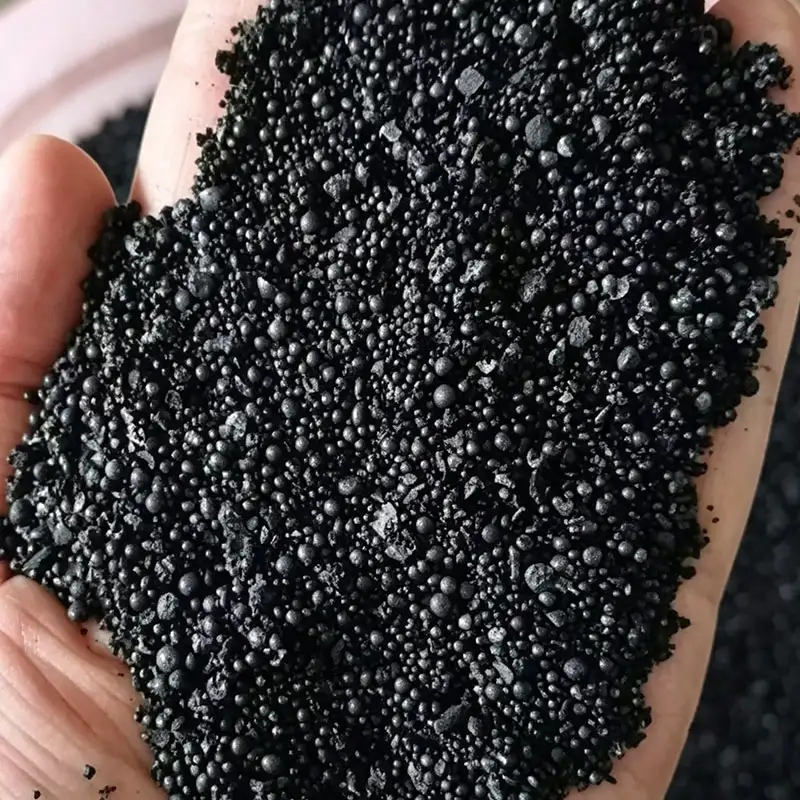
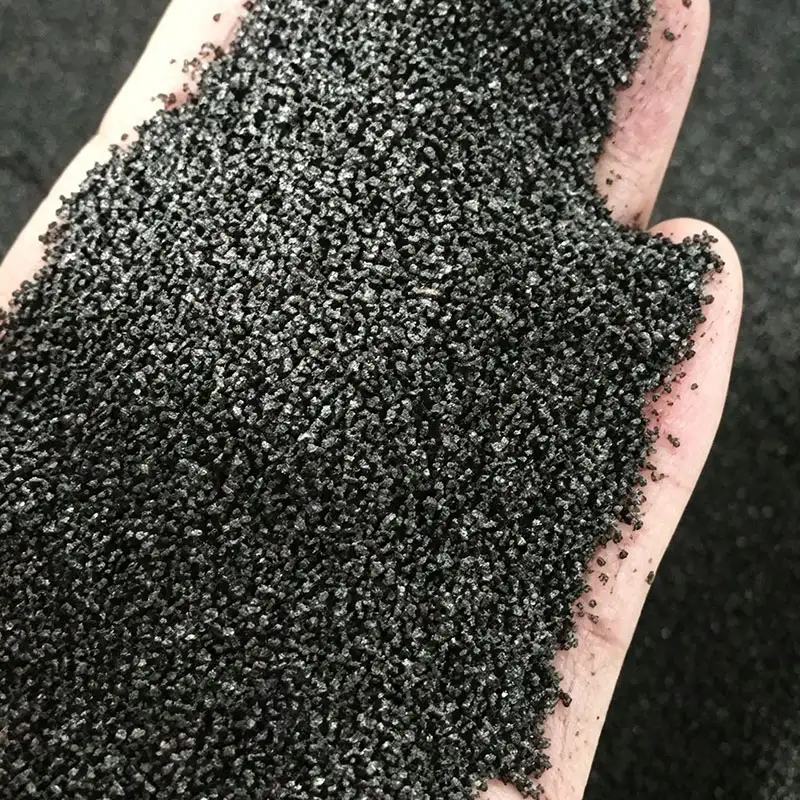
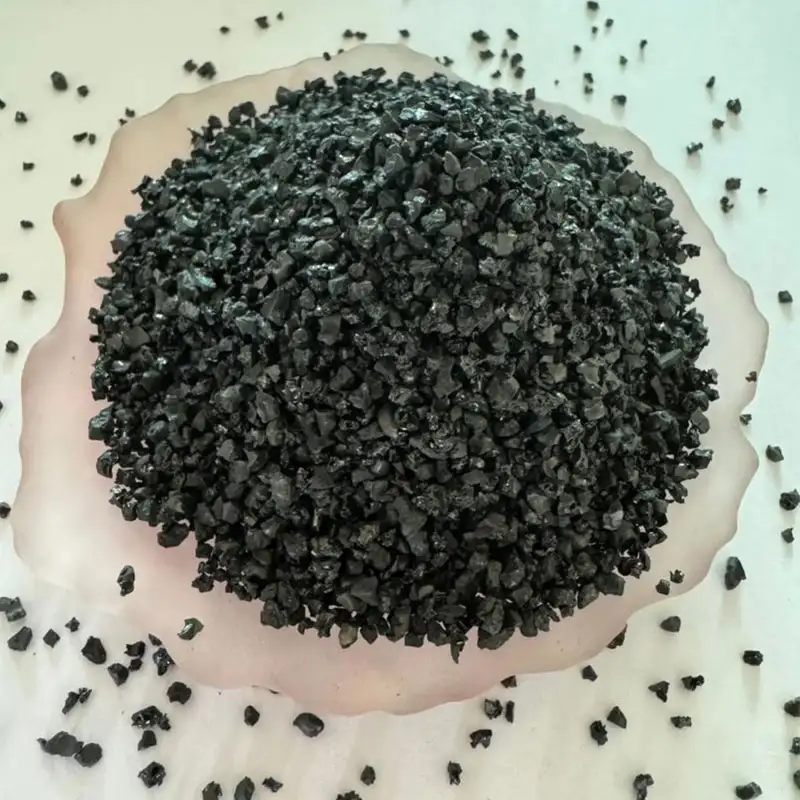
Covering general cast steel grit, special descaling grit, angular grit, standard G40 grit, wear-resistant grit, steel structure dedicated grit, bearing grit, counterweight grit and mixed shot & grit. All High Carbon Steel Grits are angular cutting abrasives focusing on rust removal, oxide scale elimination and heavy anti-corrosion anchor pattern making. Together with steel shots and wire cut shots in this document, they form a complete metal abrasive product portfolio covering all industrial surface treatment working conditions.
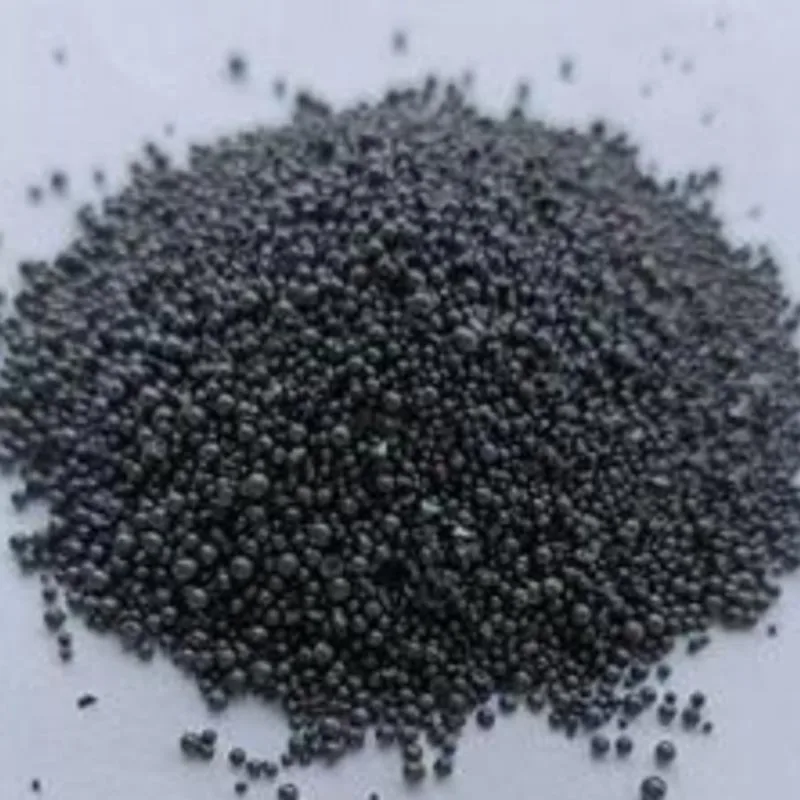
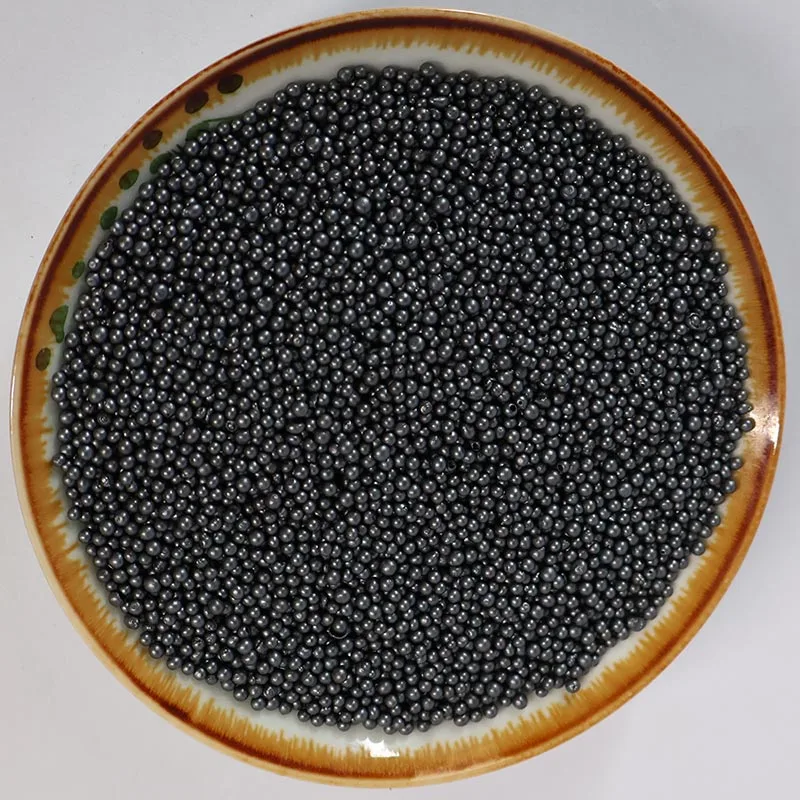
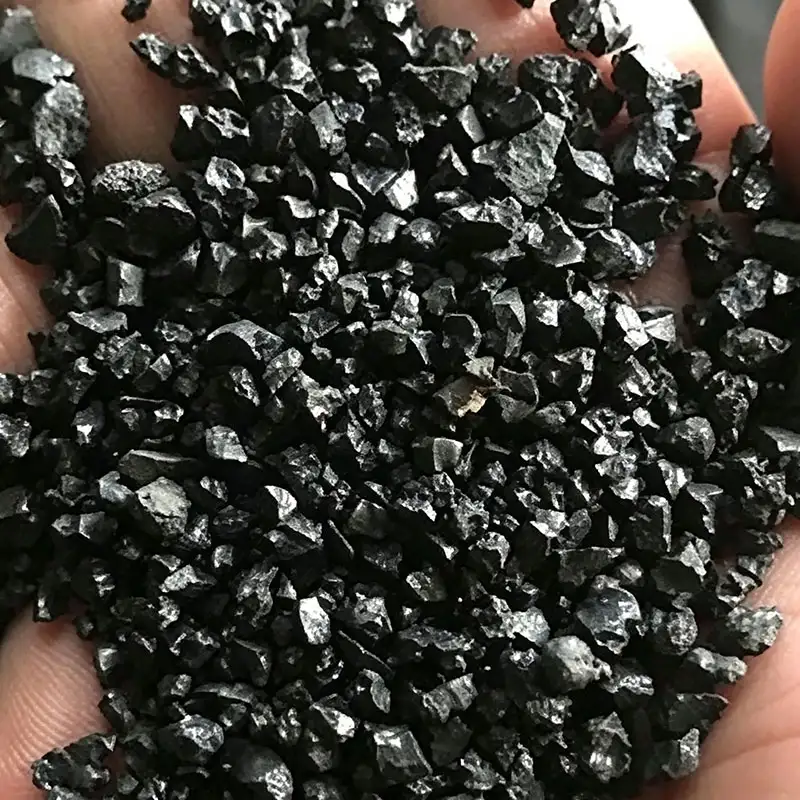
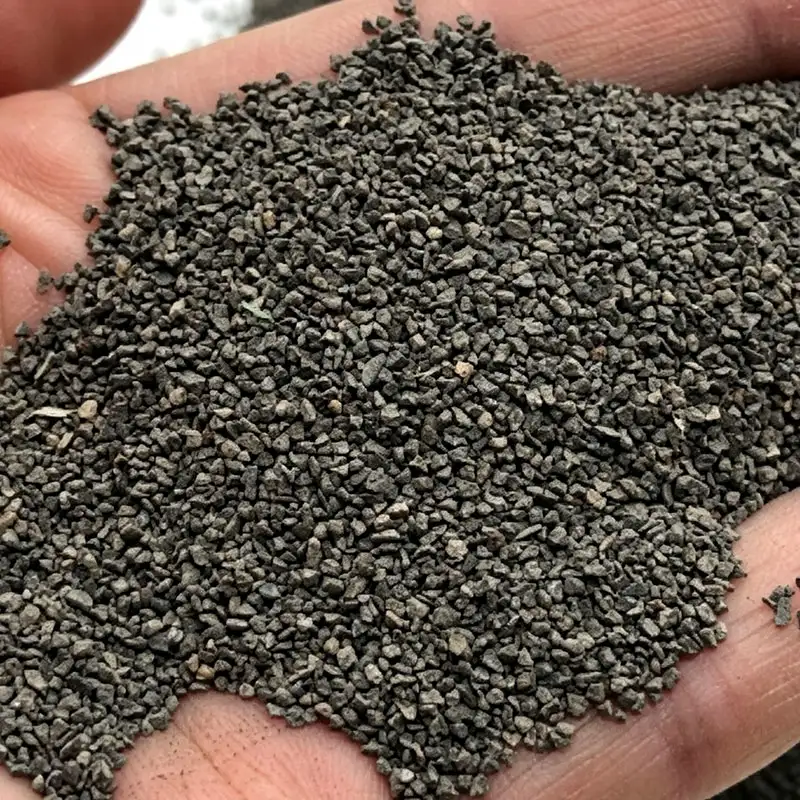
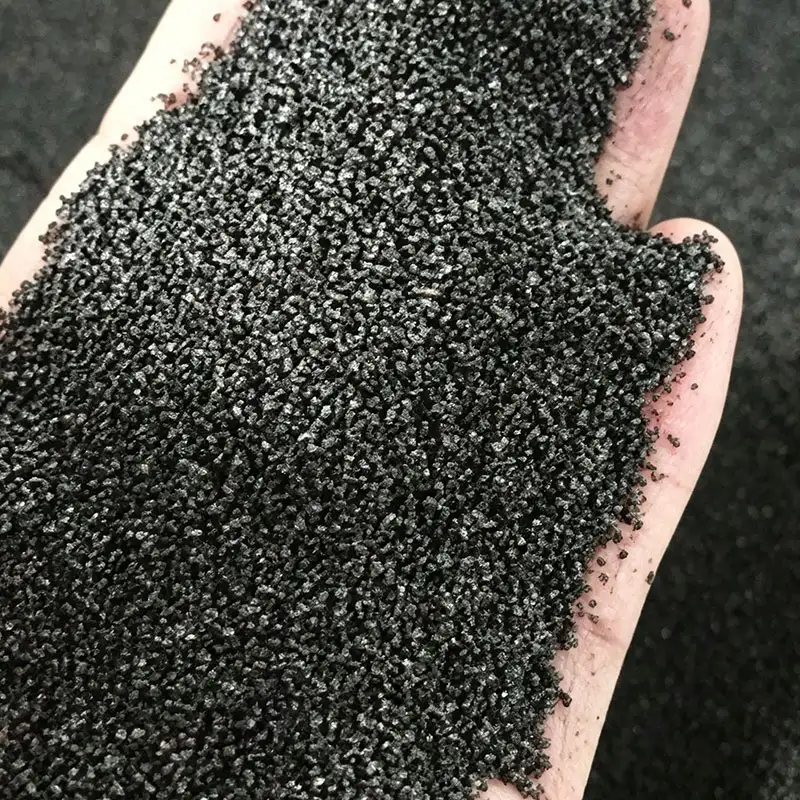
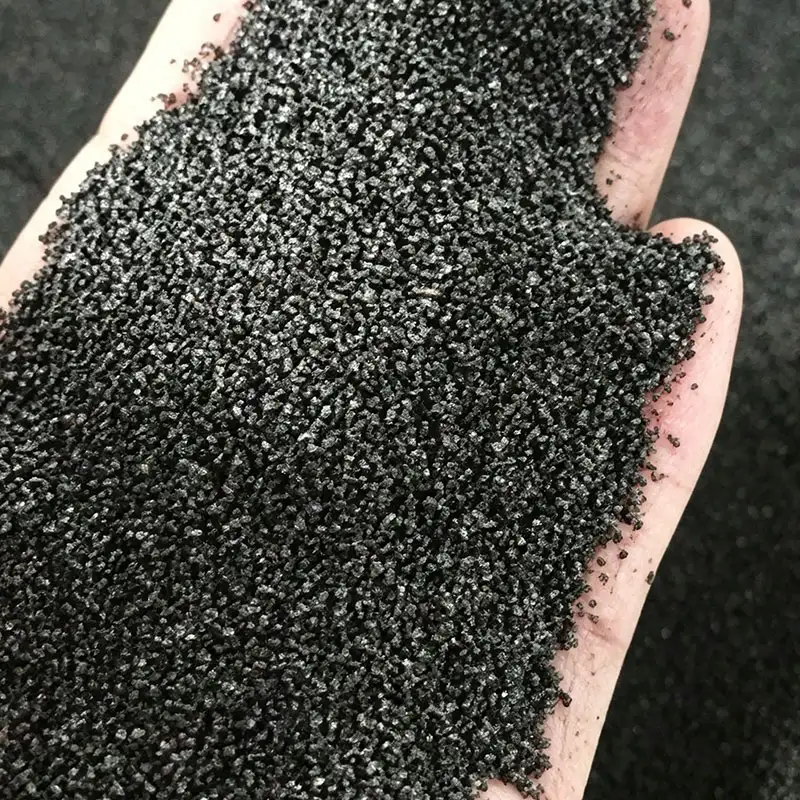
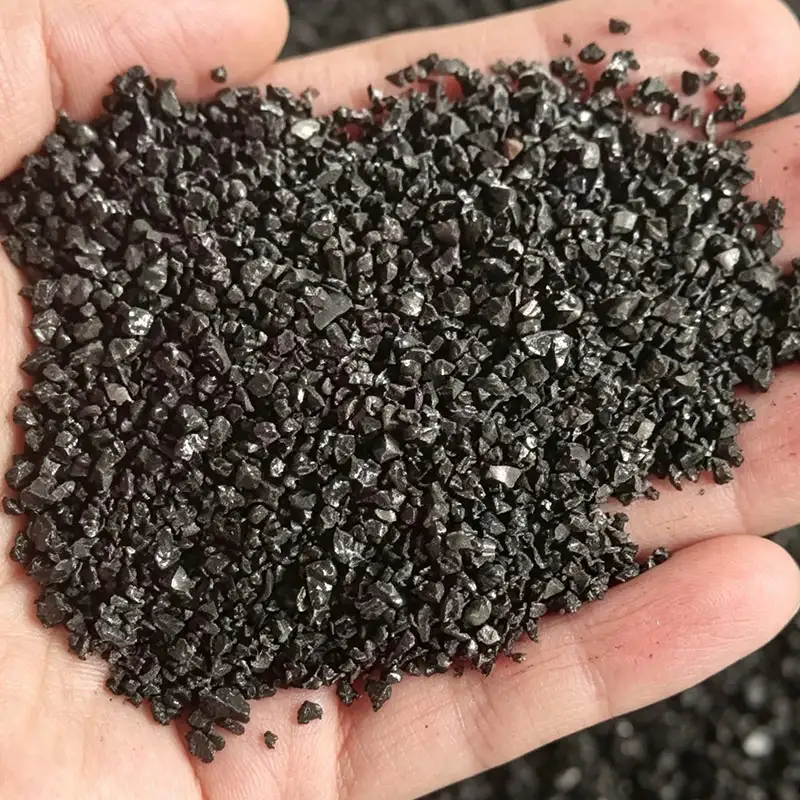
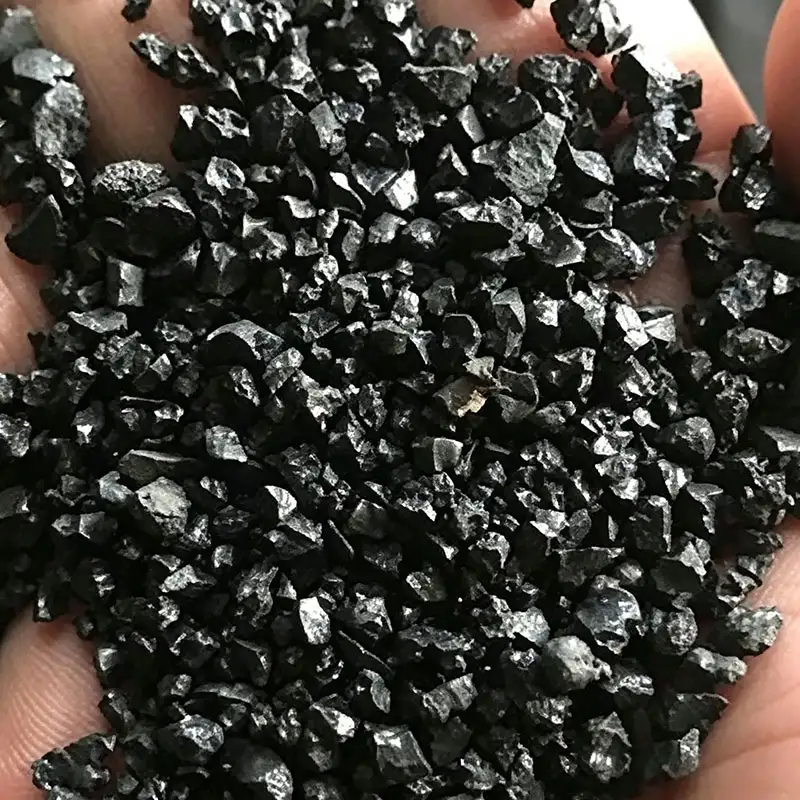
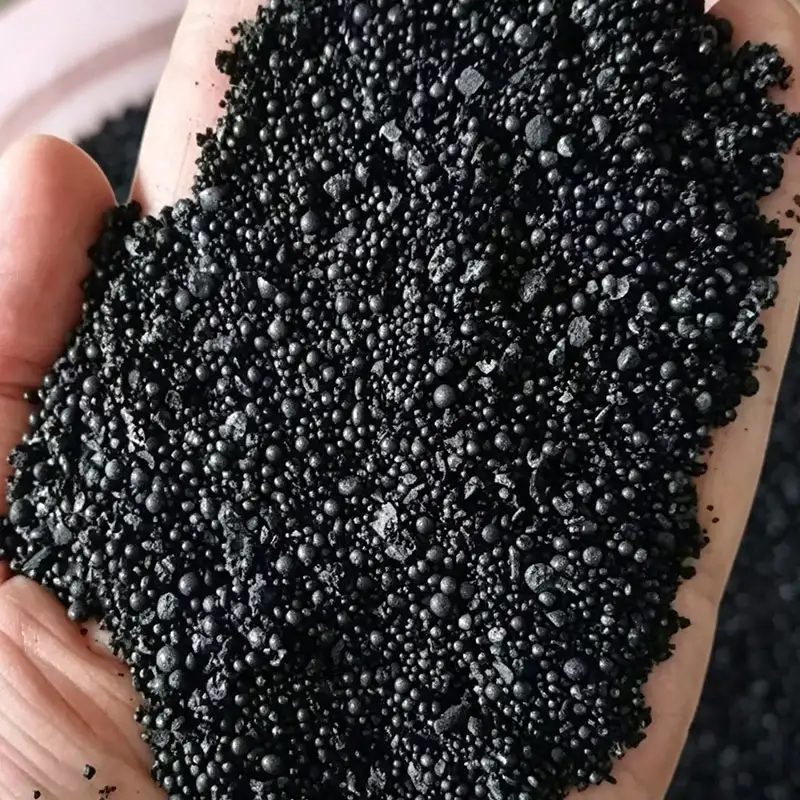
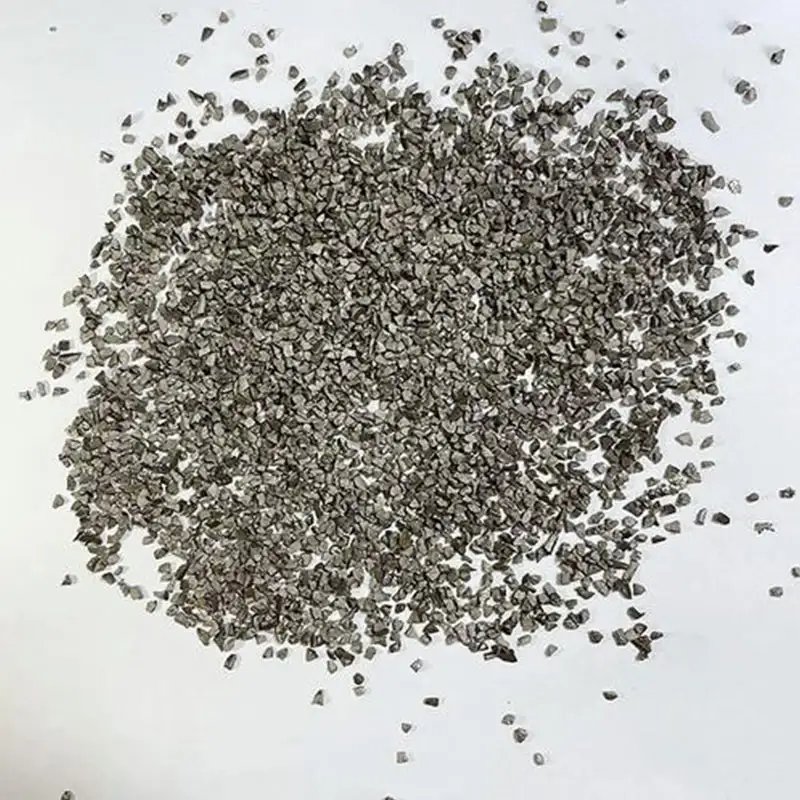
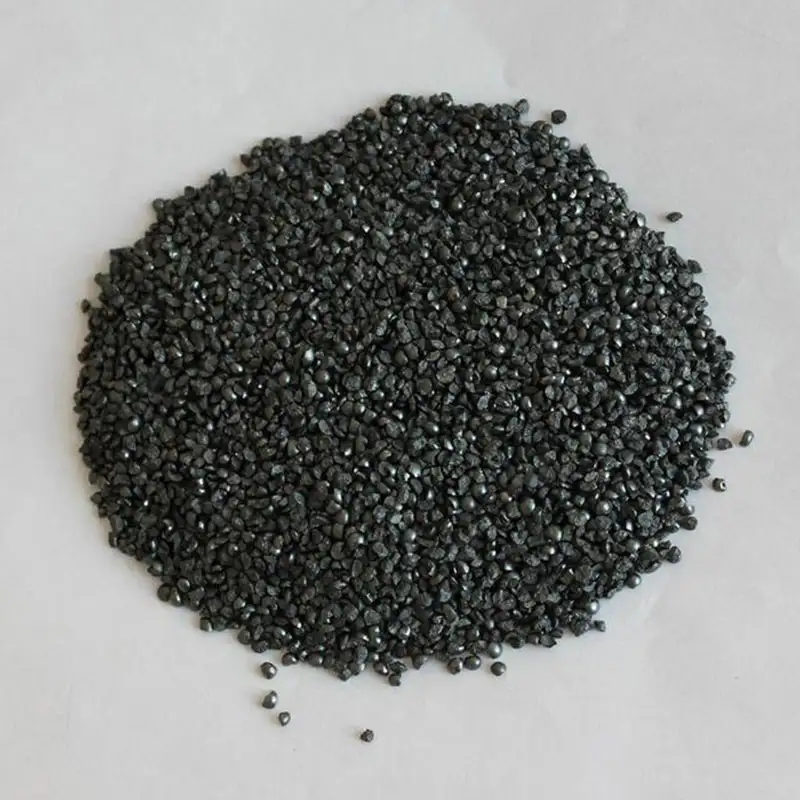
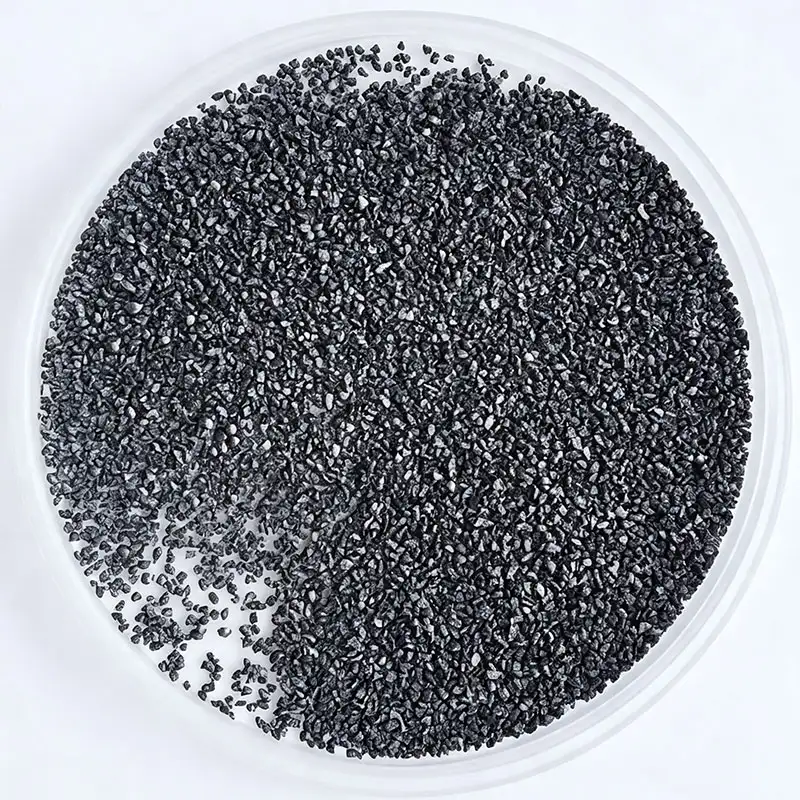
High Carbon Steel Grit is an angular metallic abrasive produced by Shandong Haishan Industrial Technology through crushing, screening, and tempering of selected steel shot. The particles have sharp, irregular edges and a controlled hardness gradient. This product is designed for aggressive surface preparation where removal of thick rust, mill scale, and welding slag is required, and where a deep anchor profile is needed before coating.
Manufacturing Process
The production starts with high carbon steel shot, which is crushed into angular particles. The crushed material is then screened into size classes and subjected to tempering to achieve the desired hardness and toughness balance. This process results in particles with multiple cutting edges that maintain their aggressiveness during repeated impacts.
Each production batch is tested for chemical composition, hardness, particle size distribution, and microstructure before release. Test methods follow applicable GB/T and SAE standards.
Technical Specifications
Chemical Composition
| Element | GP Steel Grit | GL Steel Grit | GH Steel Grit |
| C (%) | 0.85 - 1.20 | 0.85 - 1.20 | 0.85 - 1.20 |
| Mn (%) | 0.60 - 1.20 | 0.60 - 1.20 | 0.60 - 1.20 |
| Si (%) | 0.40 - 1.20 | 0.40 - 1.20 | 0.40 - 1.20 |
| S (%) | ≤0.05 | ≤0.05 | ≤0.05 |
| P (%) | ≤0.05 | ≤0.05 | ≤0.05 |
Values are typical for each grade. Actual results are verified by spectrometer on each production lot.
Hardness and Physical Properties
| Property | GP Steel Grit | GL Steel Grit | GH Steel Grit |
| Hardness (HRC) | 42 - 50 | 56 - 60 | 60 - 66 |
| Metallographic Structure | Tempered martensite | Tempered martensite | Tempered martensite |
| Density (g/cm³) | 7.4 min | ||
| Bulk Density (g/cm³) | 4.0 - 4.4 (depending on grade and size) | ||
Hardness is measured by Rockwell hardness tester on mounted samples. The GP grade is designed for general purpose cleaning, GL for medium hardness requirements, and GH for maximum cutting action on very hard or thick contaminants.
Grain Size Distribution
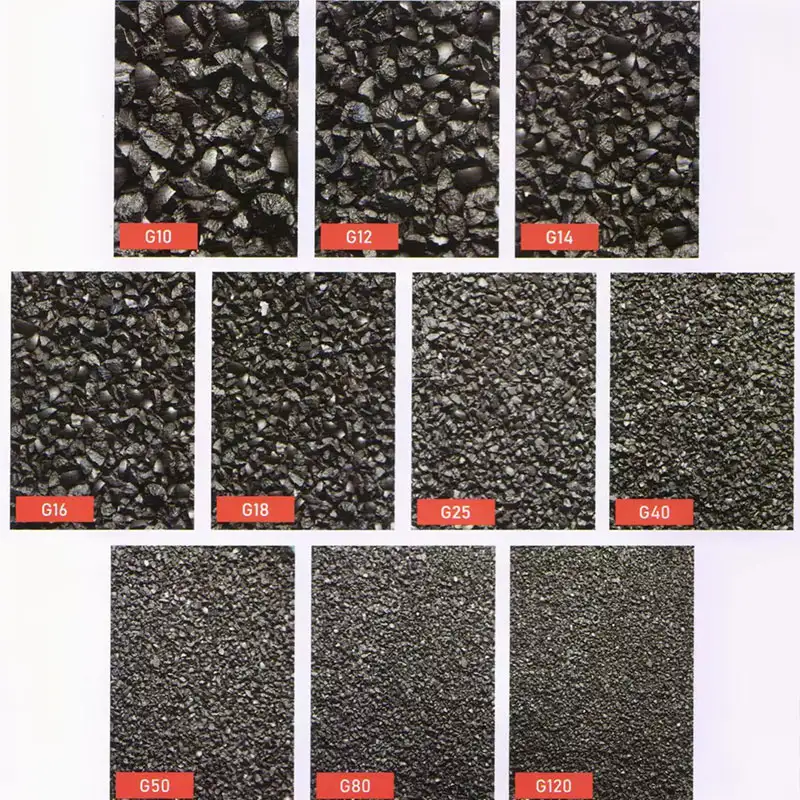
High Carbon Steel Grit is available in a range of particle sizes. The table below shows the typical sieve analysis for SG steel grit grades, with corresponding SAE designations. Please note that SG and SAE designations are not always directly interchangeable across suppliers. We recommend confirming the required particle size distribution before ordering.
| SG Grade | Approx. Size (mm) | SAE Equivalent |
| SG 14# | 2.80 | G12 |
| SG 12# | 2.36 | G10 |
| SG 10# | 2.00 | G16 |
| SG 9# | 1.70 | G18 |
| SG 8# | 1.40 | G25 |
| SG 7# | 1.18 | G40 |
| SG 6# | 1.00 | G50 |
| SG 5# | 0.85 | G80 |
| SG 4# | 0.60 | G120 |
| SG 3# | 0.50 | — |
| SG 2# | 0.425 | — |
| SG 1# | 0.355 | — |
Custom sizes outside this range can be supplied on request.
Performance Characteristics
- Aggressive cutting action: The angular shape with multiple edges removes thick rust, mill scale, and welding slag efficiently. The cutting edges are maintained through repeated cycles due to the tempered structure.
- Anchor profile creation: Steel grit produces a uniform, angular surface profile that improves coating adhesion. The resulting anchor pattern depth depends on grit size and hardness.
- Grade selection flexibility: Three hardness grades (GP, GL, GH) allow users to balance cutting speed against particle breakdown and dust generation. Higher hardness grades cut faster but may have a slightly higher fracture rate.
- Equipment compatibility: Suitable for both wheel blast machines and air blast systems. The particle size and density allow efficient projection and recycling.
Note: High Carbon Steel Grit is not recommended for thin sheet metal or precision components due to its aggressive cutting nature. It may cause excessive material removal or warping on thin sections.
Grade Selection Guide
The choice between GP, GL, and GH steel grit depends on the workpiece hardness, contaminant type, and required surface profile.
| Grade | Hardness (HRC) | Typical Application | Advantages | Considerations |
| GP | 42 - 50 | General rust and scale removal on structural steel | Balanced toughness, lower fracture rate, longer life | Slightly slower cutting than higher hardness grades |
| GL | 56 - 60 | Medium to heavy rust, mill scale, and welding slag on thick steel | Good balance of cutting speed and durability | Higher fracture rate than GP, may generate more dust |
| GH | 60 - 66 | Very thick scale, hard coatings, foundry cleaning | Maximum cutting action, fast removal | Highest fracture rate, generates more fines; may not be suitable for thin sections |
For most structural steel applications requiring Sa 2.5 cleanliness, GP or GL is sufficient. GH is reserved for severe conditions where time is critical and the substrate can tolerate aggressive treatment.
Application Scope
High Carbon Steel Grit is widely used in heavy industrial surface preparation. Typical applications include:
- Heavy corrosion protection pretreatment for steel structures before coating
- Ship hull and deck blasting for rust and old coating removal
- Foundry cleaning of castings and forgings to remove sand and scale
- Bridge and storage tank renovation projects
- Construction machinery descaling and weld slag removal
- Creating anti-slip surfaces on steel plates
Not suitable for thin sheet metal (typically below 3mm) or parts requiring precise dimensional tolerance.
Quality Assurance and Evidence
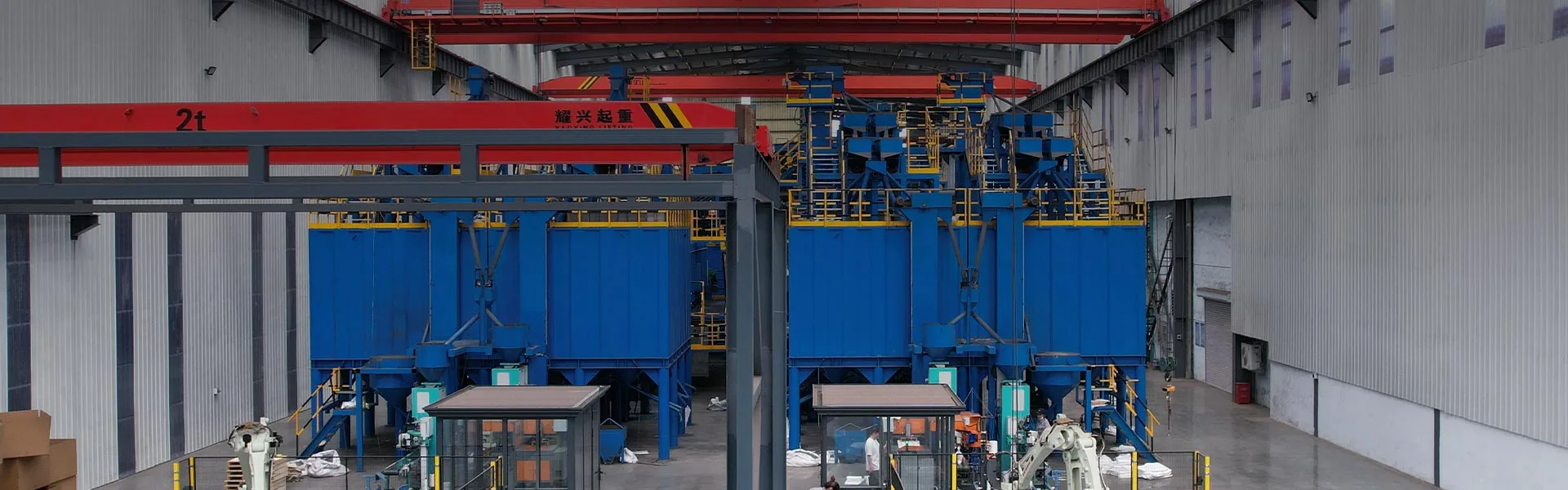
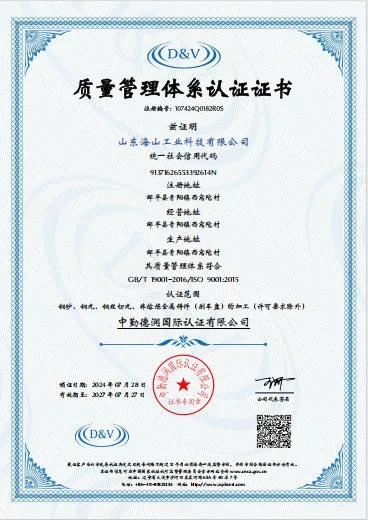
Haishan maintains a dedicated quality control laboratory equipped with a direct‑reading spectrometer, Rockwell hardness tester, metallurgical microscope, and sieve analysis equipment. Every batch is tested for chemical composition, hardness, particle size distribution, and microstructure. Test reports and certificates are available upon request, including:
- Chemical analysis certificate
- Hardness test report
- Particle size distribution chart
- Metallographic structure report
- ISO 9001:2015 certificate
We have supplied steel grit to customers in over 50 countries, and maintain traceability from raw material to final shipment.
Packaging and Logistics
Standard packaging is 25kg bags with a moisture‑resistant PE inner liner and a woven polypropylene outer bag. 1,000kg bulk bags on pallets are available for large orders. For export shipments, wooden pallets comply with applicable ISPM 15 requirements. Custom packaging and labeling can be arranged.
We maintain stock of common sizes and can arrange sea or air freight to most destinations.
Frequently Asked Questions
What is the difference between steel grit and steel shot?
Steel shot is spherical and works primarily by impact, while steel grit is angular and cuts and scrapes the surface. Grit is more aggressive for removing heavy rust and scale and creates a deeper anchor profile. Shot is often used for peening and general cleaning where a smoother surface is desired.
How does steel grit affect surface roughness?
The angular particles create a rough surface profile that improves coating adhesion. The anchor profile depth depends on grit size, hardness, blast pressure, and standoff distance. For structural steel, a surface profile of 40–75 µm is commonly achieved. This profile should match the coating system requirement. Note that Sa 2.5 is a cleanliness standard, not a roughness value. The two must be specified separately.
Which steel grit hardness should I choose?
For general rust removal on structural steel, GP (42-50 HRC) is usually sufficient and offers the longest life. GL (56-60 HRC) is better for heavier scale and faster cleaning. GH (60-66 HRC) is for very hard or thick contaminants but will break down faster. Our technical team can help you select the right grade based on your specific workpiece and requirements.
How many times can steel grit be recycled?
The recycling life depends on the grade, blast pressure, and workpiece hardness. In a properly maintained wheel blast machine, High Carbon Steel Grit can typically be recycled many times. The working mix will gradually break down and become rounded, which reduces cutting efficiency. It is recommended to monitor the mix and add new grit as needed to maintain the desired profile and cleaning speed.
Can steel grit be used on stainless steel surfaces?
No, steel grit is made from carbon steel and will leave iron residue on stainless steel, causing rust contamination. For stainless steel applications, use stainless steel cut wire shot or stainless steel grit. We offer both product types.
What documents do you provide with each shipment?
Each shipment includes a quality certificate showing chemical composition, hardness, and particle size distribution. Additional test reports and ISO certificates can be provided on request.
Related Category
Send Inquiry
Contact Info
-
Address
Qingyang Economic Development Zone, Zouping County, Shandong Province, China
-
Tel
-
Email
Send an inquiry to Haishan for quality steel shot, steel grit, cut wire shot and counterweight sand. Get factory direct wholesale price, free quotation and OEM customized solutions.
News Recommendations