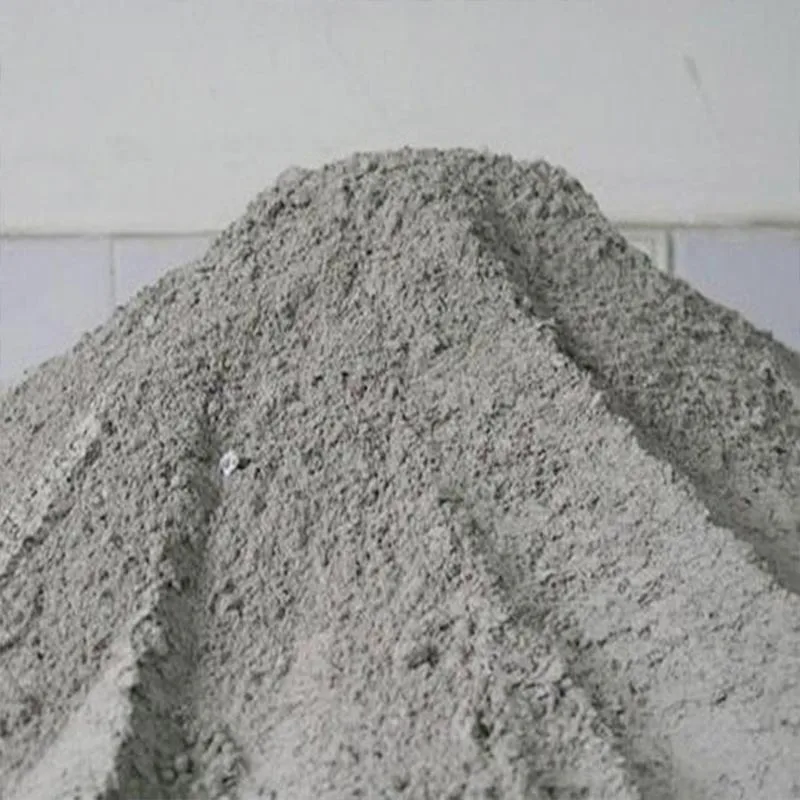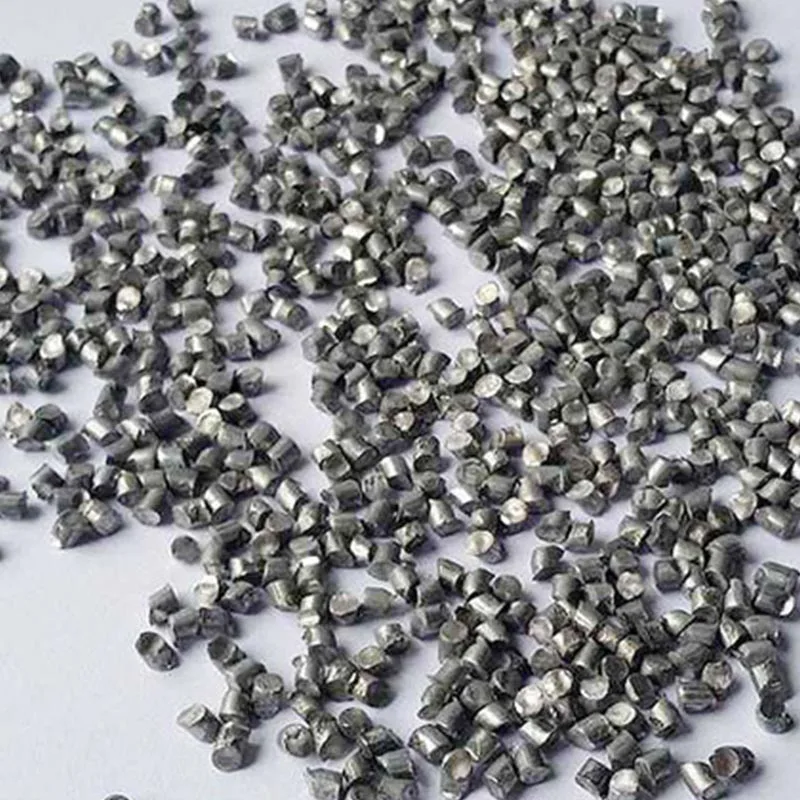
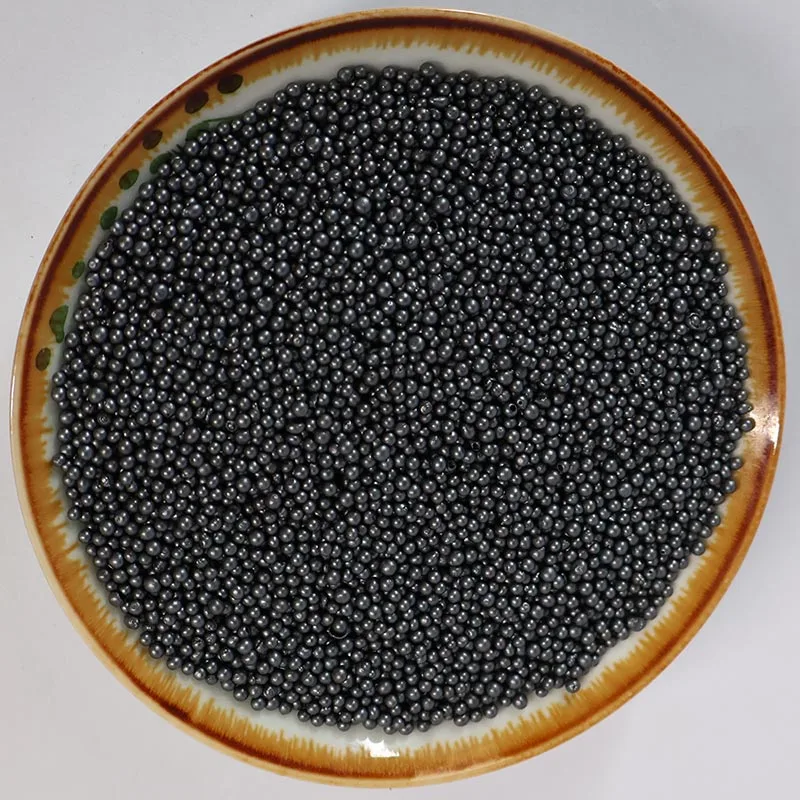
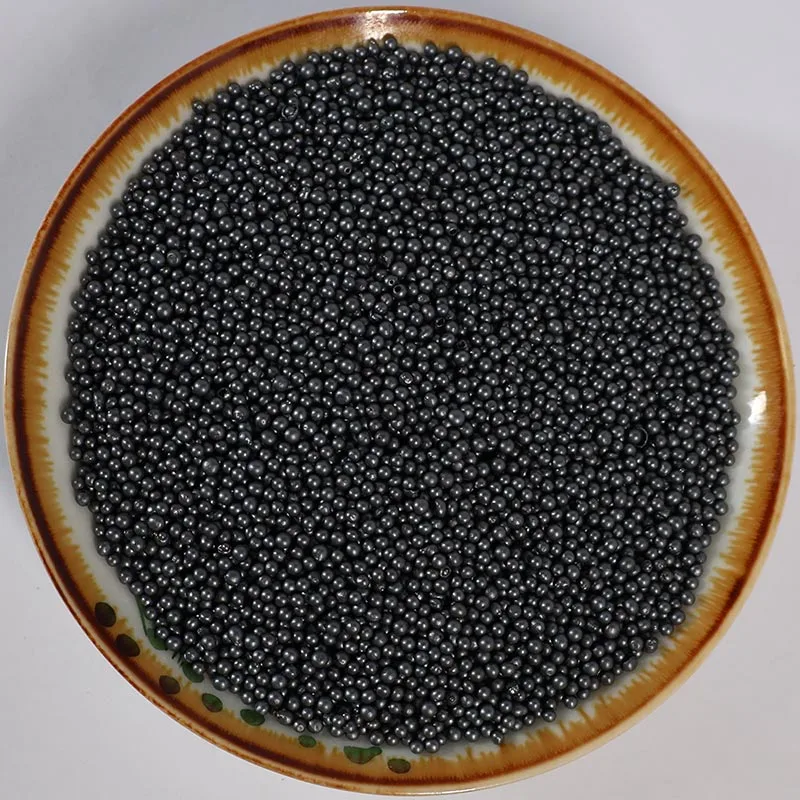
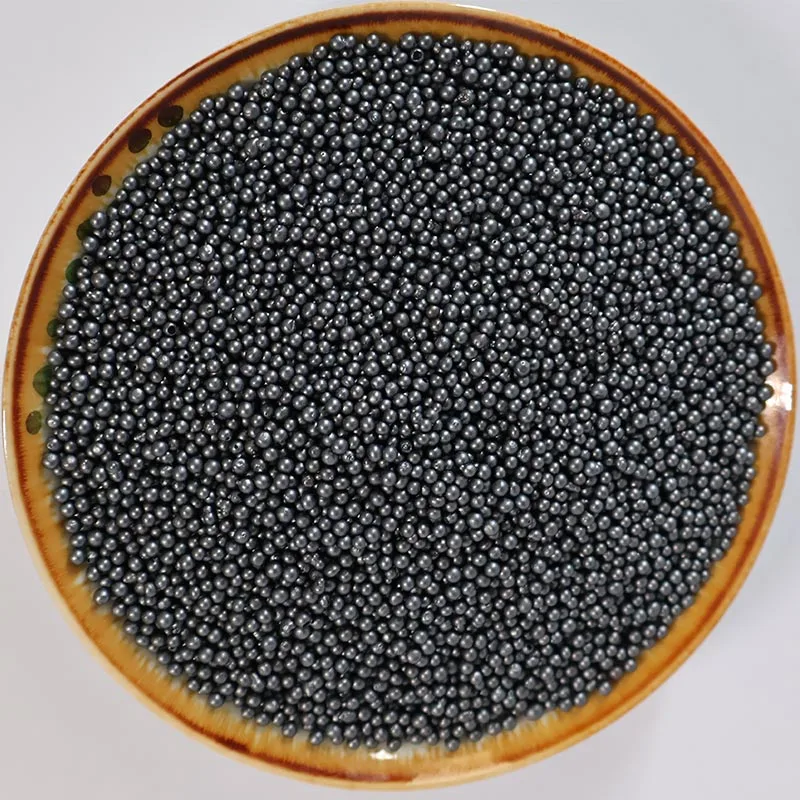
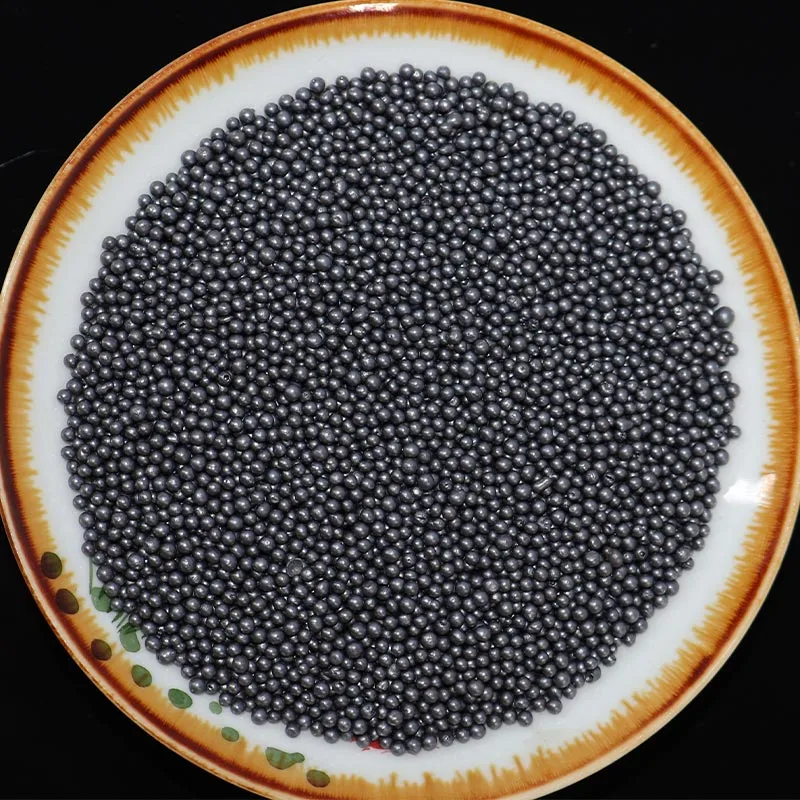
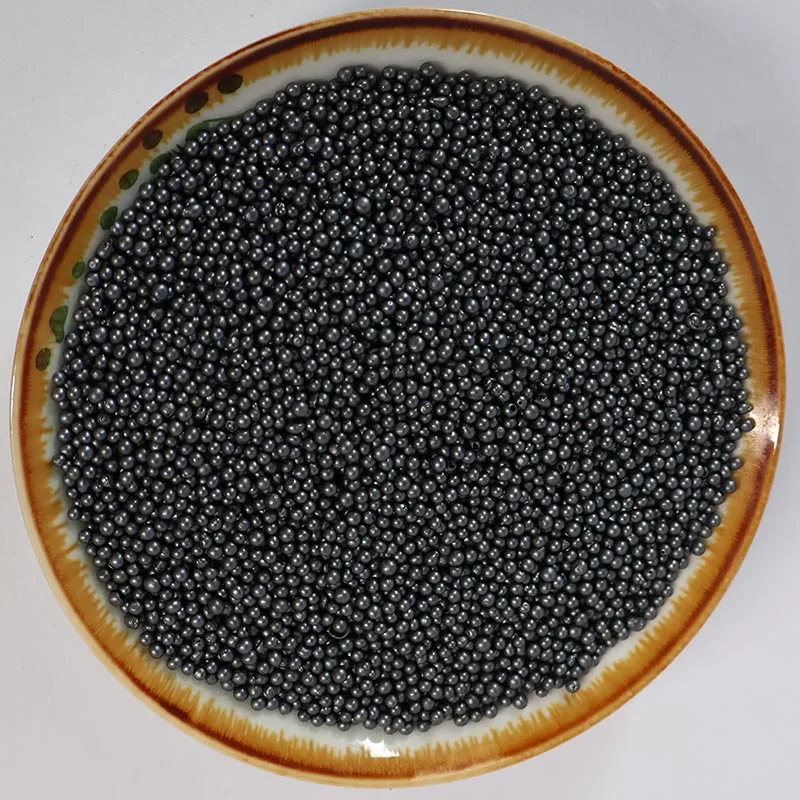
Alloy Steel Shot
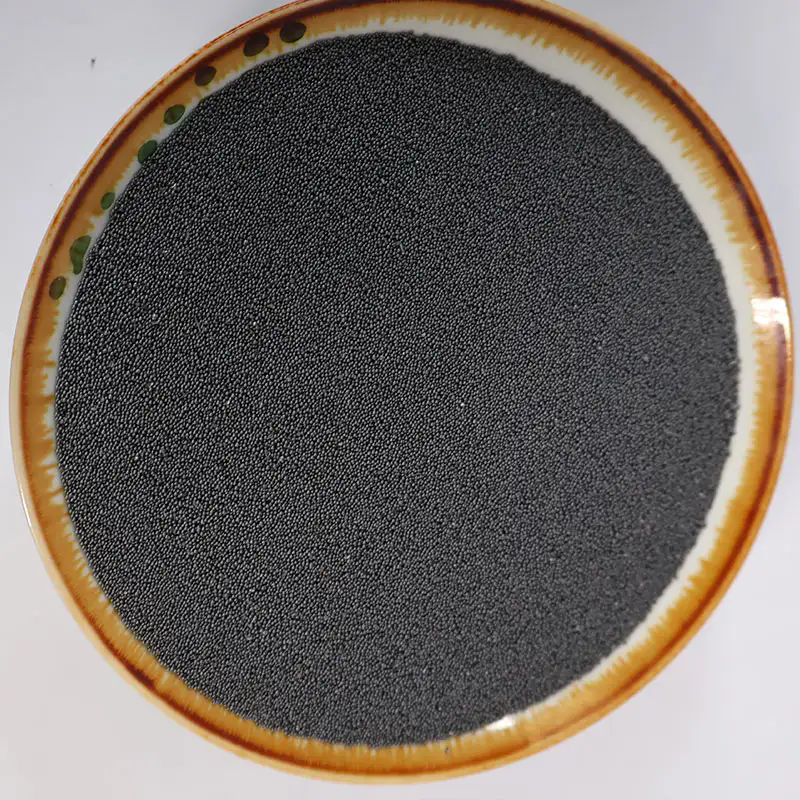
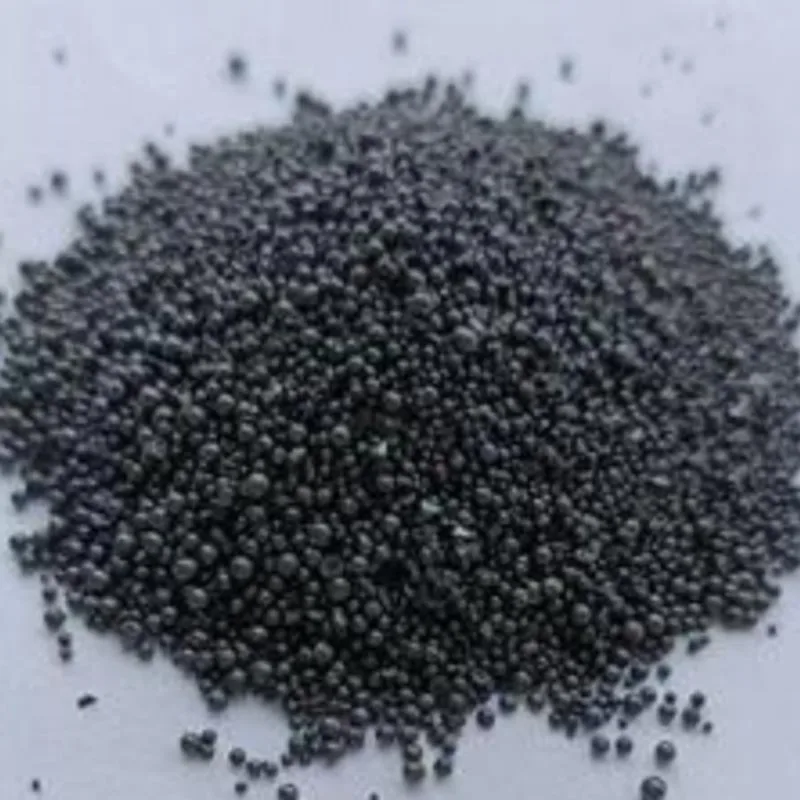
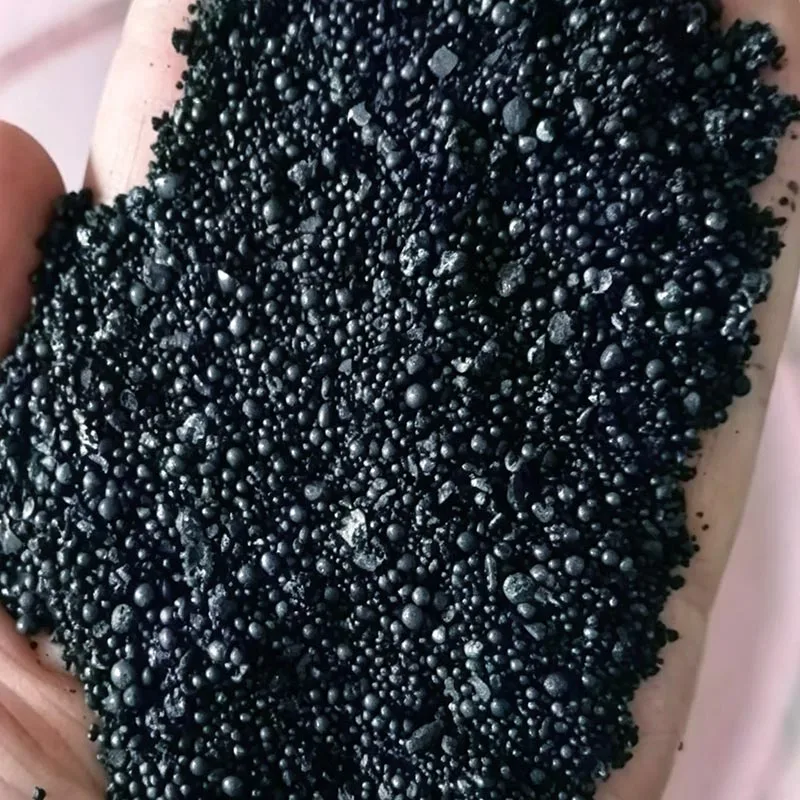
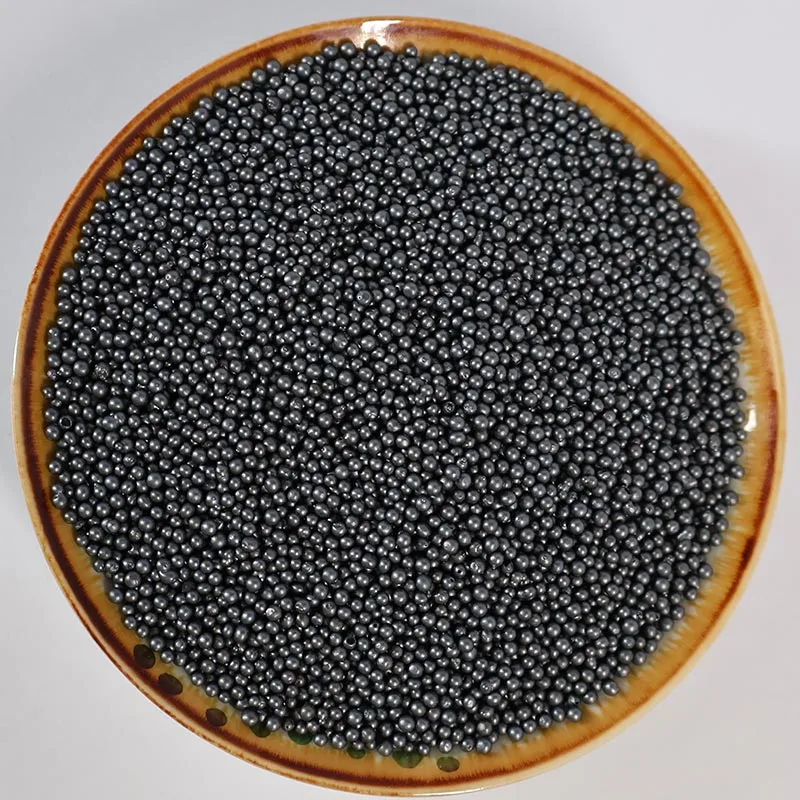
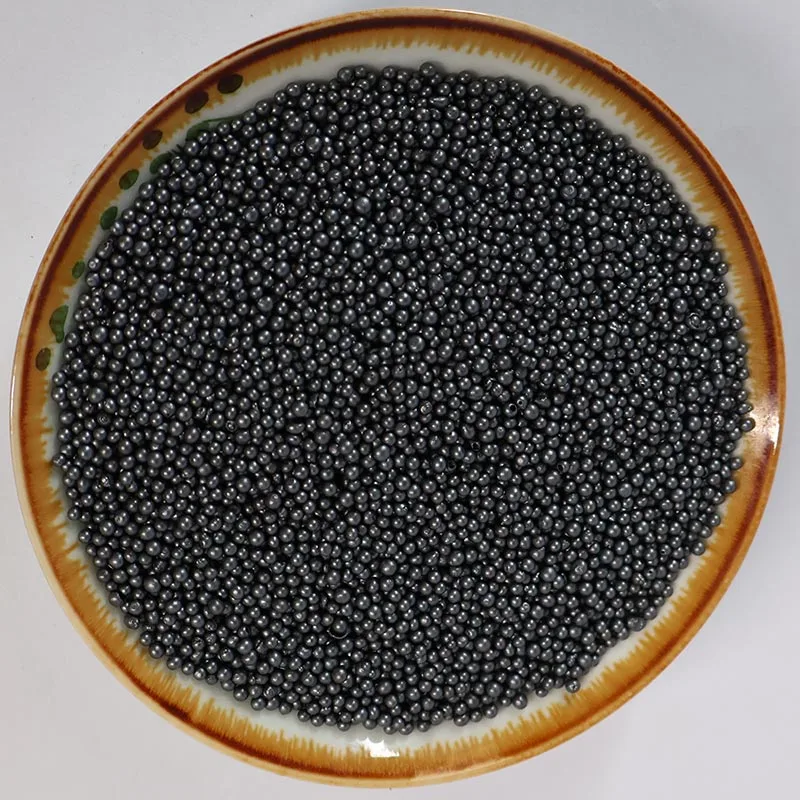
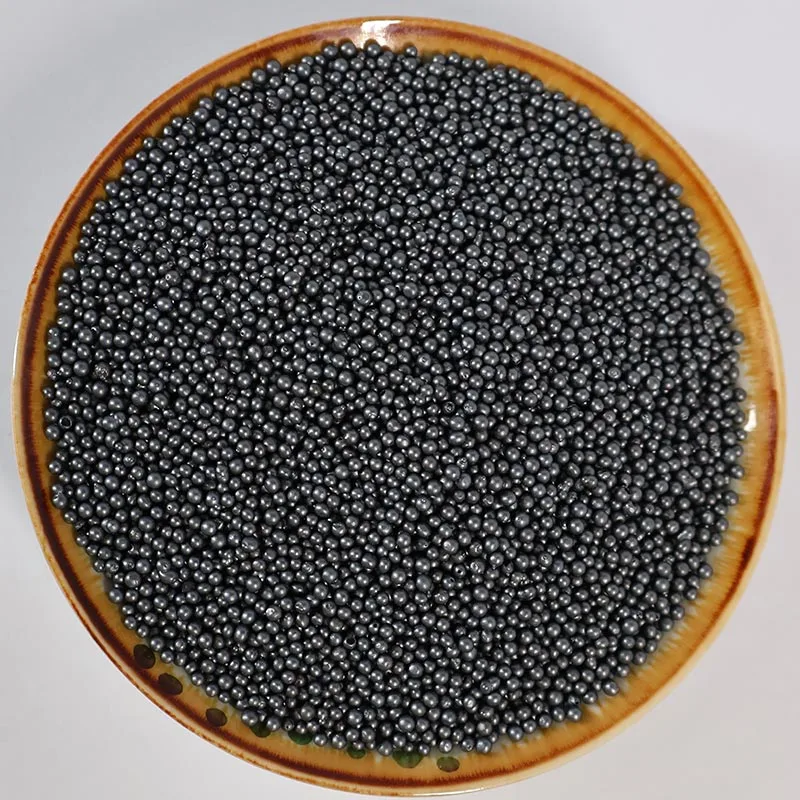
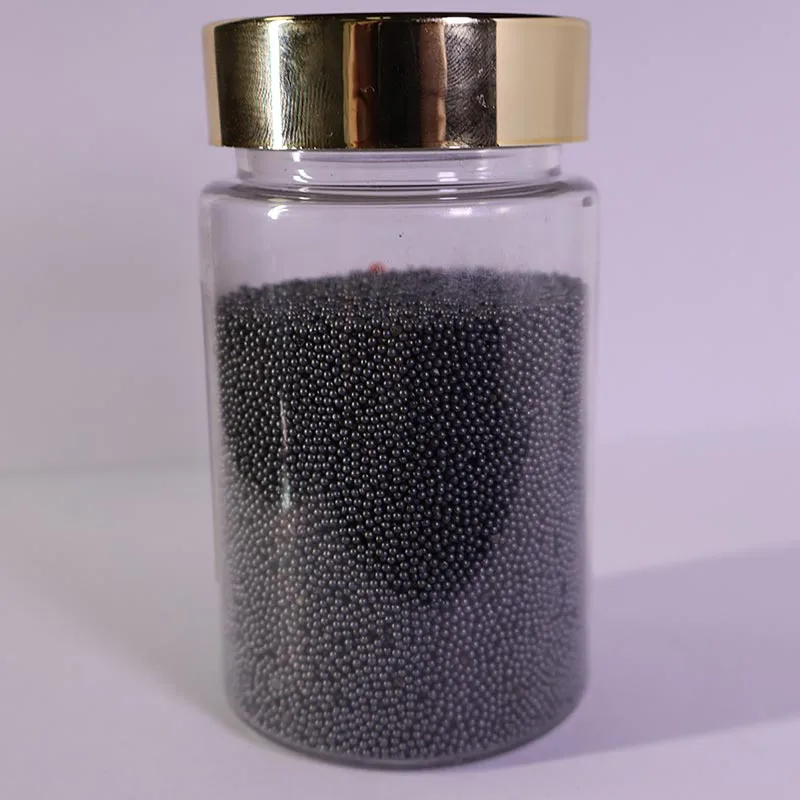
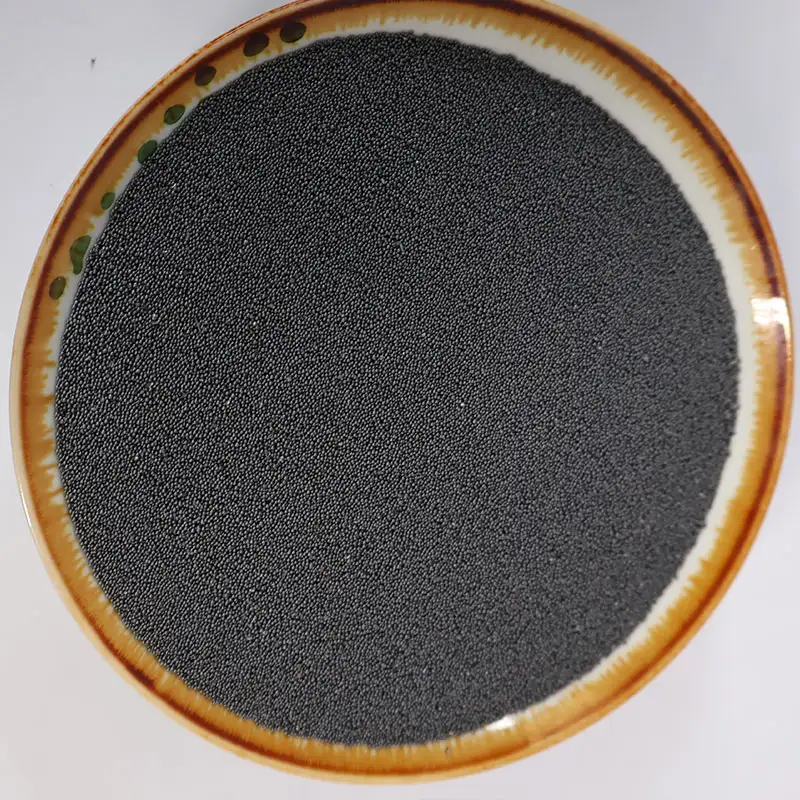
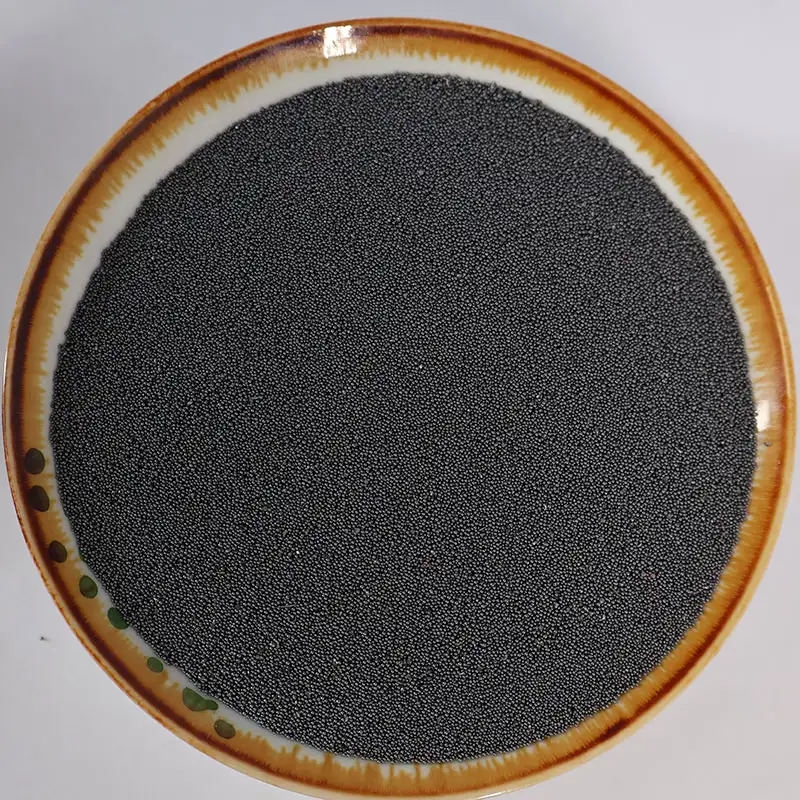
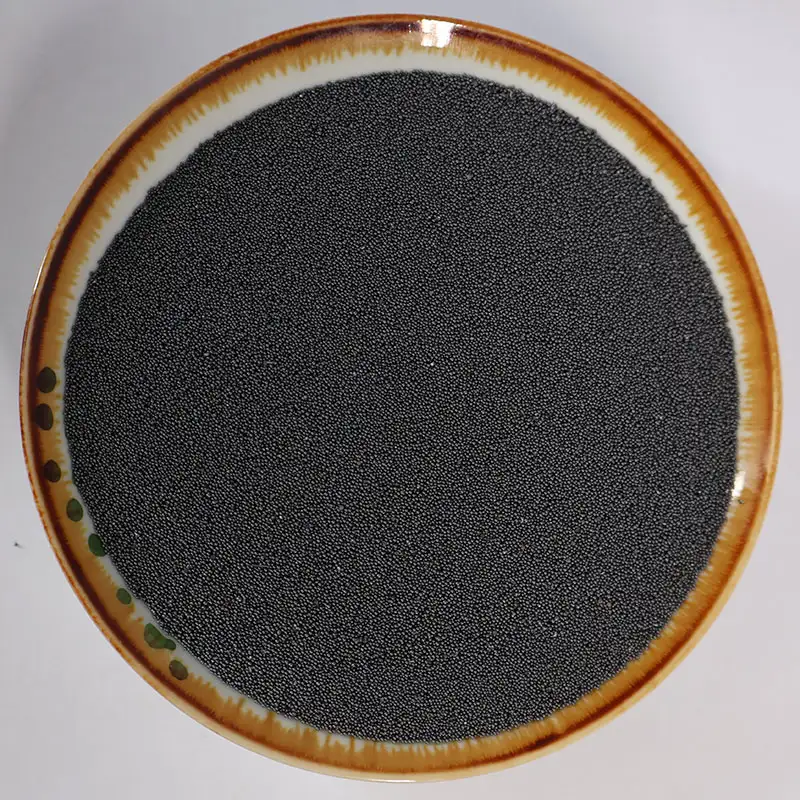
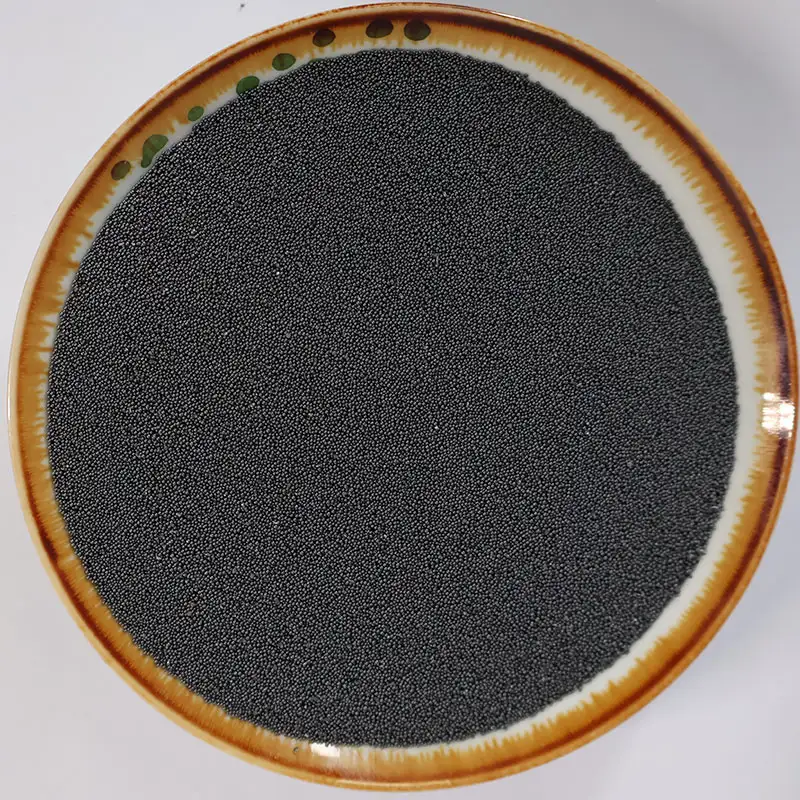
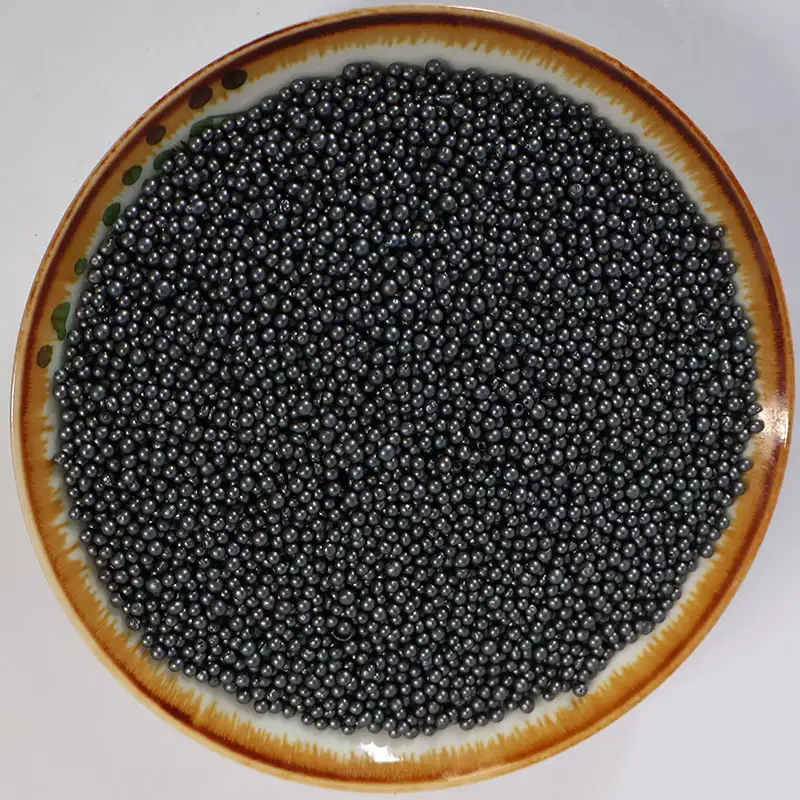
Alloy steel shot from Shandong Haishan Industrial Technology offers a reliable solution for long-term procurement in high-end strengthening applications. With ultra-high wear resistance, excellent high-temperature resistance, and an ultra-low fracture rate, it performs exceptionally well in precision shot peening and high-hardness workpiece cleaning. Long-term stocking and centralized bulk procurement are also supported for high-end factories, enabling advanced production lines to reduce costs and improve efficiency while meeting strict surface strengthening standards.
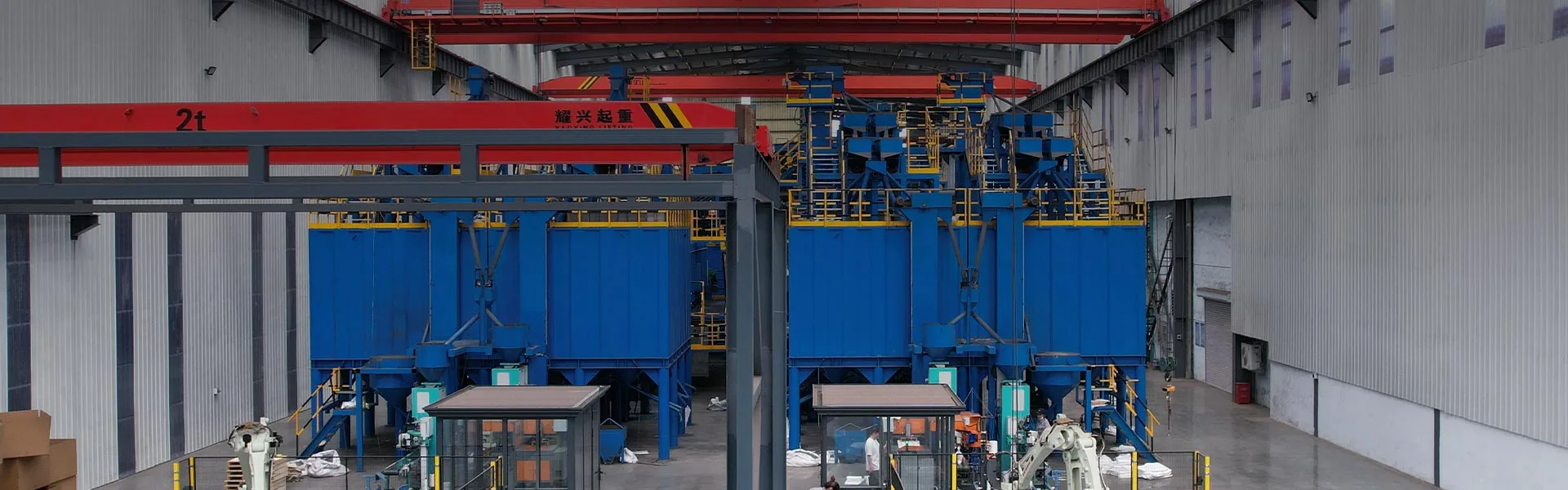
Alloy steel shot from Shandong Haishan Industrial Technology is intended for surface preparation and shot peening tasks where standard carbon steel shot wears too quickly or cannot reach the required hardness. The company has an annual production capacity of 100,000 tons and serves customers in more than 50 countries. This product is made from high carbon steel that is alloyed with chromium, molybdenum, nickel, and manganese to improve hardenability, wear resistance, and impact fatigue life. It is not a general-purpose abrasive; it is selected for high-strength parts, heavy-duty cleaning, and controlled peening operations.
Composition and Heat Treatment
The base material is high carbon steel with a controlled carbon range of 0.9% to 1.3%. Alloying elements are added during melting to refine the grain structure and improve mechanical properties. The molten steel is atomized into shot, then subjected to a multi-stage heat treatment that includes quenching and tempering. This process produces a tempered martensitic structure and a hardness range of HRC 55–65, depending on the specific grade. The heat treatment is designed to minimize internal porosity and slag inclusions, but no production process can guarantee zero defects. Batch inspection is used to verify internal soundness.
Technical Specifications
| Parameter | Typical Value |
| Material | High carbon alloy steel (Cr, Mo, Ni, Mn added) |
| Carbon Content (%) | 0.9 – 1.3 |
| Hardness (HRC) | 55 – 65 |
| Metallographic Structure | Tempered martensite |
| True Density (g/cm³) | ≥7.6 |
| Bulk Density (g/cm³) | 4.3 – 4.6 |
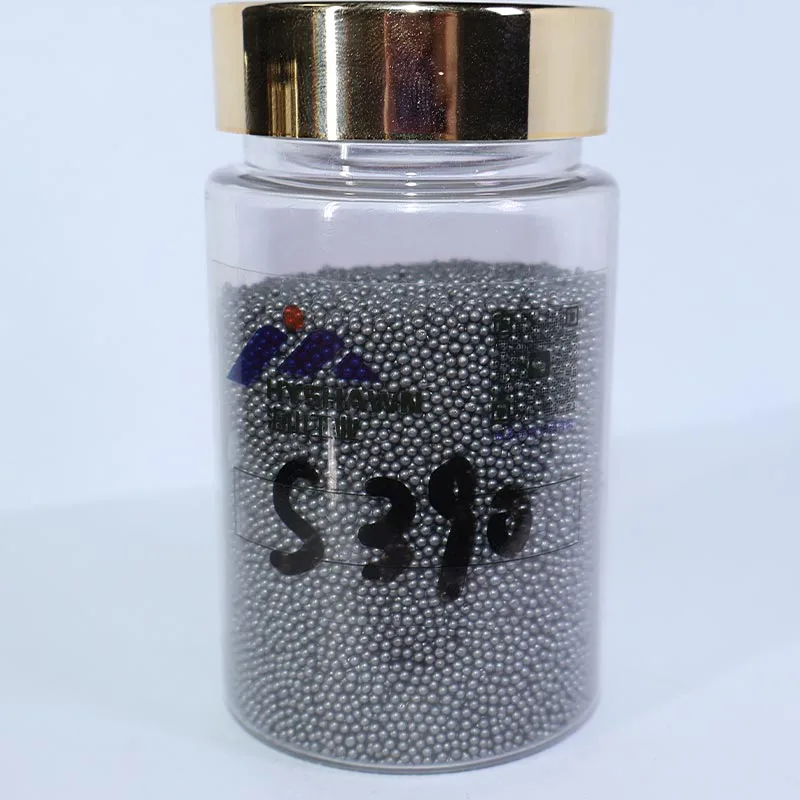
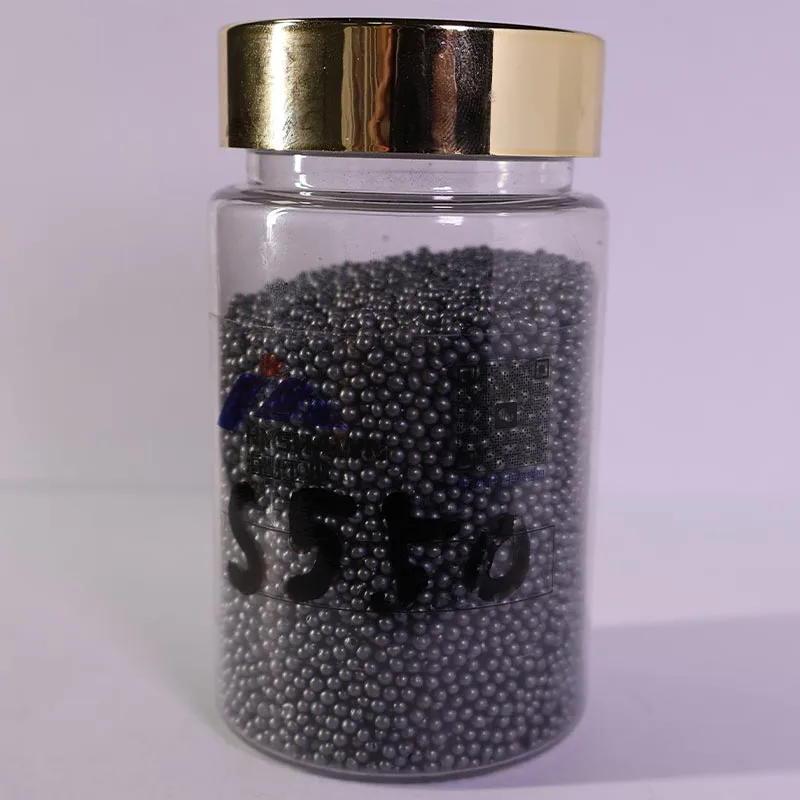
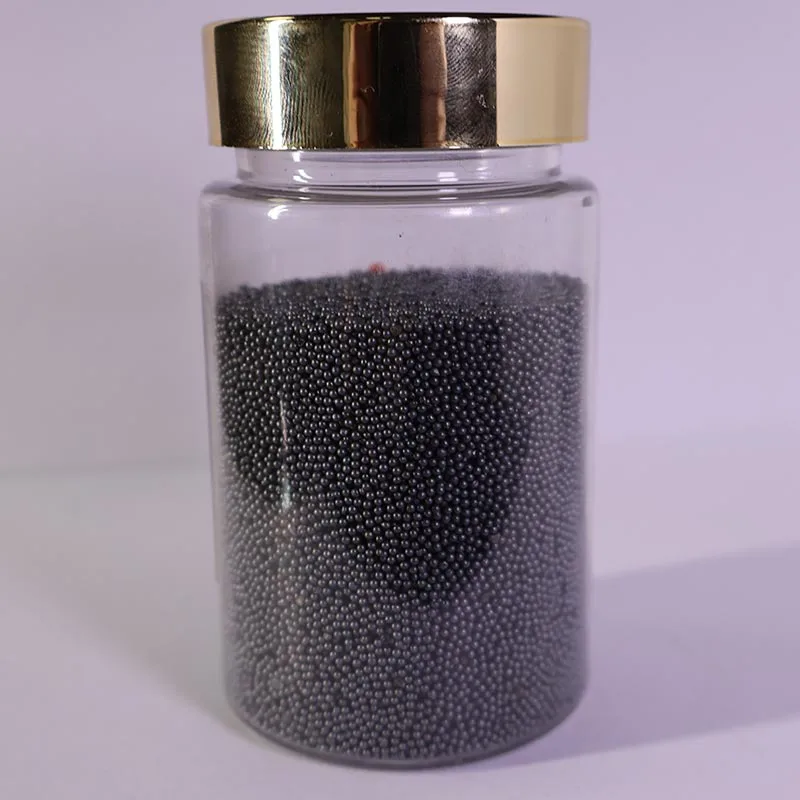
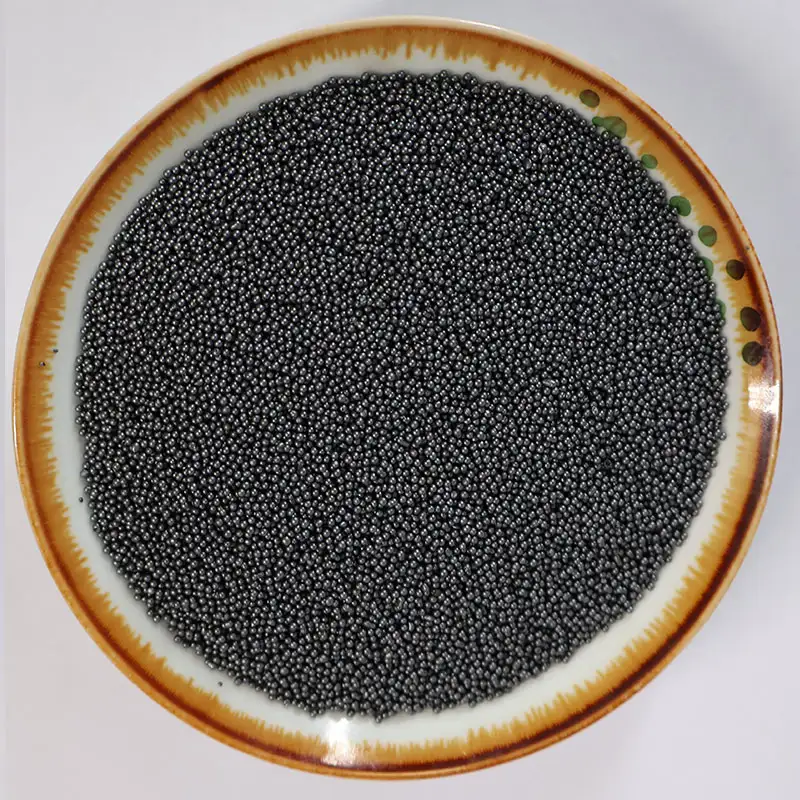
| Particle Shape | Spherical |
| Size Range | SAE S70 – S780 |
Hardness is measured with a Rockwell tester on mounted cross-sections from each heat. Chemical composition is verified by direct-reading spectrometer. Particle size distribution is checked by sieve analysis according to SAE J444. Density is determined by the alcohol displacement method.
Performance Under Load
- Wear resistance: The alloying elements and higher hardness provide better resistance to abrasive wear than standard carbon steel shot. Actual service life depends on blasting conditions, workpiece hardness, and operating pressure. Laboratory tests show improved recirculation life, but the exact number of cycles must be verified on the user's equipment.
- Impact fatigue resistance: The refined microstructure helps particles resist cracking and breaking during repeated high-speed impacts, which keeps the working mix stable for longer periods.
- Shot peening capability: The controlled hardness and spherical shape allow this product to be used in shot peening processes where a specific intensity is required. However, the peening process must be qualified according to the relevant specification for each part.
- Hardness retention at elevated temperatures: The alloy composition and heat treatment help maintain hardness at the temperatures commonly reached in continuous blasting machines. This reduces the rate of hardness loss during long runs.
- Lower particle breakage: The tougher particles break down more slowly than standard steel shot, which reduces fine dust generation. Dust levels still depend on the workpiece condition and dust collection system.
Where Is Used
This product is intended for applications that require higher hardness, longer abrasive life, or more consistent peening intensity than standard carbon steel shot. Typical uses include:
- Shot peening of gears, springs, and transmission components
- Cleaning of quenched and tempered steel parts
- Removal of hard oxide scale from high-strength steel
- Surface preparation of pressure vessels and high-pressure pipe
- Blasting of marine steel structures where corrosion resistance matters
It is not recommended for general rust removal on ordinary carbon steel, where a standard steel shot or steel grit is more economical. For aluminum alloy parts, special care must be taken because hard steel shot can cause surface contamination and excessive roughness. Stainless steel shot or non-metallic media are often preferred for non-ferrous applications.
Selection Guide: Alloy Steel Shot vs Carbon Steel Shot
| Abrasive Type | Hardness (HRC) | Wear Resistance | Typical Application |
| Standard Carbon Steel Shot | 40 – 50 | Moderate | General cleaning, light peening, structural steel |
| Alloy Steel Shot | 55 – 65 | High | High-strength parts, heavy-duty cleaning, shot peening |
| Steel Grit | 42 – 66 | Variable | Heavy rust and scale removal, deep profile |
For operations where abrasive life and process consistency are more important than initial cost, alloy steel shot may provide a lower total cost of ownership. For simple rust removal on low-strength steel, carbon steel shot is often sufficient.
Quality Control and Documentation
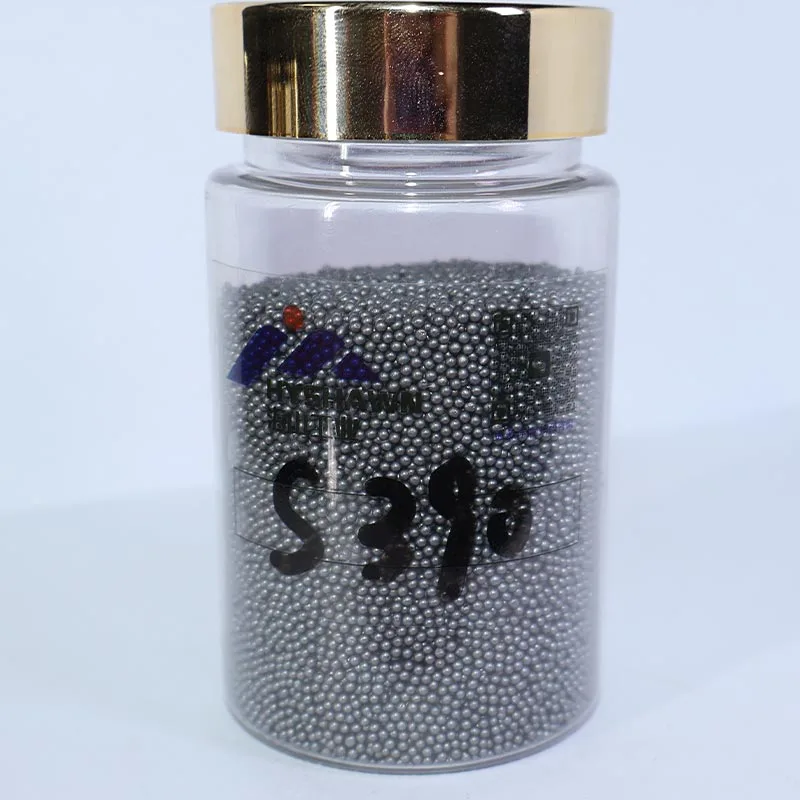
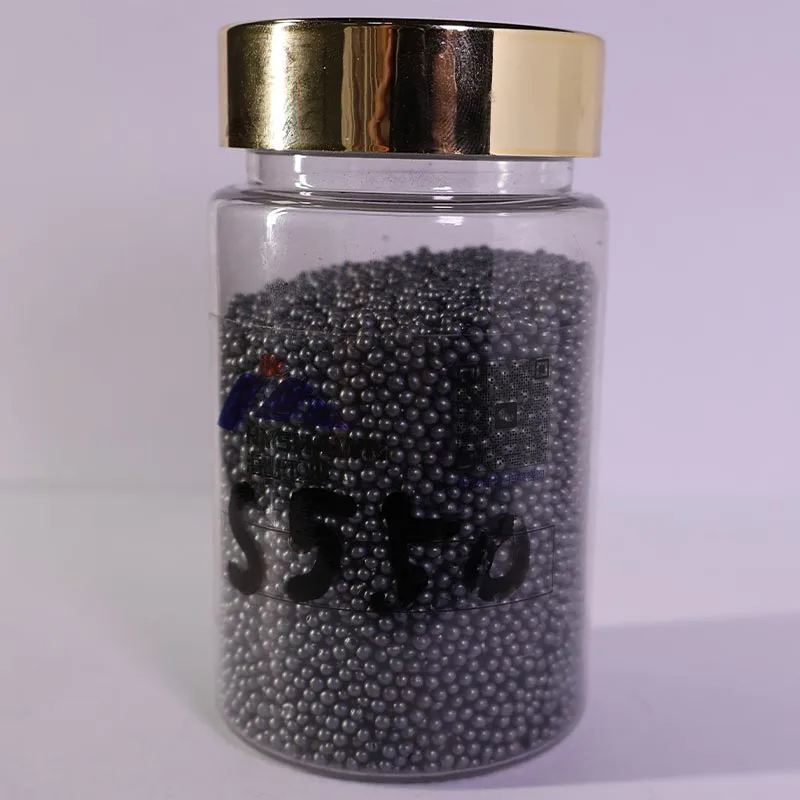
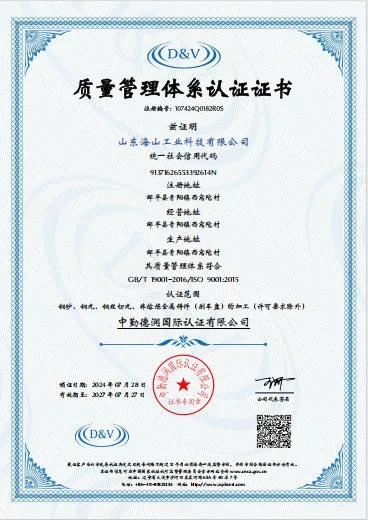
Every production batch is sampled for chemical composition, hardness, and particle size distribution. The laboratory is equipped with a direct-reading spectrometer, Rockwell hardness tester, and sieve shaker. Metallographic examination is performed on selected samples to verify internal soundness. Certificates of analysis and test reports are supplied with each shipment. Additional documents, including ISO 9001:2015 certification and density measurements, are available on request. Batch traceability is maintained from raw material to final shipment.
Packaging and Storage
Standard packaging is 25 kg bags with a moisture-resistant PE inner liner inside a woven polypropylene outer bag. 1,000 kg bulk bags on pallets are available for large orders. For export, pallets are prepared to meet ISPM 15 requirements. Store in a dry, covered area, and keep bags off the ground to prevent moisture absorption.
Common Questions
What makes alloy steel shot different from standard carbon steel shot?
Alloy steel shot contains added chromium, molybdenum, nickel, and manganese, which improve hardenability and wear resistance. It is supplied at a higher hardness (HRC 55–65) and is intended for applications where standard shot wears too quickly or cannot achieve the required peening intensity.
Can this shot be used for shot peening?
Yes, it can be used in shot peening when the hardness and size are within the specified range for the part. However, every peening process must be qualified separately. The high hardness may produce higher intensity than standard shot, so process parameters must be validated.
How long does alloy steel shot last compared with carbon steel shot?
In controlled tests, alloy steel shot typically outlasts standard carbon steel shot by a significant margin, but the exact improvement depends on blasting conditions, workpiece hardness, and the definition of service life. We recommend running a trial to measure consumption on your own equipment.
Can alloy steel shot be used on aluminum alloy parts?
It is not recommended for aluminum alloys unless the process has been specifically validated. Hard steel shot can cause surface contamination and excessive roughness on soft metals. Stainless steel shot or non-metallic media are usually safer choices.
What hardness should I choose for cleaning high-strength steel?
For high-strength or quenched steel parts, a hardness of HRC 55–60 is often effective. If the workpiece itself is very hard (above HRC 45), a higher shot hardness may be needed to avoid rapid abrasive wear. Our technical team can recommend a specific grade after reviewing your part hardness and surface requirement.
Does the product contain nickel or molybdenum?
Yes, the alloy includes nickel and molybdenum in controlled amounts to improve toughness and high-temperature hardness stability. The exact composition is provided in the batch chemical analysis report.
Particle Size Distribution
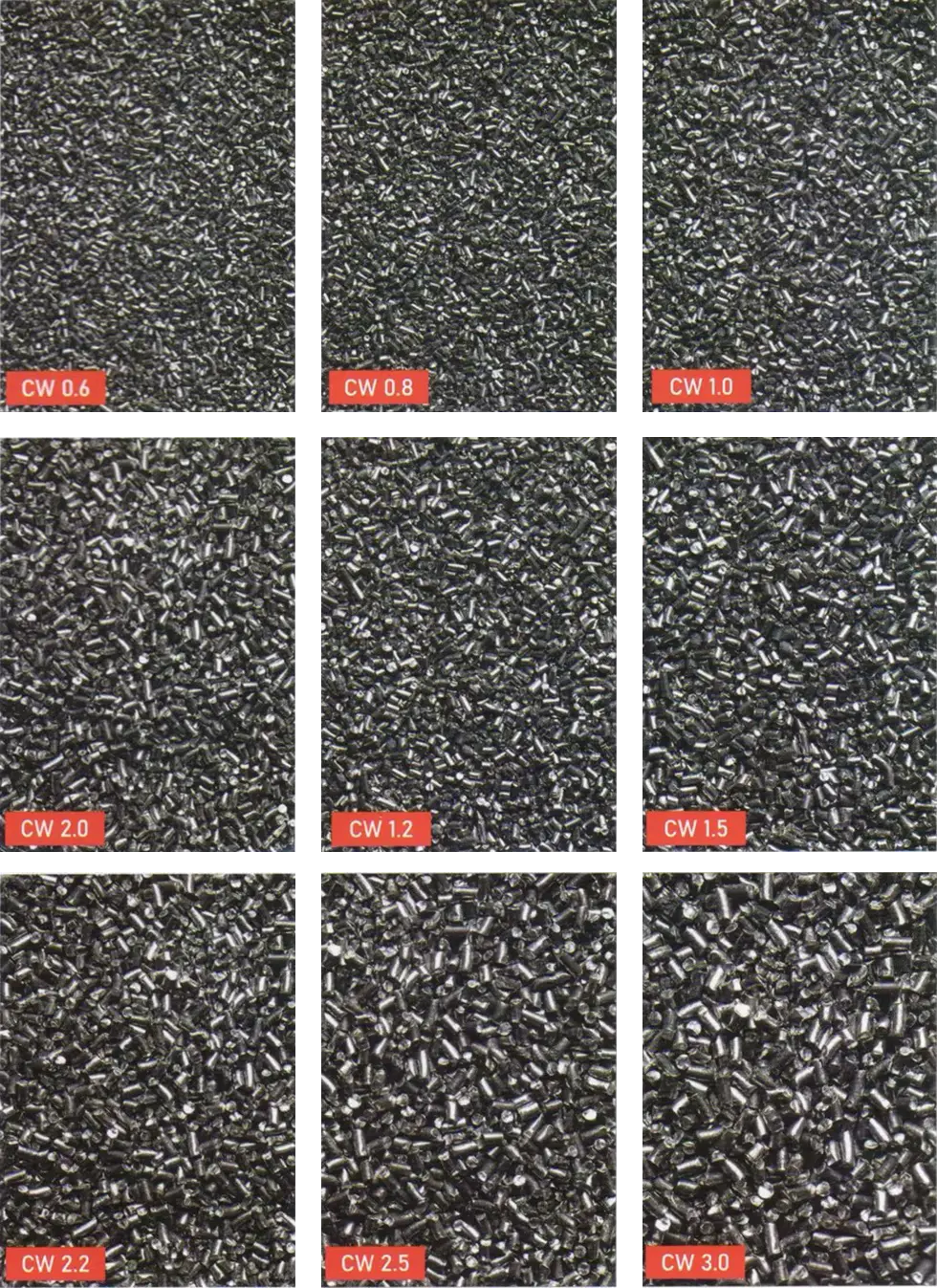
| Mesh | mm | SS 2.5 | SS 2.0 | SS 1.7 | SS 1.4 | SS 1.2 | SS 1.0 | SS 0.8 | SS 0.6 | SS 0.5 | SS 0.3 | SS 0.2 |
| 7 | 2.80 | all pass | all pass | all pass | all pass | all pass | ||||||
| 8 | 2.36 | all pass | all pass | all pass | all pass | all pass | all pass | |||||
| 10 | 2.00 | 97%min | all pass | all pass | all pass | all pass | all pass | all pass | ||||
| 12 | 1.70 | 97%min | 97%min | all pass | all pass | all pass | all pass | all pass | all pass | |||
| 14 | 1.40 | 97%min | 97%min | 95%min | all pass | all pass | all pass | all pass | all pass | all pass | ||
| 16 | 1.18 | 97%min | 95%min | 75%min | all pass | all pass | all pass | all pass | all pass | all pass | ||
| 18 | 1.00 | 97%min | 95%min | 85%min | 50%min | all pass | all pass | all pass | all pass | all pass | ||
| 20 | 0.850 | 95%min | 90%min | 85%min | 50%min | all pass | all pass | all pass | all pass | |||
| 25 | 0.710 | 95%min | 90%min | 85%min | 85%min | all pass | all pass | |||||
| 30 | 0.600 | 97%min | 97%min | 90%min | 80%min | 10%max | ||||||
| 35 | 0.500 | 97%min | 97%min | 90%min | 90%min | |||||||
| 40 | 0.425 | 97%min | 90%min | 90%min | ||||||||
| 45 | 0.355 | 90%min | 90%min | |||||||||
| 50 | 0.300 | 90%min | ||||||||||
| 60 | 0.250 | |||||||||||
| 80 | 0.180 | |||||||||||
| 120 | 0.125 | |||||||||||
| 170 | 0.075 | |||||||||||
| 235 | 0.053 | |||||||||||
| SAE | S 780 | S 660 | S 550 | S 460 | S 390 | S 330 | S 280 | S 230 | S 170 | S 110 | S 70 |
Related Category
Send Inquiry
Contact Info
-
Address
Qingyang Economic Development Zone, Zouping County, Shandong Province, China
-
Tel
-
Email
Send an inquiry to Haishan for quality steel shot, steel grit, cut wire shot and counterweight sand. Get factory direct wholesale price, free quotation and OEM customized solutions.
News Recommendations