How Can Mechanical Filling Counterweight Sand Improve Automated Ballast Filling and Equipment Stability
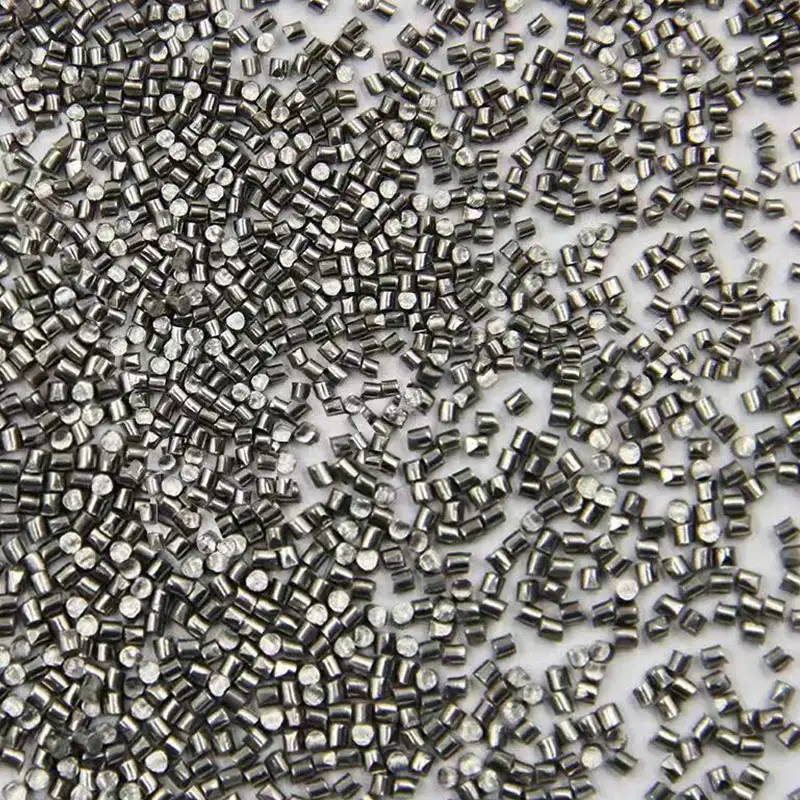
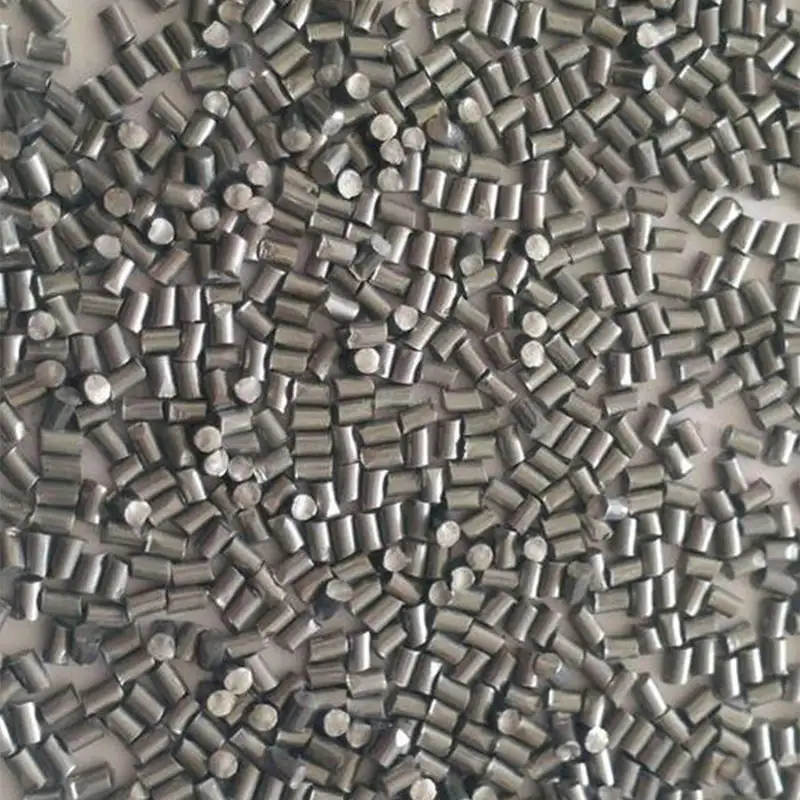
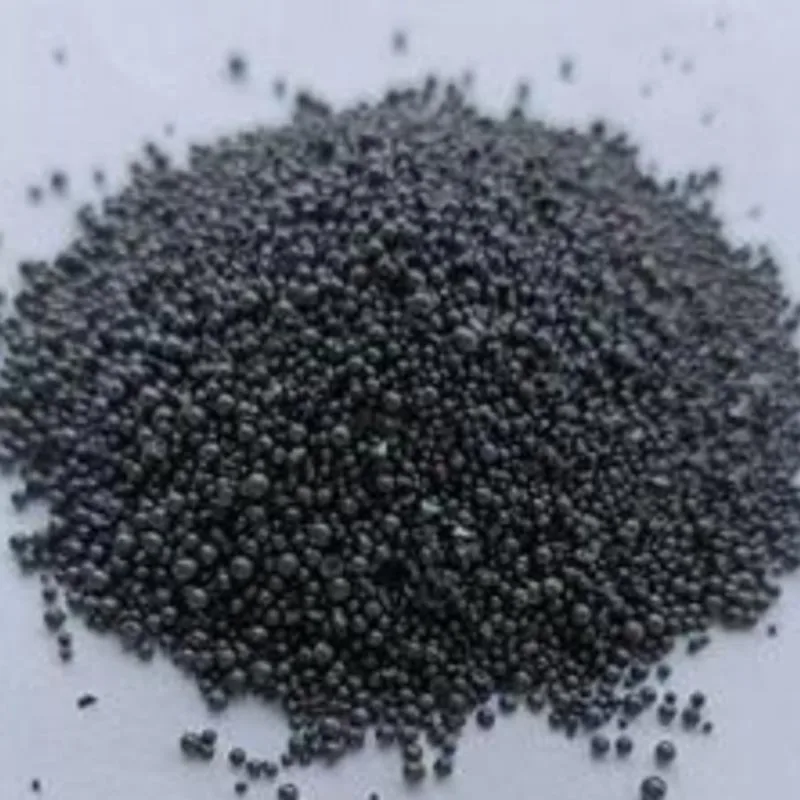
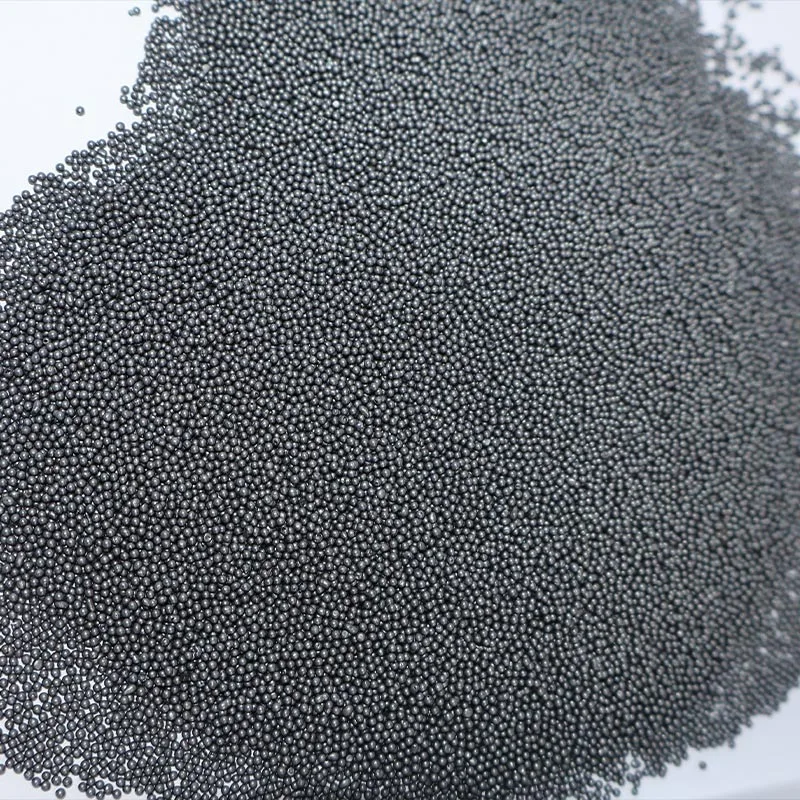
Haishan supplies Mechanical Filling Counterweight Sand for manufacturers seeking a high-density, dry-filling solution for machinery ballast, vibration damping, and enclosed equipment cavities. With optimized particle shape, approximately 7.0 g/cm³ bulk density, low moisture absorption, and purified composition, this material is designed for automated conveying and long-term vibration service.
Mechanical counterweight filling is increasingly important in industrial equipment where stable ballast, controlled weight distribution, and efficient installation are required. Unlike conventional materials that may require cement mixing, curing, or secondary processing, Mechanical Filling Counterweight Sand is designed for direct dry filling through automated or manual systems. Its high density allows manufacturers to achieve substantial ballast weight within relatively compact cavities, while optimized particle geometry supports smooth conveying through negative-pressure pipelines.
For equipment exposed to continuous vibration, material stability is equally important. Properly processed counterweight sand can reduce settling, stratification, and localized weight movement. Haishan's product is also purified to remove residual magnetic particles, making it suitable for enclosed machinery cavities where sensors and electronic control components are present.
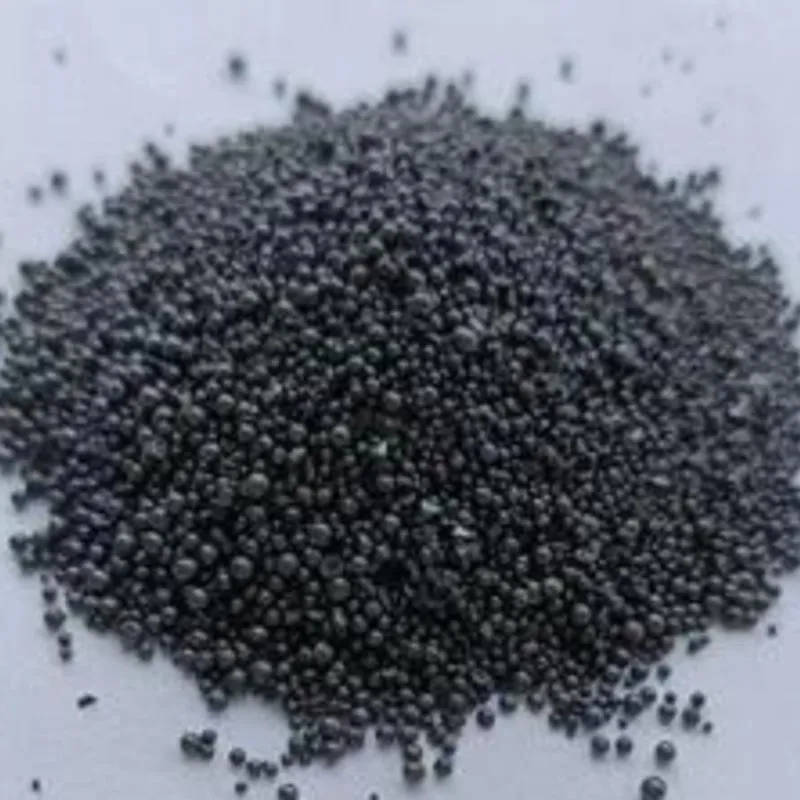
Table of Contents
- What Is Mechanical Filling Counterweight Sand?
- What Are Its Main Performance Advantages?
- Where Is It Commonly Used?
- Key Technical Specifications
- How Does It Support Automated Filling?
- How Does It Improve Long-Term Ballast Stability?
- How Should Buyers Evaluate Quality and Documentation?
- How Should the Correct Quantity and Packaging Be Selected?
- Frequently Asked Questions
- Conclusion
What Is Mechanical Filling Counterweight Sand?
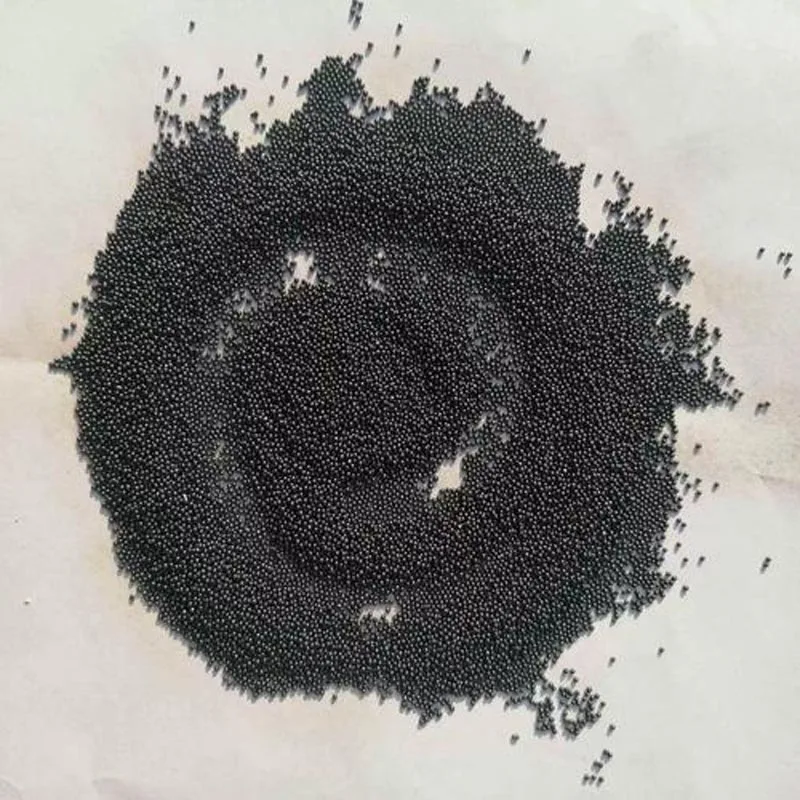
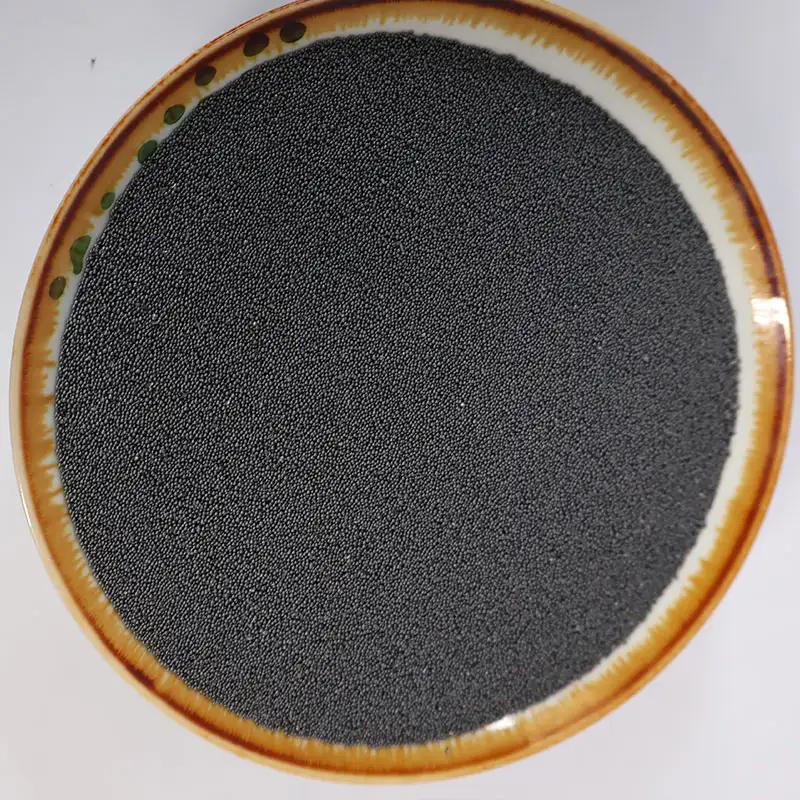
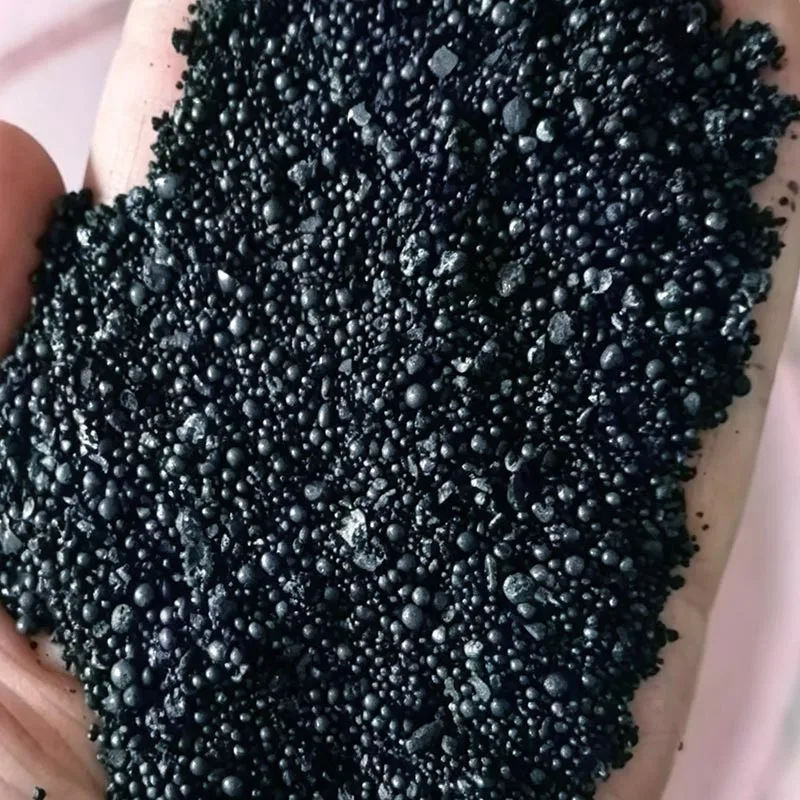
Mechanical Filling Counterweight Sand is a high-density granular material developed for filling enclosed cavities in industrial machinery and equipment. Its primary purpose is to provide reliable ballast weight without requiring wet mixing, curing, or casting operations.
The material is particularly useful when an equipment manufacturer needs to add substantial mass inside a restricted cavity. High density means that a relatively small filling volume can provide significant ballast weight. This can be valuable when equipment dimensions, cabinet space, or chassis geometry limit the available installation area.
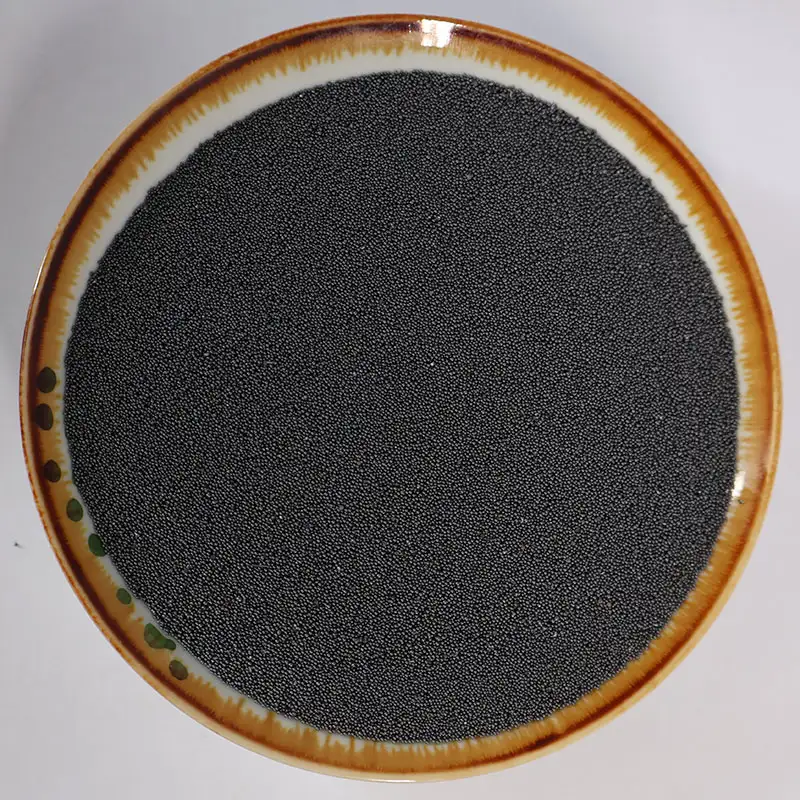
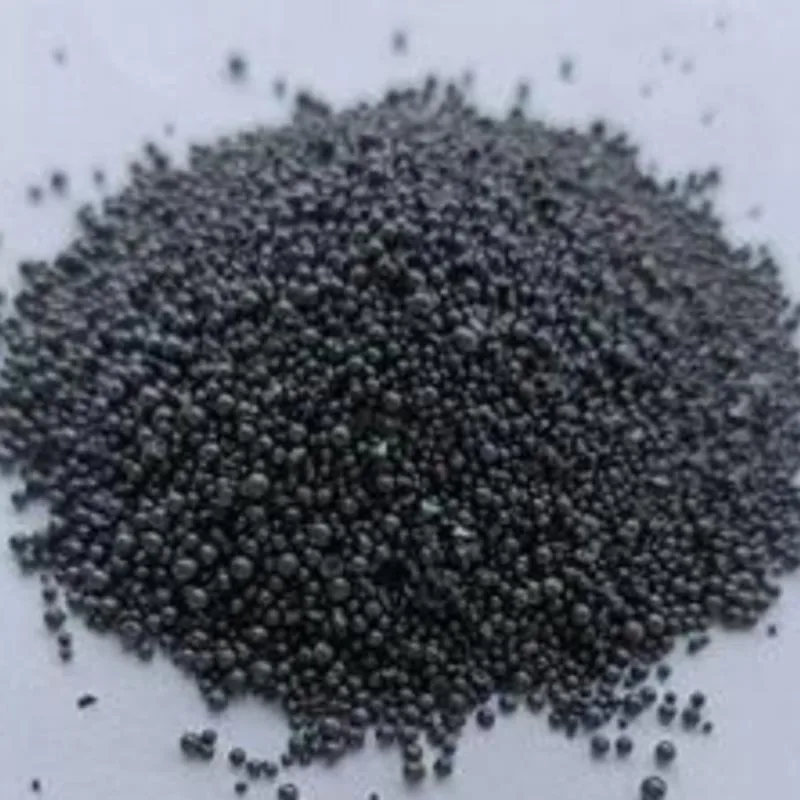
For automated production environments, particle characteristics are also important. Haishan processes the granules to improve roundness and surface smoothness, helping reduce friction between particles during conveying and filling.
What Are Its Main Performance Advantages?
A counterweight material needs to deliver more than simple weight. It must also work reliably with the equipment's filling method and operating environment. The main characteristics of this product include:
- High bulk density: Approximately 7.0 g/cm³ ±2% supports compact ballast filling.
- Optimized particle shape: Spherical and rounded characteristics promote material flow.
- Low moisture absorption: Helps reduce clumping in enclosed cavities.
- Vibration stability: Vibration compaction before shipment helps stabilize particle arrangement.
- Purified composition: Multiple purification stages remove residual magnetic particles.
- Dry-filling capability: No cement mixing or curing is required.
- Flexible packaging: Ton bags, steel drums, and customized containers are available.
These characteristics make the material suitable for production lines where consistent feeding, predictable ballast weight, and simplified installation are priorities.
Where Is It Commonly Used?
Mechanical Filling Counterweight Sand can be applied across several types of industrial machinery. Typical applications include:
- Heavy machinery chassis and structural frames
- Automated equipment cabinets and enclosed housings
- Fan housings and rotating equipment
- Air compressor frames
- Vibration processing and testing equipment
- Enclosed machinery cavities requiring dry ballast
- Industrial equipment where cement-based filling is impractical
It is particularly relevant to machinery manufacturers that need ballast material to remain inside a sealed or enclosed section throughout the equipment's operating life.
Key Technical Specifications
Understanding technical parameters helps buyers determine whether a material is compatible with their filling system and equipment design.
| Parameter | Specification | Practical Benefit |
|---|---|---|
| Material base | Purified high-density granules | Provides concentrated ballast weight |
| Bulk density | 7.0 g/cm³ ±2% | Supports compact cavity filling |
| Particle shape | Optimized sphericity and roundness | Improves conveying and filling flow |
| Magnetic particles | Zero residual magnetic particles after purification | Reduces interference concerns near sensors |
| Moisture resistance | Low moisture absorption | Helps minimize clumping |
| Vibration stability | Vibration-compacted before shipment | Reduces settling and weight shifts |
| Packaging | Ton bags, steel drums, custom containers | Adapts to different handling systems |
For buyers requiring specific quality documentation, batch testing can cover bulk density, flow rate, magnetic particle content, moisture absorption, and vibration stability.
How Does It Support Automated Filling?
Automated filling systems depend on predictable material movement. If granules bridge inside a hopper or pipeline, production may slow down or stop altogether. Particle geometry therefore becomes an important factor when selecting a filling material.
Mechanical Filling Counterweight Sand is processed to improve particle roundness and surface smoothness. These characteristics reduce inter-particle friction and help the granules move consistently through negative-pressure conveying systems.
For industrial manufacturers, smoother material feeding can contribute to:
- More consistent filling cycles
- Reduced risk of material bridging
- Lower probability of pipeline blockage
- More predictable material consumption
- Less interruption during continuous production
This makes dry granular filling a practical option for production environments where ballast installation needs to be integrated into an automated assembly process.
How Does It Improve Long-Term Ballast Stability?
Adding weight is only part of the engineering requirement. The ballast must remain reasonably stable after installation, especially when equipment operates under continuous vibration.
Haishan applies vibration compaction before shipment to stabilize the arrangement of the granules. This process is intended to reduce excessive settling, stratification, and localized weight movement during service.
Another consideration is the presence of nearby electronic components. Residual magnetic particles can be undesirable around sensitive sensors and control modules. The material therefore undergoes multiple purification stages to remove residual magnetic particles before final delivery.
These processing steps make the product suitable for enclosed machinery cavities where stable mass distribution and compatibility with nearby electronic systems are important considerations.
How Should Buyers Evaluate Quality and Documentation?
When purchasing counterweight material for industrial production, buyers should evaluate both physical properties and traceability. A material specification alone does not necessarily demonstrate consistent batch performance.
Important quality-control considerations include:
- Bulk density testing: Confirms the expected weight-to-volume relationship.
- Flow-rate inspection: Helps verify compatibility with conveying systems.
- Magnetic particle testing: Provides evidence of purification performance.
- Moisture absorption testing: Helps assess resistance to clumping.
- Vibration stability testing: Evaluates resistance to settling during service.
- Batch traceability: Supports quality management for repeated industrial orders.
Haishan operates under ISO 9001, ISO 14001, and ISO 45001 management systems, with an in-house laboratory for routine quality control of particle shape, density, and purity. Batch certificates and inspection records can be supplied according to customer requirements.
How Should the Correct Quantity and Packaging Be Selected?
The required volume depends primarily on the target ballast weight and the material's bulk density. With a nominal bulk density of 7.0 g/cm³, approximately 1.0 m³ of material provides about 7,000 kg of ballast under the stated specification.
Before requesting a quotation, equipment manufacturers should prepare the following information:
- Required ballast weight or target filling volume
- Internal cavity dimensions
- Filling-port dimensions
- Conveying method, such as negative-pressure conveying or gravity filling
- Operating temperature and humidity
- Expected vibration conditions
- Presence of electronic sensors or control modules near the filling area
- Preferred packaging and delivery requirements
For large industrial orders, ton bags may simplify bulk handling, while steel drums or custom containers can be considered where different lifting, feeding, or storage arrangements are required.
Frequently Asked Questions
What is Mechanical Filling Counterweight Sand mainly used for?
It is primarily used as dry ballast material for enclosed cavities in industrial machinery, automated equipment, frames, housings, and vibration-related equipment where compact and stable weight is required.
Is Mechanical Filling Counterweight Sand suitable for automated filling?
Yes. Its optimized particle shape and smooth surface characteristics are designed to support material movement through automated negative-pressure conveying systems and reduce the risk of bridging or blockage.
How dense is the material?
The specified bulk density is approximately 7.0 g/cm³ with a tolerance of ±2%. Actual filling requirements should be calculated according to the applicable batch specification and target ballast weight.
Can it be used around electronic sensors?
The material is purified through multiple stages to remove residual magnetic particles and is specified as having zero residual magnetic particles after purification. This makes it suitable for applications where magnetic interference is a consideration.
Will it work for concrete or cement-based counterweights?
No. This product is designed for dry filling rather than cement mixing, casting, or curing. Concrete ballast applications require a different material specification.
What packaging options are available?
Standard options include ton bags and steel drums. Custom containers can also be considered according to the customer's filling equipment, lifting method, transportation requirements, and site-handling conditions.
Conclusion
Mechanical Filling Counterweight Sand provides a practical dry-filling approach for industrial manufacturers that need high-density ballast, controlled material flow, and stable performance in enclosed equipment cavities. Its approximately 7.0 g/cm³ bulk density, optimized granule geometry, low moisture absorption, vibration compaction, and purified composition address several common requirements in automated machinery and vibration-sensitive applications.
For manufacturers planning a new equipment design or improving an existing ballast-filling process, selecting the material according to cavity volume, target weight, conveying method, operating environment, and electronic-component requirements can help create a more reliable filling solution. If you are sourcing high-density counterweight material for industrial machinery, discuss your application, required quantity, packaging, and technical requirements with Haishan and contact us for a tailored quotation and product recommendation.
Related News
- How Can Mechanical Filling Counterweight Sand Improve Equipment Stability, Weight Distribution, and Operational Reliability
- How Can Steel Wire Cut Shot Improve Heavy-Duty Surface Preparation and Industrial Efficiency
- How Can Mechanical Filling Counterweight Sand Improve Industrial Equipment Stability and Automated Filling Efficiency
- How Can Concrete Counterweight Sand Deliver Higher Density, Better Stability, and More Efficient Precast Production
- How Does Steel Shot Improve Industrial Surface Treatment Efficiency?
- High-Density Material Building Industrial Balance
Leave me a message