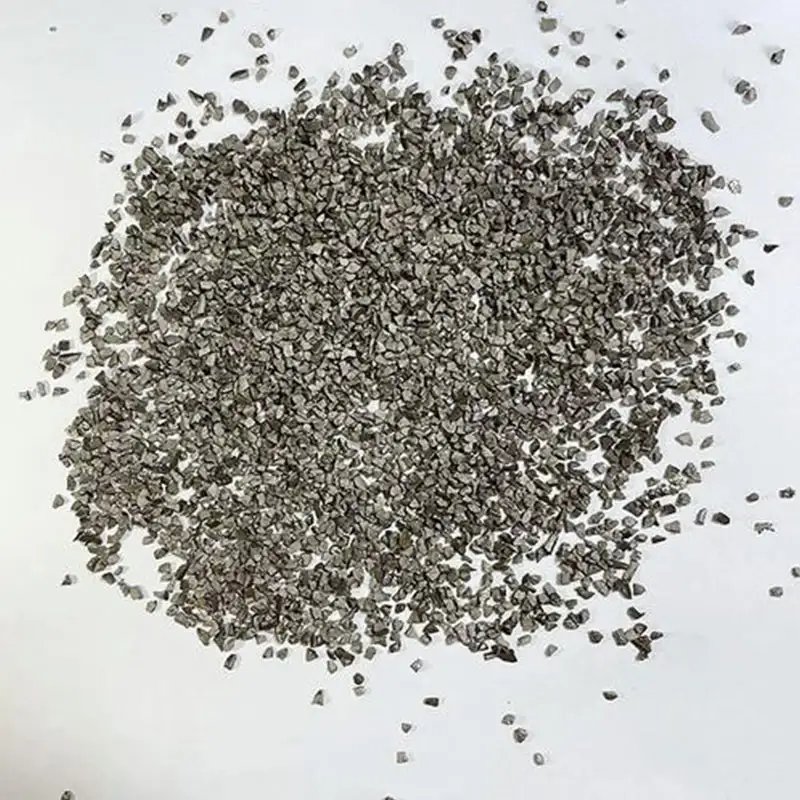
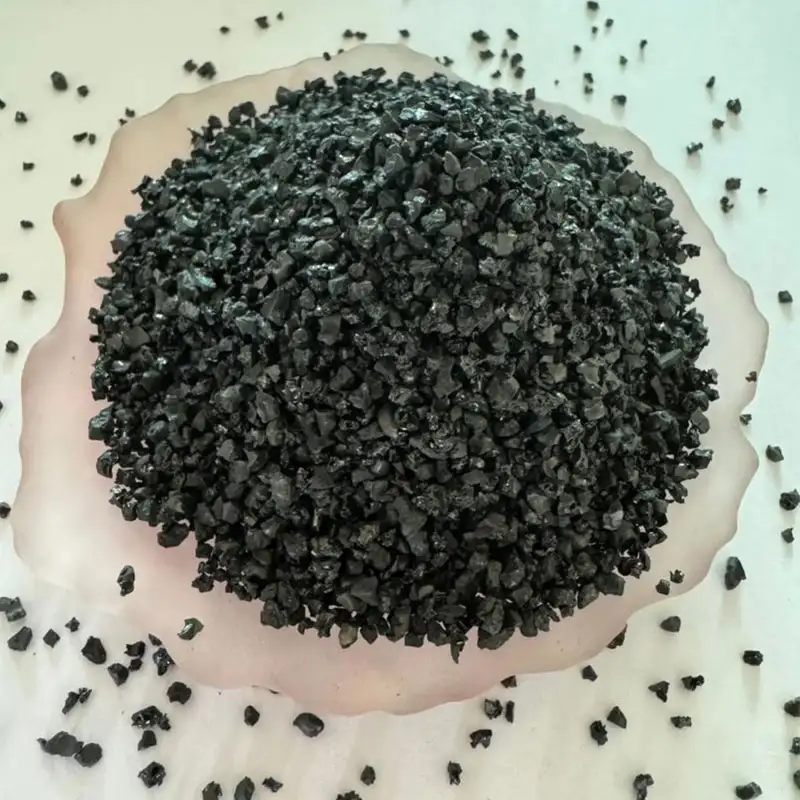
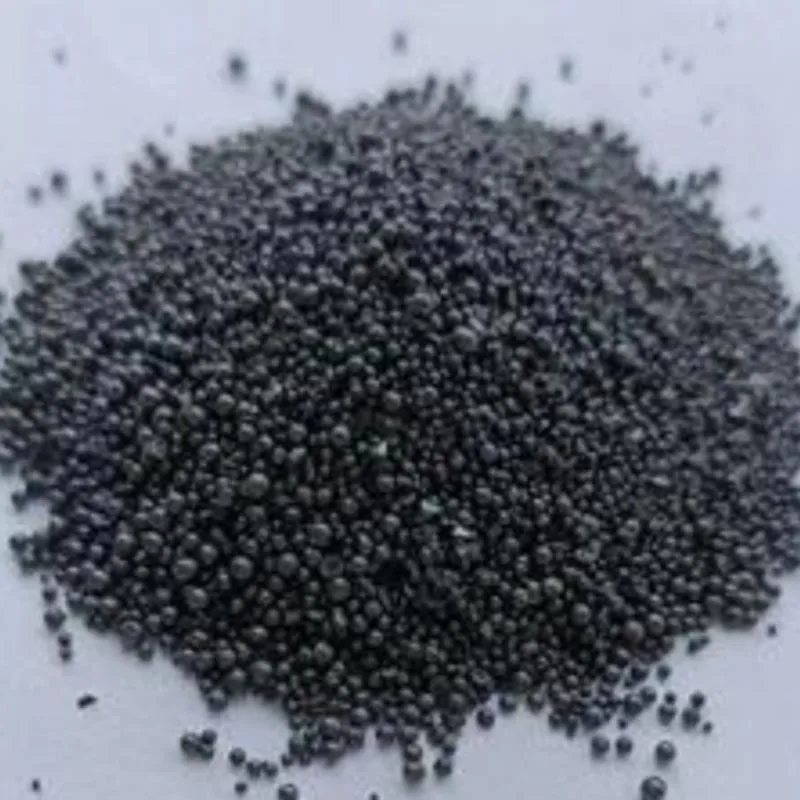
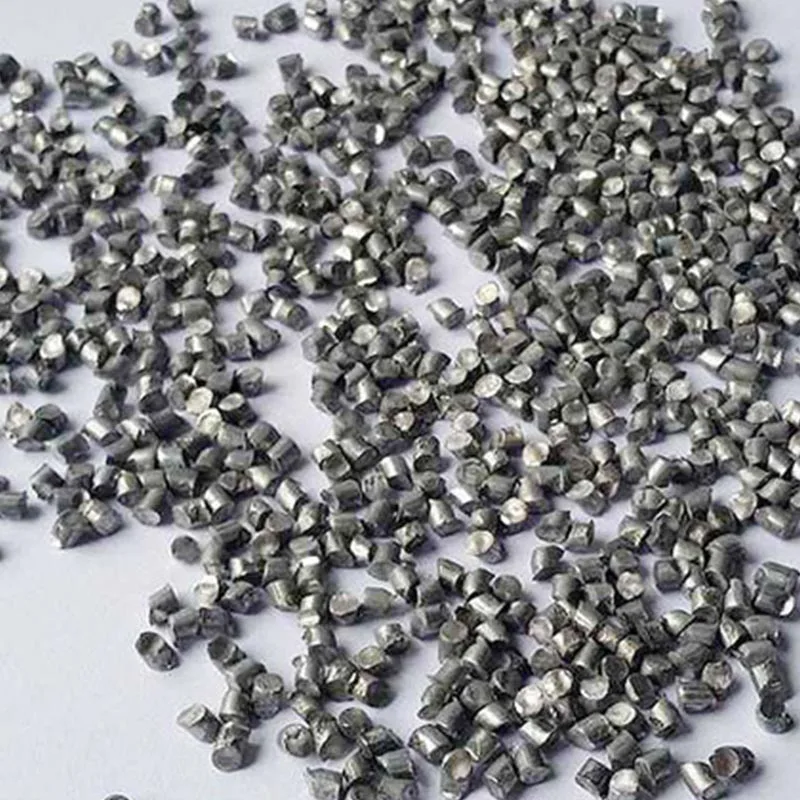
From cleaning automotive engine blocks to strengthening aircraft turbine blades, a millimeter-sized spherical metal particle—steel shot—plays an indispensable role in modern manufacturing.
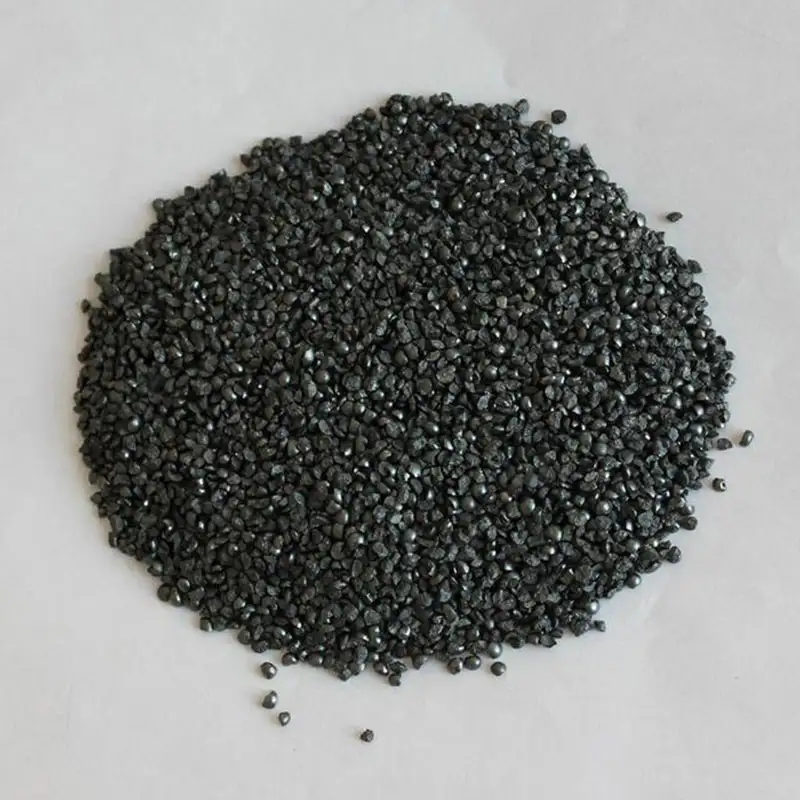
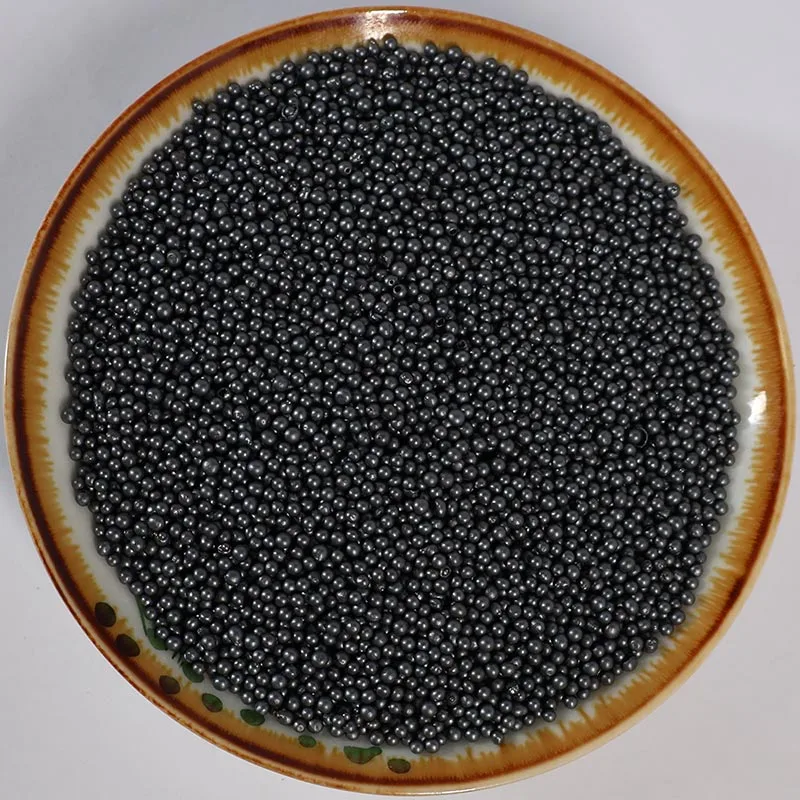
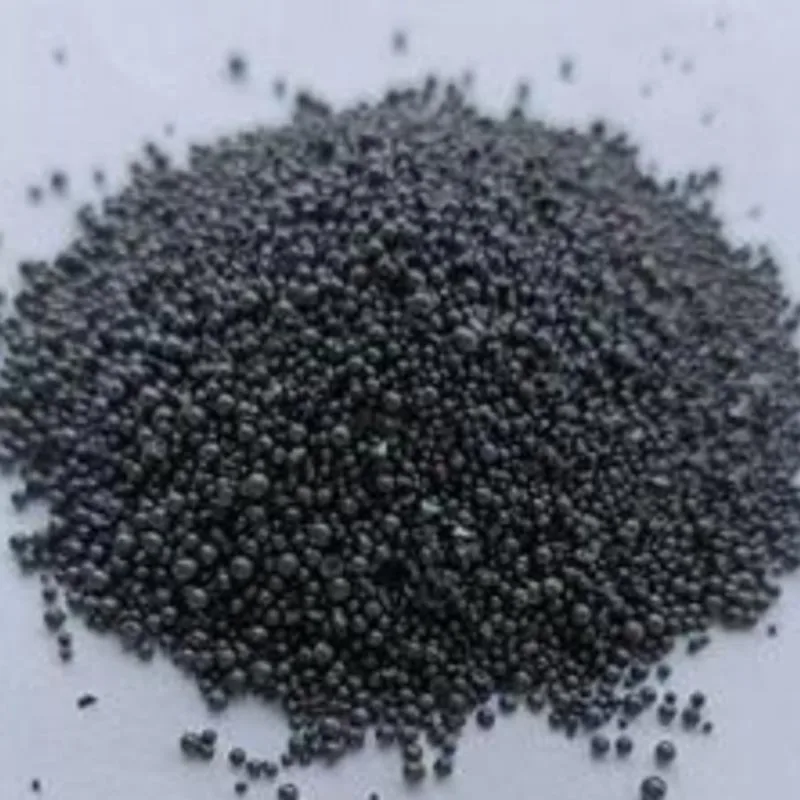
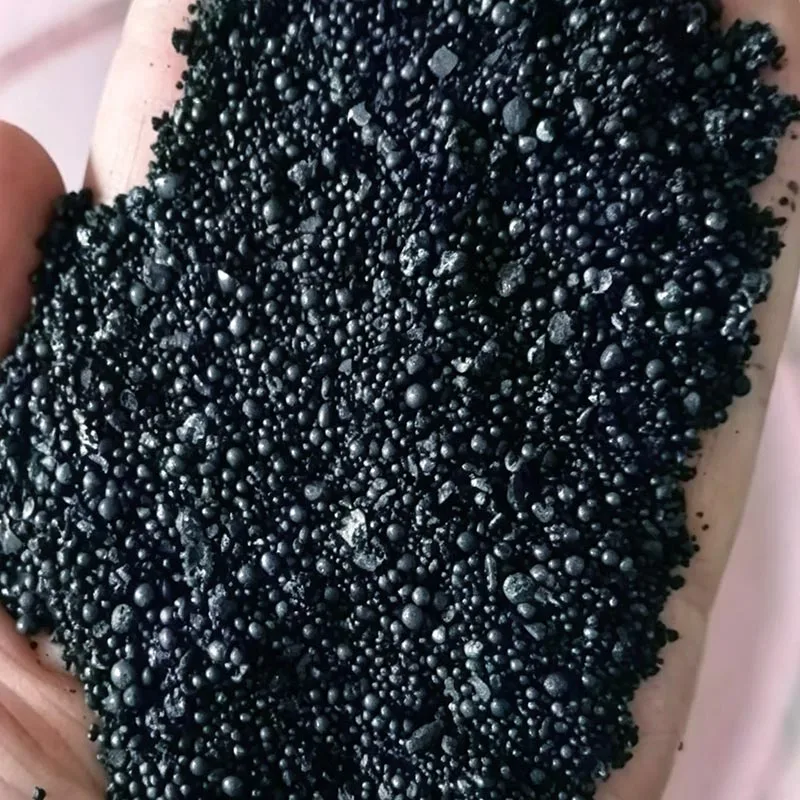
Steel shot is a spherical abrasive produced by atomizing molten steel. Classified by carbon content into high-carbon and low-carbon variants, the latter features a bainitic structure that provides superior toughness and resistance to fragmentation under repeated impacts. Industry data indicates that low-carbon steel shot can achieve up to 4,500 cycles of service life, significantly outperforming the approximate 3,000-cycle lifespan of conventional high-carbon alternatives. This durability makes it a preferred choice for automated blasting equipment requiring long-term, stable operation.
In terms of applications, steel shot serves multiple critical functions. It efficiently removes mill scale, rust, and old coatings from metal surfaces, while creating an ideal roughness profile to enhance paint and coating adhesion. In the aerospace sector, precision steel shot is used for shot peening, a process that induces compressive stress layers to substantially extend the fatigue life of critical components.
Recent industry developments reflect ongoing activity in this field. Data from the national intellectual property office shows that manufacturers have secured patents for high-performance steel shot production processes, aiming to address issues such as quenching cracks and uneven hardness. Meanwhile, procurement tenders from major infrastructure and energy enterprises underscore the steady market demand for this material.
As global manufacturing places higher demands on surface preparation quality, steel shot—fundamental yet essential—continues to support the high-quality development of downstream industries through ongoing quality improvements and process innovations.
We use cookies to offer you a better browsing experience, analyze site traffic and personalize content. By using this site, you agree to our use of cookies. Privacy Policy