Sharp-Cutting Steel Grit For Heavy-Duty Metal Descaling And Surface Preparation
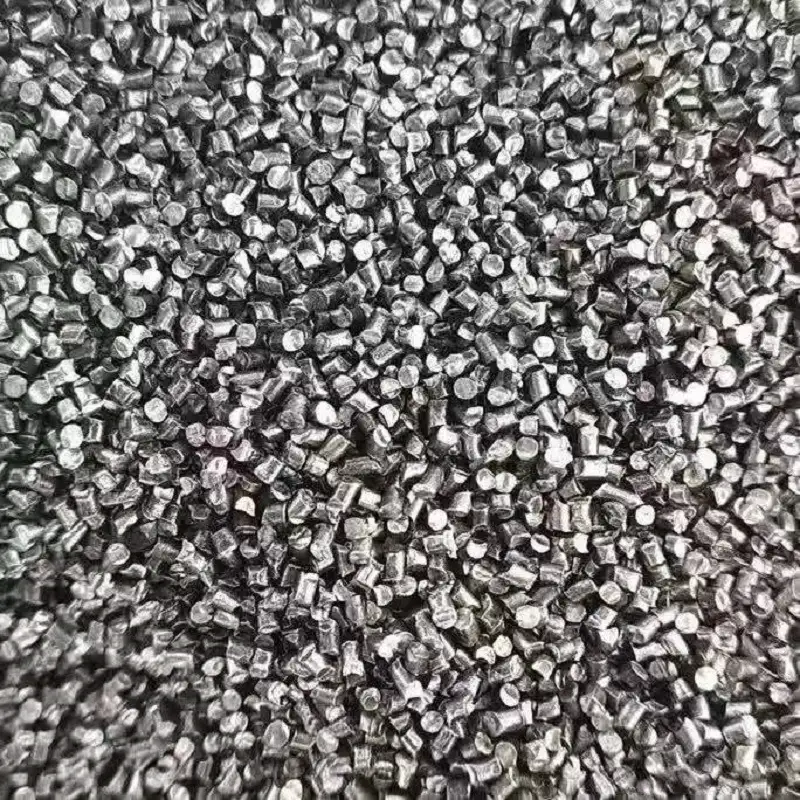
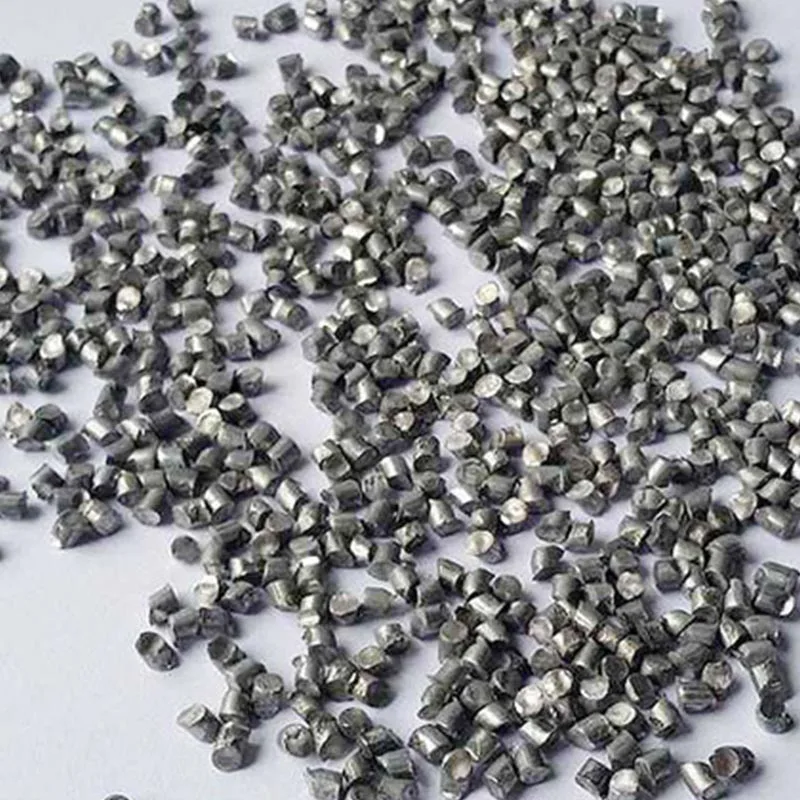
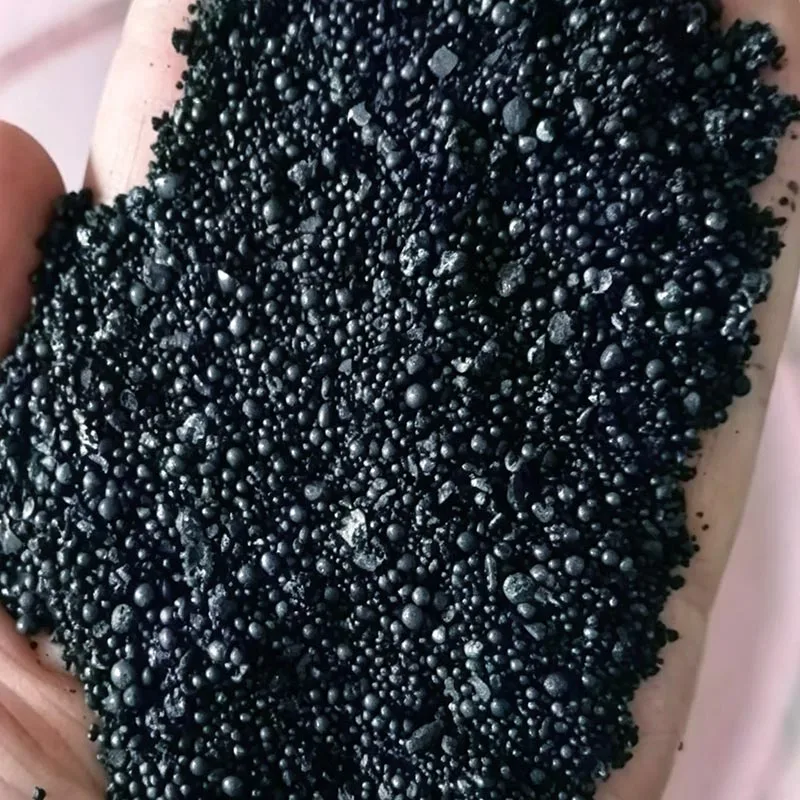
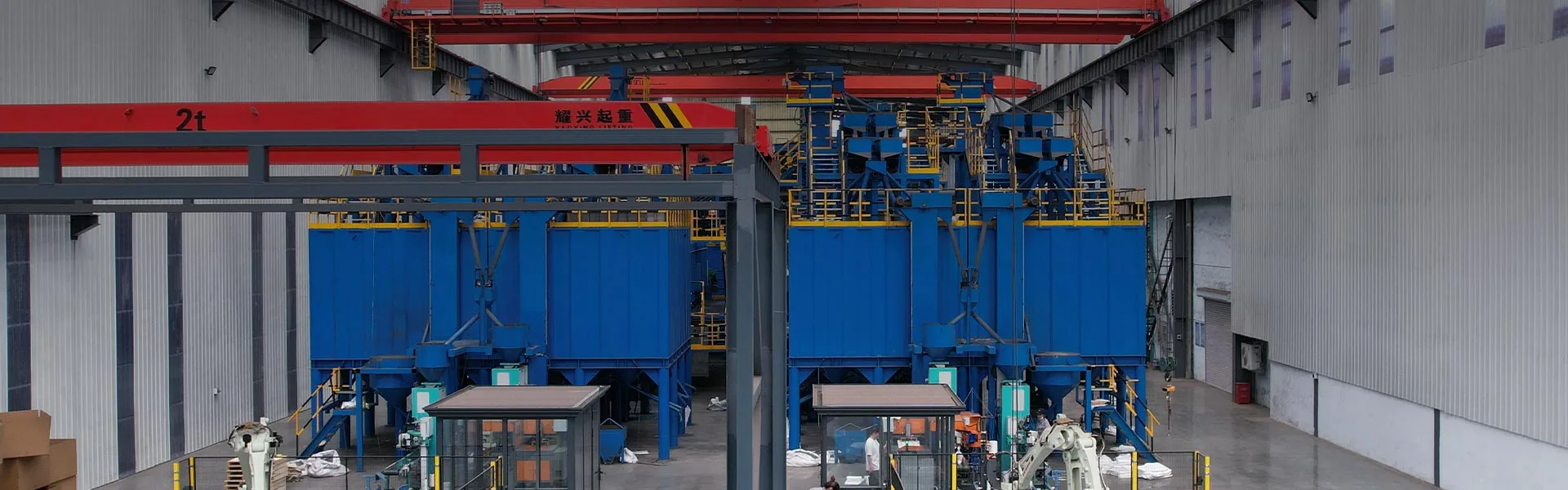
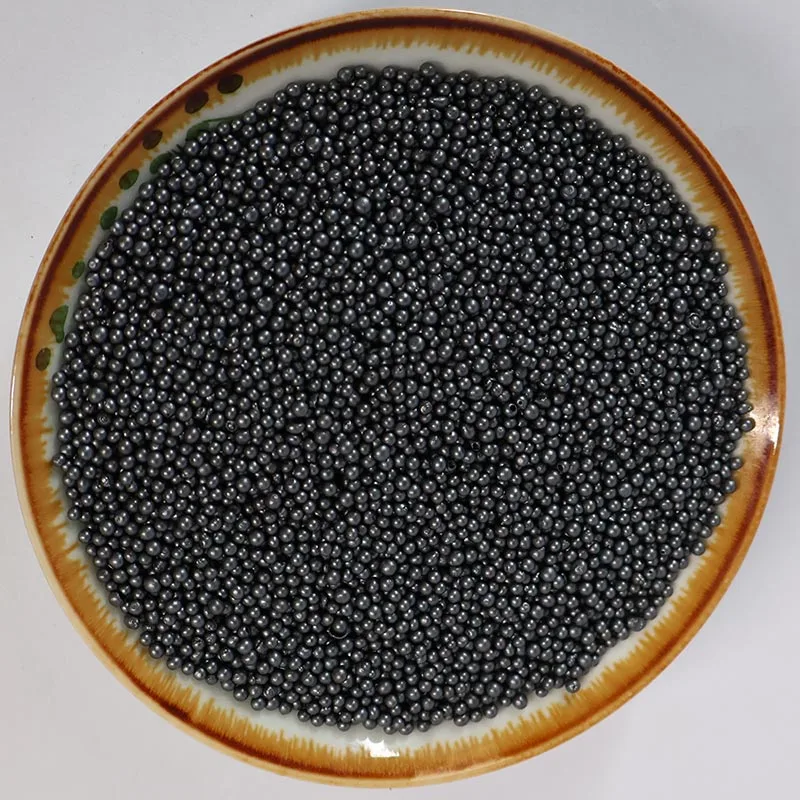
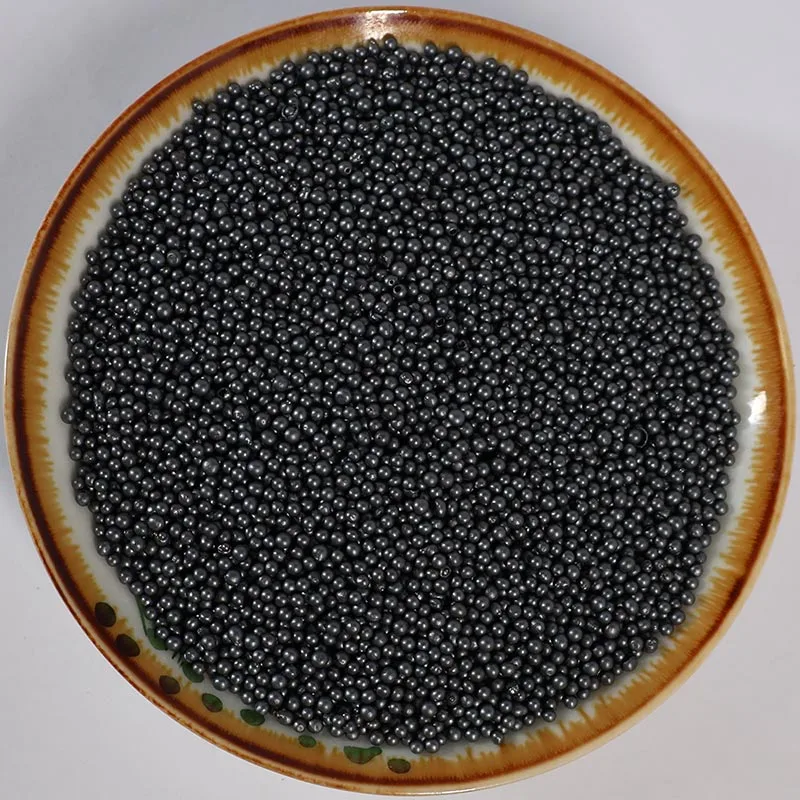
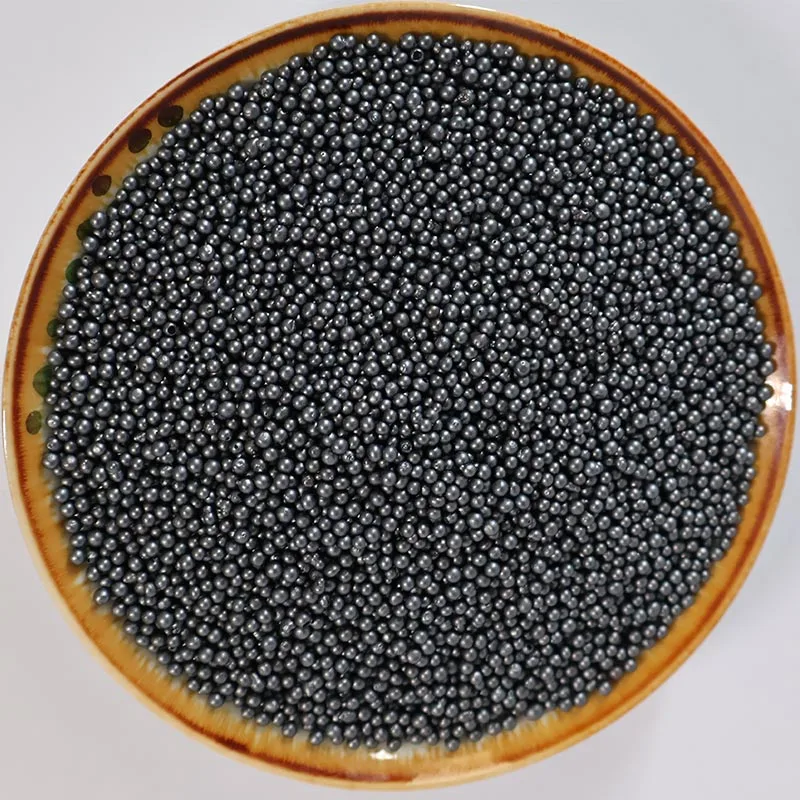
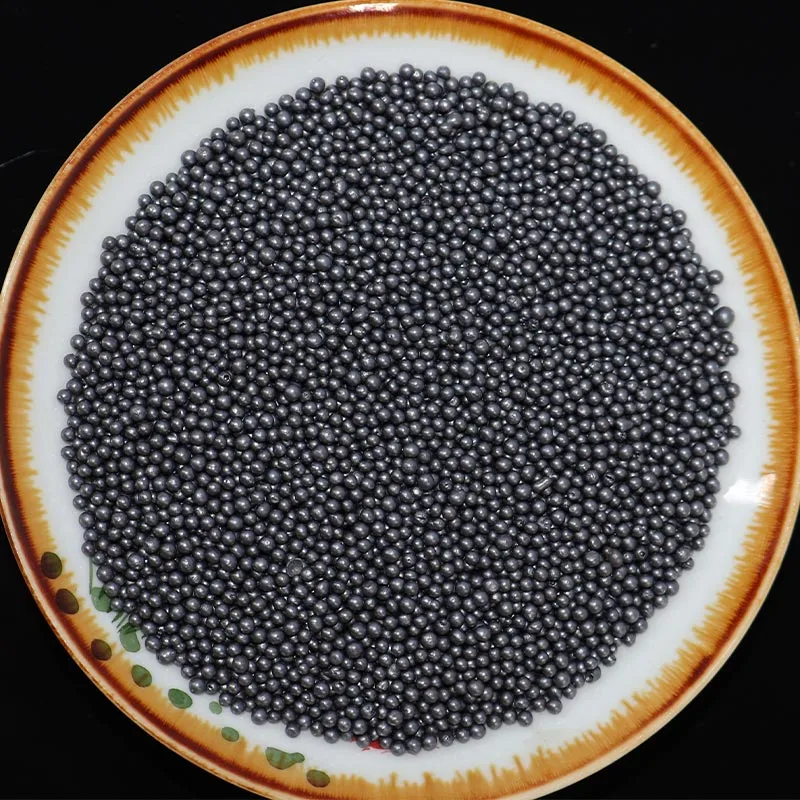
Steel grit is an angular metallic abrasive produced by crushing hardened steel shot. Shandong Haishan Industrial Technology manufactures steel grit from high-carbon steel through melting, atomization, heat treatment, crushing, and screening. The result is a sharp-edged particle with high hardness and strong cutting ability. It is used where surface cleaning requires more aggressive material removal than spherical shot can provide.
Compared with steel shot, steel grit cuts into the substrate rather than impacting it. This creates a deeper anchor profile and removes heavy rust, thick mill scale, and old coatings more efficiently. However, it also produces a rougher surface and higher abrasive consumption. The choice between shot and grit depends on the required surface profile and the condition of the workpiece.
Chemical Composition and Hardness Grades
| Property | GP Steel Grit | GL Steel Grit | GH Steel Grit |
| Carbon (C) | 0.85 - 1.20% | 0.85 - 1.20% | 0.85 - 1.20% |
| Manganese (Mn) | 0.60 - 1.20% | 0.60 - 1.20% | 0.60 - 1.20% |
| Silicon (Si) | 0.40 - 1.20% | 0.40 - 1.20% | 0.40 - 1.20% |
| Sulfur (S) | ≤ 0.05% | ≤ 0.05% | ≤ 0.05% |
| Phosphorus (P) | ≤ 0.05% | ≤ 0.05% | ≤ 0.05% |
| Hardness | HRC 42 - 50 | HRC 56 - 60 | HRC 60 - 66 |
| Microstructure | Tempered martensite | Tempered martensite | Tempered martensite |
| Minimum Density | 7.4 g/cm³ | 7.4 g/cm³ | 7.4 g/cm³ |
Available Particle Sizes
Steel grit is supplied in a range of sizes, typically identified by mesh or SAE grades. Common grades include G 10 through G 120, corresponding to different particle size distributions. The exact size table is available on the product detail page. For general steel surface preparation, medium grades are often selected to balance cleaning speed and profile depth.
Typical Applications
- Removal of heavy rust and thick mill scale from steel structures
- Surface preparation before painting or coating on bridges, ships, and storage tanks
- Cleaning of castings and forgings where strong cutting action is required
- Creating deep anchor profiles for high-build coatings
- Concrete surface profiling and cleaning
Steel grit is not recommended for thin-walled components or soft metals where the aggressive cutting action may cause dimensional changes or excessive material loss. In such cases, a softer abrasive such as steel shot or steel cut wire shot may be more appropriate.
Quality Control and Testing
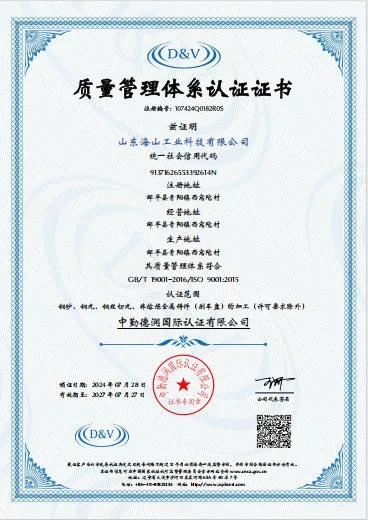
Each batch of steel grit is tested for chemical composition, hardness, particle size distribution, angularity, and density. The laboratory uses a SPECTRO direct-reading spectrometer for composition analysis and standard sieve methods for size distribution. Products are manufactured according to GB/T 18838 and SAE J444 standards. The company holds ISO 9001, ISO 14001, and ISO 45001 certifications.
Frequently Asked Questions
What is the difference between steel grit and steel shot?
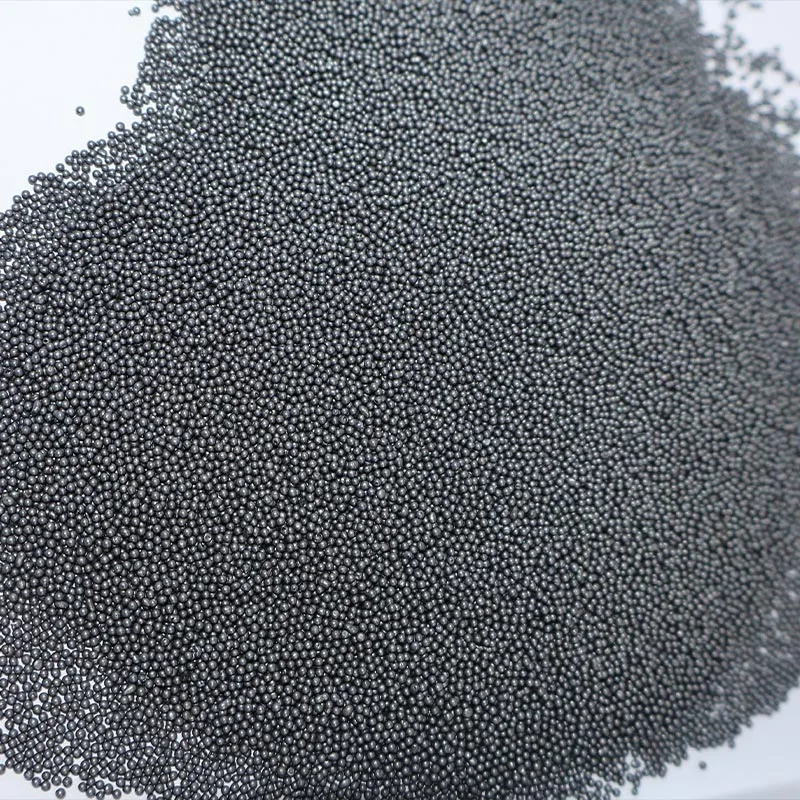
Steel grit is angular and cuts the surface, producing a rougher profile and faster removal of heavy contaminants. Steel shot is spherical and impacts the surface, leaving a smoother finish with less material removal. Grit is used for aggressive cleaning, while shot is used for general cleaning and peening.
Which hardness grade of steel grit should I choose?
GP grade (HRC 42-50) is suitable for general cleaning and produces moderate profile. GL grade (HRC 56-60) offers faster cleaning on moderately corroded surfaces. GH grade (HRC 60-66) provides maximum cutting action for thick scale and hard substrates. The choice depends on workpiece hardness and desired profile depth.
Can steel grit be used on stainless steel?
Steel grit can be used on stainless steel, but cross-contamination with carbon steel must be avoided if the component will be used in corrosive environments. Dedicated abrasive batches or stainless steel grit are recommended for critical applications.
- View as
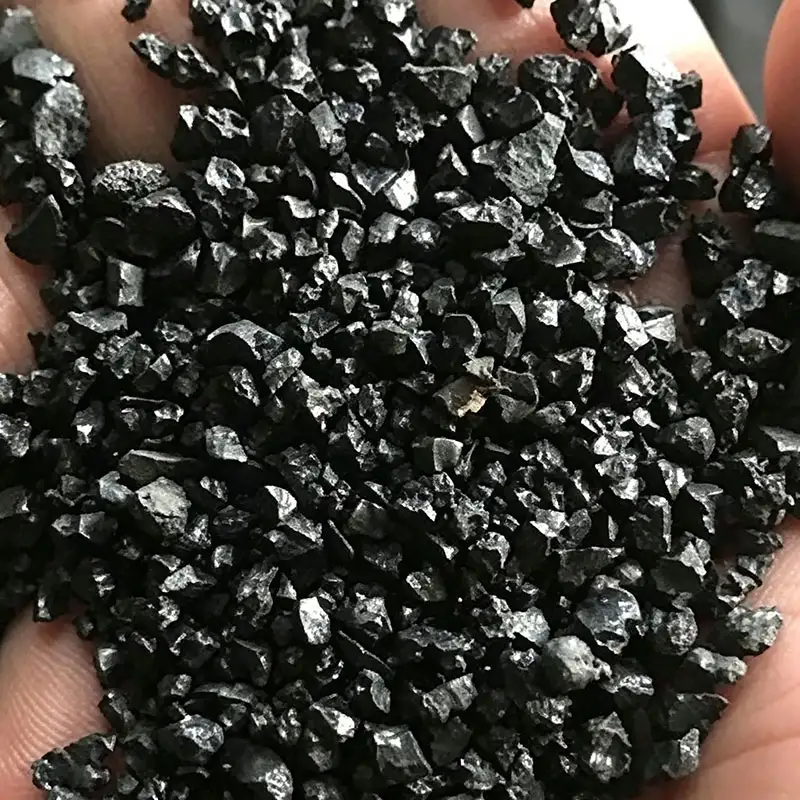
High Carbon Steel Grit
Covering general cast steel grit, special descaling grit, angular grit, standard G40 grit, wear-resistant grit, steel structure dedicated grit, bearing grit, counterweight grit and mixed shot & grit. All High Carbon Steel Grits are angular cutting abrasives focusing on rust removal, oxide scale elimination and heavy anti-corrosion anchor pattern making. Together with steel shots and wire cut shots in this document, they form a complete metal abrasive product portfolio covering all industrial surface treatment working conditions.
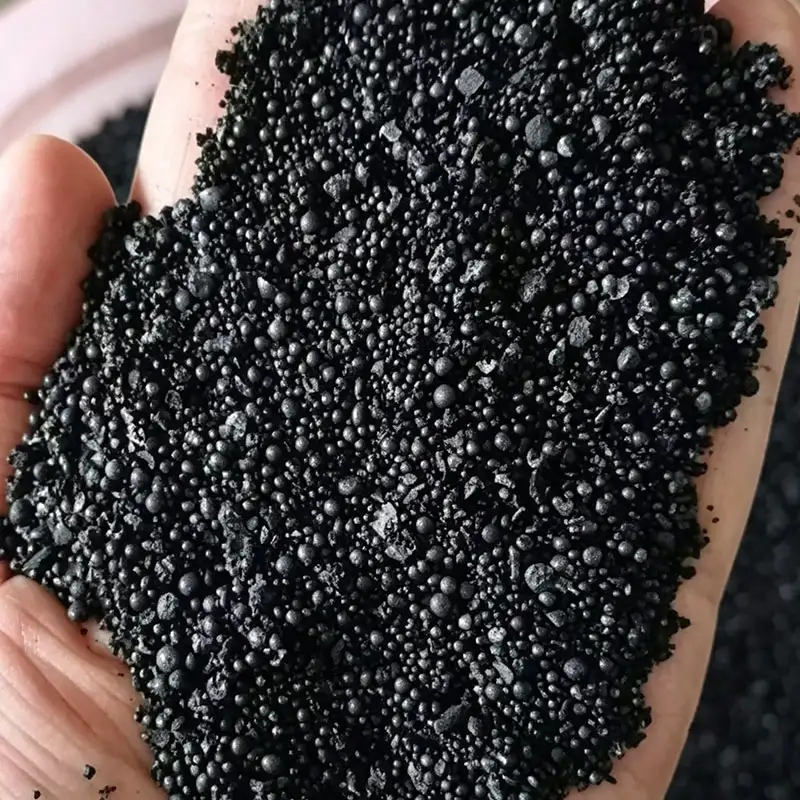
Counterweight Steel Grit
Counterweight steel grit from Shandong Haishan Industrial Technology is intended for dense ballast filling. This angular aggregate, made from high carbon steel, has bulk density ≥4.0 g/cm³, no hollow particles, and resists settling. It is used for weight filling in elevator counterweights, machinery ballast, and ship ballast tanks. Buyers can source SG grades 0.355–2.80 mm with COA and density reports. Not for blasting.
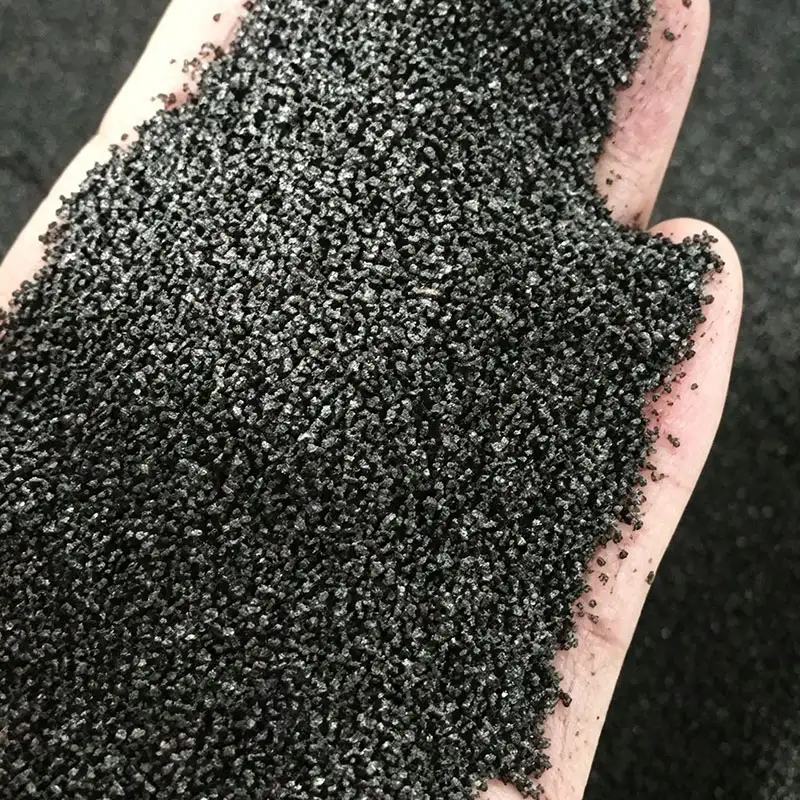
Bearing Steel Grit
Shandong Haishan Industrial Technology is a supplier of bearing steel grit made from high-purity bearing steel scrap, with hardness HRC 43–49 and low impurities. It is used for precision cleaning of bearing rings and high-end metal parts, offering low dust and consistent particle size. Bulk procurement and factory-direct sourcing are supported with COA, hardness reports, and ISO 9001:2015 certificates. Samples available for evaluation.
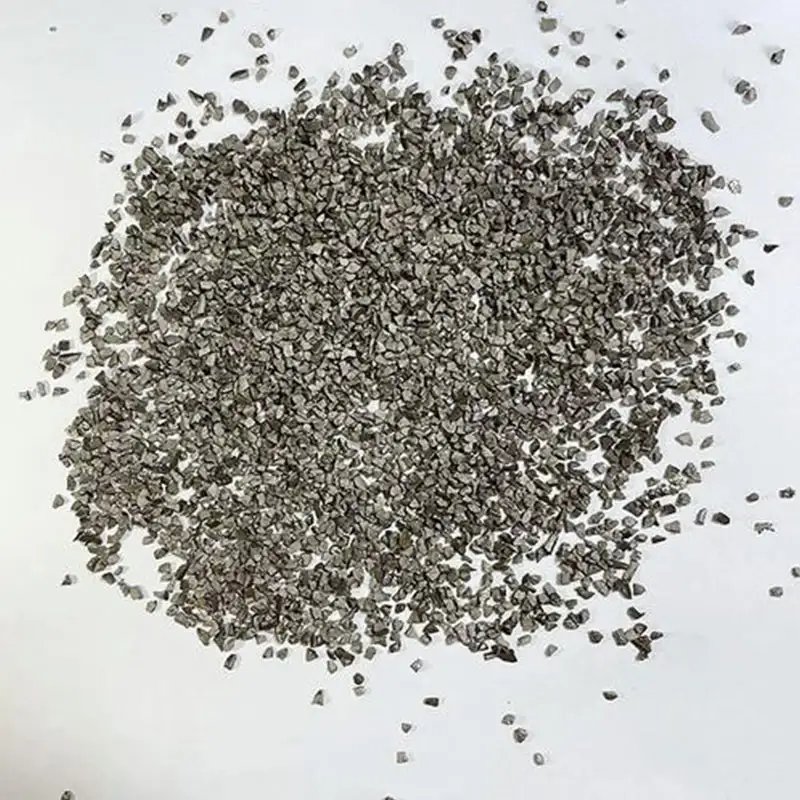
Steel Grit for Steel Structures
Shandong Haishan Industrial Technology manufactures steel grit for steel structures, a custom mixed-size abrasive (G40/G25) with hardness HRC46-54, anti-fracture and moisture resistance. It achieves one-pass Sa2.5 rust removal and 45-70μm anchor profile for heavy steel structure coating. Bulk procurement and export packaging supported.
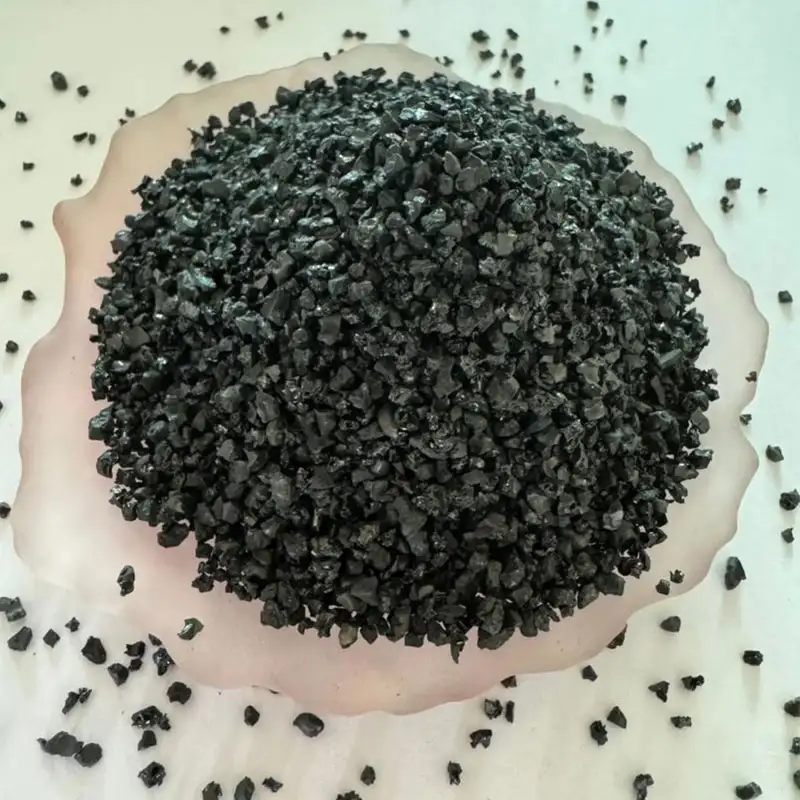
Abrasion-resistant Steel Grit
Shandong Haishan Industrial Technology supplies abrasion-resistant steel grit for 24-hour automated blasting lines. Made with chromium-manganese alloy and cryogenic tempering, it offers HRC50–58 hardness, doubled service life, and low dust. Suitable for bulk procurement and factory-direct sourcing in continuous production.
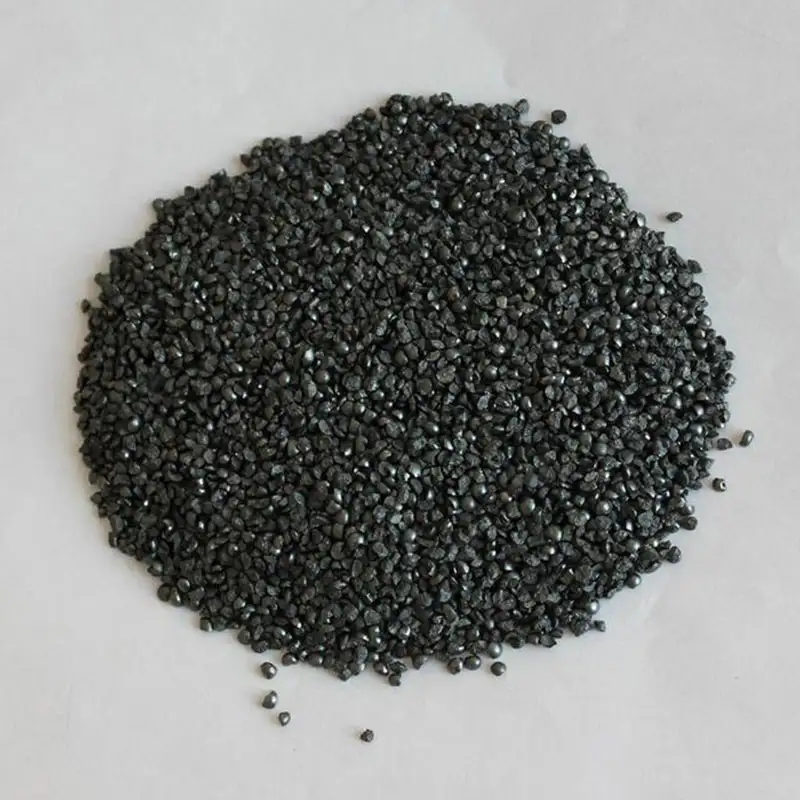
G40 Cast Steel Grit
Shandong Haishan Industrial Technology’s G40 cast steel grit features a medium-grain specification that complies with national standards. With a widely used particle size that balances cutting power and impact force, it serves as a standard choice for assembly-line operations and is the preferred option for bulk procurement of abrasives for medium-duty industrial applications. As a core, mainstream product within the G-series national standard, it strikes an excellent balance between cutting performance, durability, and low dust emission; its exceptional versatility makes it a standard, general-purpose abrasive suitable for routine heavy-industrial cleaning tasks.
Steel Grit from Haishan offers stable quality and fast delivery. Custom granularity and packaging available. Request a quote now.