How Can Concrete Counterweight Sand Deliver Higher Density, Better Stability, and More Efficient Precast Production
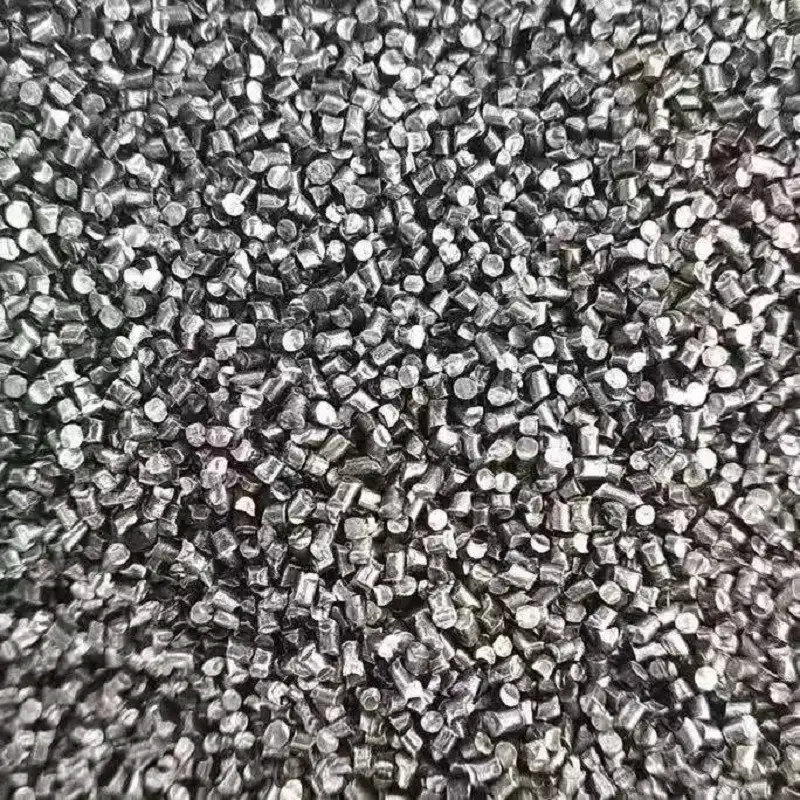
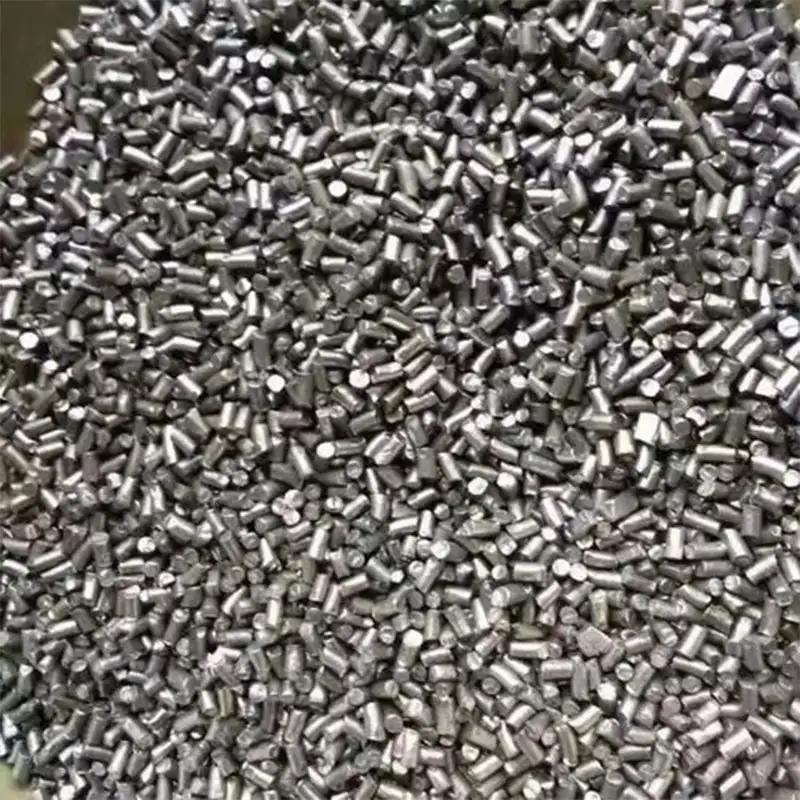
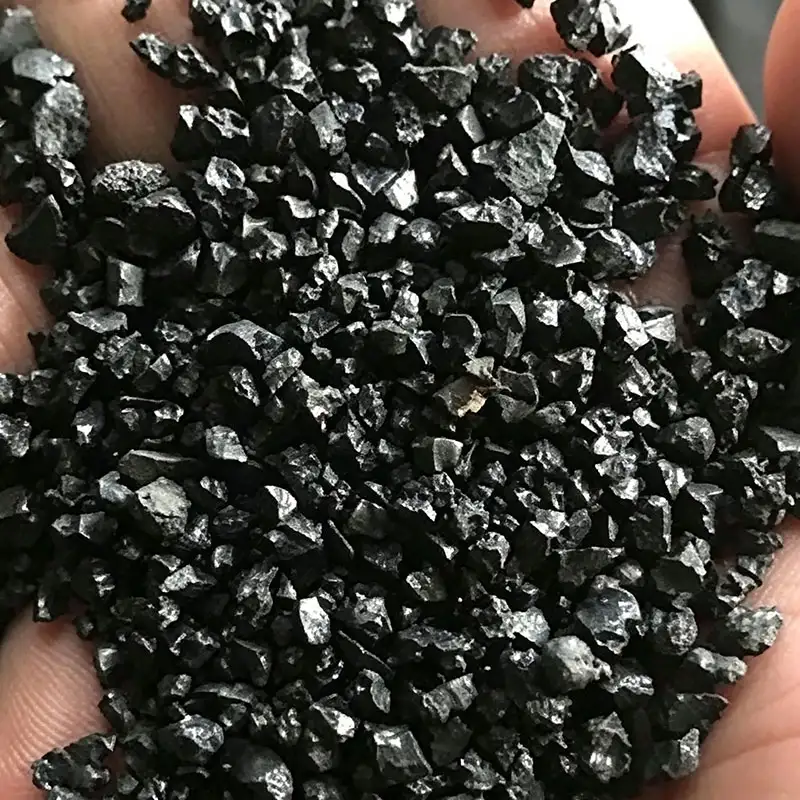
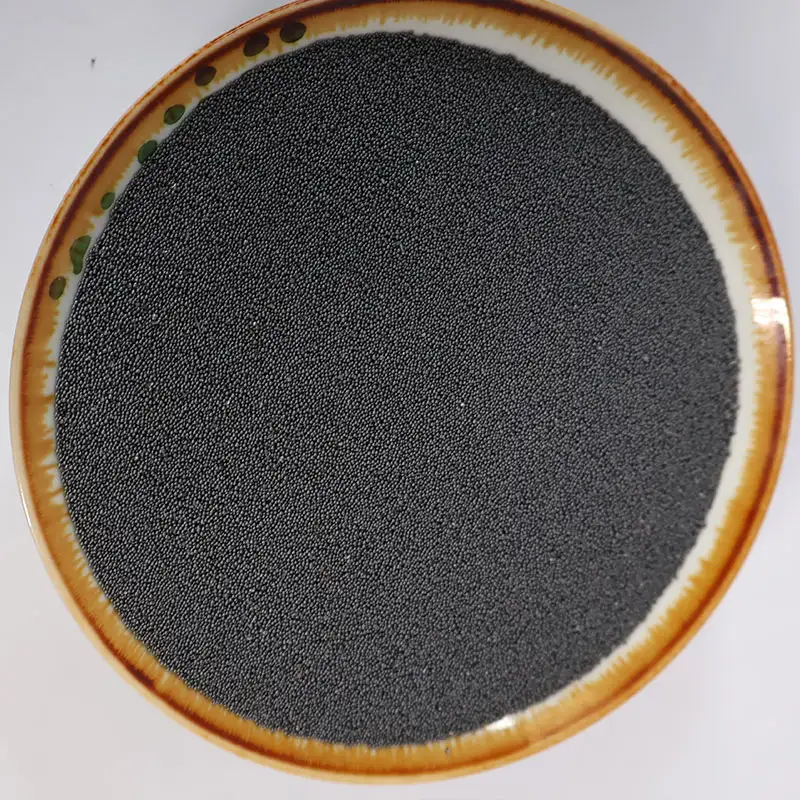
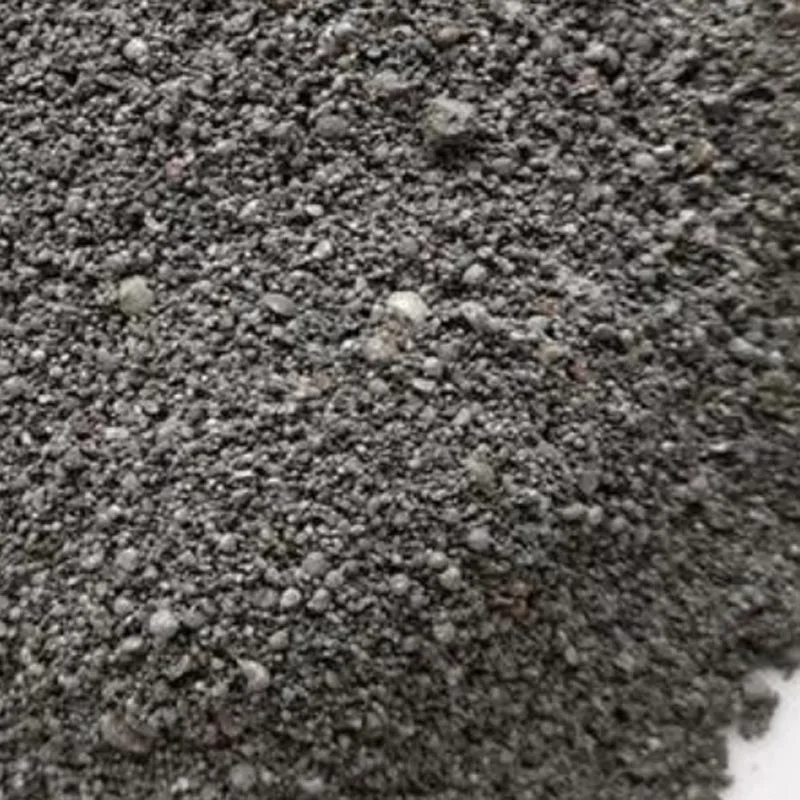
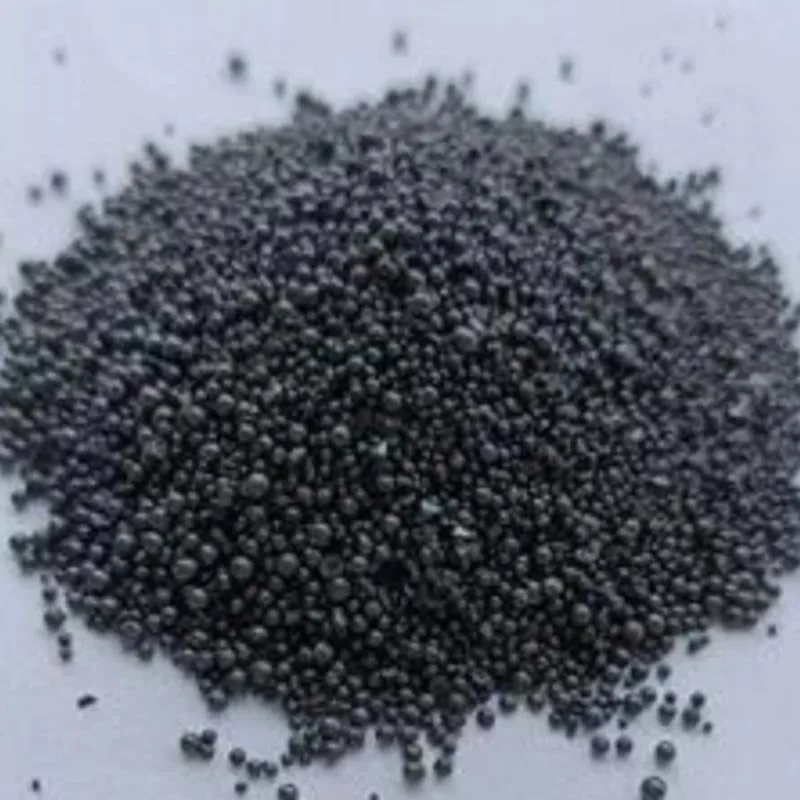
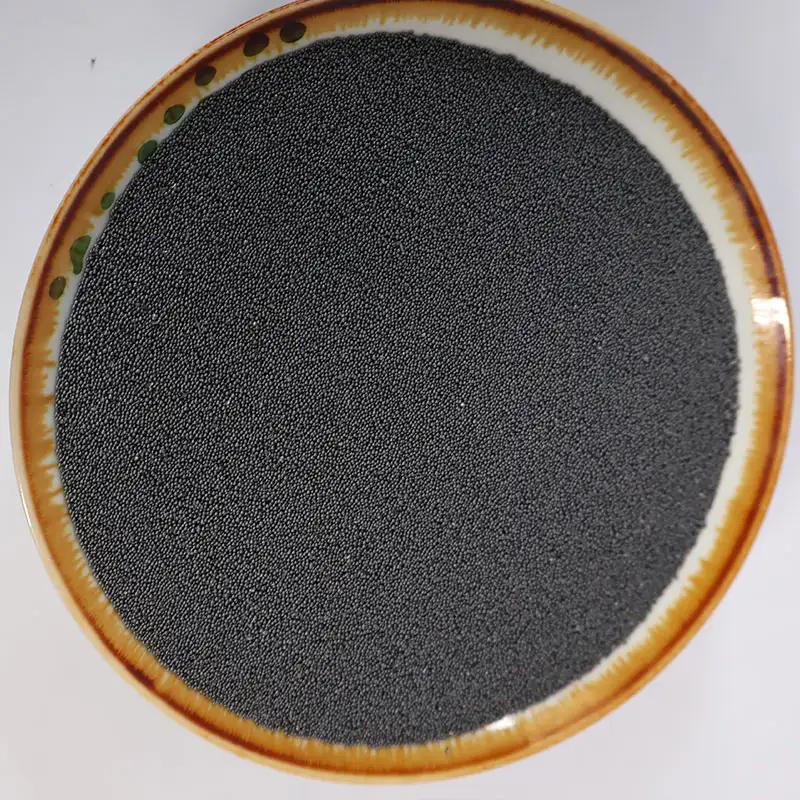
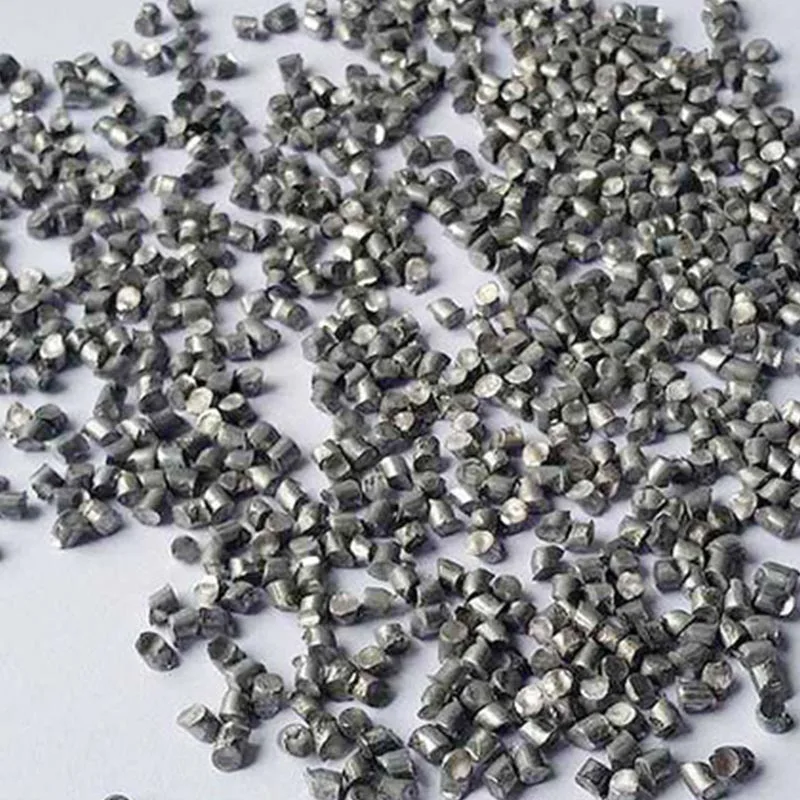
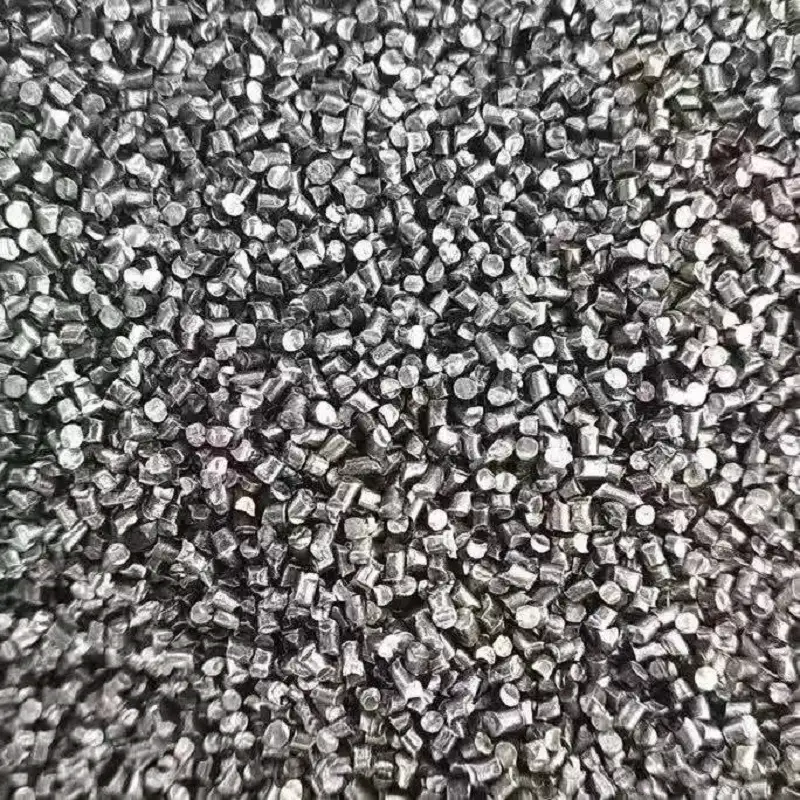
Concrete Counterweight Sand is an essential material for producing dense, stable, and structurally reliable concrete counterweights, and Haishan has developed a graded iron-based aggregate specifically for wet concrete mixing and precast applications. With a stable bulk density of 6.9–7.1 g/cm³, continuous particle grading, and hydrophilic surface modification, this heavyweight aggregate helps manufacturers achieve uniform weight distribution while improving the efficiency of automated concrete production.
Concrete counterweights are widely used where controlled mass, structural stability, and compact dimensions are important. However, conventional aggregates may create segregation, inconsistent density, excessive voids, or difficulties during automated mixing. Concrete Counterweight Sand addresses these challenges by combining high density with controlled particle grading and improved cement bonding.
Haishan's concrete counterweight aggregate is engineered for wet mixing with cement and water. Its hydrophilic surface treatment improves particle wettability and helps prevent heavy particles from rapidly sinking during mixing and vibration. The result is a more homogeneous concrete structure with consistent weight distribution and strong integration between aggregate and cement paste.

Table of Contents
- What Is Concrete Counterweight Sand?
- Why Does Density Matter in Concrete Counterweight Production?
- What Are the Key Technical Features?
- How Does Hydrophilic Modification Reduce Segregation?
- What Benefits Does It Bring to Precast Concrete Factories?
- Where Is Concrete Counterweight Sand Used?
- How Should Buyers Select the Right Counterweight Aggregate?
- How Does It Compare with Conventional Iron Sand?
- What Should Buyers Consider When Purchasing in Bulk?
- FAQ About Concrete Counterweight Sand
- Conclusion
What Is Concrete Counterweight Sand?
Concrete Counterweight Sand is a high-density, iron-based aggregate designed to be incorporated into concrete rather than simply used as a dry filling material. It is particularly suitable for precast components in which high mass and structural strength need to be achieved within a relatively compact volume.
Unlike ordinary construction sand, this type of heavyweight aggregate is engineered around the specific requirements of counterweight production. Continuous particle grading allows coarse and fine particles to work together more efficiently, reducing unnecessary voids and supporting a denser finished concrete structure.
The material is intended for wet mixing with cement and water. This distinction is important because its surface modification is optimized for interaction with cement slurry rather than free-flowing dry filling. Buyers looking for dry-filled counterweight boxes should therefore request an alternative grade designed specifically for dry applications.
Why Does Density Matter in Concrete Counterweight Production?
Density directly affects the amount of weight that can be achieved within a specific mold volume. When a counterweight must reach a defined mass while maintaining compact dimensions, selecting a high-density aggregate can provide significant design advantages.
A well-graded heavyweight aggregate helps particles pack together more efficiently. Smaller particles can occupy spaces between larger particles, reducing voids and improving the compactness of the concrete matrix. This can help manufacturers achieve the desired counterweight performance without unnecessarily increasing component dimensions.
According to Haishan's product information, its aggregate has a bulk density of approximately 6.9–7.1 g/cm³ and can provide a claimed 20% higher weighting effect compared with ordinary aggregates through improved particle packing and concrete compactness. Actual finished density and performance should always be verified through project-specific mix trials.
| Property | Concrete Counterweight Sand | Importance to Counterweights |
|---|---|---|
| Material Type | Graded iron-based aggregate | Provides high mass within a compact concrete volume |
| Bulk Density | 6.9–7.1 g/cm³ | Supports high-density concrete production |
| Particle Grading | Continuous grading | Improves packing and reduces voids |
| Surface Treatment | Hydrophilic modification | Improves interaction with cement slurry |
| Mixing Method | Wet mixing | Suitable for cement-based precast production |
| Automation Compatibility | Suitable for automated feeding and mixing | Supports standardized large-scale production |
What Are the Key Technical Features?
Choosing counterweight aggregate based only on density is not enough. Particle distribution, cement compatibility, segregation resistance, and production consistency can all influence the final performance of a precast counterweight.
- Continuous particle grading: A controlled combination of particle sizes helps improve packing density and concrete compactness.
- High bulk density: A density range of 6.9–7.1 g/cm³ provides a strong foundation for heavyweight concrete applications.
- Hydrophilic surface modification: The treated particle surface improves wettability and interaction with cement paste.
- Reduced segregation: The formulation is designed to help prevent heavy particles from rapidly settling during mixing and vibration.
- Strong cement bonding: Improved integration between aggregate and cement can contribute to a dense and stable finished component.
- Automation readiness: The material is designed to work with mechanical feeding and continuous mixing systems used in modern precast factories.
How Does Hydrophilic Modification Reduce Segregation?
Segregation is one of the major challenges when high-density aggregates are introduced into concrete. Because iron-based particles are considerably heavier than conventional mineral aggregates, untreated material can settle quickly during mixing or vibration.
Haishan addresses this issue through hydrophilic surface modification. The treatment improves the particles' wettability, allowing them to interact more effectively with cement slurry. Instead of rapidly separating from the mixture, the particles can remain more evenly distributed throughout the concrete matrix.
This matters because a counterweight is expected to have consistent mass throughout its volume. Significant concentration of heavy aggregate in one area can create local variations in density and potentially affect the balance or structural characteristics of the finished component.
For automated production, improved dispersion can also contribute to more repeatable mixing results, helping manufacturers establish a more consistent production process.
What Benefits Does It Bring to Precast Concrete Factories?
For manufacturers, the value of a heavyweight aggregate extends beyond its material density. The aggregate should also support production efficiency, repeatability, and quality control.
1. More Efficient Weighting
Higher-density aggregate allows manufacturers to achieve substantial mass without proportionally increasing the overall dimensions of a counterweight. This can be especially useful when mold space, transportation volume, or installation dimensions are limited.
2. More Uniform Weight Distribution
Controlled grading and improved resistance to segregation help distribute heavyweight particles throughout the cement matrix. A more uniform mixture supports consistent density across the finished product.
3. Better Production Standardization
Consistent particle grading makes it easier for precast manufacturers to establish repeatable mixing and pouring procedures. This is particularly valuable for factories producing large quantities of standardized counterweight blocks.
4. Compatibility with Automated Production
For modern precast factories, raw materials need to work with mechanical feeding and continuous mixing equipment. Haishan's product is designed for automated production environments and forced-action mixing systems.
5. Potential Mold and Material Optimization
More efficient particle packing can increase the weighting effect within a given volume. Haishan states that its optimized aggregate can provide a 20% higher weighting effect than ordinary aggregates, potentially allowing smaller mold cavities for applications targeting the same weight. Project-specific trials are recommended before adopting this figure for engineering calculations.
Where Is Concrete Counterweight Sand Used?
Concrete Counterweight Sand is primarily intended for applications where heavyweight concrete needs to be cast as an integrated structural component. Typical applications include:
- Elevator counterweights: Used in factory-produced elevator counterweight blocks where controlled mass and compact dimensions are important.
- Engineering machinery counterweights: Suitable for precast blocks used to provide additional balance and stability for machinery.
- Counterweight wall panels: Applicable where a heavyweight concrete element must also provide structural functionality.
- Equipment counterweight bases: Can be incorporated into concrete bases designed to stabilize industrial equipment.
- Municipal engineering counterweight piers: Suitable for selected infrastructure applications requiring integrated heavyweight concrete structures.
These applications share a common requirement: the aggregate must contribute not only weight but also predictable behavior during concrete mixing, casting, vibration, and curing.
How Should Buyers Select the Right Counterweight Aggregate?
Before purchasing, engineering and procurement teams should evaluate the complete production process rather than selecting material based solely on a density figure.
- Define the target weight: Determine the required finished mass of the counterweight and available mold volume.
- Confirm the production method: Verify whether the process uses wet concrete mixing or dry filling.
- Evaluate particle grading: Ask for particle-size distribution information and confirm compatibility with the intended concrete mix.
- Check bulk density: Use supplier data as a starting point, then validate actual performance through trial batches.
- Assess segregation behavior: High-density materials should remain sufficiently dispersed during mixing and vibration.
- Test cement compatibility: Conduct trials with the actual cement, water, admixtures, and mixing equipment used in production.
- Review documentation: For bulk procurement, request technical data sheets, SDS, and quality documentation such as a Certificate of Analysis.
How Does It Compare with Conventional Iron Sand?
| Factor | Conventional Iron Sand | Engineered Concrete Counterweight Sand |
|---|---|---|
| Particle Grading | May vary depending on source | Continuous controlled grading |
| Surface Treatment | May be untreated | Hydrophilic modification |
| Concrete Dispersion | Potential segregation concerns | Designed to reduce rapid settling |
| Cement Interaction | Depends on material characteristics | Designed for improved cement-particle interaction |
| Production Environment | May require process adjustment | Designed for precast and automated wet mixing |
| Quality Consistency | Depends heavily on source and processing | Controlled grading and quality monitoring |
The key difference is engineering purpose. A general iron sand may provide additional weight, but a dedicated counterweight aggregate is designed around the complete concrete production process, including particle distribution, cement bonding, and segregation control.
What Should Buyers Consider When Purchasing in Bulk?
For international buyers, choosing a reliable Concrete Counterweight Sand supplier involves evaluating both material quality and supply capability.
Haishan states that its bulk orders are supported by quality monitoring from raw material sourcing through final screening. Shipments can be accompanied by a Certificate of Analysis, while third-party pre-shipment inspections such as SGS or BV can be arranged upon request.
Packaging should also match the customer's handling system. Standard options include 1-ton FIBC jumbo bags for forklift handling and 25 kg woven bags for smaller operations. For large precast plants, full-container-load shipments may help maintain a stable supply of material.
When requesting a quotation from a China manufacturer or supplier, buyers should provide information such as:
- Required monthly or annual quantity
- Target finished counterweight density
- Concrete grade and cement type
- Mold dimensions
- Mixing equipment and production process
- Required packaging format
- Destination port or delivery location
- Required technical documentation and inspection standards
Providing these details allows the supplier's technical team to recommend a more suitable material and assist with trial mix development.
FAQ About Concrete Counterweight Sand
What is Concrete Counterweight Sand used for?
It is primarily used as a high-density aggregate in wet-mixed concrete counterweights, including elevator counterweights, engineering machinery blocks, equipment bases, counterweight panels, and selected municipal structures.
What is the bulk density of Haishan Concrete Counterweight Sand?
The stated bulk density is approximately 6.9–7.1 g/cm³. Actual finished concrete density depends on the complete mix design, compaction method, cement system, and production conditions.
Why is hydrophilic modification important?
Hydrophilic modification improves particle wettability and interaction with cement slurry. This helps reduce rapid settling and supports more uniform aggregate distribution throughout the concrete during mixing and vibration.
Can Concrete Counterweight Sand be used for dry filling?
No. The product described by Haishan is specifically optimized for wet mixing with cement and water. It is not recommended for dry-sealed counterweight boxes or other dry-fill applications. Buyers requiring dry-flowable material should request a different grade.
Can it be used in automated precast production?
Yes. The material is designed for mechanical feeding, continuous mixing, and automated precast production. However, production trials should be performed with the customer's specific equipment and concrete formulation.
How should the mix ratio be determined?
There is no universal mix ratio suitable for every project. The appropriate proportion should be established according to cement type, required strength, target density, mold design, workability, and production equipment. A trial batch is recommended before mass production.
What quality documents can buyers request?
For bulk orders, buyers can request technical data sheets, Safety Data Sheets, and Certificates of Analysis. Third-party pre-shipment inspection may also be arranged according to project requirements.
Conclusion: Is Concrete Counterweight Sand the Right Choice for Your Precast Project?
For manufacturers that need high-density concrete components with consistent weight distribution, Concrete Counterweight Sand offers a purpose-designed alternative to ordinary aggregates. Continuous grading, a 6.9–7.1 g/cm³ bulk density, hydrophilic surface modification, and compatibility with wet automated production make it suitable for demanding precast counterweight applications.
The most reliable approach is to evaluate the material together with the complete concrete formulation and production process. If you are sourcing heavyweight aggregate from a China factory, planning a new precast counterweight project, or looking for a stable bulk supply, Haishan can provide technical data, sample support, mix-design guidance, and factory-direct quotation options. Contact us today to discuss your required density, application, quantity, packaging, and delivery requirements and find a suitable Concrete Counterweight Sand solution for your production line.
Related News
- How Can Mechanical Filling Counterweight Sand Improve Equipment Stability, Weight Distribution, and Operational Reliability
- How Can Steel Wire Cut Shot Improve Heavy-Duty Surface Preparation and Industrial Efficiency
- How Can Mechanical Filling Counterweight Sand Improve Automated Ballast Filling and Equipment Stability
- How Can Mechanical Filling Counterweight Sand Improve Industrial Equipment Stability and Automated Filling Efficiency
- How Does Steel Shot Improve Industrial Surface Treatment Efficiency?
- High-Density Material Building Industrial Balance
Leave me a message