High Carbon Cast Steel Shot
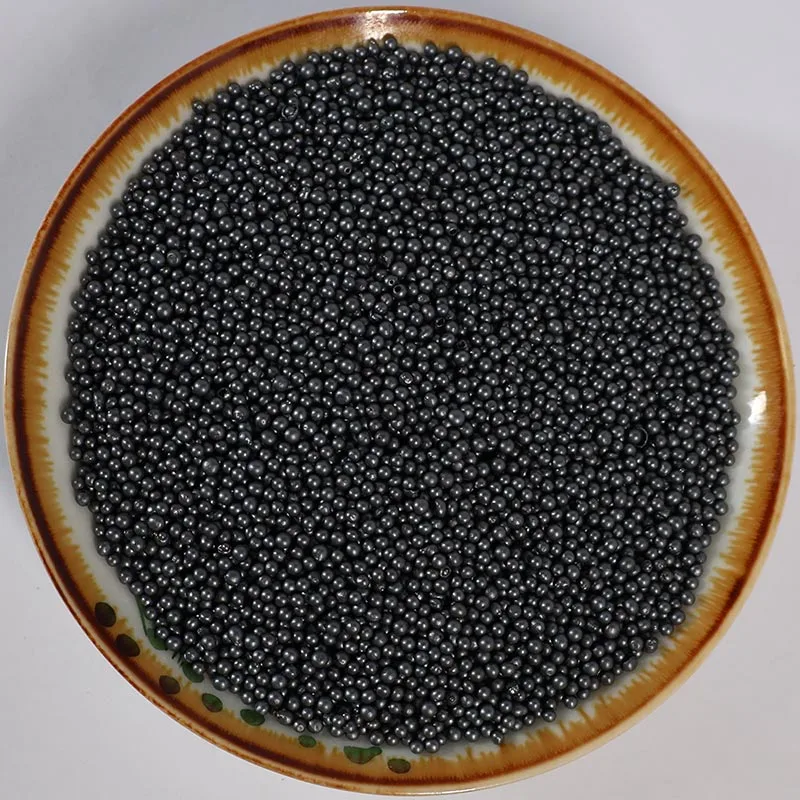
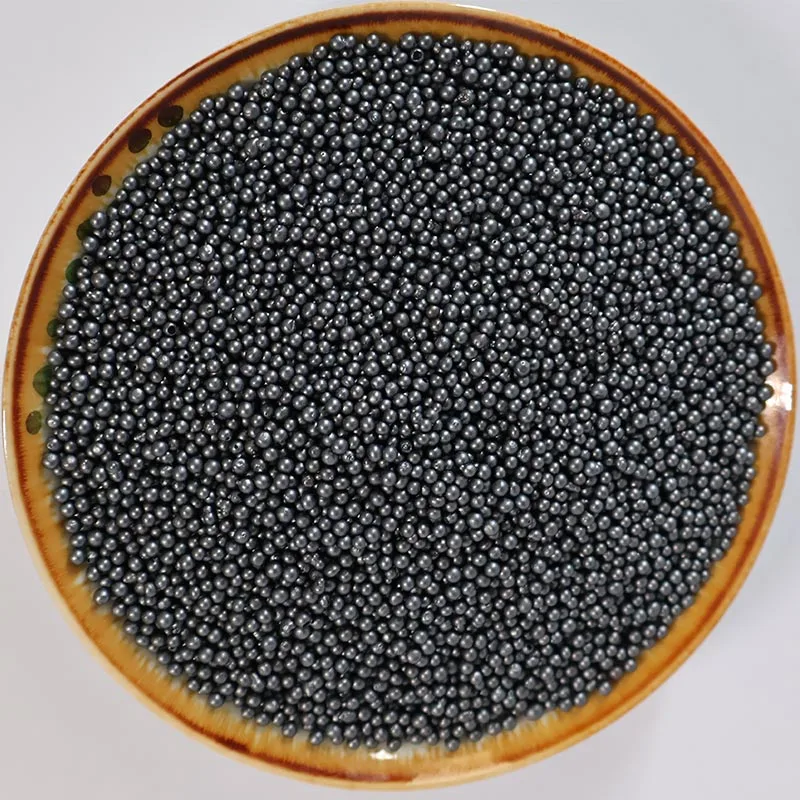
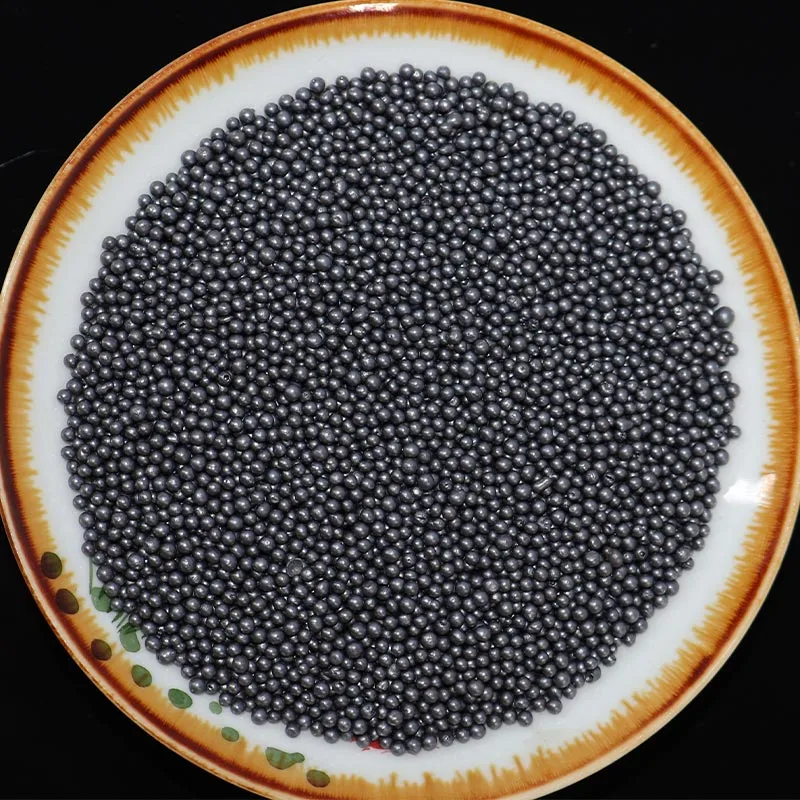
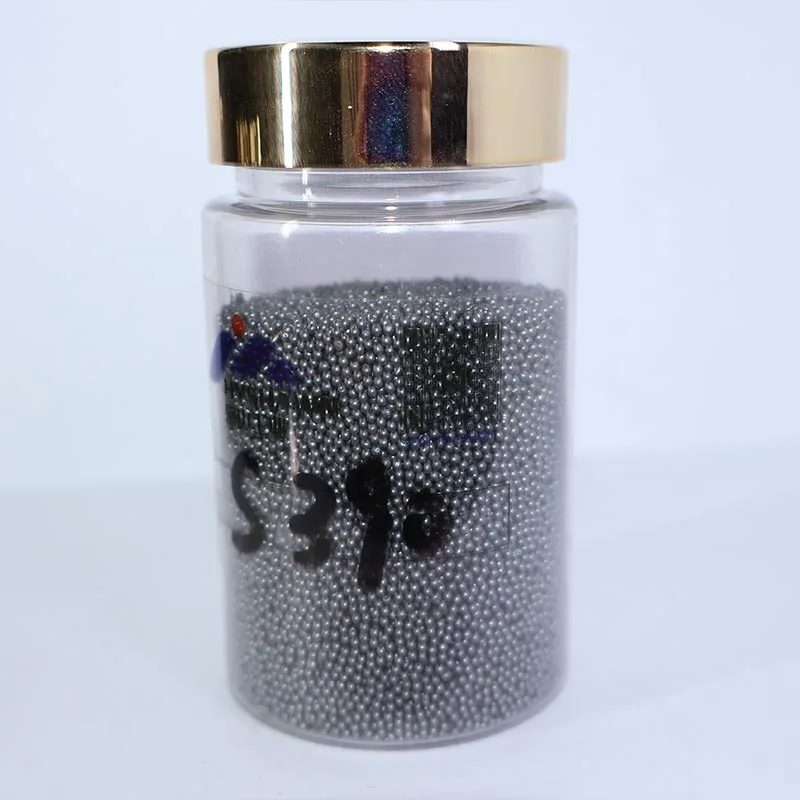
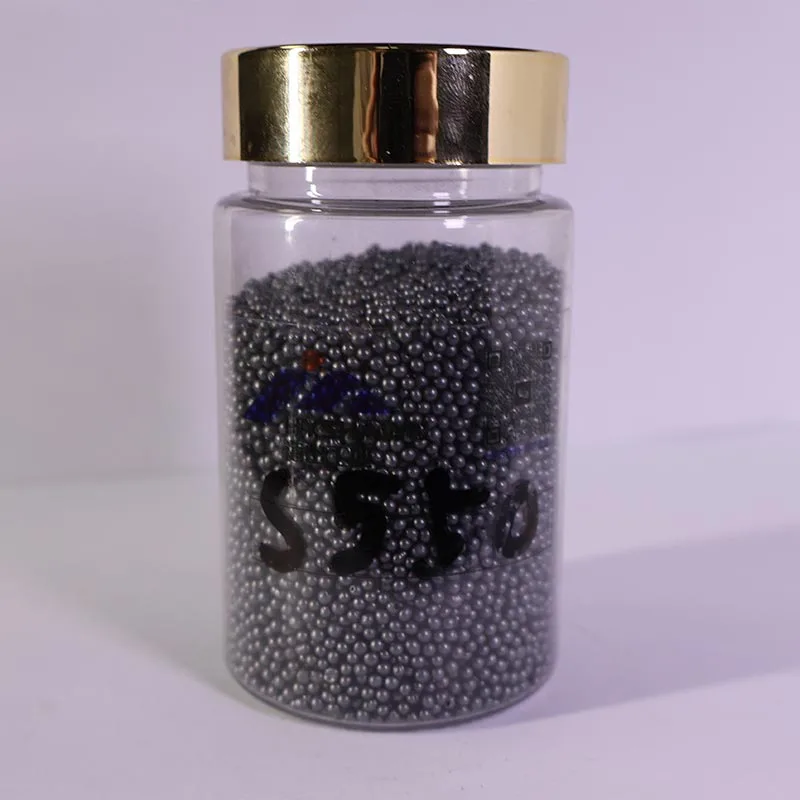
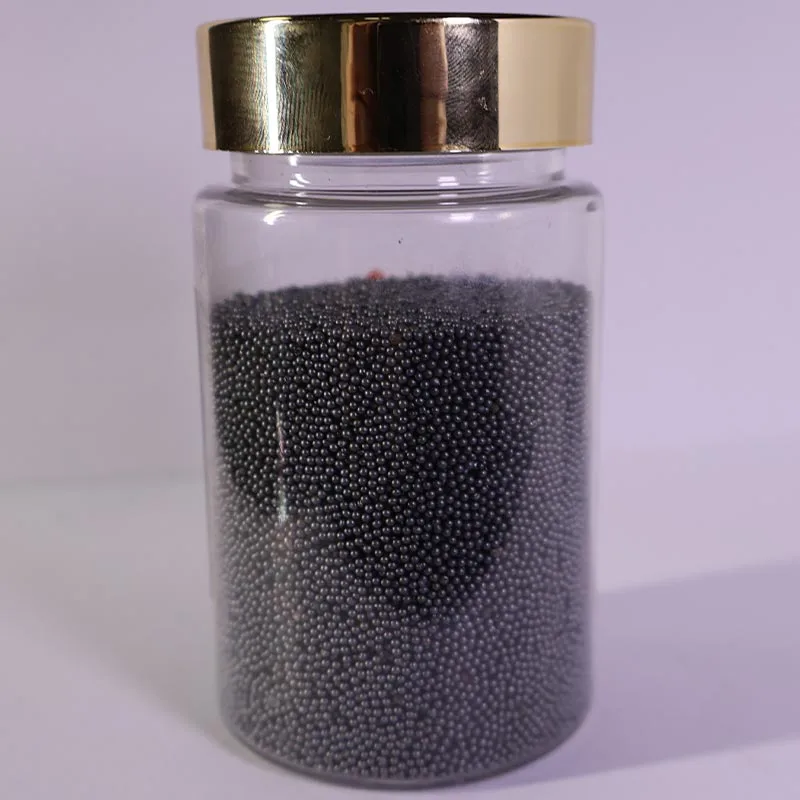
High Carbon Cast Steel Shot from Shandong Haishan Industrial Technology offers a cost-effective solution for bulk purchase of general shot blasting abrasives. Thanks to its balanced hardness and toughness, it delivers high performance in conventional rust removal applications across foundry and steel structure industries. Project centralized procurement and long-term factory stocking are also supported.
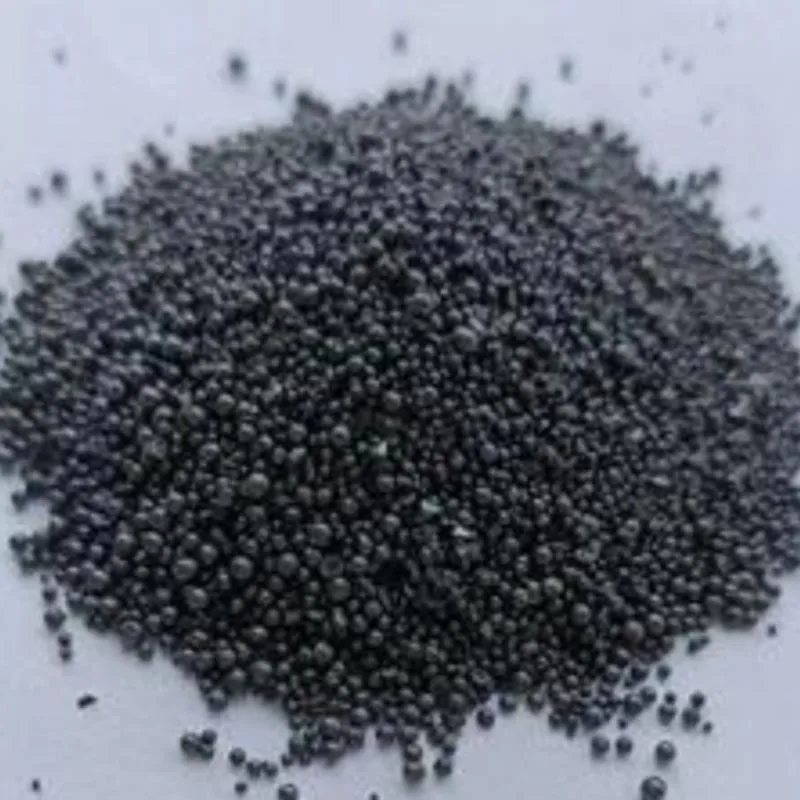
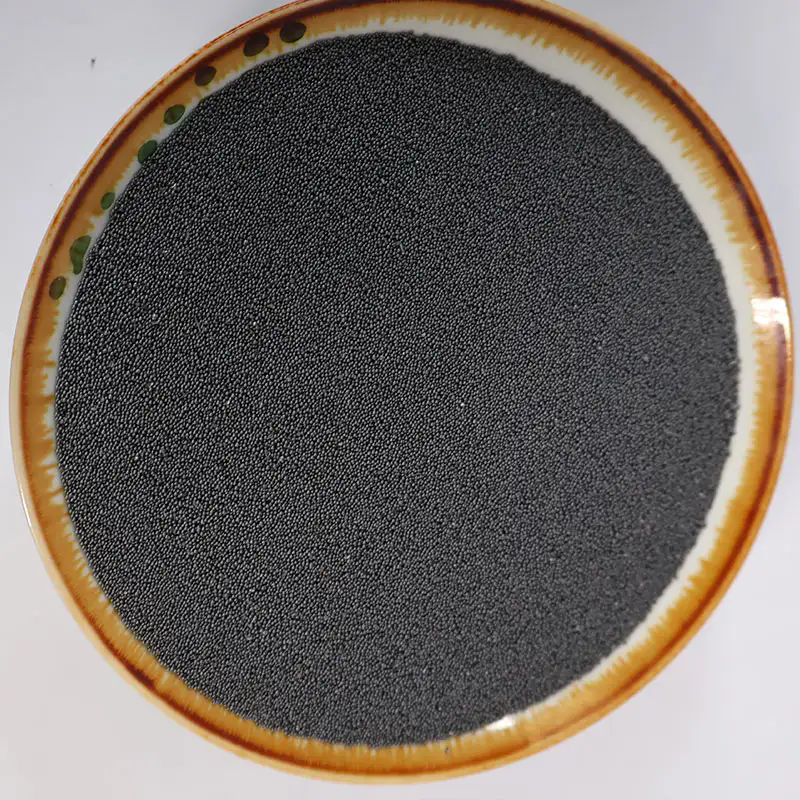
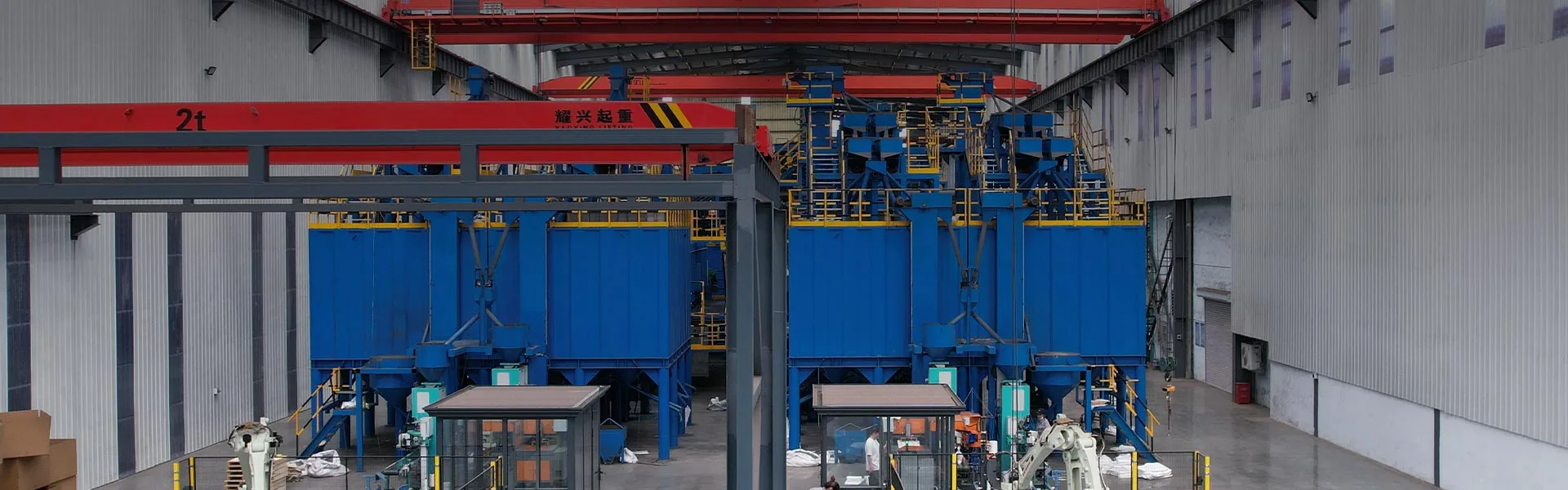
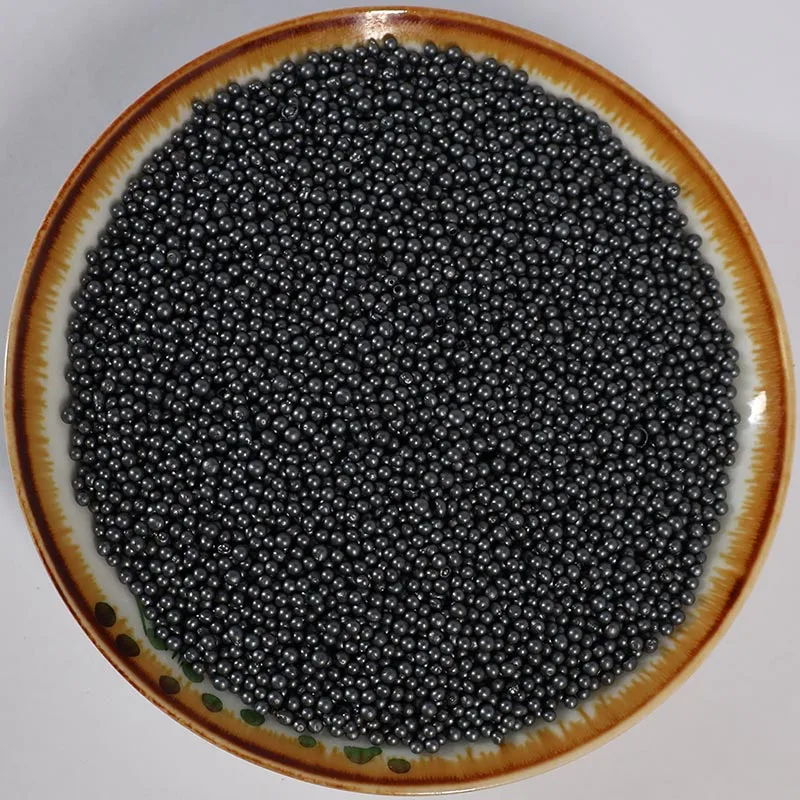
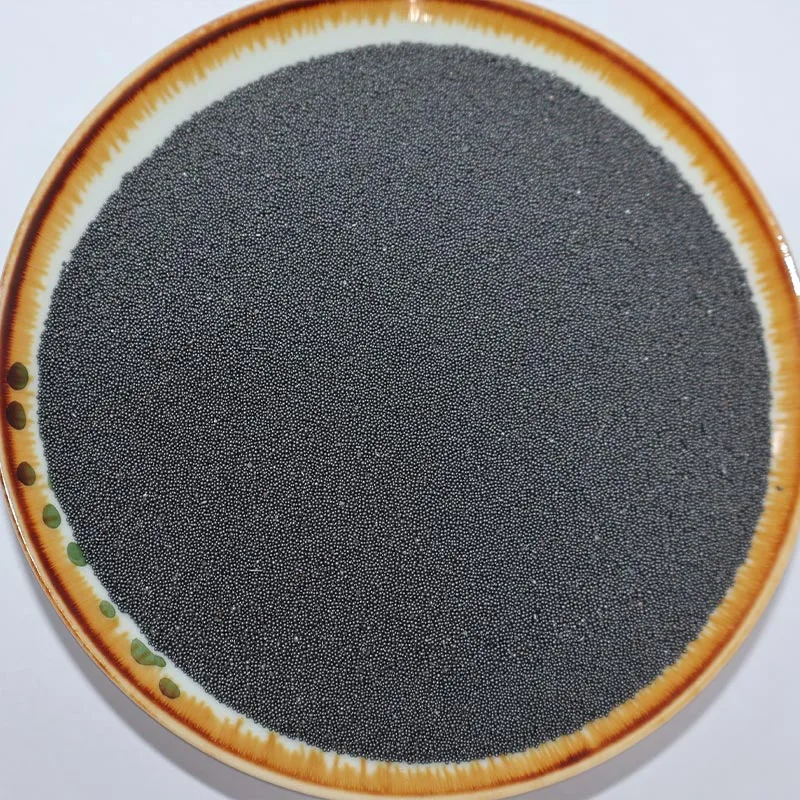
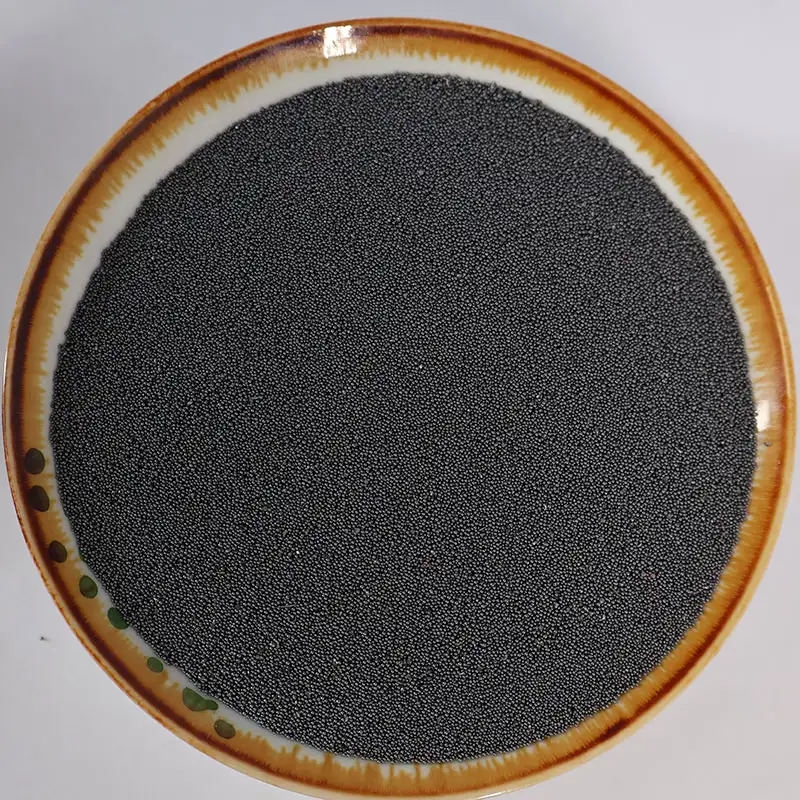
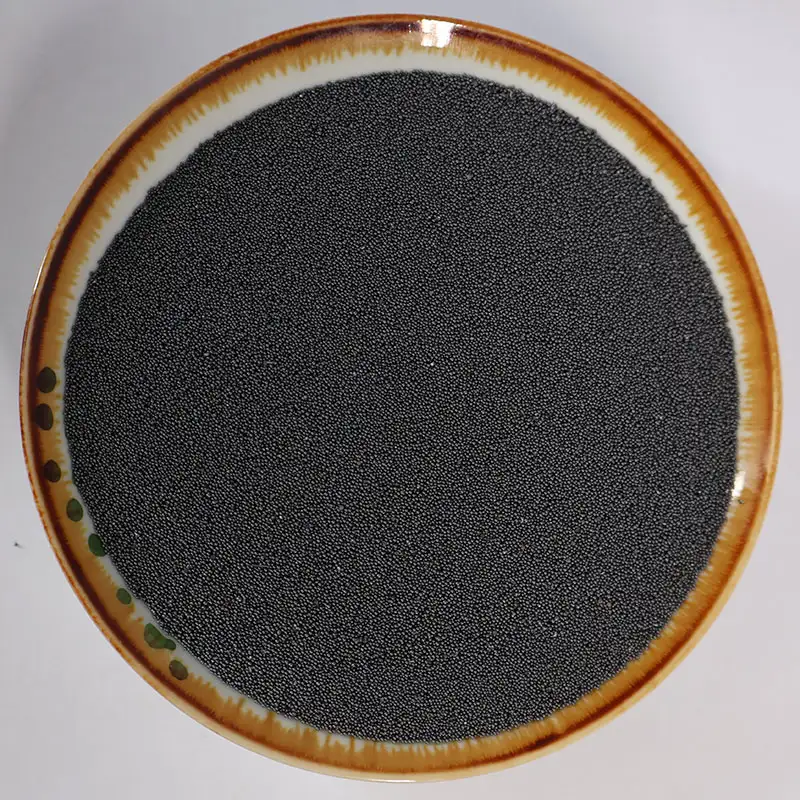
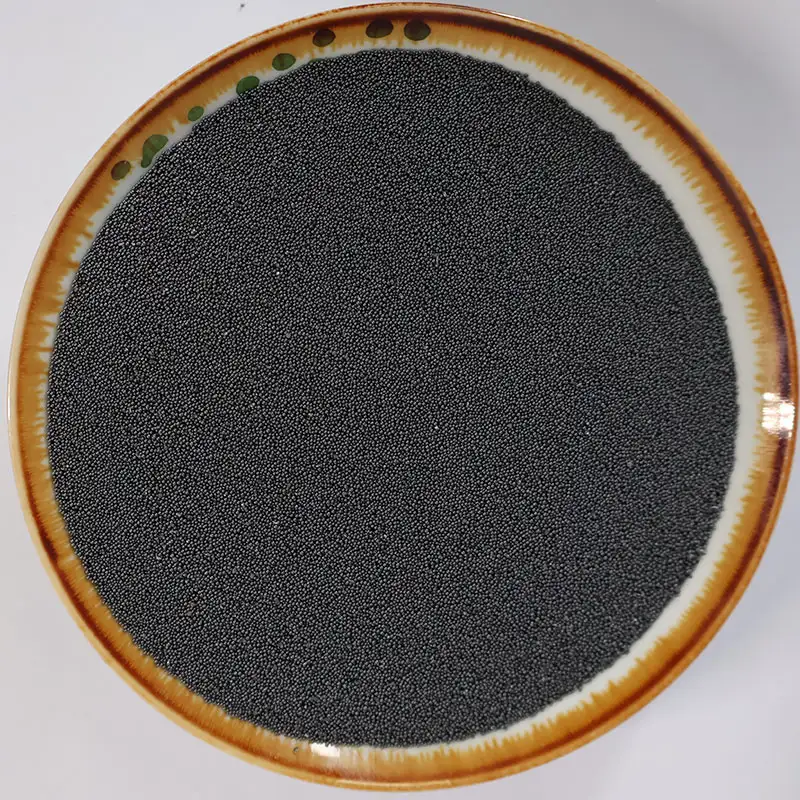
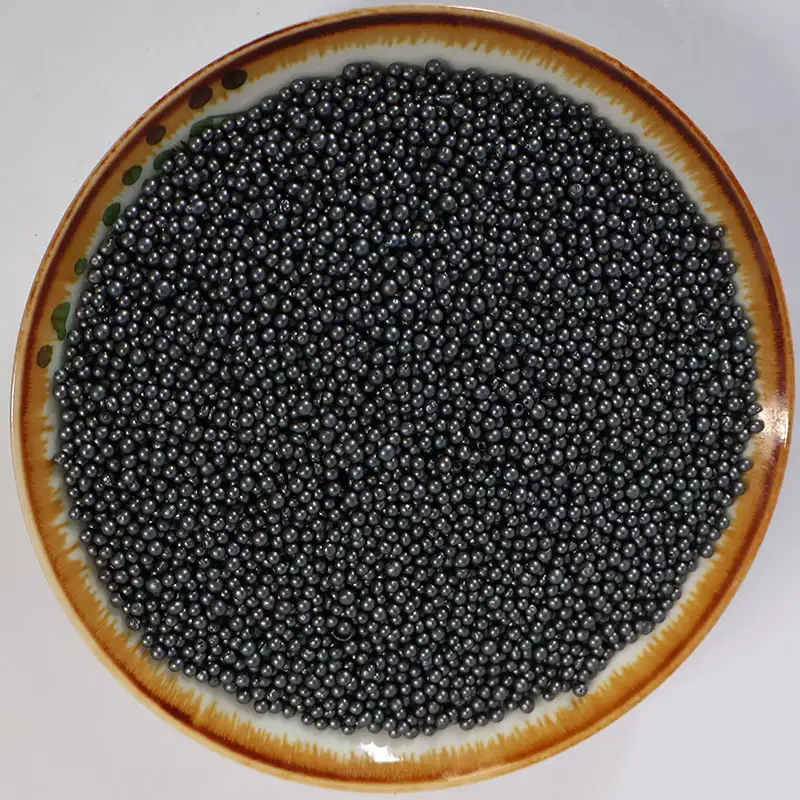
Shandong Haishan Industrial Technology manufactures High Carbon Cast Steel Shot for general shot blasting and surface preparation. With an annual production capacity of 100,000 tons and customers in more than 50 countries, the company supplies this spherical abrasive to foundries, steel fabricators, and machinery plants. This steel shot is made from high carbon steel and heat-treated to provide a balance of hardness, impact energy, and recyclability. It is intended for moderate rust removal, sand cleaning, and standard coating preparation on carbon steel workpieces.
Material and Heat Treatment Route
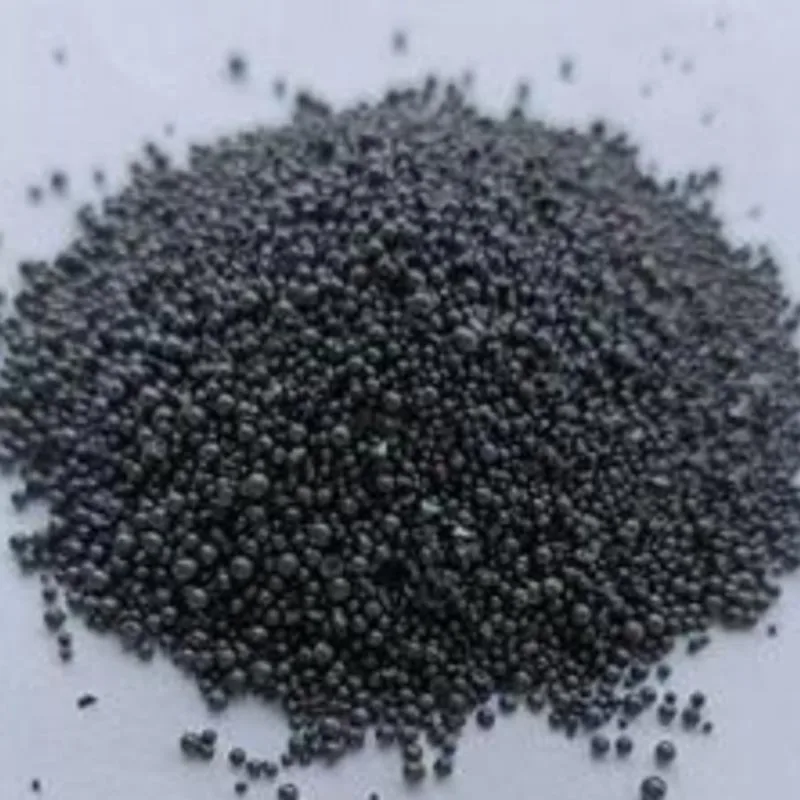
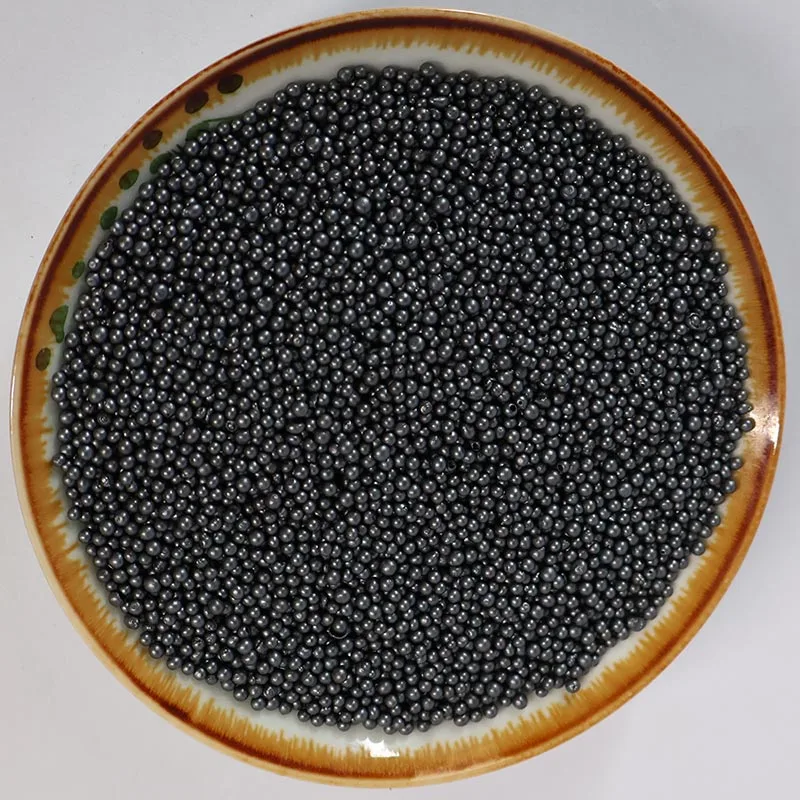
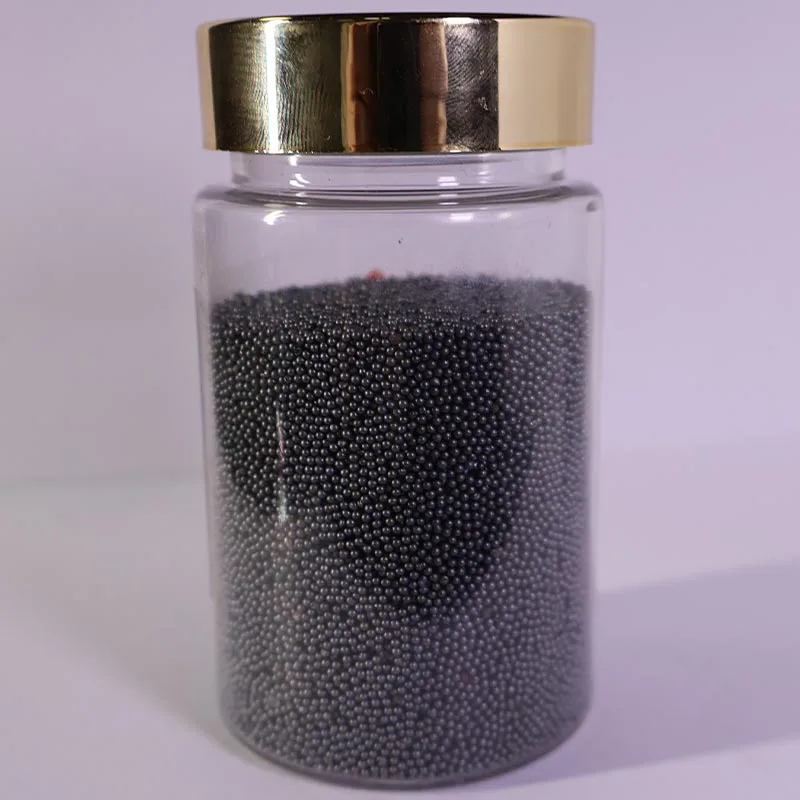
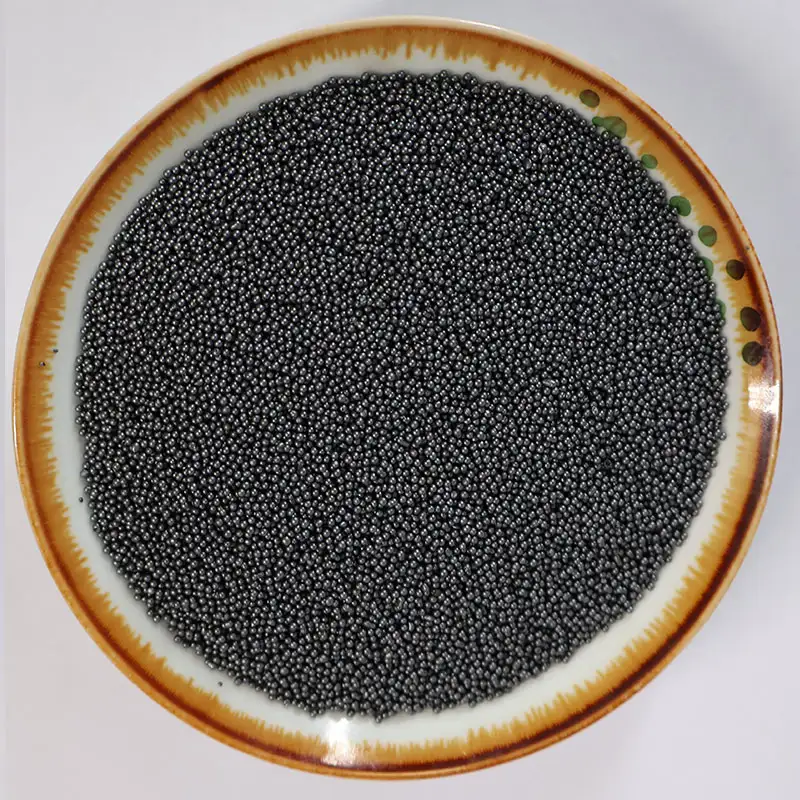
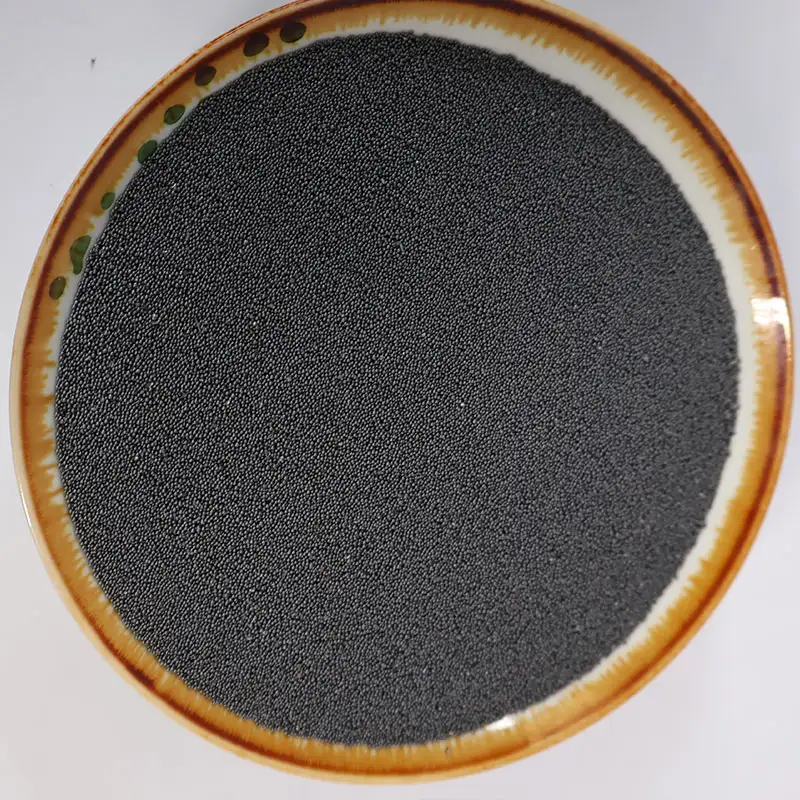
The raw material is high carbon steel scrap with a controlled carbon range of 0.85% to 1.20%. After melting, the steel is atomized into spherical shot using a high-pressure water process. The shot then undergoes quenching and tempering to produce a tempered martensitic structure. This heat treatment gives the product a hardness range of HRC 40–50, which offers sufficient impact force for general cleaning without being as brittle as higher-hardness abrasives. The particles are predominantly spherical, which helps produce a consistent impact pattern and good flowability through blasting equipment.
Technical Specification Summary
| Parameter | Typical Value |
| Material | High carbon steel |
| Carbon Content (%) | 0.85 – 1.20 |
| Hardness (HRC) | 40 – 50 |
| Metallographic Structure | Tempered martensite |
| True Density (g/cm³) | ≥7.4 |
| Bulk Density (g/cm³) | 4.2 – 4.5 |
| Particle Shape | Spherical (predominantly) |
| Common Sizes | SAE S70 – S780 |
Hardness is measured on mounted cross-sections with a Rockwell tester. Chemical composition is checked by direct-reading spectrometer on each heat. Particle size distribution is verified by sieve analysis according to SAE J444. Density is determined by the alcohol displacement method.
How the Abrasive Performs in Practice
- Balanced impact and toughness: The HRC 40–50 range allows the shot to transfer enough energy to remove ordinary rust and sand without shattering rapidly. This makes it a dependable choice for batch cleaning of steel parts.
- Consistent surface profile: Spherical shot produces a rounder, more uniform surface texture than angular grit. On carbon steel, cast steel shot typically creates a surface profile of 40–75 μm, suitable for many general anti-corrosion coating systems.
- Wide equipment compatibility: The product can be used in wheel blast machines, air blast cabinets, and automated lines without requiring special modifications. Operators may still need to adjust machine settings based on the specific workpiece.
- Cost-effective for standard cleaning: Cast steel shot is less expensive than alloy steel shot and lasts longer than many mineral abrasives. For moderate rust and scale, it provides a practical balance of performance and price.
Choosing the Right Particle Size
Particle size affects cleaning speed, surface profile, and the ability to reach tight areas. The table below provides a general starting point for common applications. Final selection should be confirmed by blasting a test area.
| Application | Recommended SAE Size | Notes |
| Light rust, thin sections | S170 – S230 | Finer finish, lower profile |
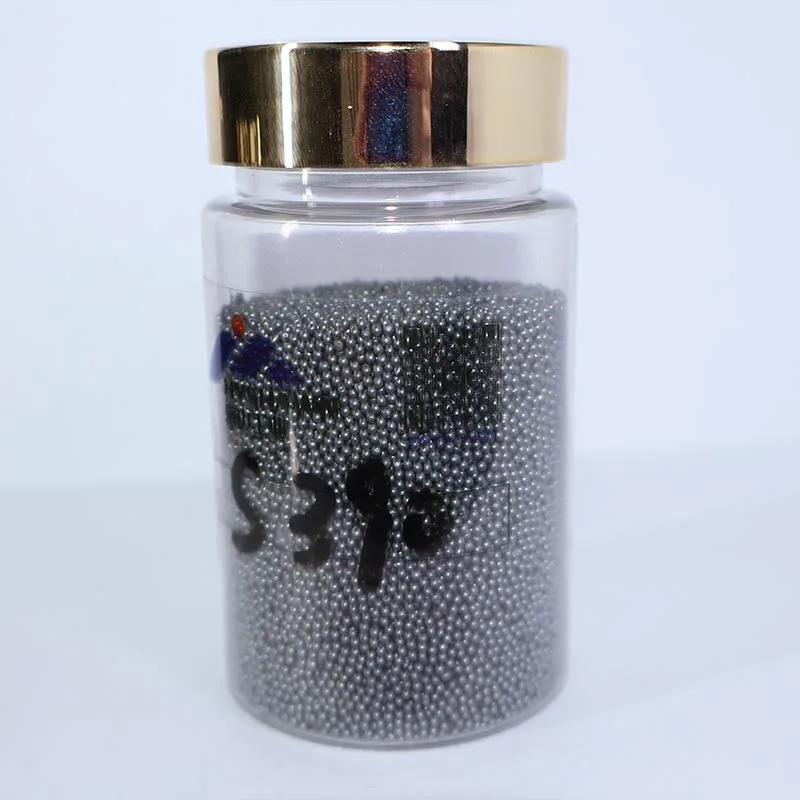
| Moderate rust, general steel | S280 – S390 | Balanced cleaning and profile |
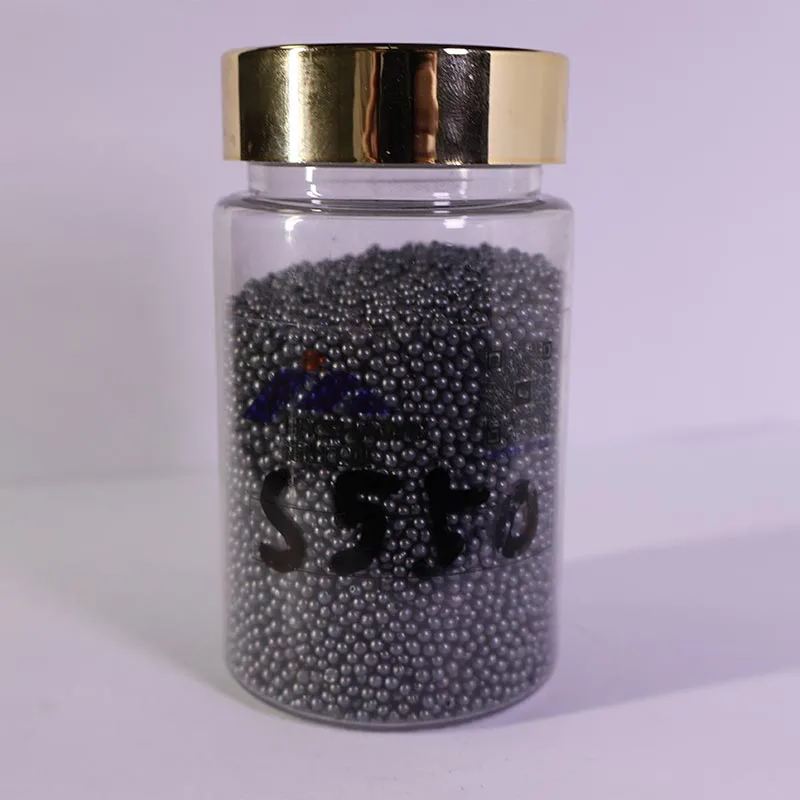
| Heavier scale, larger parts | S460 – S550 | Higher impact, rougher surface |
| Large structural sections | S550 – S780 | Maximum impact for thick scale |
For most structural steel and general fabrication work, S280–S390 is a common range. If the steel has only light surface rust, a finer size will produce a smoother profile with less material removal.
Compared with Other Abrasives
| Abrasive Type | Hardness (HRC) | Shape | Typical Use |
| Low Carbon Steel Shot | Lower | Spherical | Light cleaning, peening where less aggressive |
| Cast Steel Shot | 40 – 50 | Spherical | General cleaning, moderate rust and scale |
| Alloy Steel Shot | 55 – 65 | Spherical | High-strength parts, heavy-duty cleaning |
| Steel Grit | 42 – 66 | Angular | Heavy rust removal, deep anchor profile |
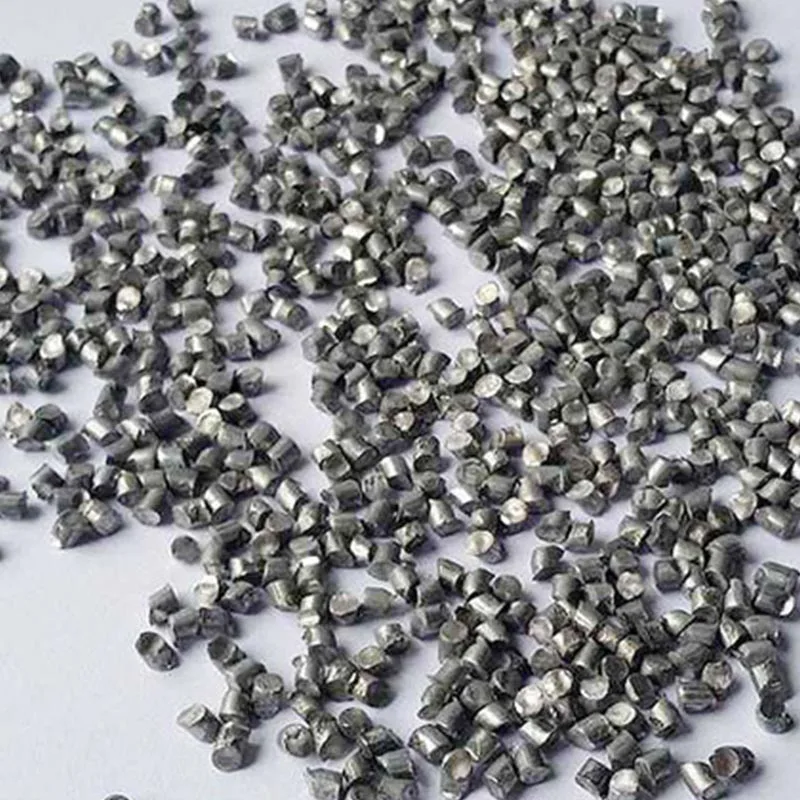
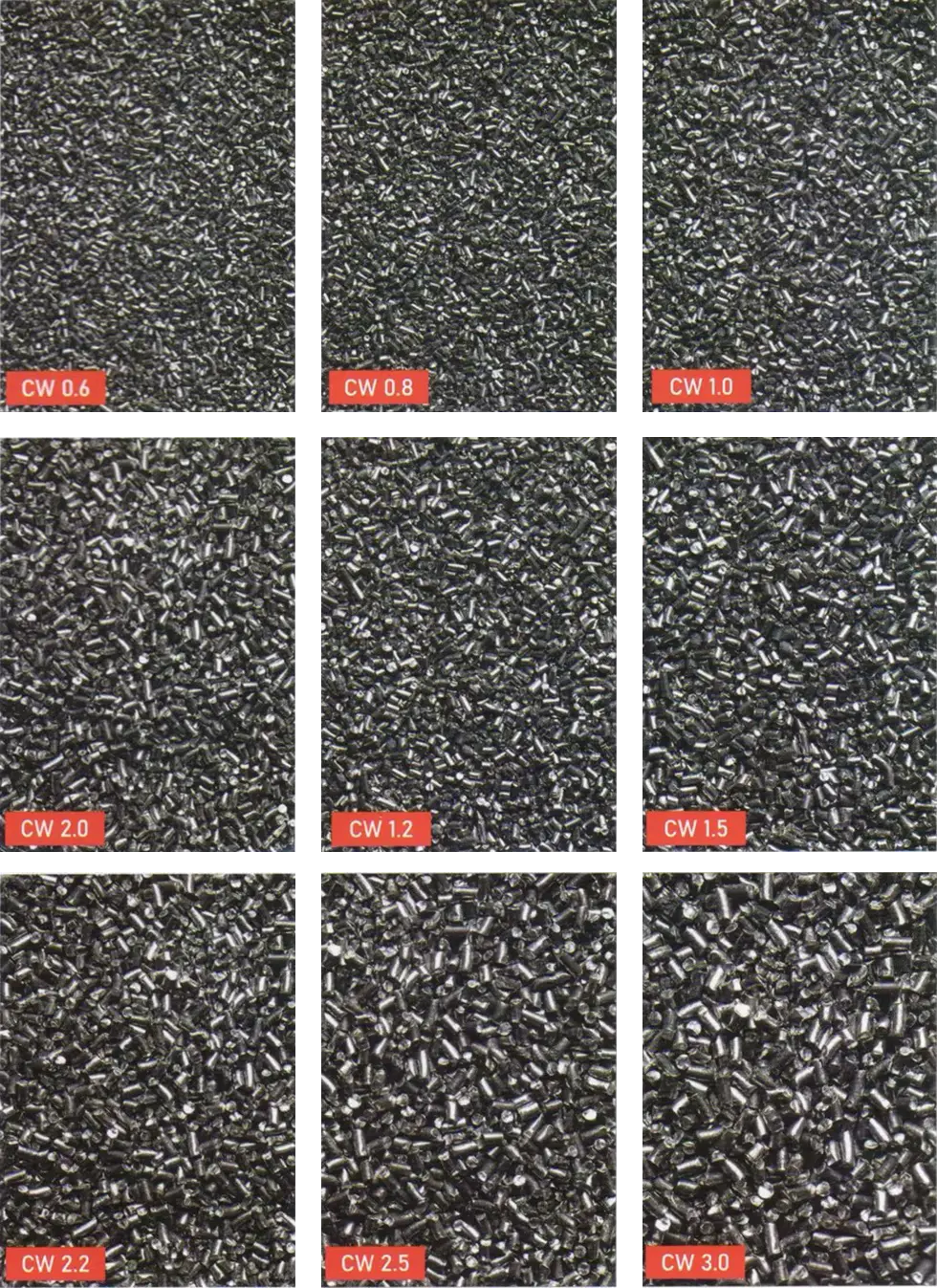
| Steel Wire Cut Shot | Variable | Cylindrical with sharp edges | Aggressive cleaning, deburring |
High Carbon Cast Steel Shot sits in the middle of this range: it cuts more than low carbon shot, costs less than alloy shot, and leaves a smoother finish than angular grit or cut wire. This makes it a standard choice for general blasting shops.
Limitations and Cautions
Cast steel shot is not recommended for heavy thick rust or hard mill scale, because the spherical shape and moderate hardness may require more passes than an angular grit. It is also not suitable for shot peening of high-strength parts that require a controlled compressive stress layer, unless the process is specifically qualified. For precision components or soft metals like aluminum, a finer abrasive or a non-ferrous media is usually safer. Under heavy-duty continuous blasting, the recycling life is shorter than alloy steel shot, and the working mix should be monitored and replenished regularly.
Quality Verification and Batch Records
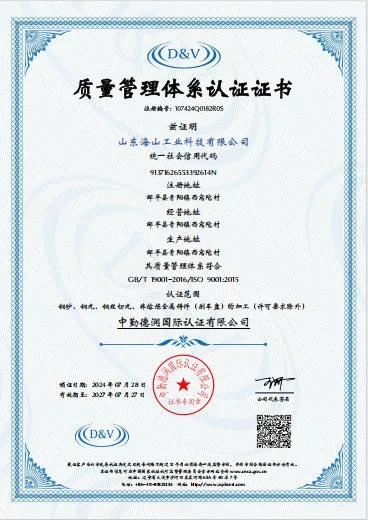
Every batch is sampled for chemical composition, hardness, and particle size distribution before shipment. The laboratory is equipped with a direct-reading spectrometer, Rockwell hardness tester, and sieve shaker. Metallographic examination is performed on selected samples to confirm the tempered martensitic structure. Certificates of analysis and test reports are provided with each order. Additional documents such as ISO 9001:2015 certification can be supplied on request. Batch traceability is maintained from the original steel heat to the final packaged product.
Packaging and Storage
Standard packaging is 25 kg bags with a moisture-resistant PE inner liner inside a woven polypropylene outer bag. 1,000 kg bulk bags on pallets are available for large orders. For export, pallets are prepared to meet ISPM 15 requirements. Store in a dry, covered area, and keep bags off the ground to prevent moisture absorption. The product does not require special pre-treatment before use.
Questions Buyers Often Ask
What hardness range is typical for cast steel shot?
Cast steel shot is usually supplied at HRC 40–50. This range provides a good balance of impact energy and toughness for general cleaning. Higher-hardness options are available for more demanding work, but they tend to fracture more easily.
Can cast steel shot be used to achieve Sa 2.5 surface preparation?
Cast steel shot can support Sa 2.5 preparation when the blasting parameters are properly controlled. Sa 2.5 is a cleanliness standard, not a surface profile value. The final result depends on the initial surface condition, abrasive size, blasting pressure, and exposure time. A test area should be blasted and inspected before full production.
How does cast steel shot compare with steel grit for rust removal?
Steel grit is angular and cuts the surface, making it more effective for heavy rust and thick scale. High Carbon Cast Steel Shot is spherical and works mainly by impact, leaving a smoother finish. For moderate rust, shot is often sufficient and produces less dust. For heavy rust, grit may be faster but leaves a rougher profile.
What sizes are available, and how do I choose?
Cast steel shot is available in SAE S70 through S780. The best size depends on the workpiece thickness, rust condition, and required profile. For general steel cleaning, S280–S390 is common. We can recommend a starting size after reviewing your application.
Can cast steel shot be recycled?
Yes, in closed-loop blasting systems, cast steel shot can be recycled many times. Particles wear down gradually and are removed by the separator when they become too small. The working mix is maintained by adding new shot as needed.
Is cast steel shot suitable for stainless steel or aluminum?
Cast steel shot is made from carbon steel and can cause ferrous contamination on stainless steel or aluminum surfaces. For those materials, use stainless steel shot or a non-metallic abrasive. For aluminum parts, even stainless steel may be too aggressive; a softer media is often preferred.
Particle Size Distribution
| Mesh | mm | SS 2.5 | SS 2.0 | SS 1.7 | SS 1.4 | SS 1.2 | SS 1.0 | SS 0.8 | SS 0.6 | SS 0.5 | SS 0.3 | SS 0.2 |
| 7 | 2.80 | all pass | all pass | all pass | all pass | all pass | ||||||
| 8 | 2.36 | all pass | all pass | all pass | all pass | all pass | all pass | |||||
| 10 | 2.00 | 97%min | all pass | all pass | all pass | all pass | all pass | all pass | ||||
| 12 | 1.70 | 97%min | 97%min | all pass | all pass | all pass | all pass | all pass | all pass | |||
| 14 | 1.40 | 97%min | 97%min | 95%min | all pass | all pass | all pass | all pass | all pass | all pass | ||
| 16 | 1.18 | 97%min | 95%min | 75%min | all pass | all pass | all pass | all pass | all pass | all pass | ||
| 18 | 1.00 | 97%min | 95%min | 85%min | 50%min | all pass | all pass | all pass | all pass | all pass | ||
| 20 | 0.850 | 95%min | 90%min | 85%min | 50%min | all pass | all pass | all pass | all pass | |||
| 25 | 0.710 | 95%min | 90%min | 85%min | 85%min | all pass | all pass | |||||
| 30 | 0.600 | 97%min | 97%min | 90%min | 80%min | 10%max | ||||||
| 35 | 0.500 | 97%min | 97%min | 90%min | 90%min | |||||||
| 40 | 0.425 | 97%min | 90%min | 90%min | ||||||||
| 45 | 0.355 | 90%min | 90%min | |||||||||
| 50 | 0.300 | 90%min | ||||||||||
| 60 | 0.250 | |||||||||||
| 80 | 0.180 | |||||||||||
| 120 | 0.125 | |||||||||||
| 170 | 0.075 | |||||||||||
| 235 | 0.053 | |||||||||||
| SAE | S 780 | S 660 | S 550 | S 460 | S 390 | S 330 | S 280 | S 230 | S 170 | S 110 | S 70 |
Related Category
Send Inquiry
Contact Info
-
Address
Qingyang Economic Development Zone, Zouping County, Shandong Province, China
-
Tel
-
Email
Send an inquiry to Haishan for quality steel shot, steel grit, cut wire shot and counterweight sand. Get factory direct wholesale price, free quotation and OEM customized solutions.
News Recommendations