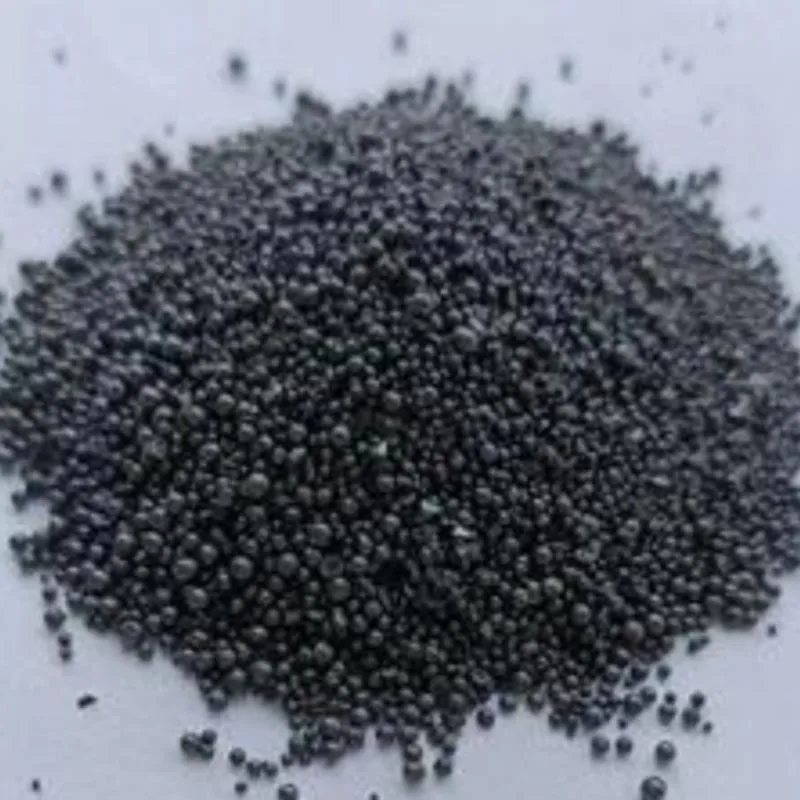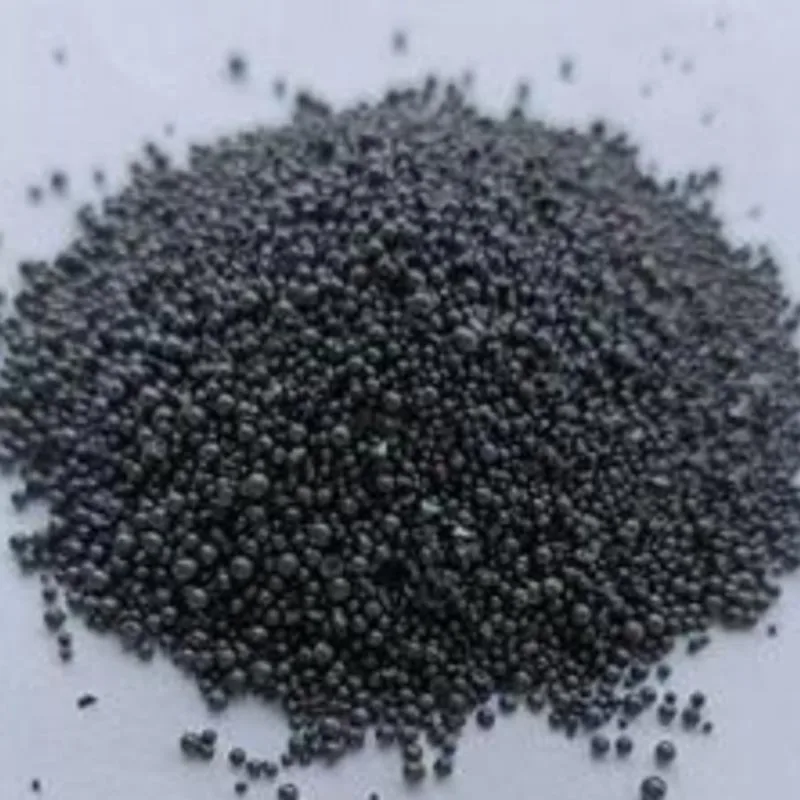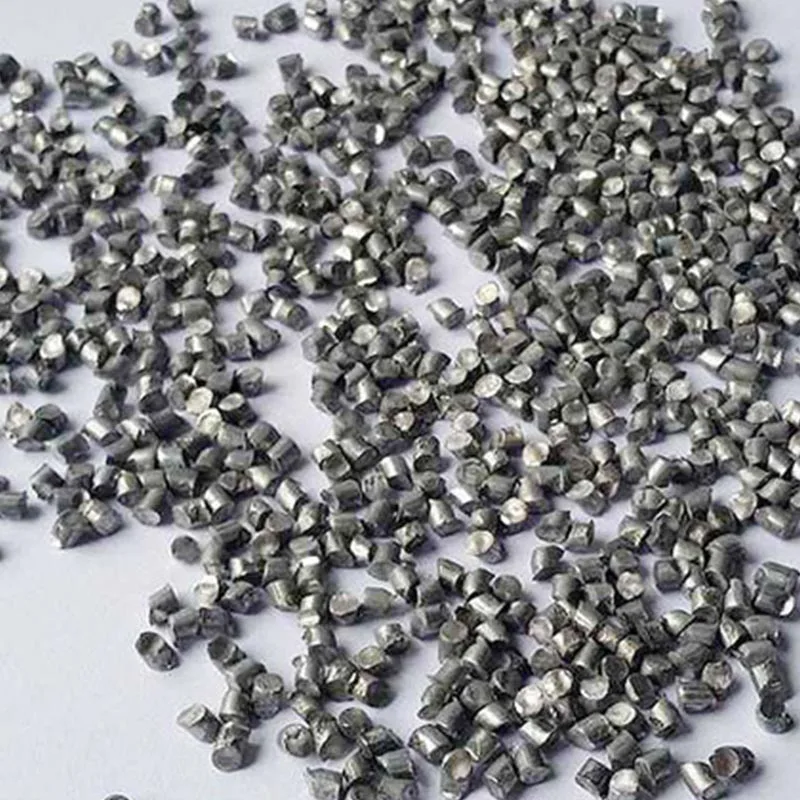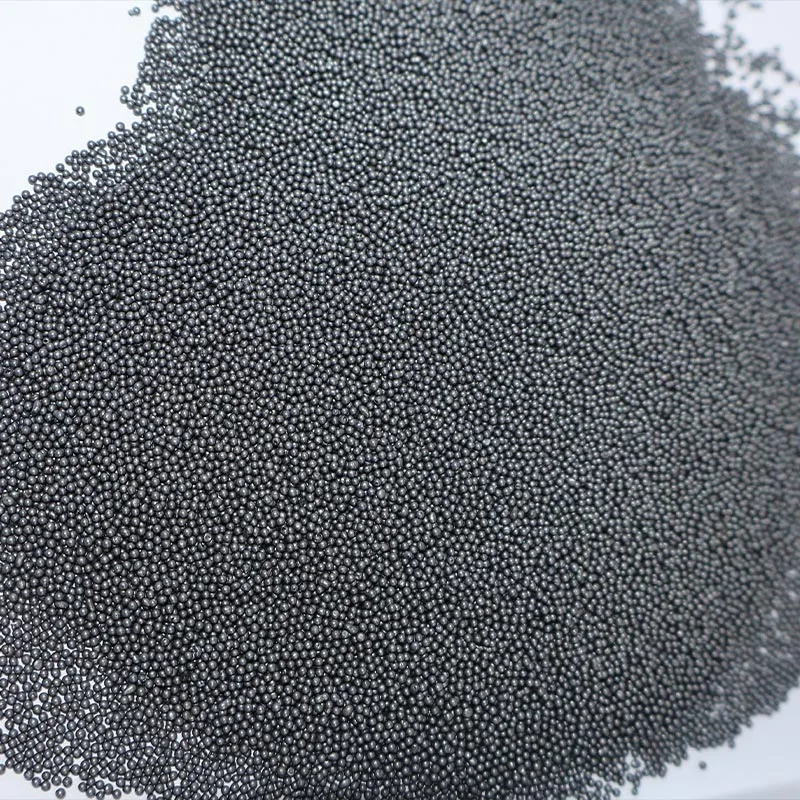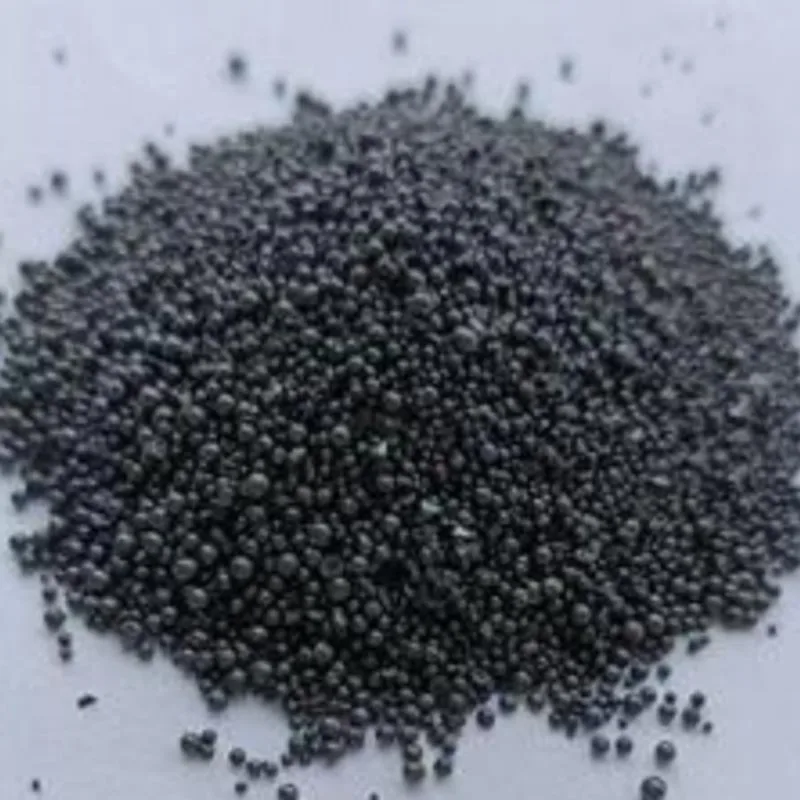
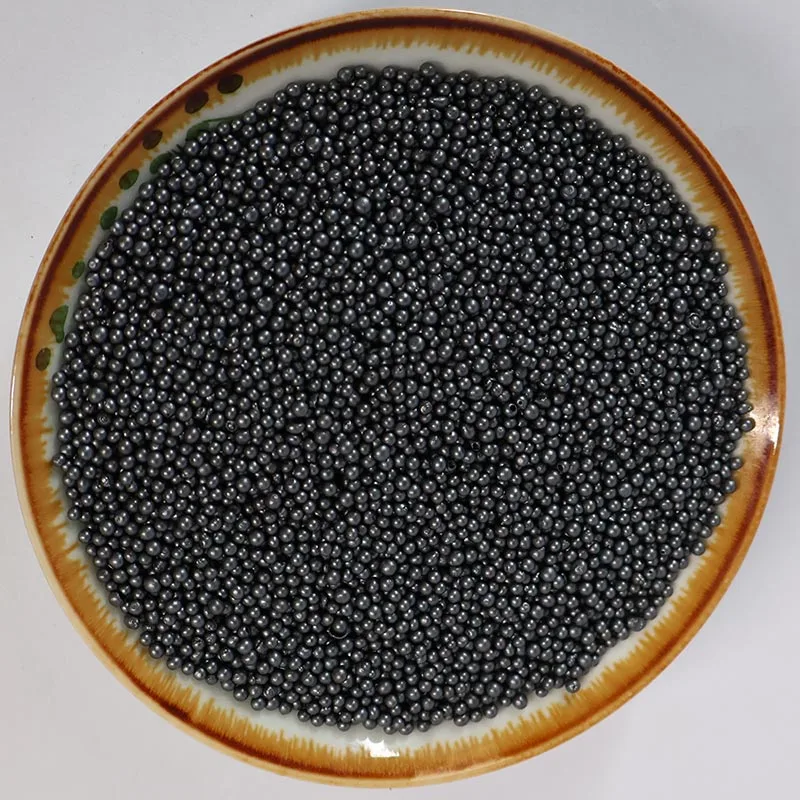
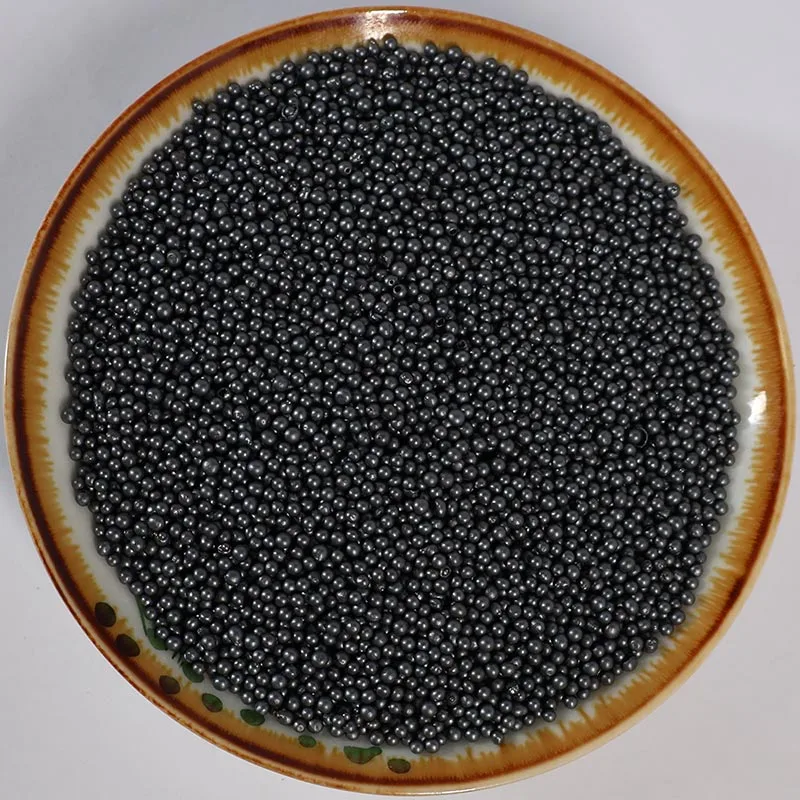
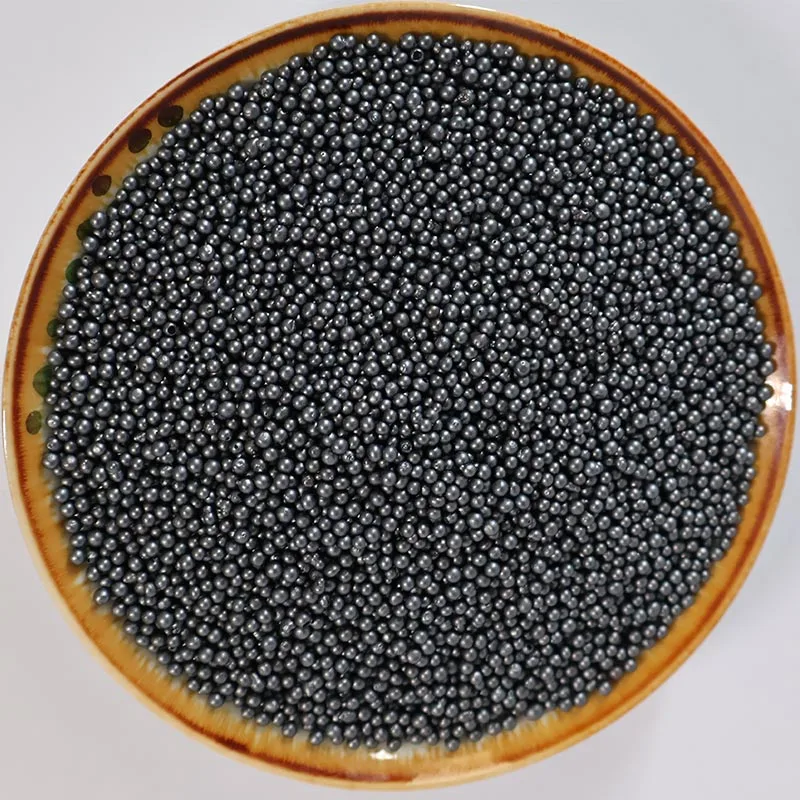
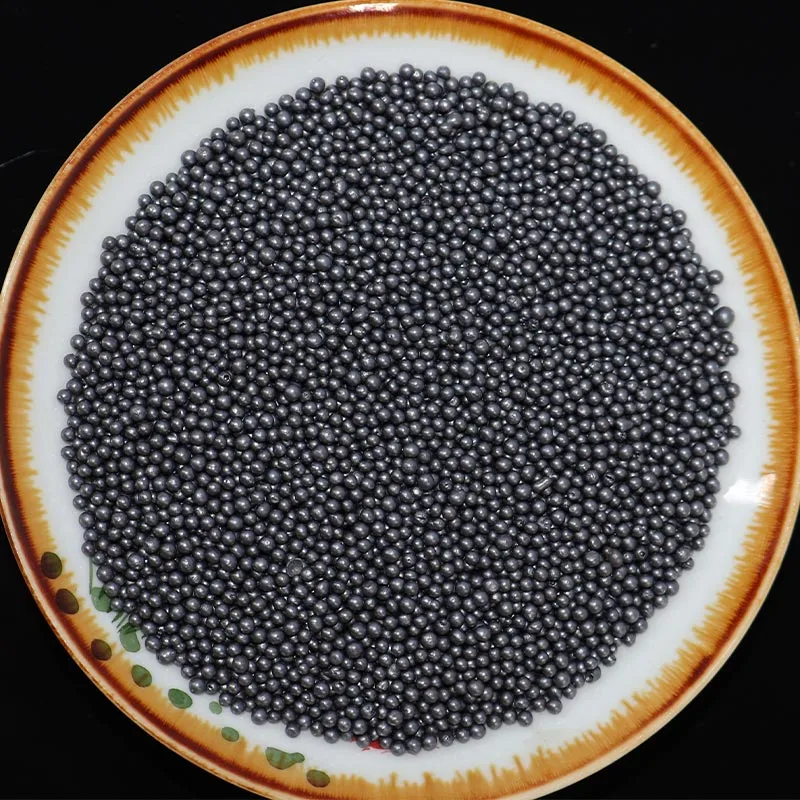
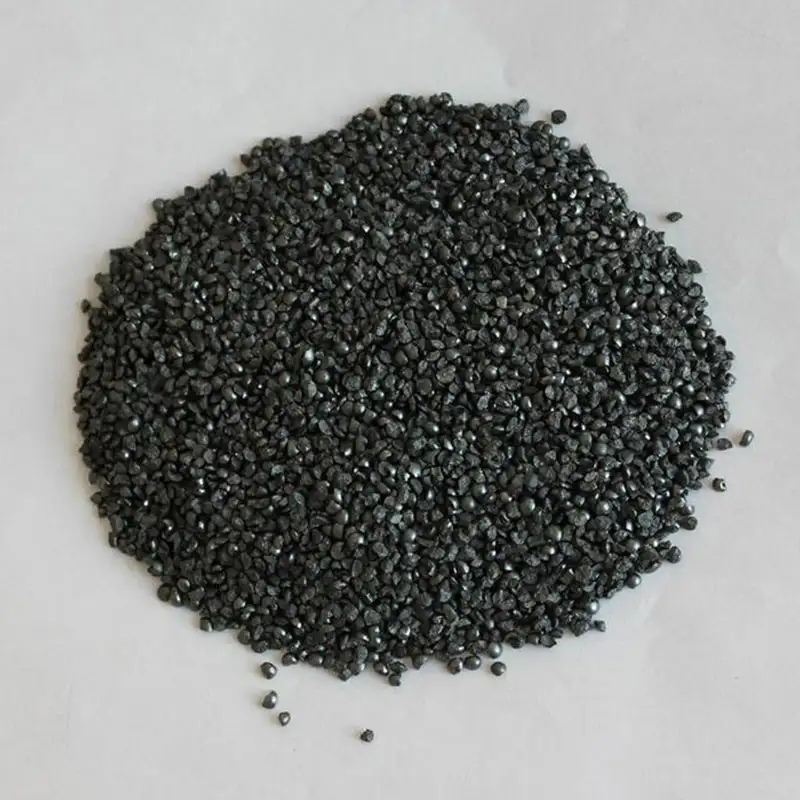
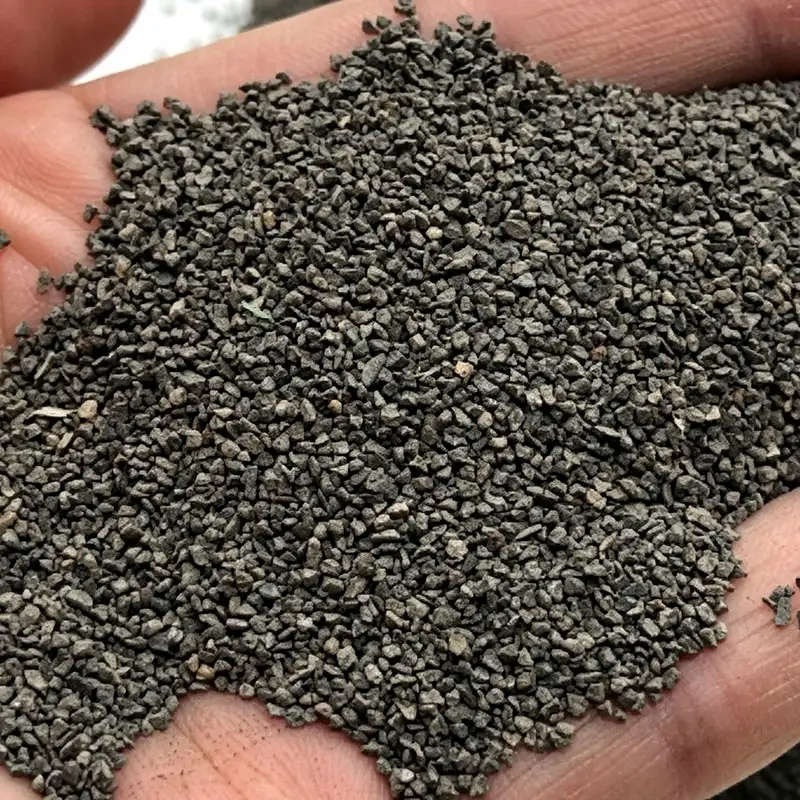
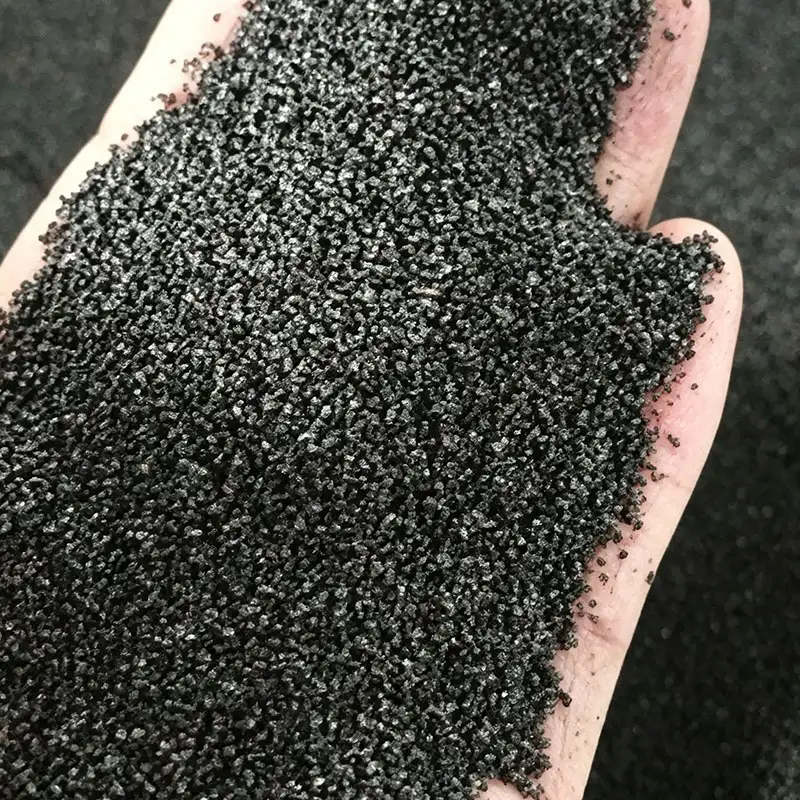
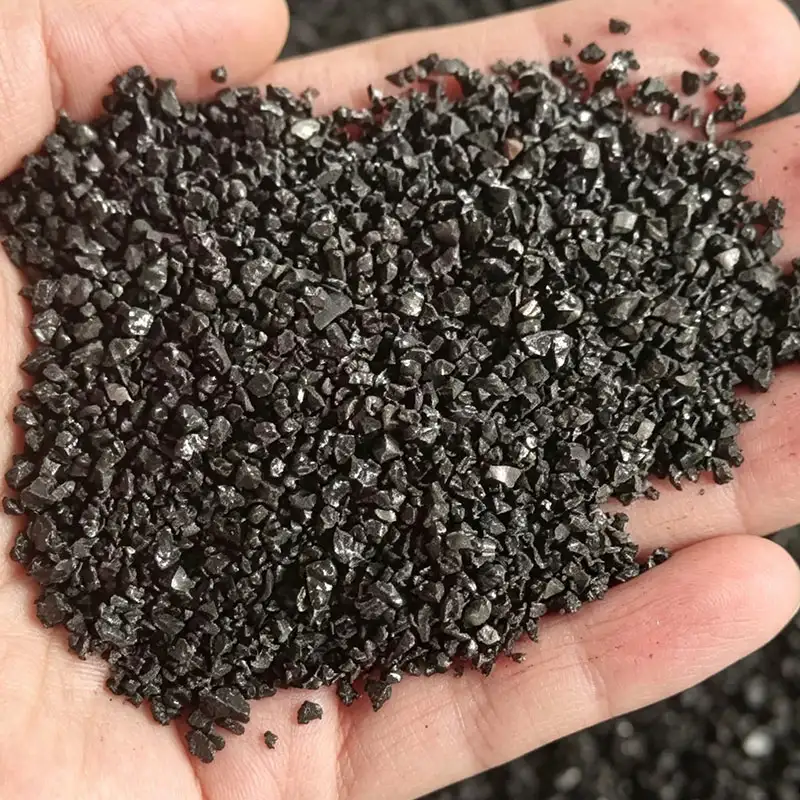
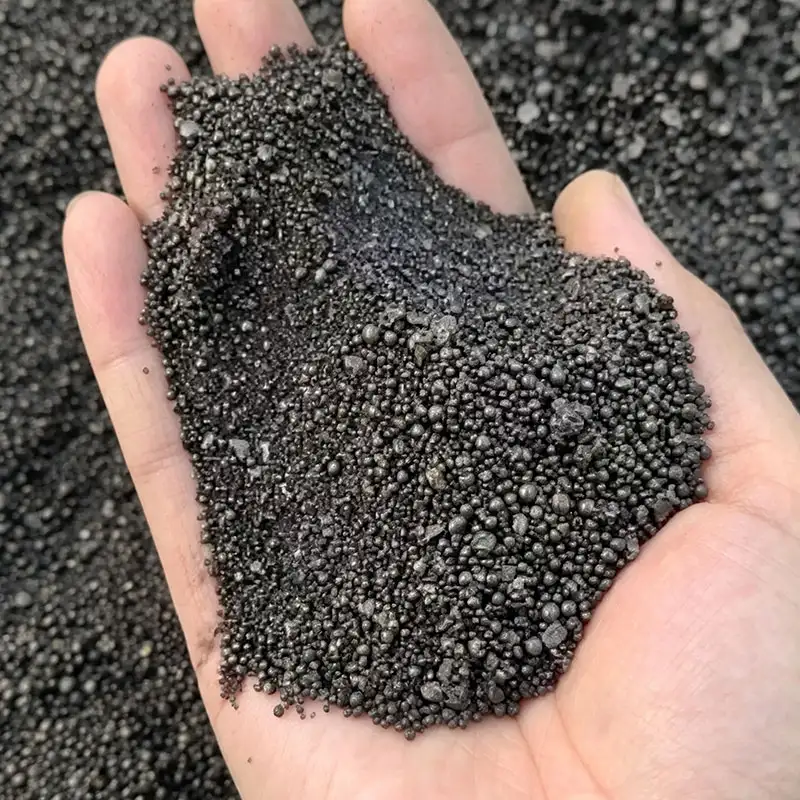

G40 Cast Steel Grit
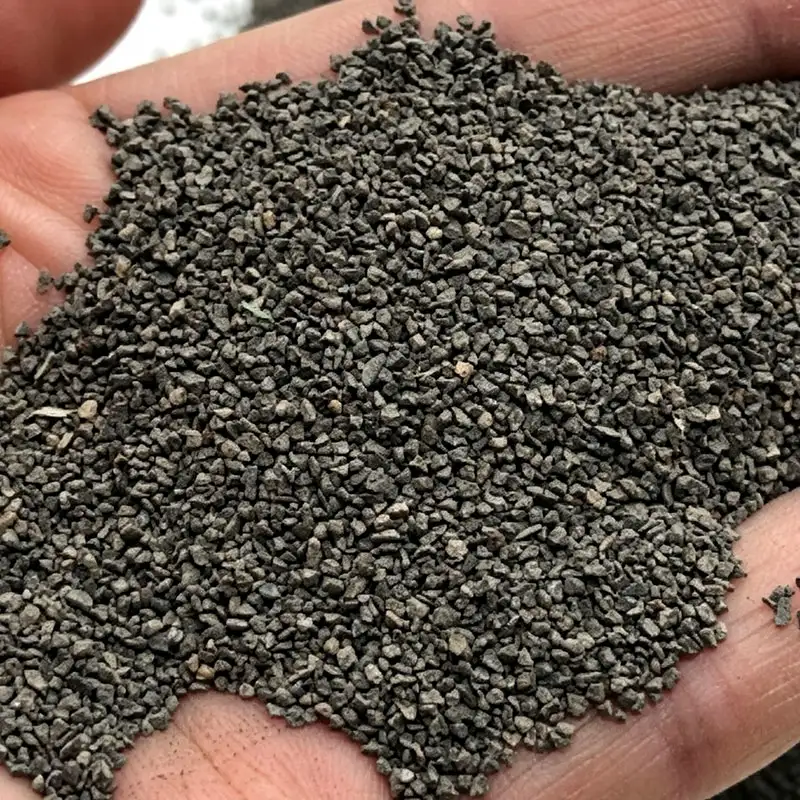
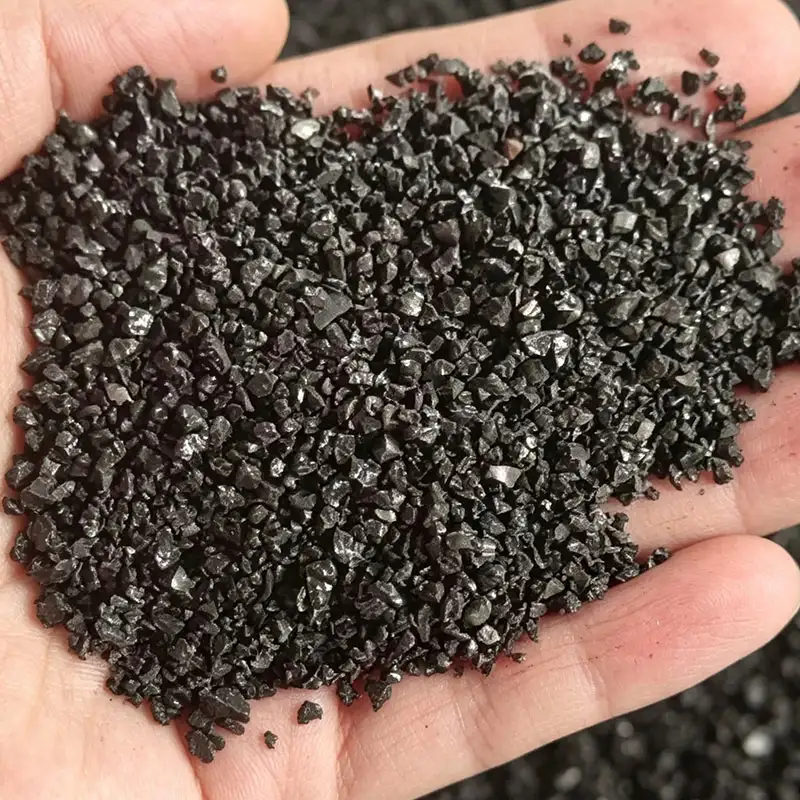
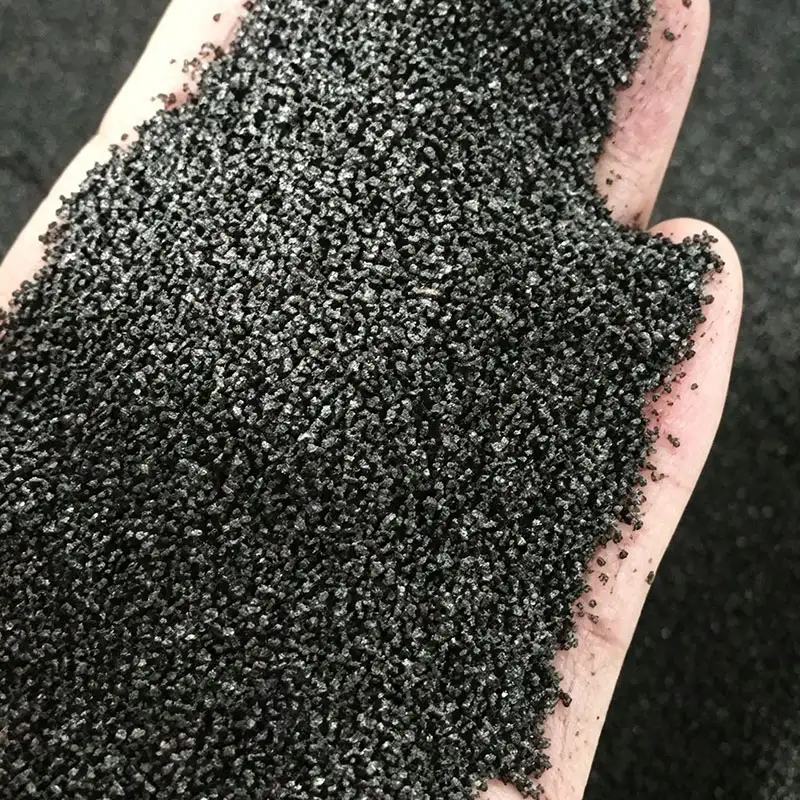
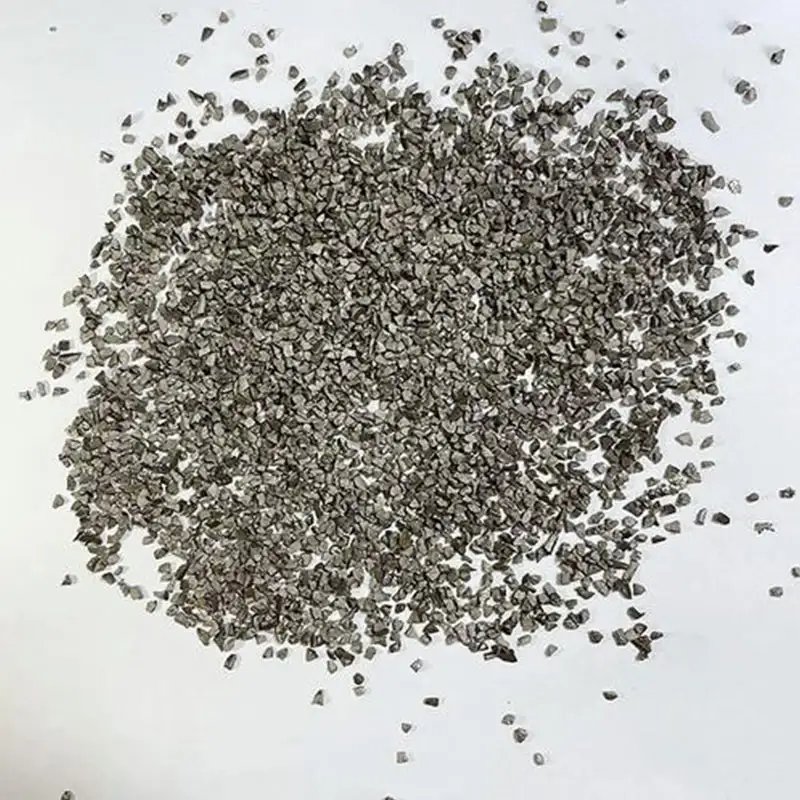
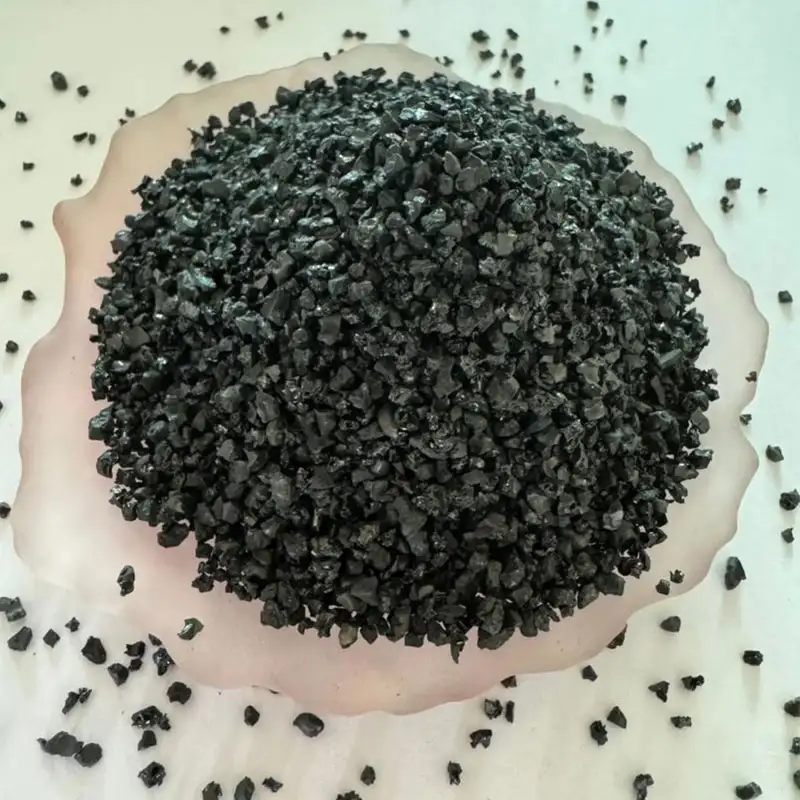
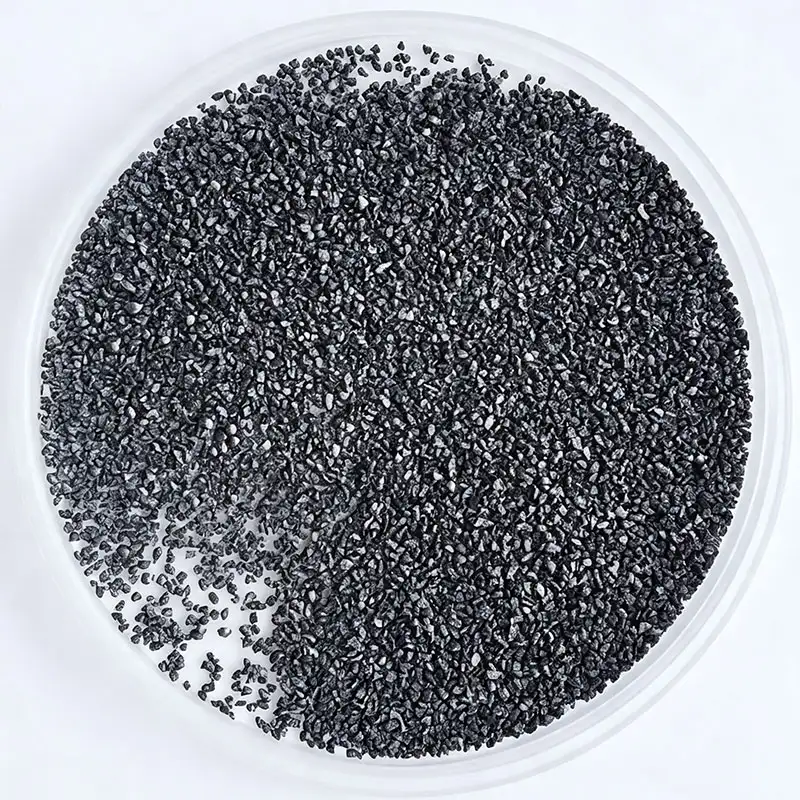
Shandong Haishan Industrial Technology’s G40 cast steel grit features a medium-grain specification that complies with national standards. With a widely used particle size that balances cutting power and impact force, it serves as a standard choice for assembly-line operations and is the preferred option for bulk procurement of abrasives for medium-duty industrial applications. As a core, mainstream product within the G-series national standard, it strikes an excellent balance between cutting performance, durability, and low dust emission; its exceptional versatility makes it a standard, general-purpose abrasive suitable for routine heavy-industrial cleaning tasks.
When a blasting job calls for a medium-sized angular abrasive that can handle ordinary rust, light mill scale, and general surface prep without excessive dust or surface damage, G40 cast steel grit is a common starting point. Shandong Haishan Industrial Technology supplies this grade in a controlled hardness range and a particle size distribution centered on 1.0 mm. It is not a heavy slag removal specialist, nor is it meant for ultra-fine finishing. Its value lies in balancing cutting speed, particle life, and profile consistency across a wide range of everyday industrial blasting tasks.
What G40 Refers To
G40 is a grade designation defined by particle size distribution under SAE J444. The grit is angular, with sharp edges produced by crushing hardened steel shot. Its nominal particle size is around 1.0 mm, and the standard hardness is HRC 42–50. These two parameters make it versatile enough for medium-duty cleaning but less aggressive than G25 and less delicate than G80.
Typical Working Parameters (Reference)
The values below are common starting points for G40 cast steel grit in wheel blast and air blast systems. They are not universal settings and should be adjusted based on equipment, substrate, and required surface profile.
| Parameter | Reference Range |
| Nozzle Pressure (air blast) | 6 – 8 bar |
| Standoff Distance | 300 – 500 mm |
| Blast Angle | 60° – 75° from horizontal |
| Wheel Speed (wheel blast) | Varies by machine; consult OEM settings |
| Recommended Profile Check | Replica tape or surface profile gauge |
Where G40 Is Usually Applied
This size is frequently seen on production lines that process structural steel, castings, and fabricated parts with moderate surface contamination. Specific examples include:
- Pre-coating preparation of H-beams, columns, and steel plates
- Scale and sand removal from iron and steel castings
- External cleaning of pipe spools and pressure vessels
- Refurbishment blasting of shipping containers
- Surface preparation of heavy machinery components before repainting
G40 Compared to Adjacent Grit Sizes
| Grade | Nominal Size | Cleaning Aggressiveness | Typical Surface Profile | Best Suited For |
| G25 | 0.71 mm | High | 75 – 120 μm | Heavy rust, thick scale, welding slag |
| G40 | 1.0 mm | Medium | 40 – 75 μm | General rust removal, structural steel |
| G50 | 0.50 mm | Medium-low | 25 – 50 μm | Lighter cleaning, smoother finish |
| G80 | 0.30 mm | Low | 15 – 30 μm | Precision parts, thin sections |
G40 sits in the middle, providing enough impact for moderate rust and scale but without the aggressive profile of G25. This makes it a practical choice for many structural coating systems that require a 40–75 μm anchor profile.

Quality Control Notes
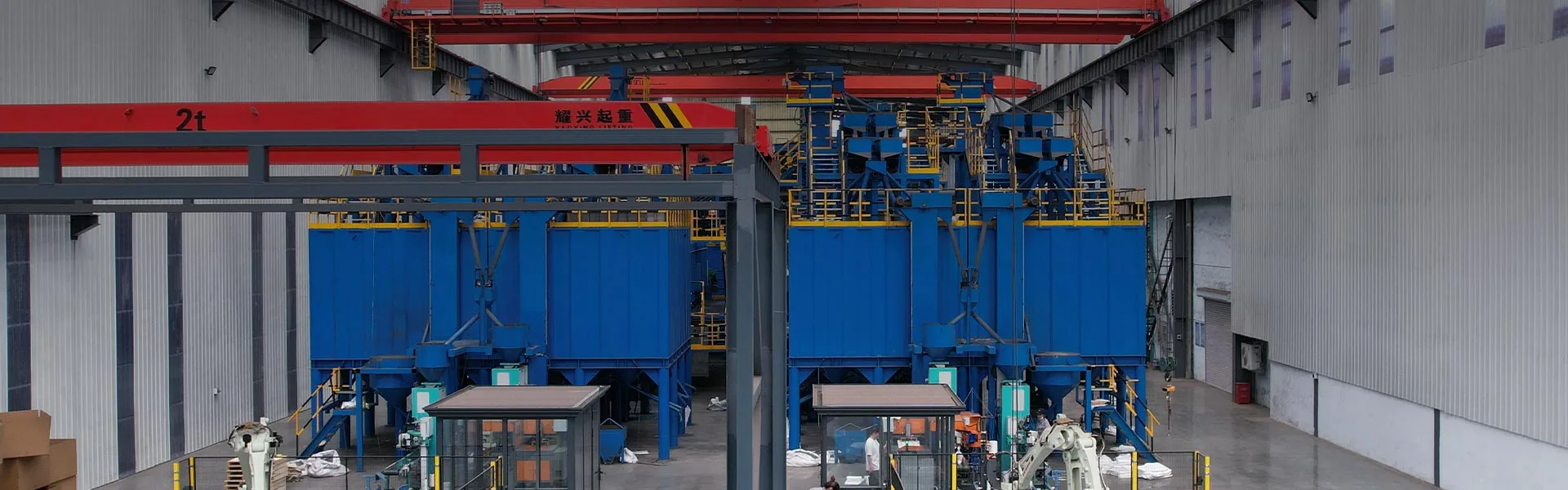
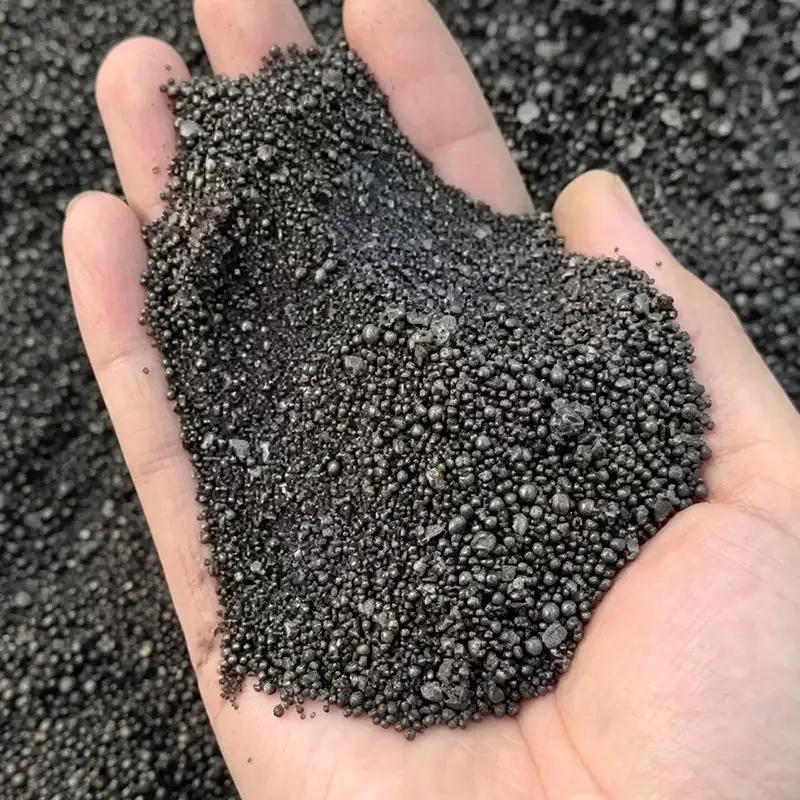
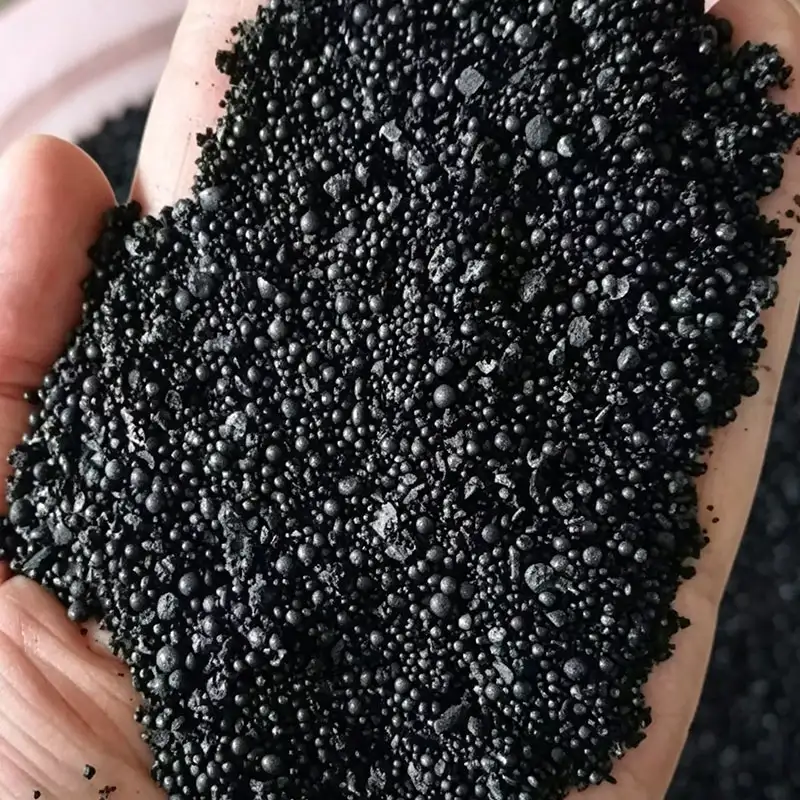
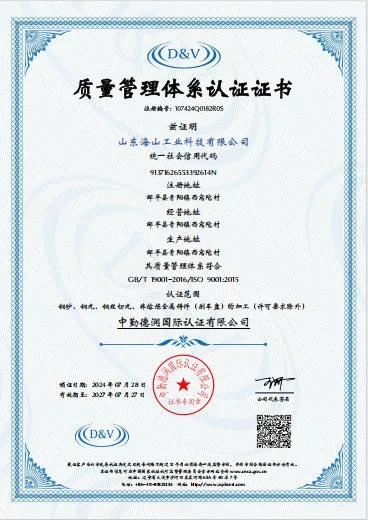
Every batch of G40 cast steel grit is checked for chemical composition, hardness, and particle size distribution. Testing equipment includes a direct-reading spectrometer and a Rockwell hardness tester. Sieve analysis follows SAE J444. The company holds ISO 9001:2015 certification and can provide batch test reports with each shipment. Additional documents such as metallographic structure reports and density certificates are available on request.
Packing and Storage
G40 cast steel grit is packed in 25 kg bags with a moisture-resistant PE liner inside a woven polypropylene outer bag. 1,000 kg bulk bags are available for larger volumes. Pallets used for export comply with ISPM 15. Store in a dry, covered area. No pre-screening or special preparation is needed before loading into a blast machine.
Common Questions About G40
What exactly does the “G40” designation mean?
G40 indicates a specific particle size distribution defined by SAE J444. It corresponds to a nominal size of about 1.0 mm, with controlled amounts of larger and smaller particles to maintain consistent blasting performance.
Is G40 harder than G25?
Hardness depends on the specific product grade, not just size. For our standard G40, hardness is HRC 42–50. G25 can have similar hardness but larger particle size, which gives it more impact force. Hardness and size are separate variables.
Can I use G40 in a wheel blast machine?
Yes. G40 flows well in most wheel blast systems. You may need to adjust wheel speed or abrasive flow to achieve the desired profile. The reference parameters above provide a starting point.
What if my parts have very thick mill scale?
If the scale is unusually heavy or thick, G40 may take longer or require additional passes. In such cases, G25 or a mixed G25/G40 blend may be more effective. We can provide a recommendation based on your specific part condition.
Do you provide samples?
Yes, sample quantities are available for testing on your own equipment. This is often the best way to confirm that G40 produces the desired cleanliness and profile before committing to a full order.
Page reviewed August 2026. Technical details verified by QC.
Related Category
Send Inquiry
Contact Info
-
Address
Qingyang Economic Development Zone, Zouping County, Shandong Province, China
-
Tel
-
Email
Send an inquiry to Haishan for quality steel shot, steel grit, cut wire shot and counterweight sand. Get factory direct wholesale price, free quotation and OEM customized solutions.
News Recommendations