Low Carbon Steel Shot
For bulk purchase of abrasives for flexible cleaning of thin-walled precision workpieces, choose low carbon steel shot from Shandong Haishan Industrial Technology. Featuring high toughness and low hardness without damaging base materials, it supports long-term factory stock and centralized project procurement, and fits mild shot blasting treatment for aluminum alloy, stainless steel sheets and precision hardware.
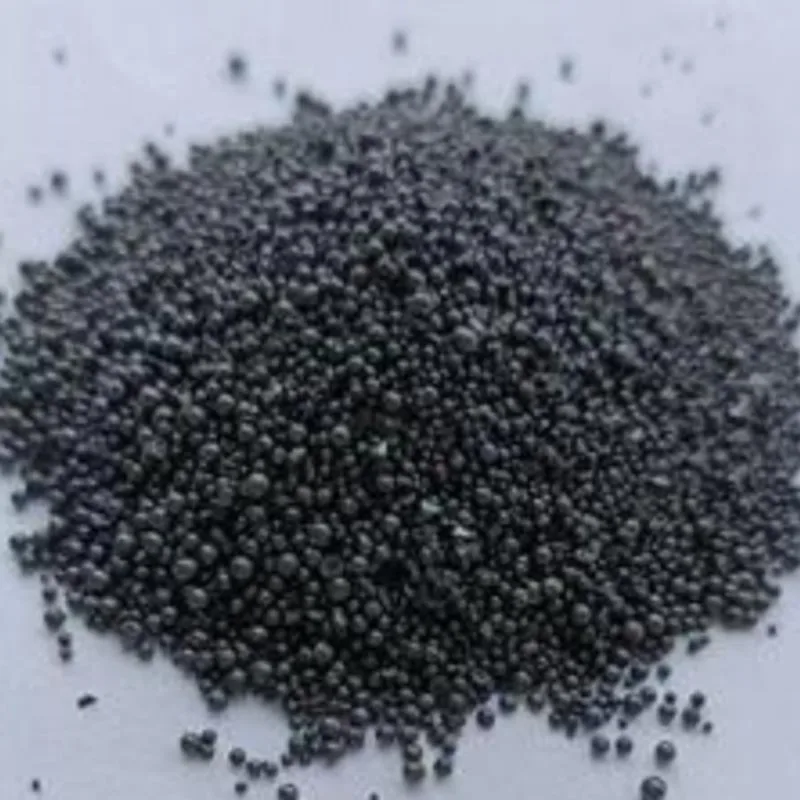
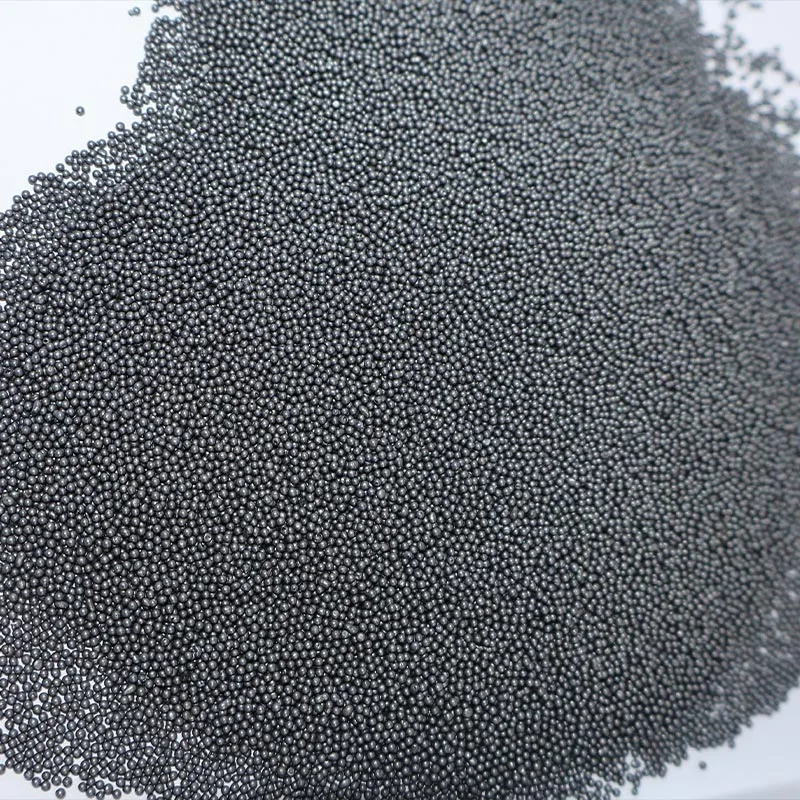
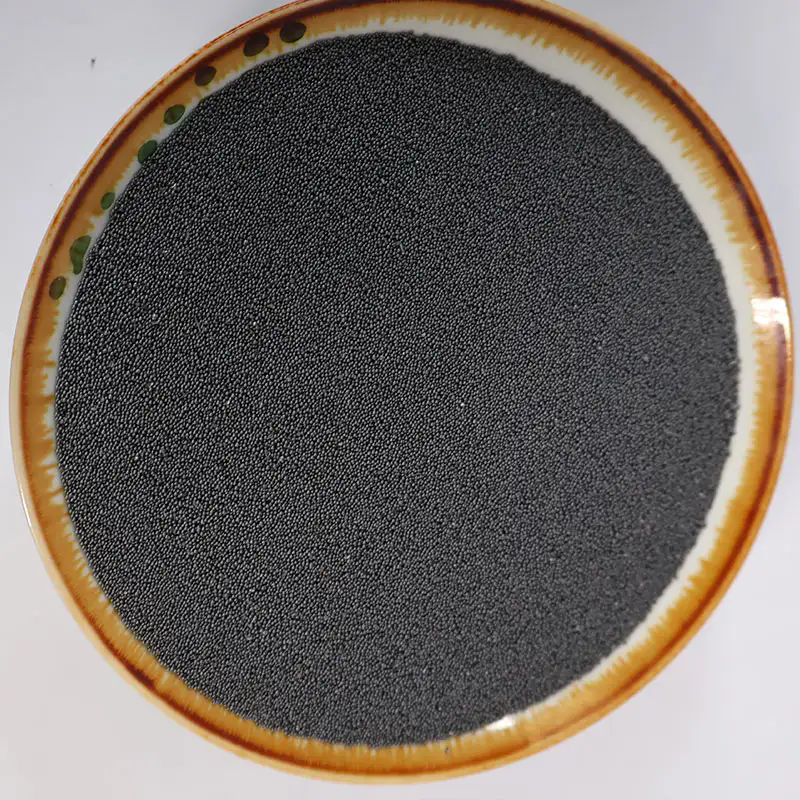
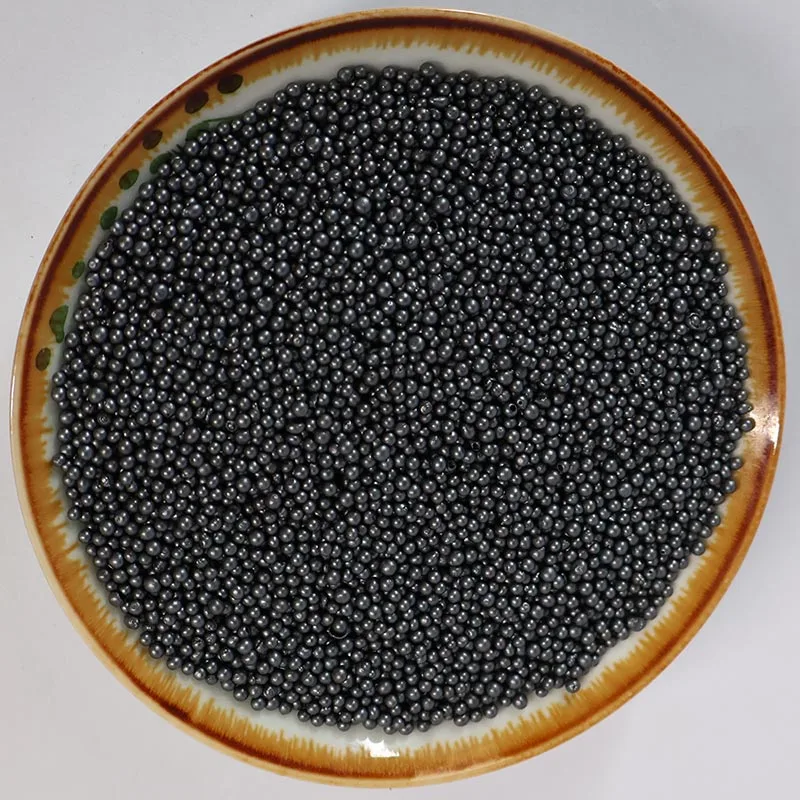
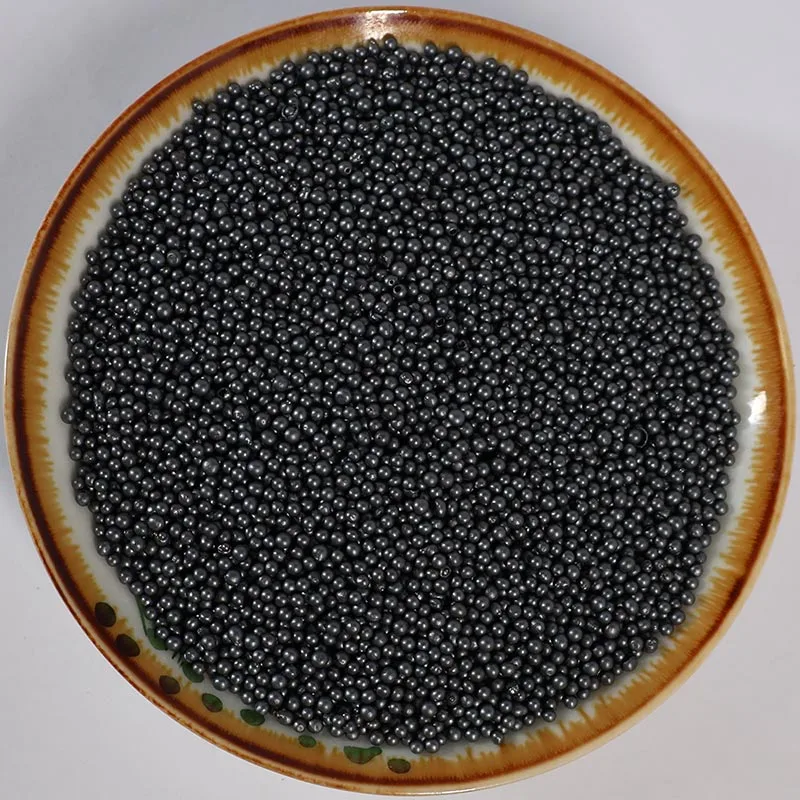
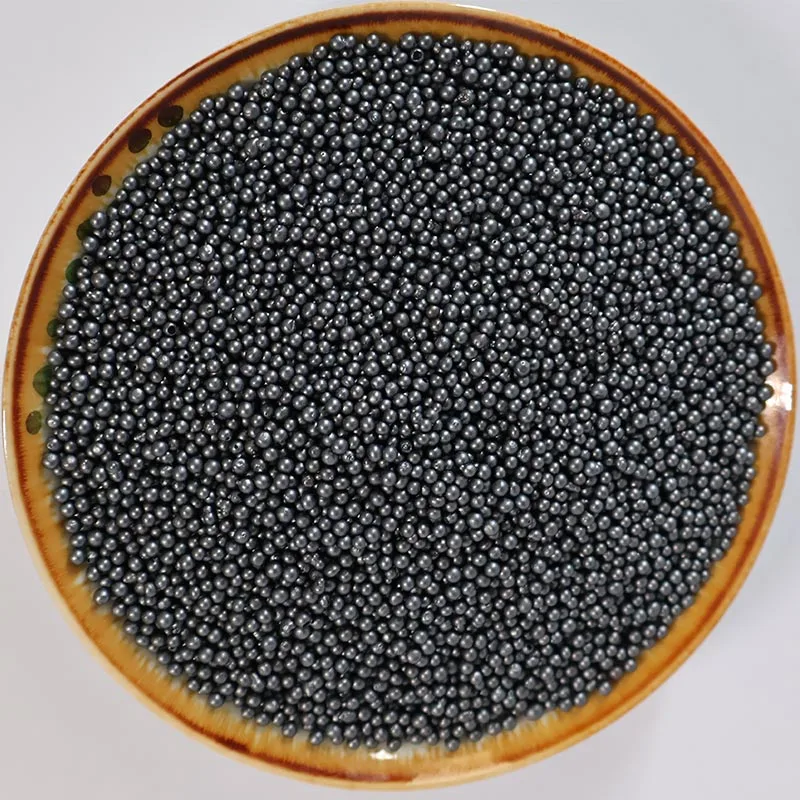
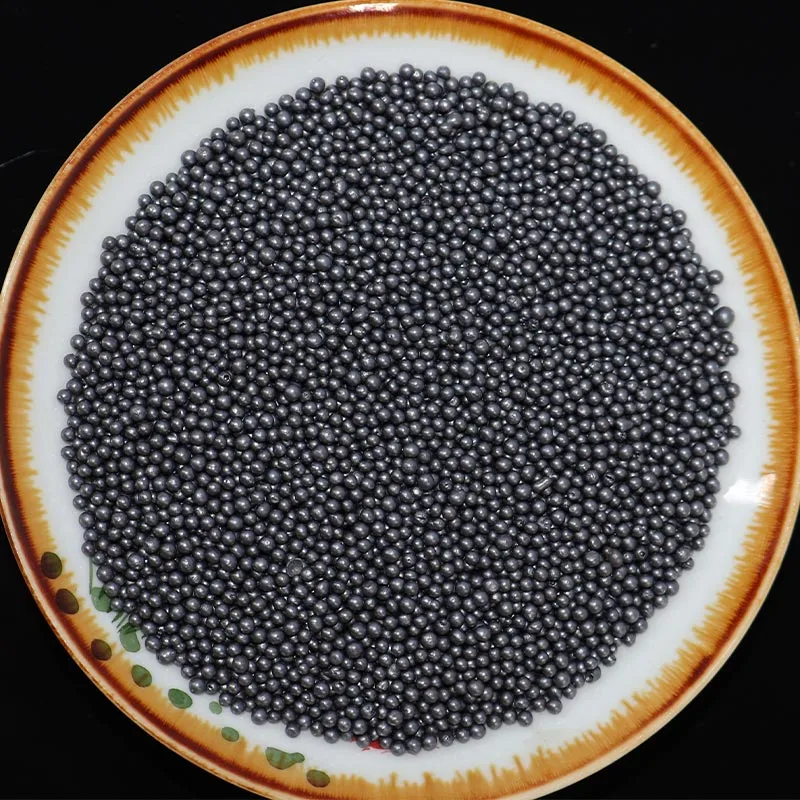
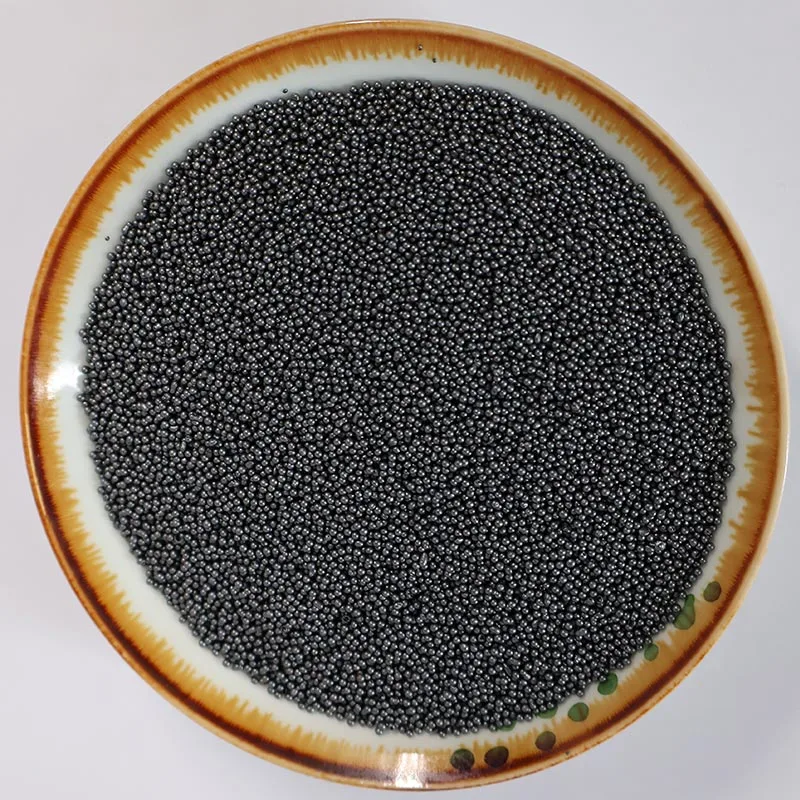
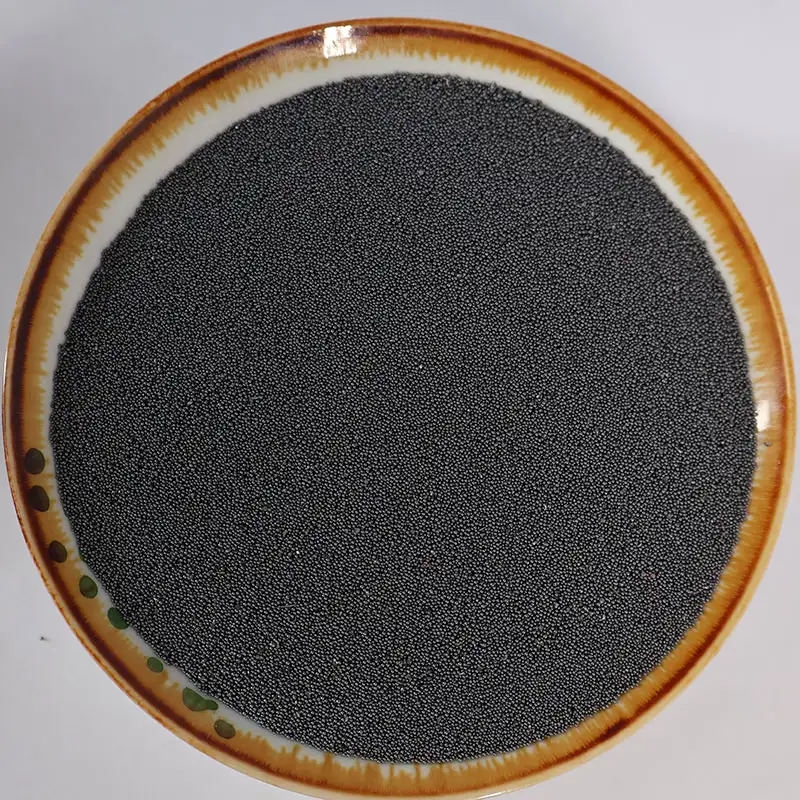
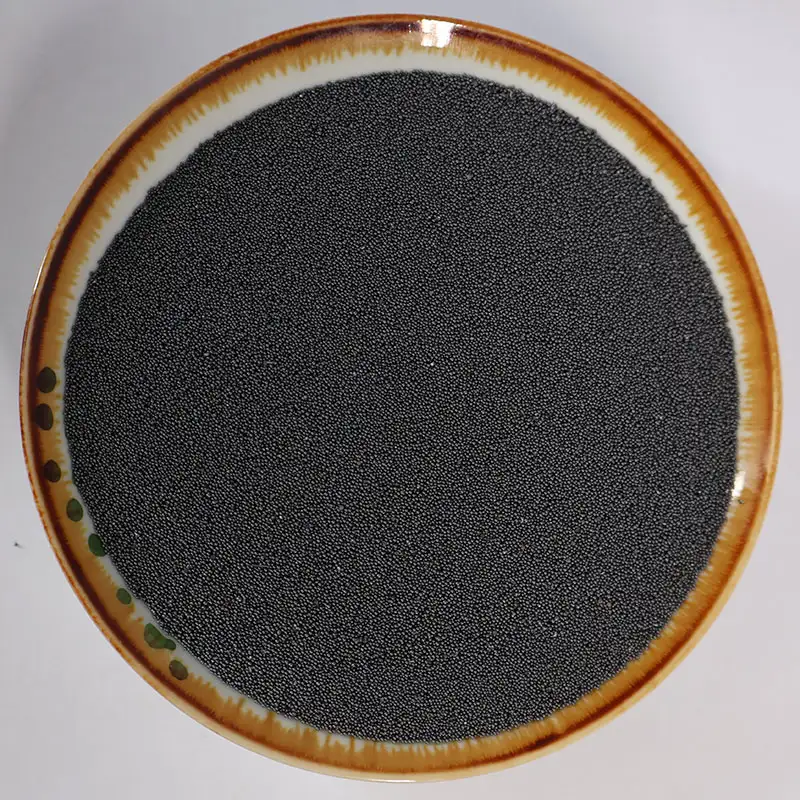
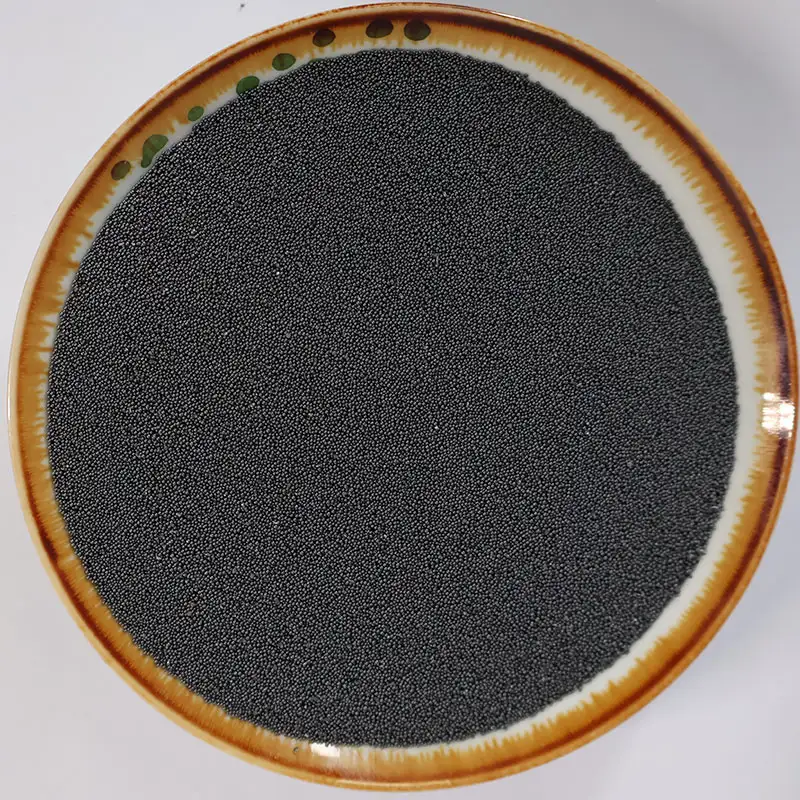
Low carbon steel shot from Shandong Haishan Industrial Technology is a spherical abrasive manufactured from high-quality low-carbon scrap steel. The carbon content is controlled at 0.2% or below, and the shot is produced by intermediate frequency furnace melting, high-pressure water atomization, and low-temperature tempering. The final product has a bainite-dominated microstructure and a stable hardness of HRC25-35, which provides a softer impact compared to standard hardened steel shot.
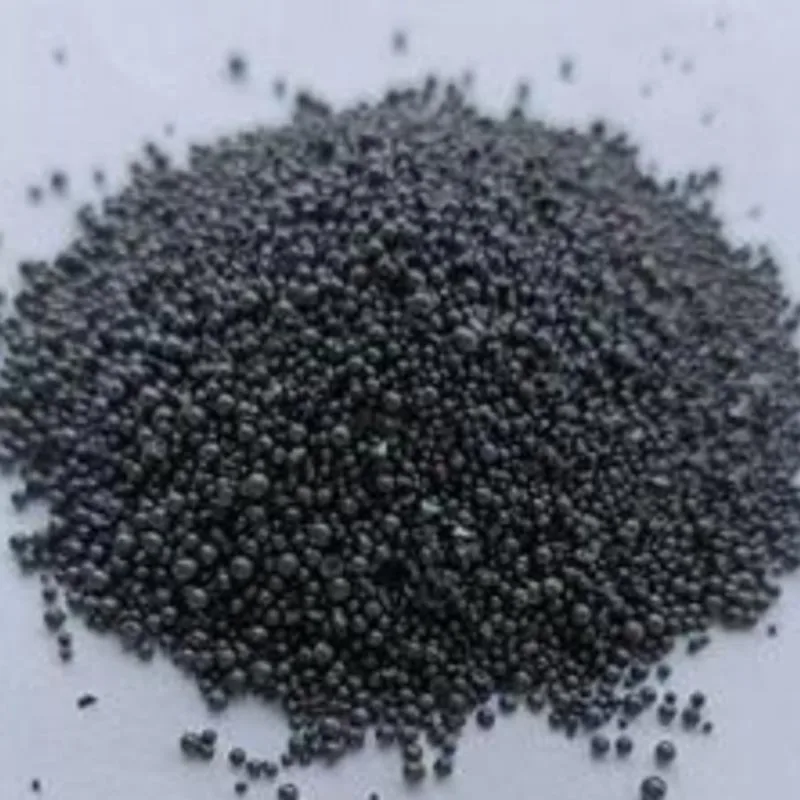
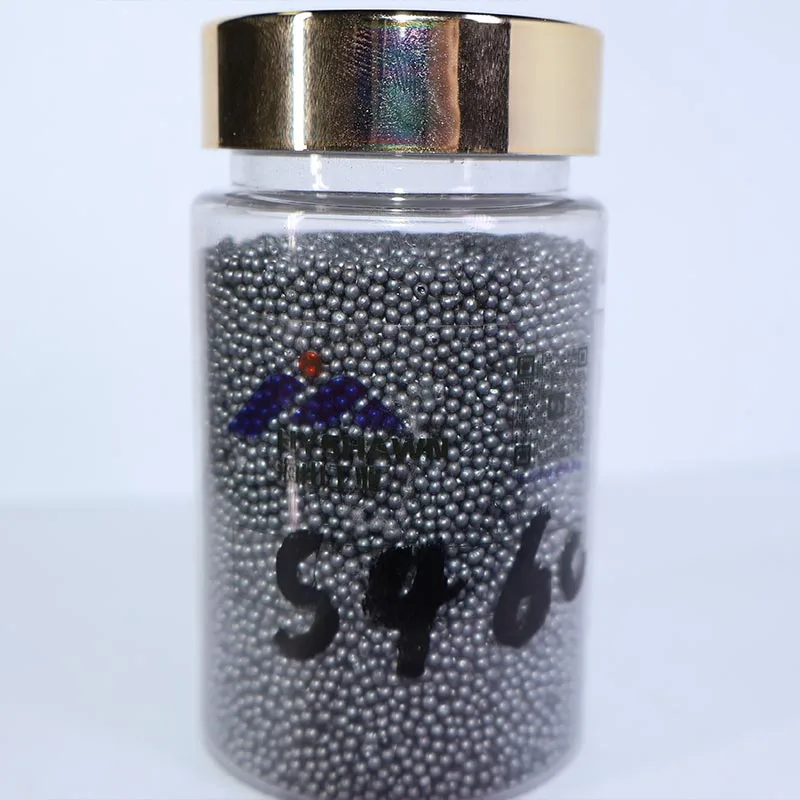
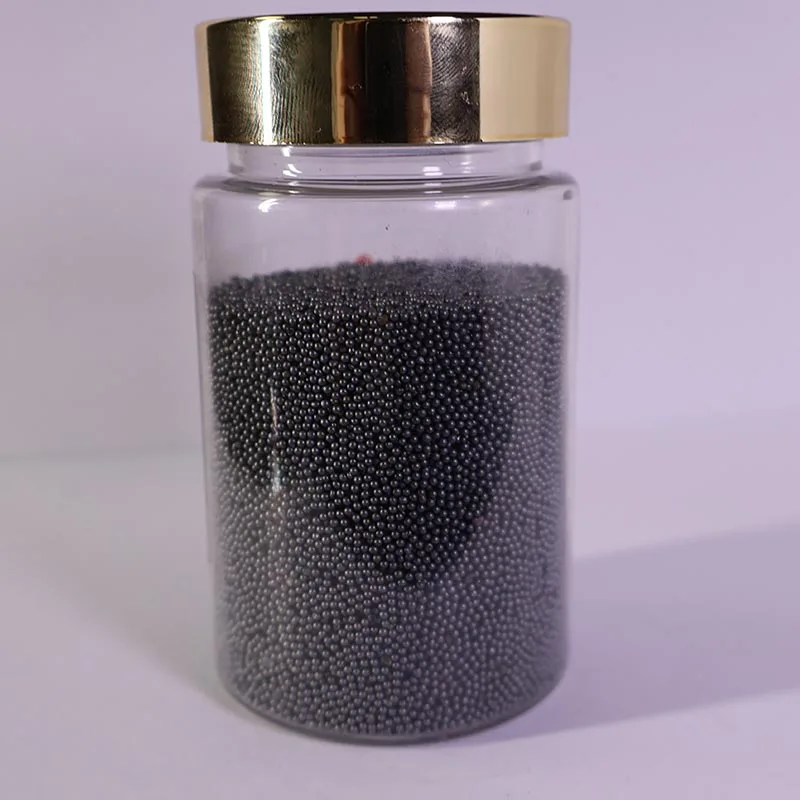
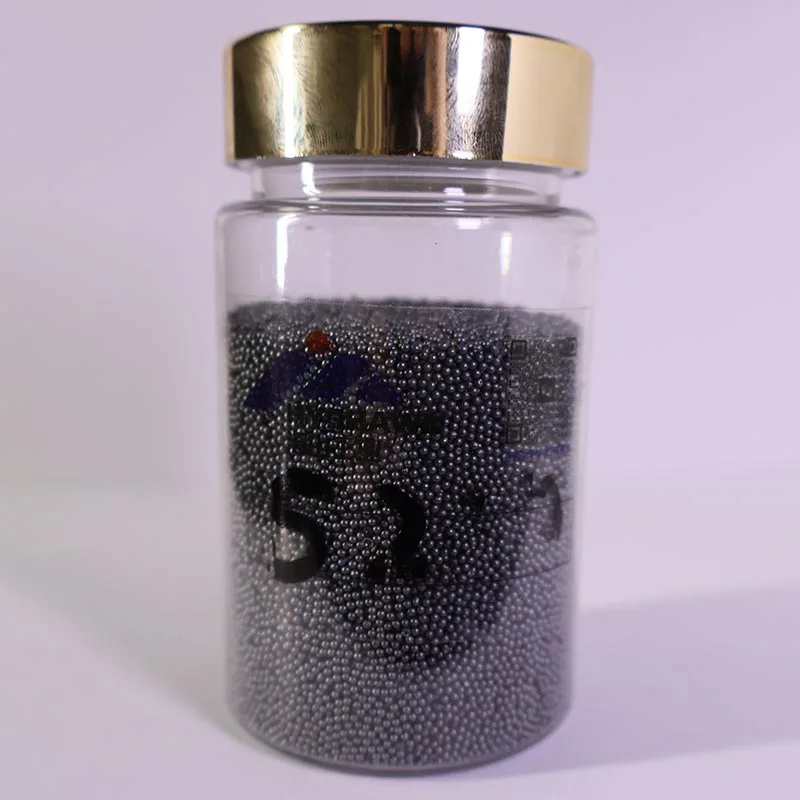
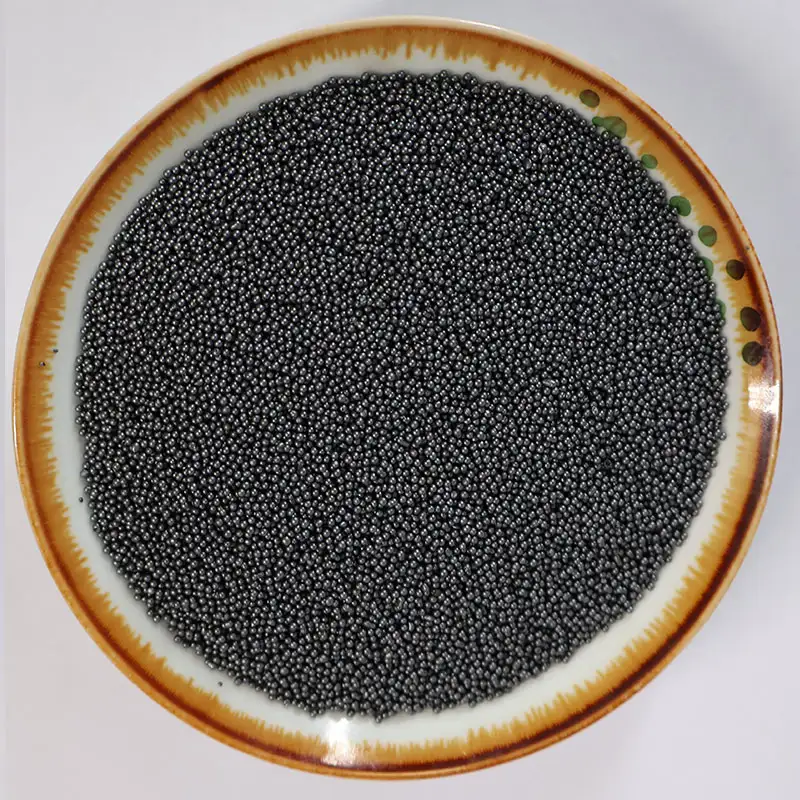
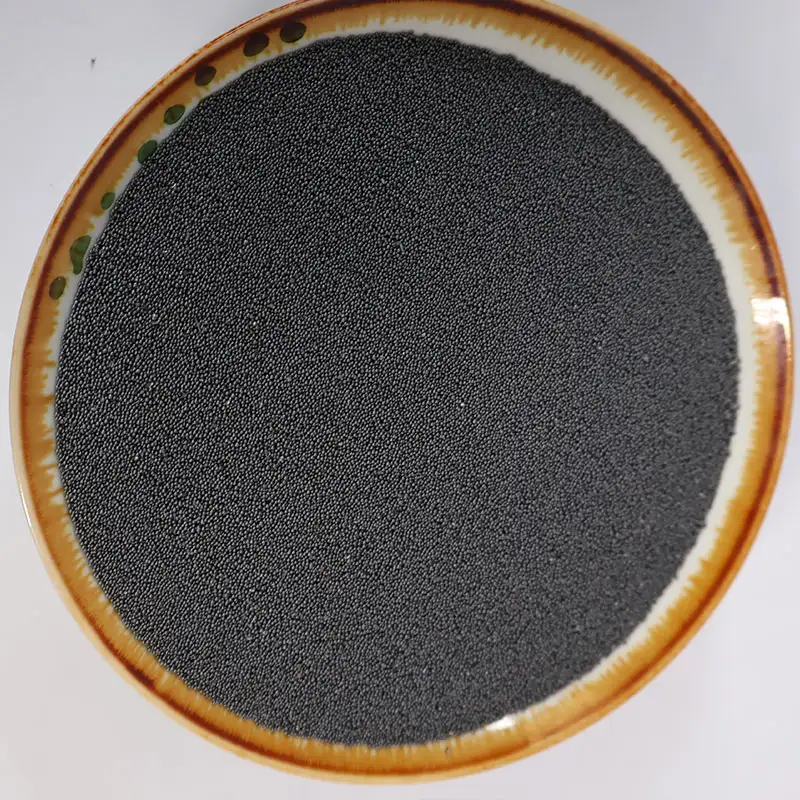
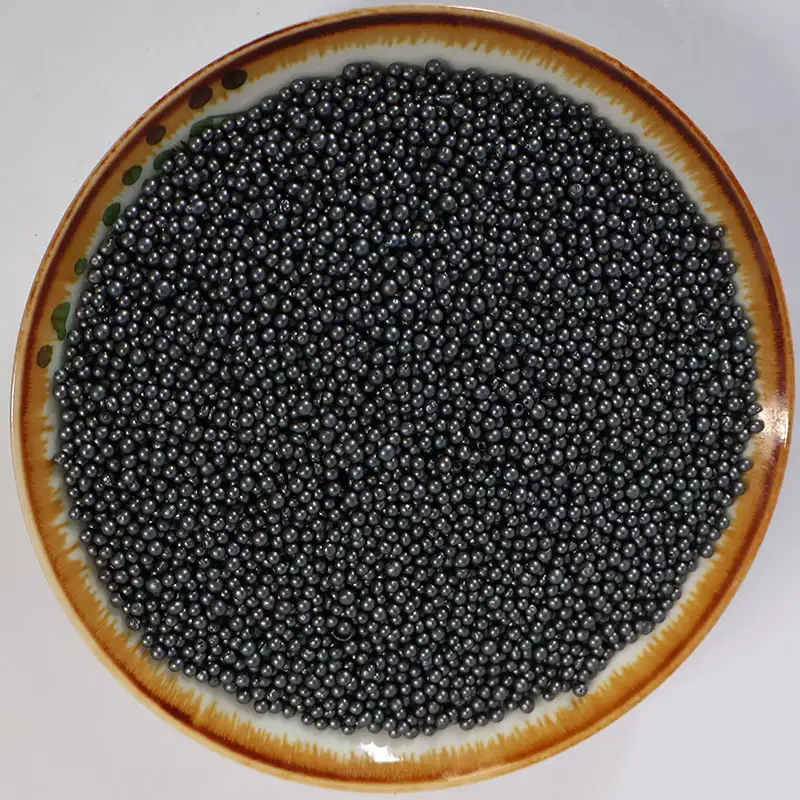
The shot has complete spherical particles without sharp edges and uniform particle size. Sulfur and phosphorus impurities are strictly controlled during production to reduce the risk of surface contamination on workpieces. This makes low carbon steel shot suitable for surface treatment on softer metals and thin-walled parts.
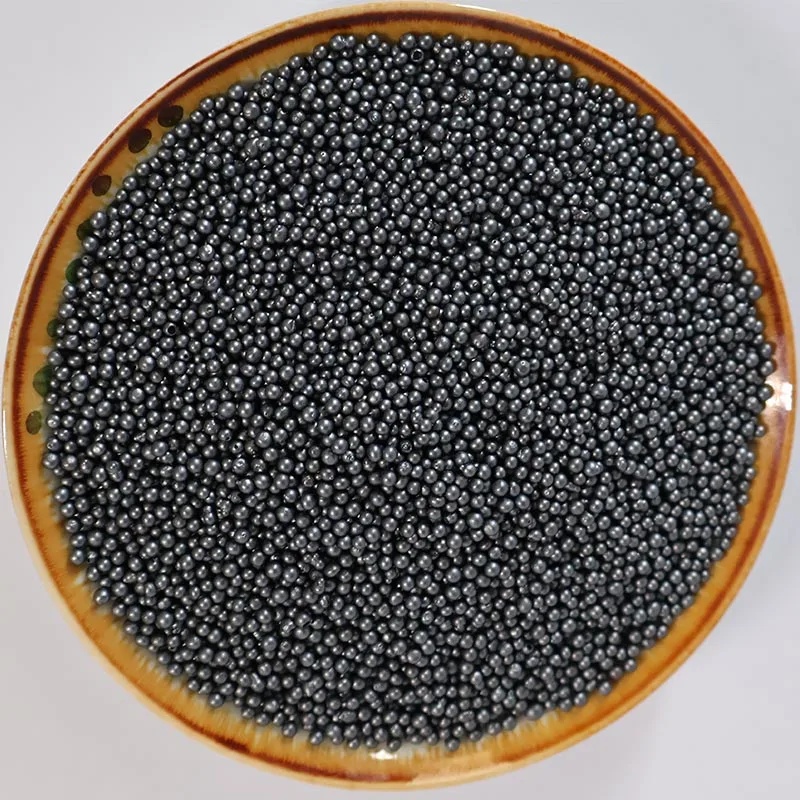
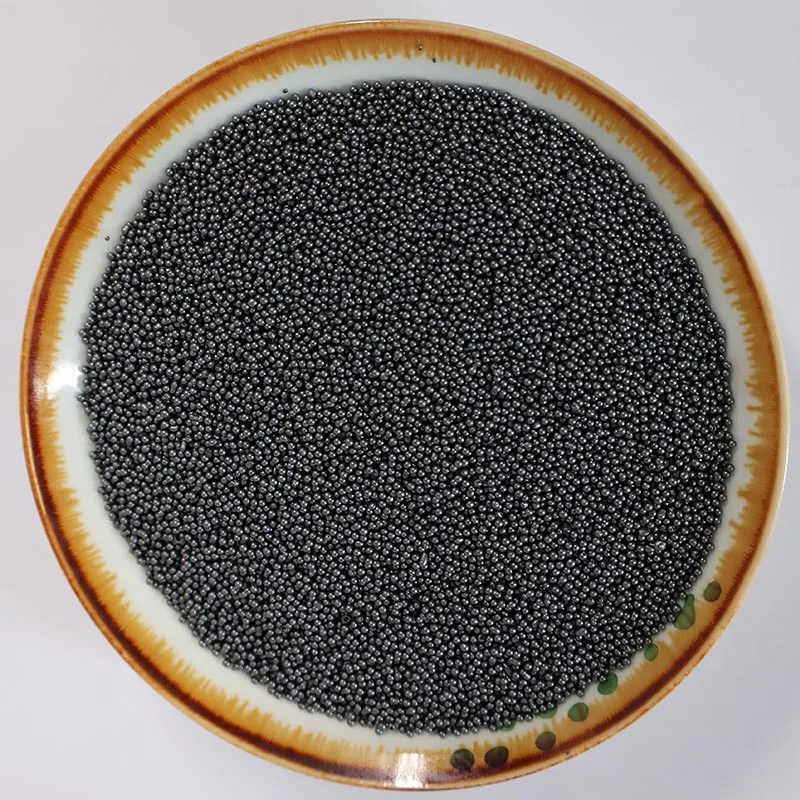
Key Specifications
| Property | Specification |
| Carbon Content (C) | ≤ 0.2% |
| Manganese (Mn) | 0.50 - 1.20% |
| Silicon (Si) | 0.10 - 0.50% |
| Sulfur (S) | ≤ 0.05% |
| Phosphorus (P) | ≤ 0.05% |
| Hardness | HRC 25 - 35 |
| Hardness Deviation | ± 2.0 HRC (max deviation) |
| Metallographic Structure | Predominantly tough bainite |
| Minimum Density | 7.4 g/cm³ (alcohol displacement method) |
Performance Characteristics
- Fracture resistance: Under repeated high-frequency impacts, the shot rarely cracks or deforms. This leads to a longer service life than high-carbon cast steel shot and reduces the need for frequent abrasive refilling.
- Low impact hardness: The soft impact does not scratch or damage thin-walled workpieces or soft metal substrates. Original dimensions and surface finish are preserved.
- Fine surface texture: The shot leaves delicate impact marks without pits or hard indentations, meeting high-precision appearance requirements.
- Controlled impurities: Strict limits on sulfur and phosphorus minimize surface contamination during blasting, helping to avoid secondary corrosion or staining on sensitive parts.
- Cost effectiveness: For mass mild cleaning operations, low carbon steel shot offers a better cost-performance ratio than alloy steel shot. However, its cutting ability is limited, so it is not suitable for heavy rust or thick oxide scale removal.
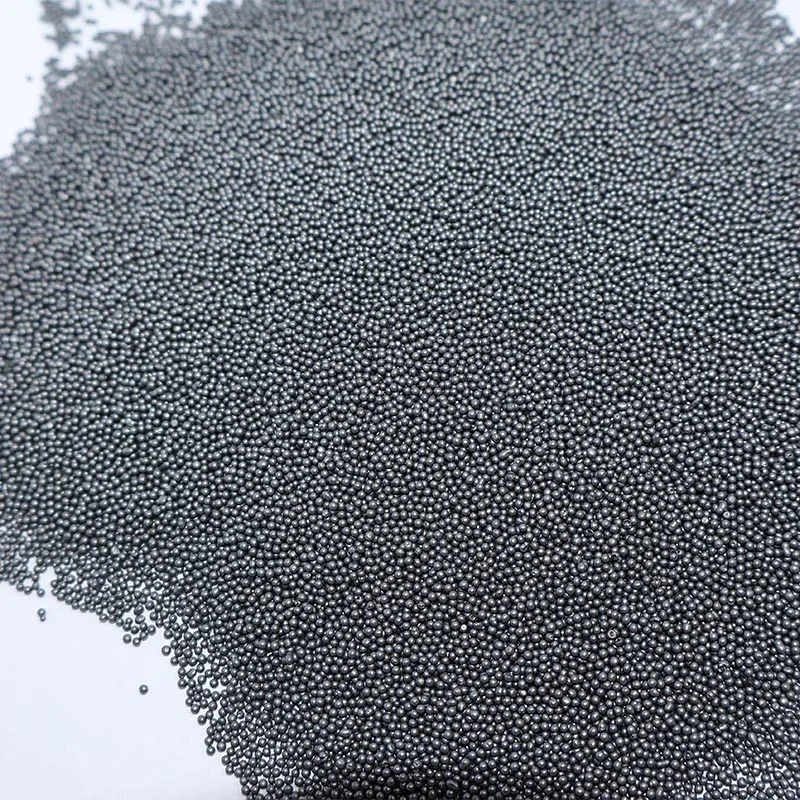
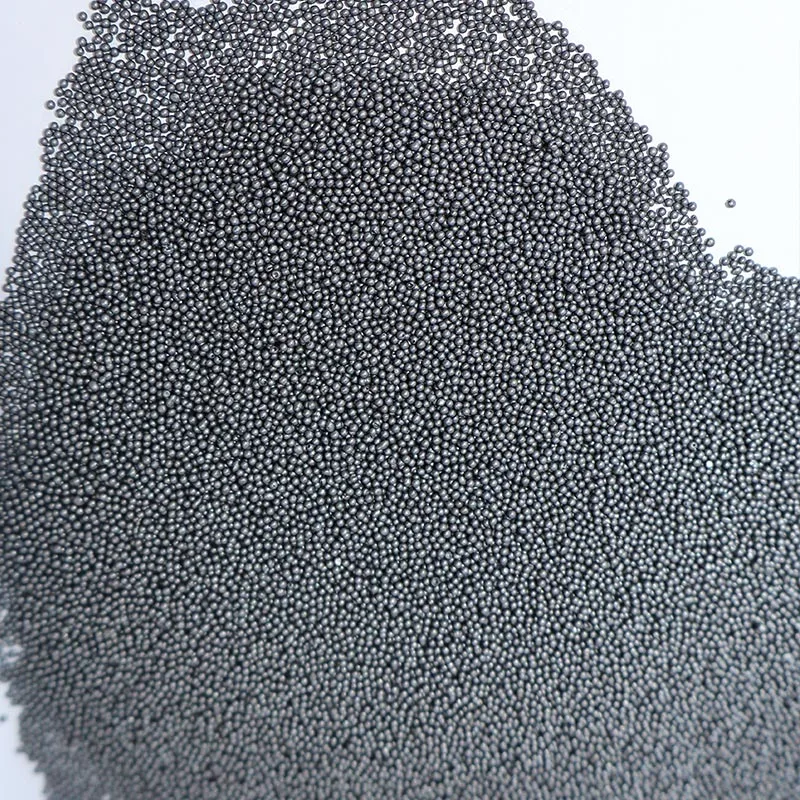
Typical Applications
This abrasive is used for mild rust removal and matte surface finishing on soft metals, thin-walled workpieces, and precision components. Common applications include:
- Deburring and release agent removal for aluminum alloy and zinc alloy die castings
- Matte surface pretreatment for stainless steel sheets and galvanized steel plates
- Removal of slight oxide layers on precision hardware parts
- Non-destructive cleaning of automotive interior metal parts and medical device accessories
- Mild rust removal on light steel structure shelves
The product works well with drum shot blasting machines and precision sandblasting machines. It is not recommended for heavy rust removal or thick oxide scale removal on large steel structures.
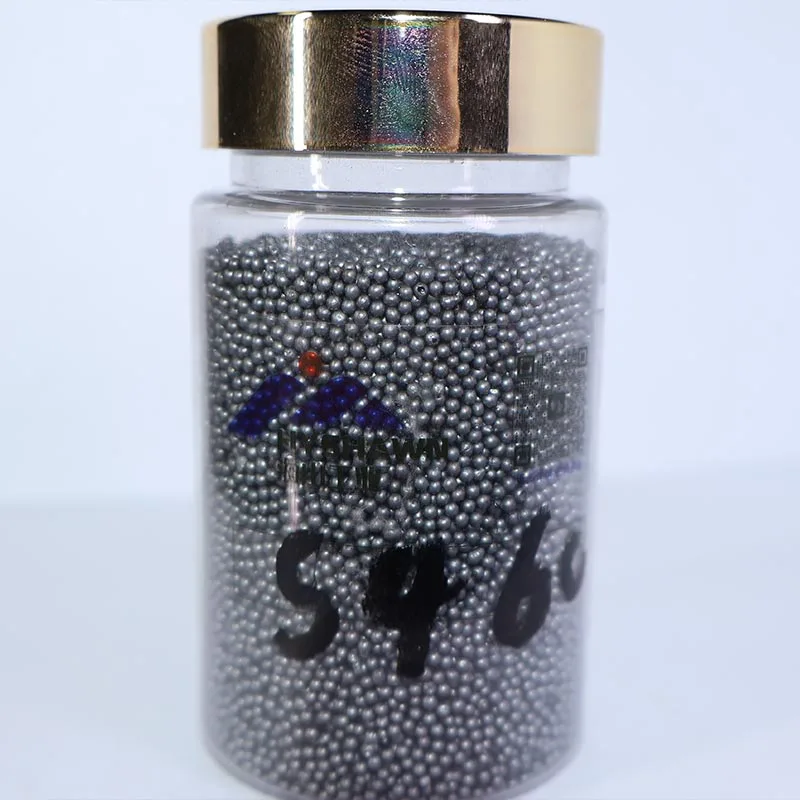
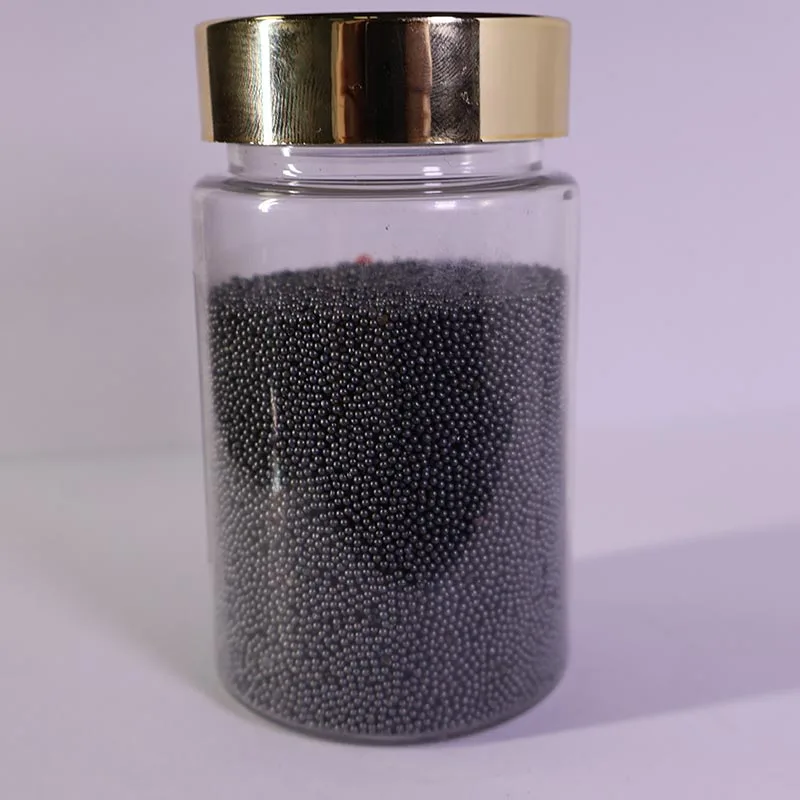
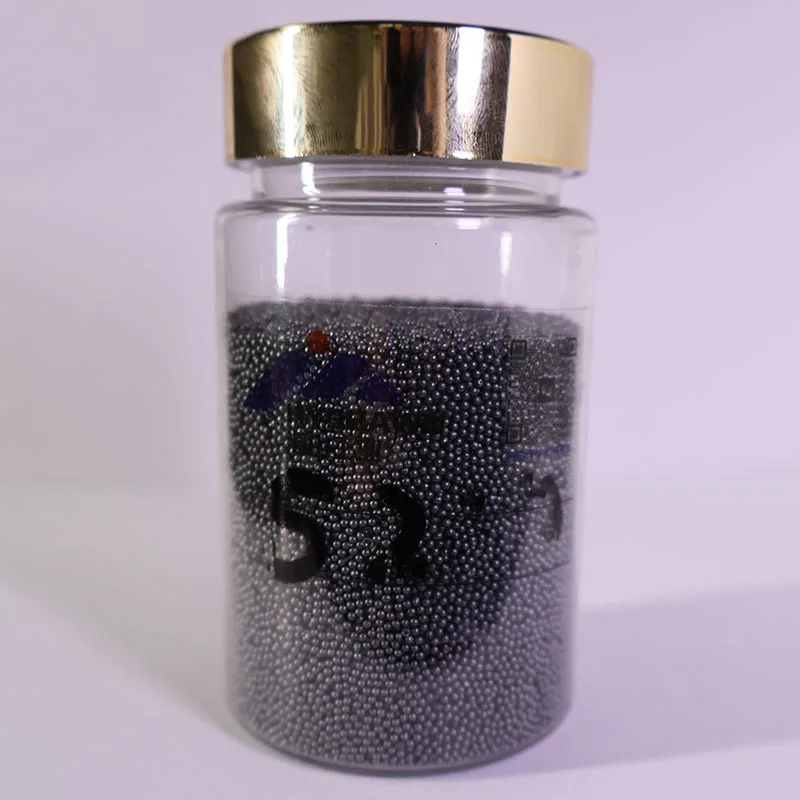
Particle Size Distribution
| Mesh | mm | SS 2.5 | SS 2.0 | SS 1.7 | SS 1.4 | SS 1.2 | SS 1.0 | SS 0.8 | SS 0.6 | SS 0.5 | SS 0.3 | SS 0.2 |
| 7 | 2.80 | all pass | all pass | all pass | all pass | all pass | ||||||
| 8 | 2.36 | all pass | all pass | all pass | all pass | all pass | all pass | |||||
| 10 | 2.00 | 97%min | all pass | all pass | all pass | all pass | all pass | all pass | ||||
| 12 | 1.70 | 97%min | 97%min | all pass | all pass | all pass | all pass | all pass | all pass | |||
| 14 | 1.40 | 97%min | 97%min | 95%min | all pass | all pass | all pass | all pass | all pass | all pass | ||
| 16 | 1.18 | 97%min | 95%min | 75%min | all pass | all pass | all pass | all pass | all pass | all pass | ||
| 18 | 1.00 | 97%min | 95%min | 85%min | 50%min | all pass | all pass | all pass | all pass | all pass | ||
| 20 | 0.850 | 95%min | 90%min | 85%min | 50%min | all pass | all pass | all pass | all pass | |||
| 25 | 0.710 | 95%min | 90%min | 85%min | 85%min | all pass | all pass | |||||
| 30 | 0.600 | 97%min | 97%min | 90%min | 80%min | 10%max | ||||||
| 35 | 0.500 | 97%min | 97%min | 90%min | 90%min | |||||||
| 40 | 0.425 | 97%min | 90%min | 90%min | ||||||||
| 45 | 0.355 | 90%min | 90%min | |||||||||
| 50 | 0.300 | 90%min | ||||||||||
| 60 | 0.250 | |||||||||||
| 80 | 0.180 | |||||||||||
| 120 | 0.125 | |||||||||||
| 170 | 0.075 | |||||||||||
| 235 | 0.053 | |||||||||||
| SAE | S 780 | S 660 | S 550 | S 460 | S 390 | S 330 | S 280 | S 230 | S 170 | S 110 | S 70 |
Low Carbon Steel Shot vs Conventional Cast Steel Shot
| Parameter | Low Carbon Steel Shot | Conventional Cast Steel Shot |
|---|---|---|
| Carbon Content | ≤ 0.2% | 0.85 - 1.20% |
| Typical Hardness | HRC 25 - 35 | HRC 40 - 50 |
| Metallographic Structure | Bainite (tough) | Tempered martensite |
| Impact Behavior | Softer, more flexible | Harder, more aggressive |
| Suitable Workpieces | Soft metals, thin-walled parts, precision components | General steel components, heavy rust removal |
| Heavy Rust Removal | Not recommended | More suitable |
| Surface Damage Risk | Lower on soft substrates | Higher on soft substrates |
Quality Control and Testing
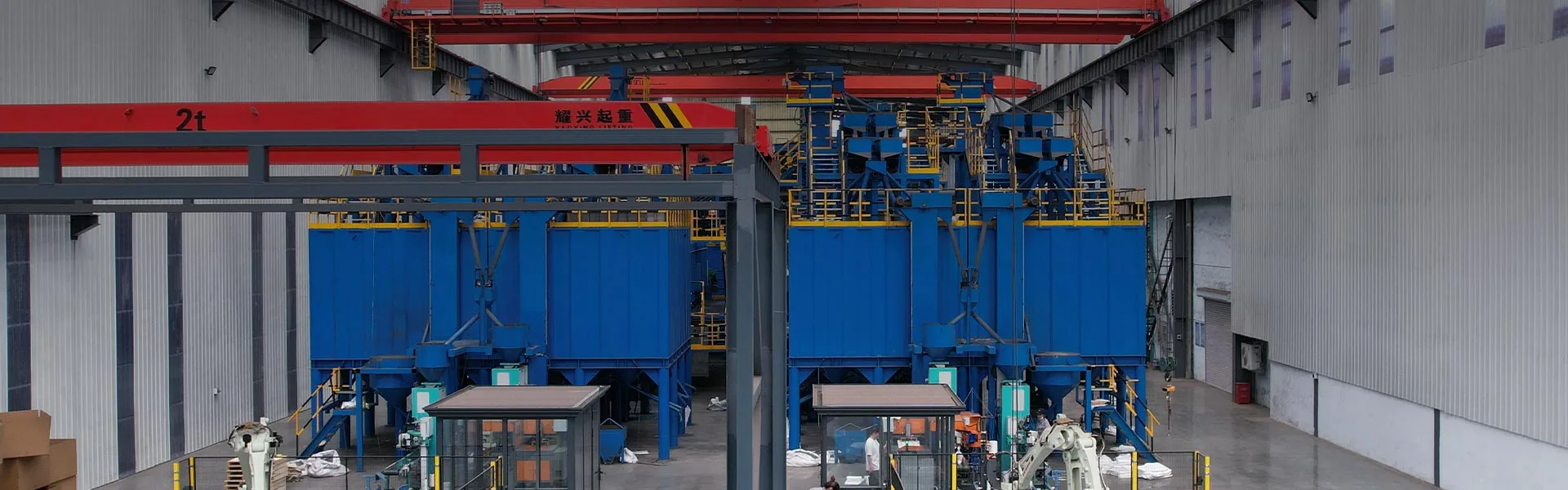
Each production batch is tested in our in-house laboratory. The following inspections are performed:
- Chemical composition analysis (C, Mn, Si, S, P) using a SPECTRO direct-reading spectrometer
- Hardness testing (Rockwell HRC) on multiple samples per batch
- Metallographic examination to confirm bainite structure
- Particle size distribution analysis by standard sieve method
- Sphericity and surface defect inspection
- Density measurement by alcohol displacement method
- Fatigue life testing using an Irwin fatigue life tester for selected applications
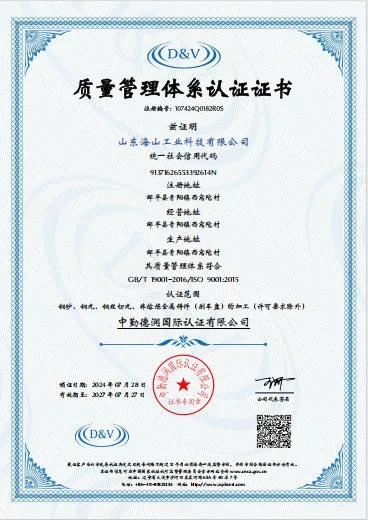
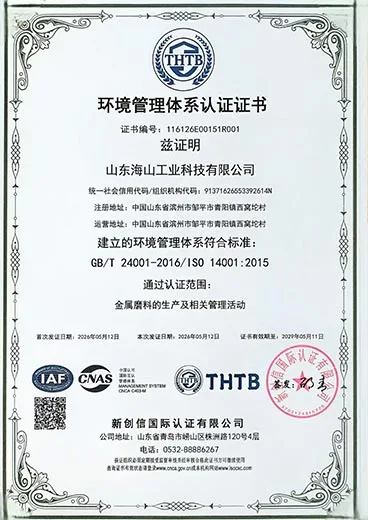
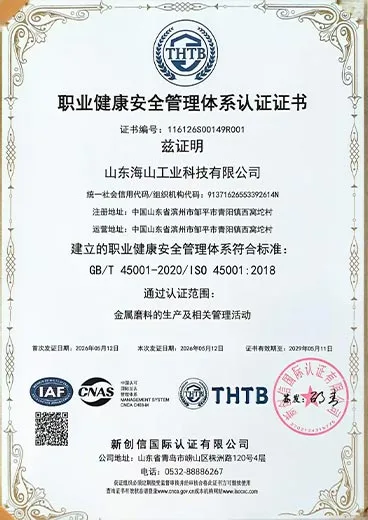
All products are manufactured in accordance with GB/T 18838 and SAE J444 standards. Full batch traceability is maintained from raw material inspection to final dispatch.
Frequently Asked Questions
What is the difference between low carbon steel shot and standard cast steel shot?
Low carbon steel shot has a carbon content of 0.2% or less and a hardness of HRC25-35. Standard cast steel shot typically contains 0.85-1.20% carbon and has a hardness of HRC40-50. The lower hardness of low carbon shot produces a softer impact, which is safer for thin or soft metal parts.
Which applications are best suited for low carbon steel shot?
It works well for deburring, matte finishing, and mild cleaning on aluminum and zinc die castings, stainless steel sheets, galvanized plates, precision hardware, and medical device components. It is not suitable for heavy rust or thick scale removal.
How do I select the right particle size for my process?
Particle size depends on the workpiece material, desired surface finish, and blasting equipment. Finer sizes are often used for delicate parts, while coarser sizes handle larger areas. Refer to the particle size table above or contact our technical team for a specific recommendation.
Does low carbon steel shot last longer than high-carbon steel shot?
In applications with frequent impacts on soft workpieces, low carbon steel shot generally shows good fracture resistance and may require less frequent refilling. Actual service life depends on operating conditions and equipment settings, so we recommend testing under your normal production conditions.
Can I get a sample before placing a bulk order?
Yes, sample requests are welcome. Please contact our sales team with your workpiece material, blasting equipment type, and preferred particle size. We will provide a suitable sample for evaluation.
Related Category
Send Inquiry
Contact Info
-
Address
Qingyang Economic Development Zone, Zouping County, Shandong Province, China
-
Tel
-
Email
Send an inquiry to Haishan for quality steel shot, steel grit, cut wire shot and counterweight sand. Get factory direct wholesale price, free quotation and OEM customized solutions.
News Recommendations