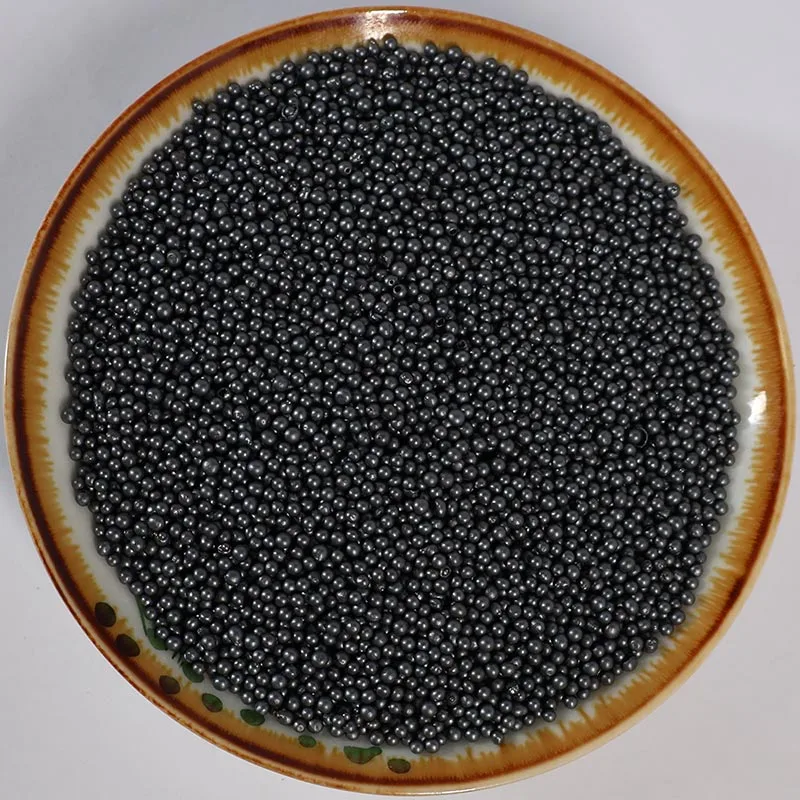
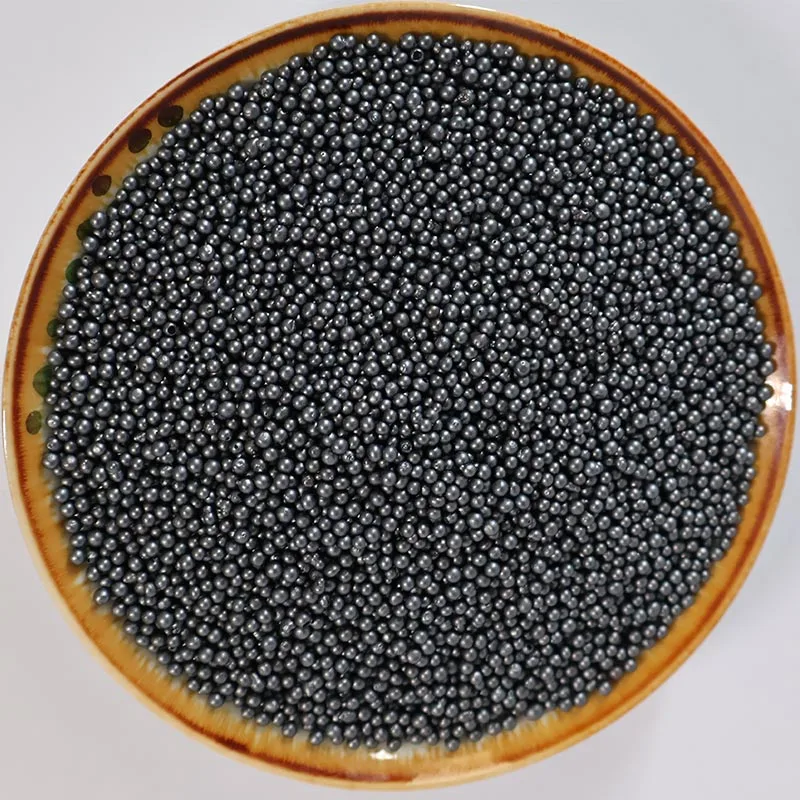
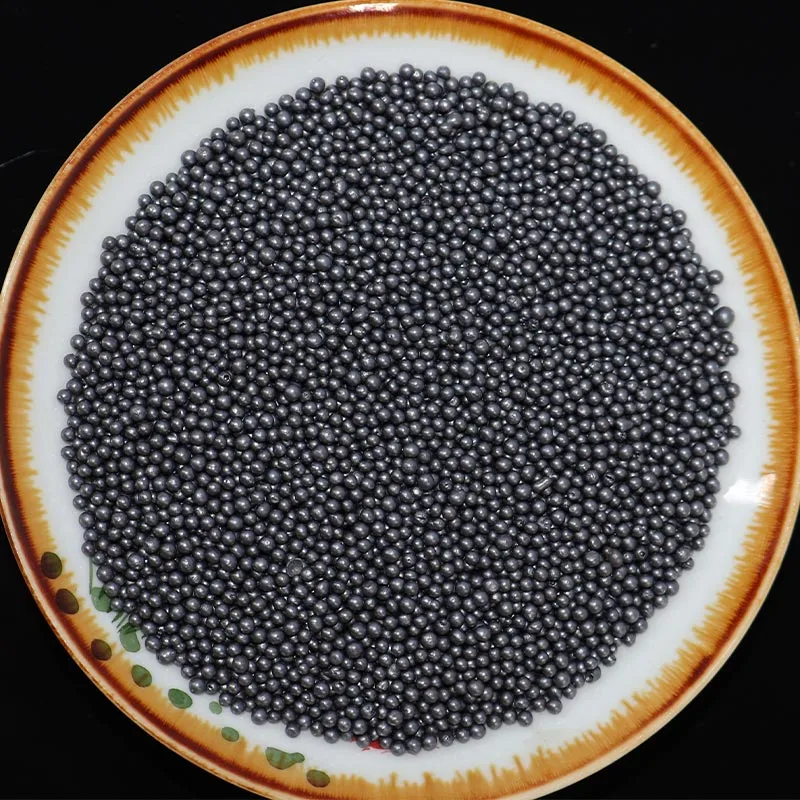
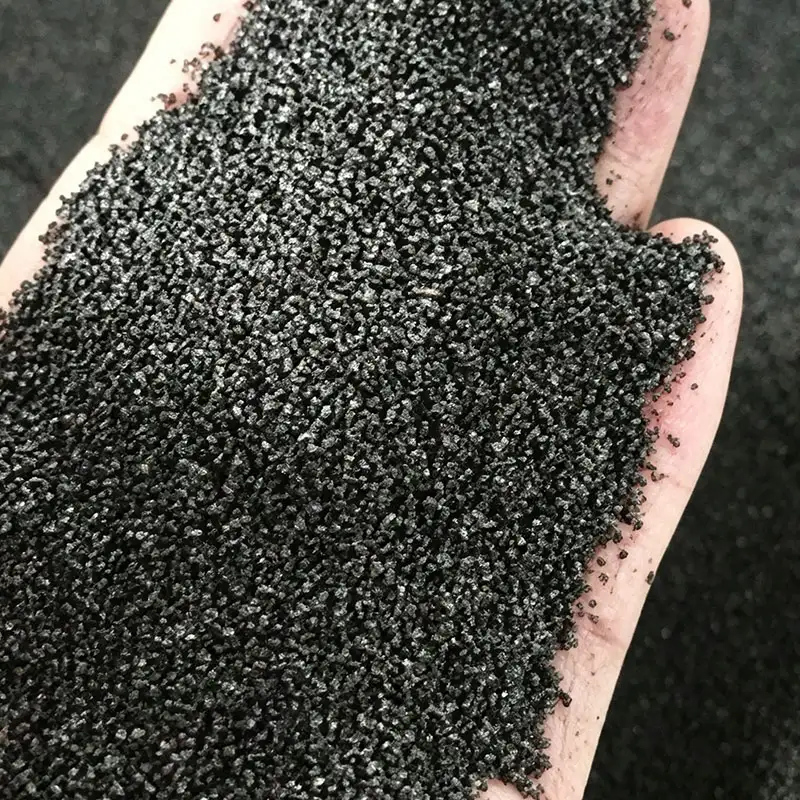
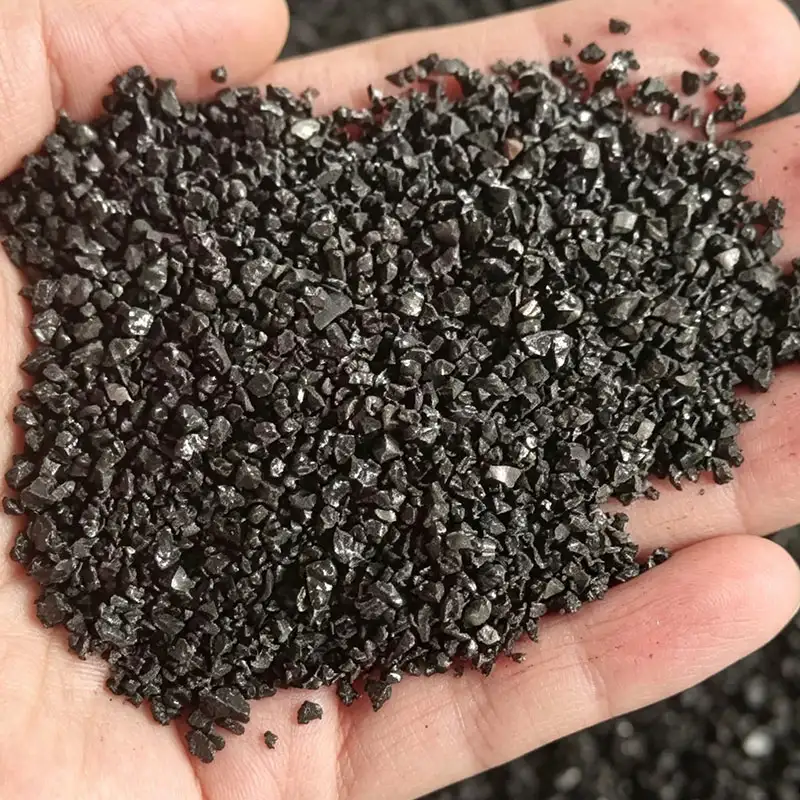
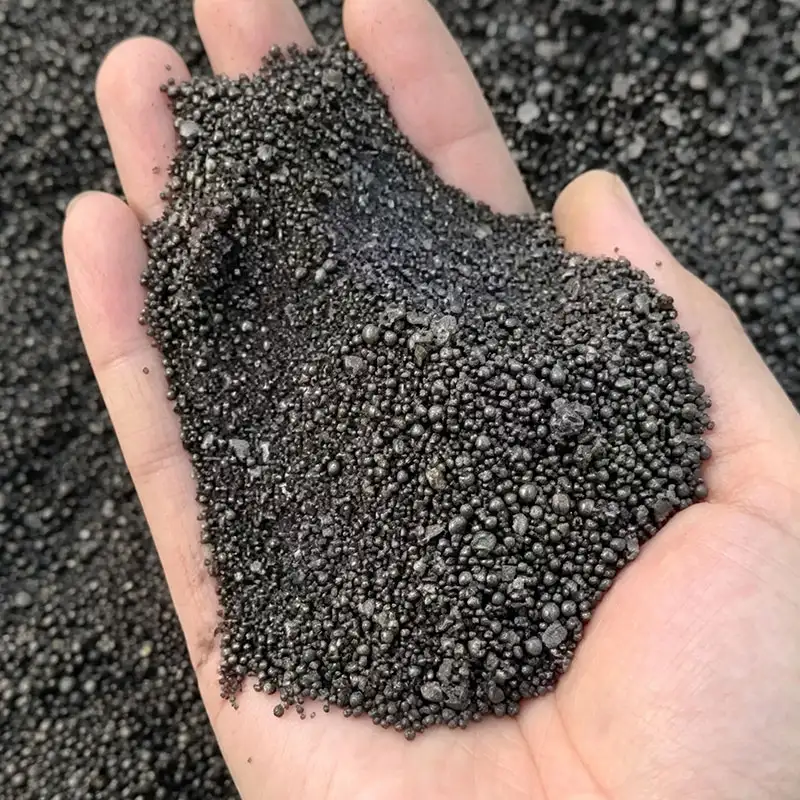
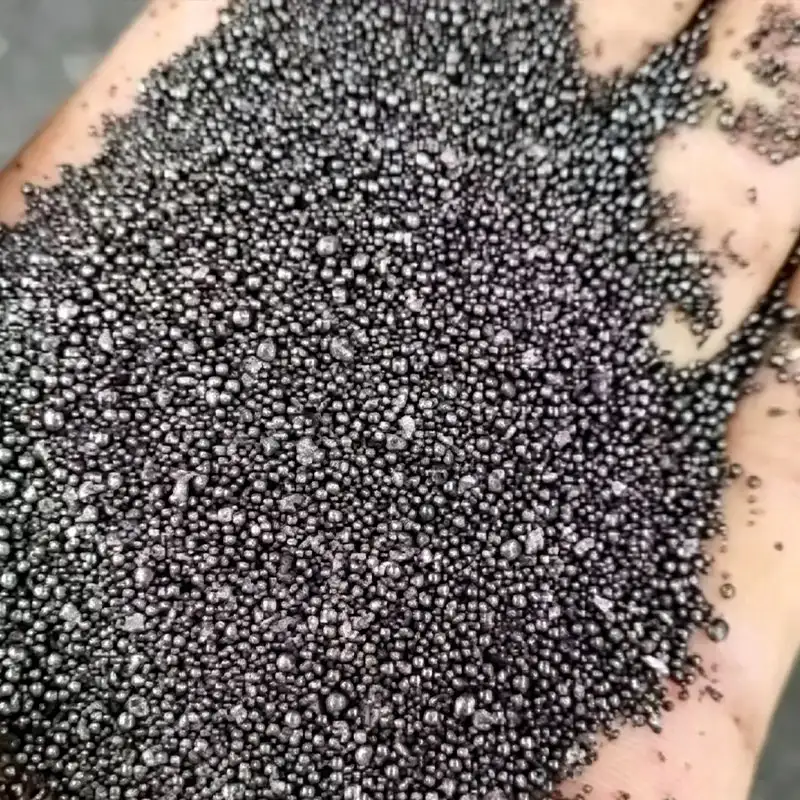
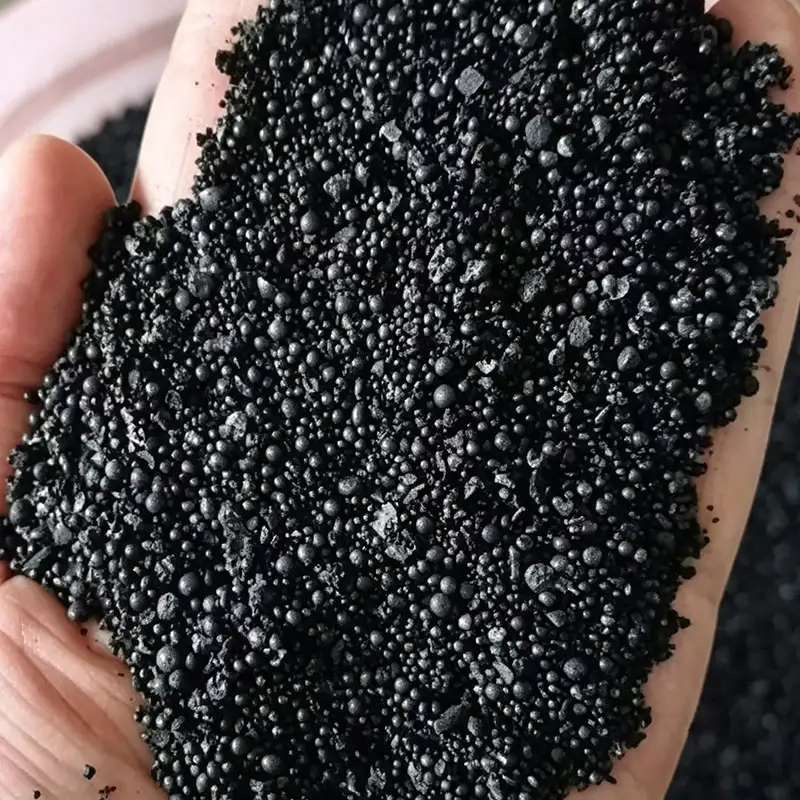
Angular Steel Grit
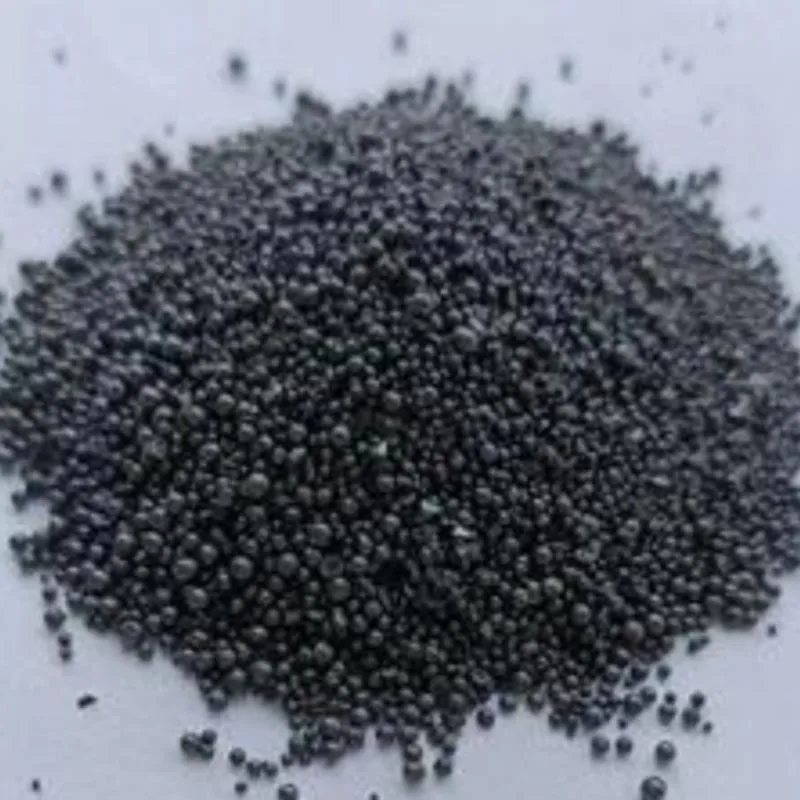
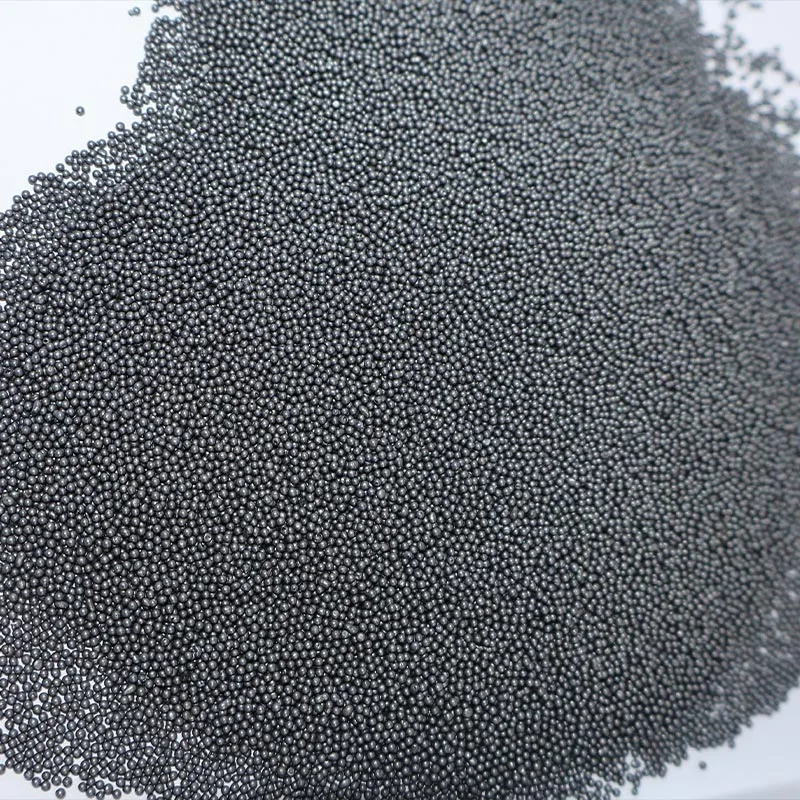
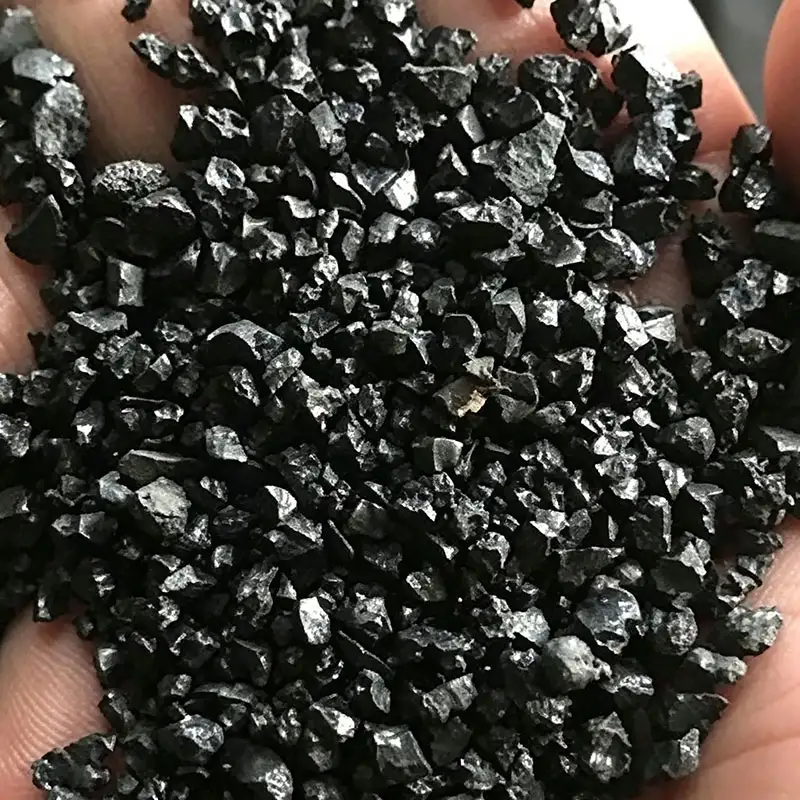
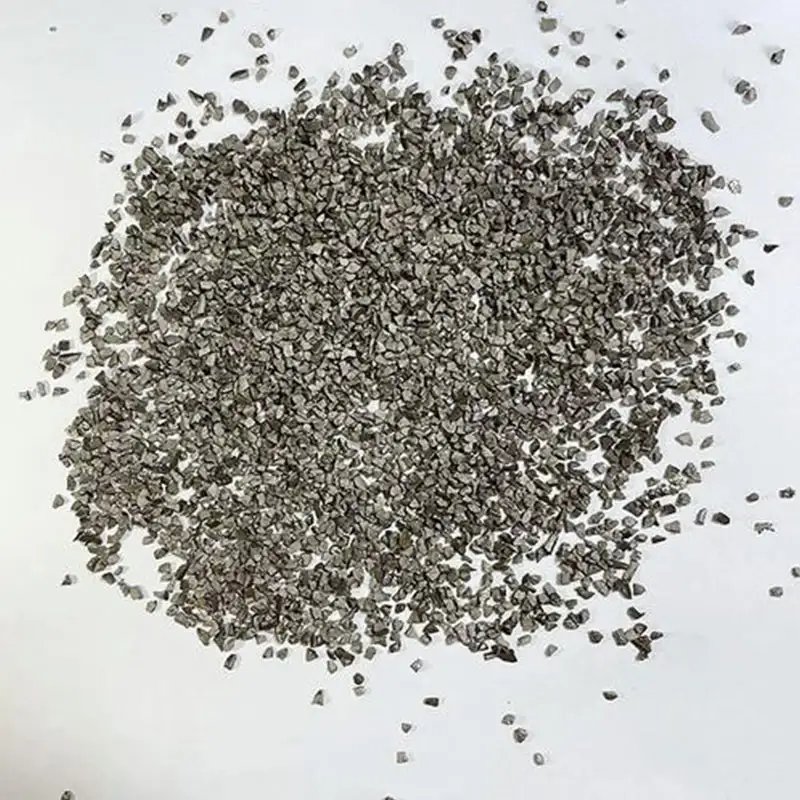
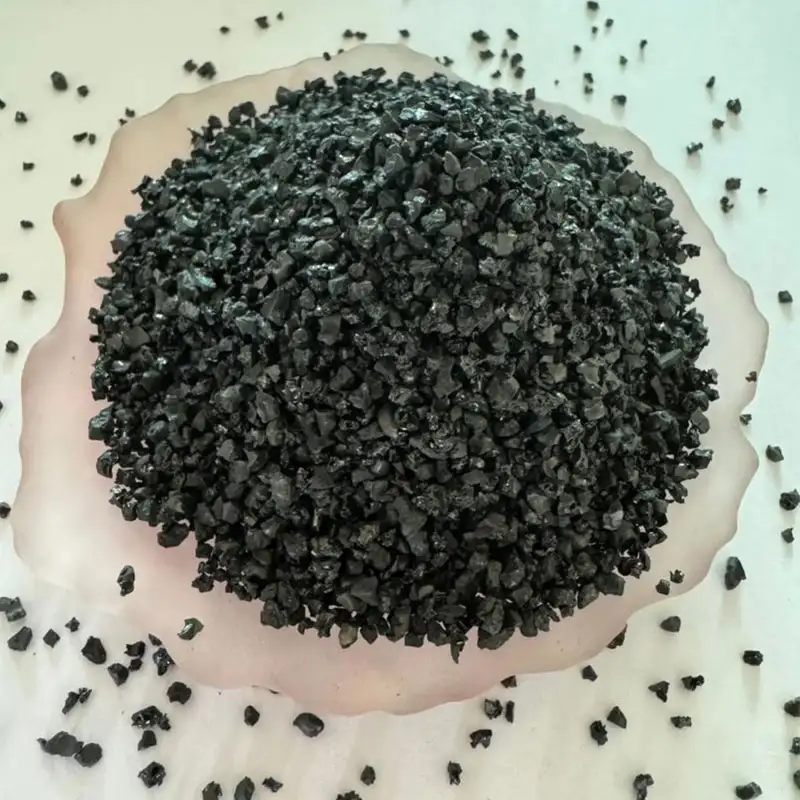
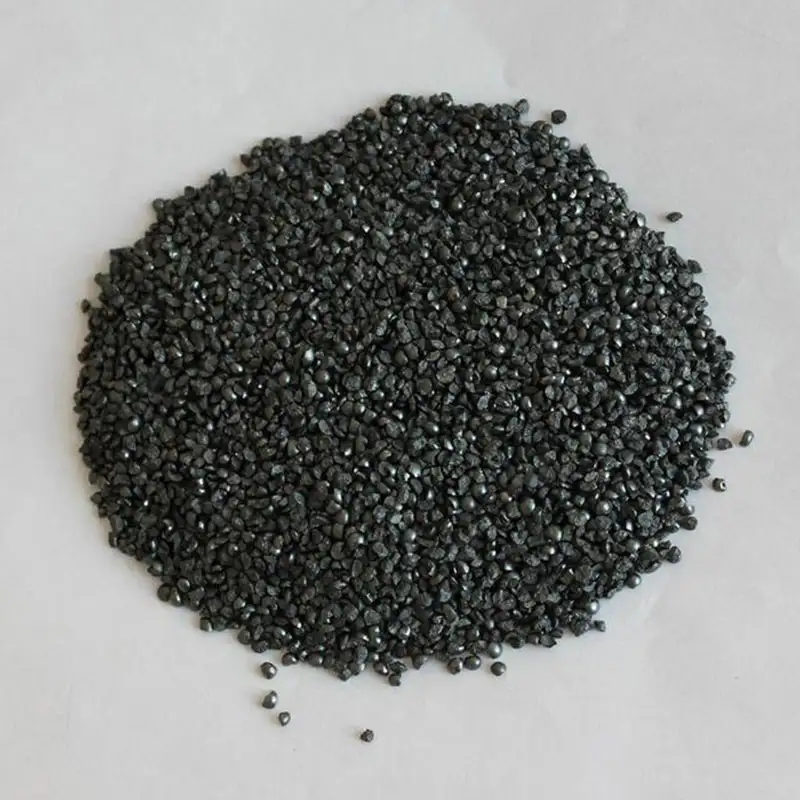
Angular steel grit from Shandong Haishan Industrial Technology is designed for heavy-duty anti-corrosion pretreatment. With 100% sharp edges, extreme cutting force, and uniform deep anchor patterns, it suits shipbuilding and pressure vessel applications. Bulk procurement and factory-direct sourcing are available for industrial buyers.
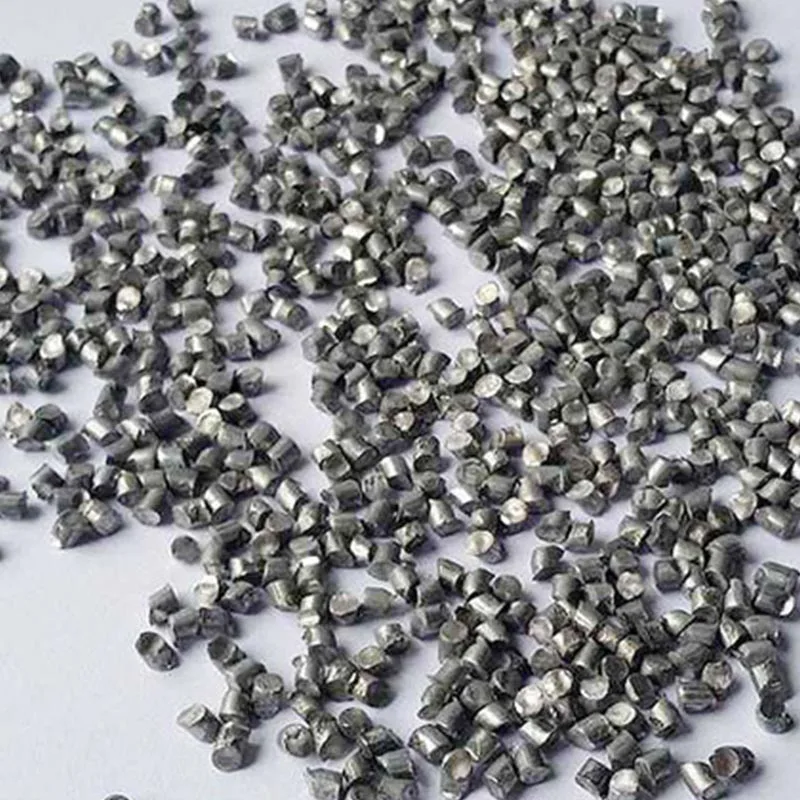
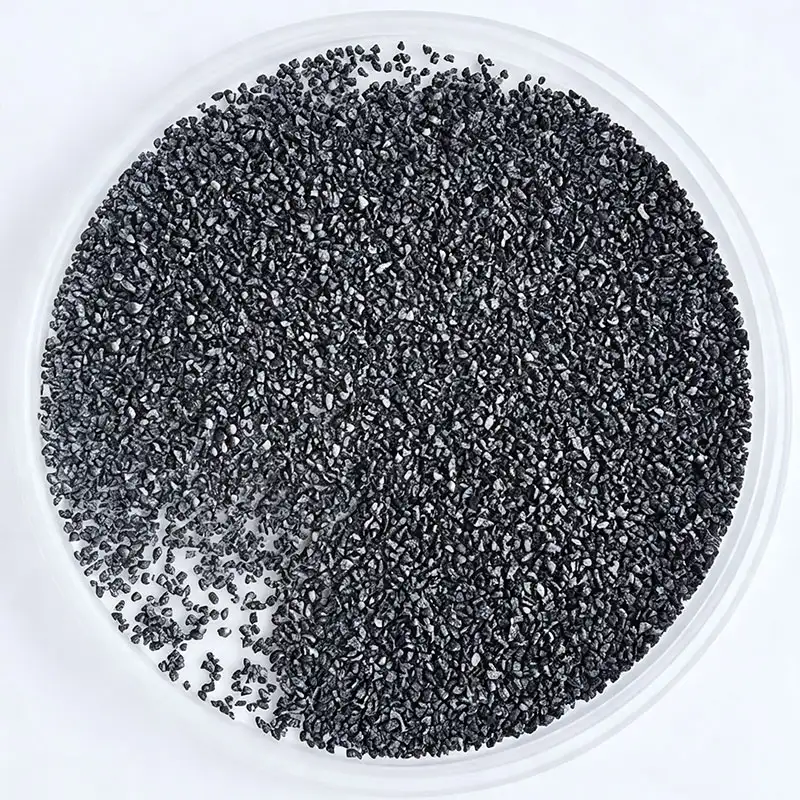
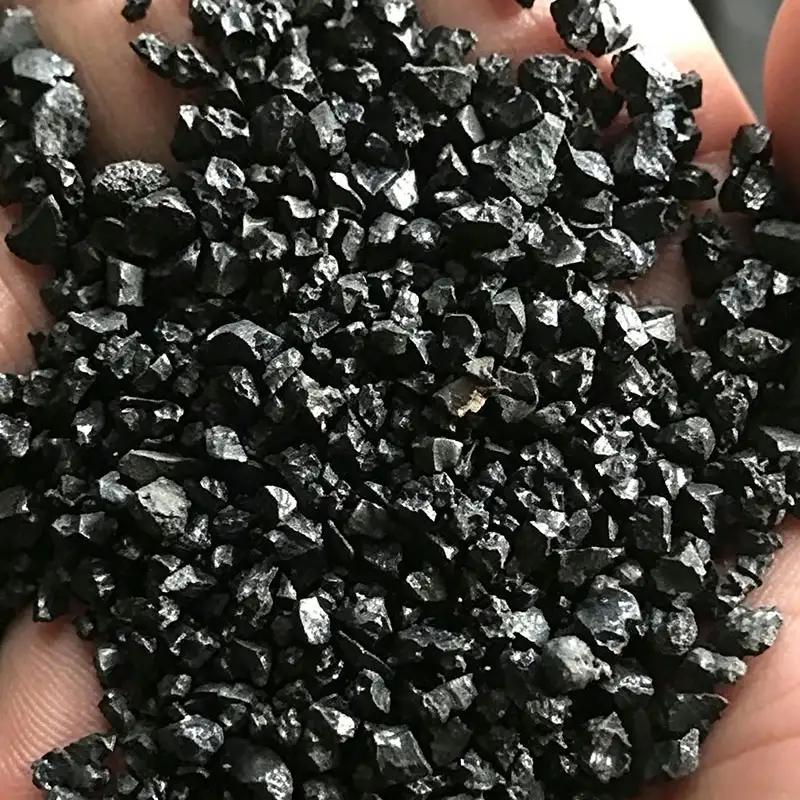
Angular steel grit supplied by Shandong Haishan Industrial Technology is designed for heavy-duty surface preparation where deep anchor patterns and aggressive cleaning are required. The product is made from high carbon steel, crushed and screened to retain sharp, angular edges that resist rounding during repeated impacts. It is not a general-purpose abrasive; it is intended for thick rust, hard mill scale, and stubborn welding slag on heavy steel sections. For precision parts or thin sheet metal, a different abrasive should be selected.
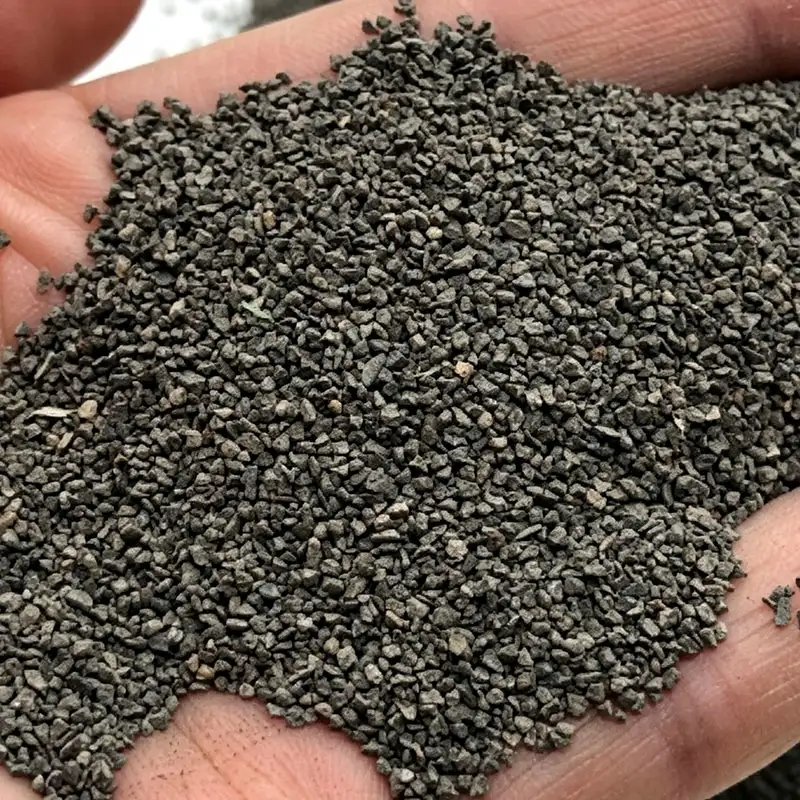
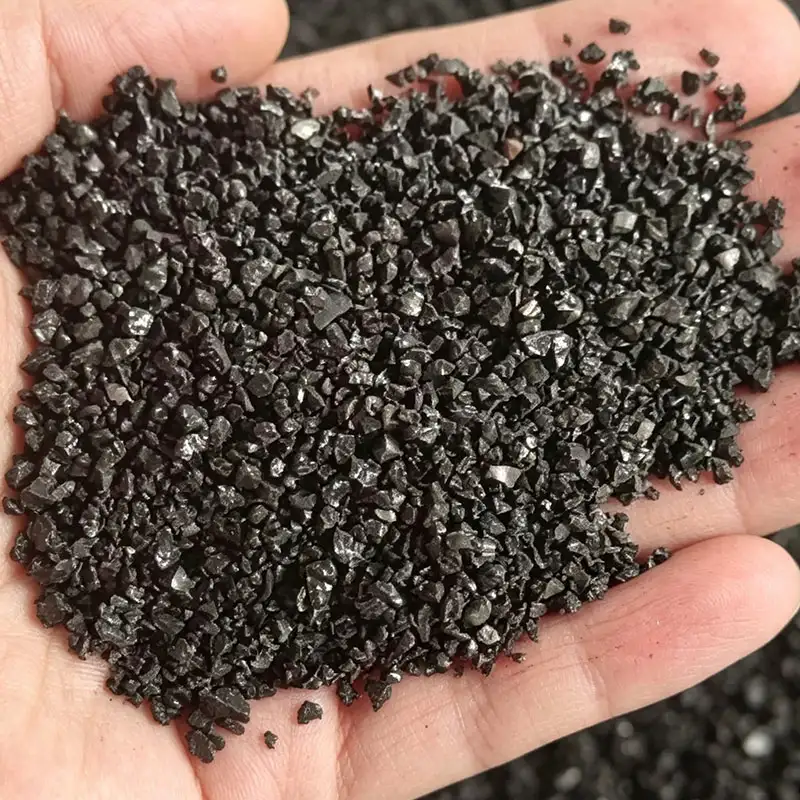
How Angular Steel Grit Is Made
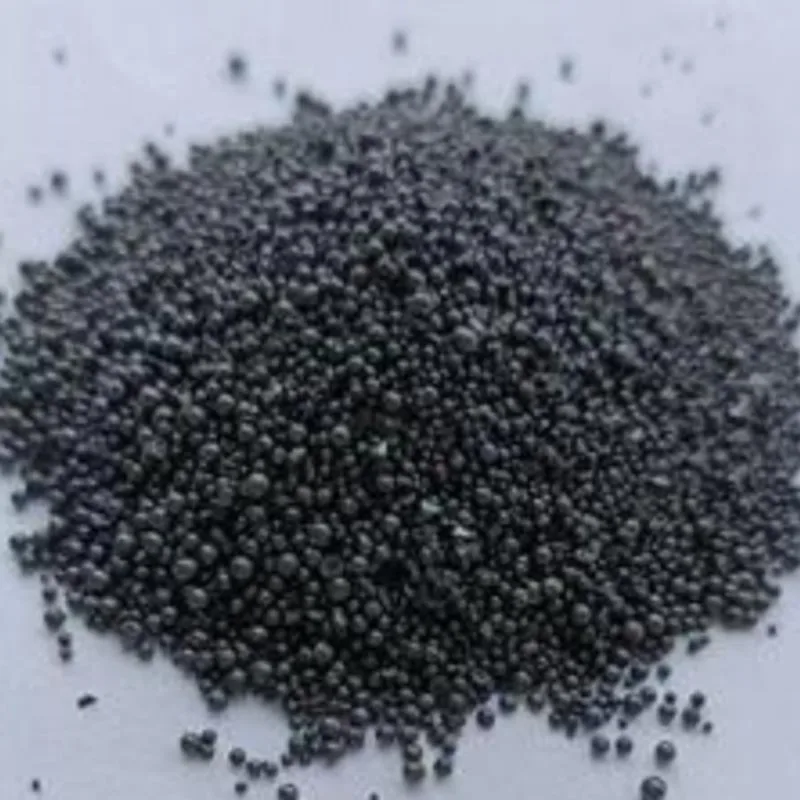
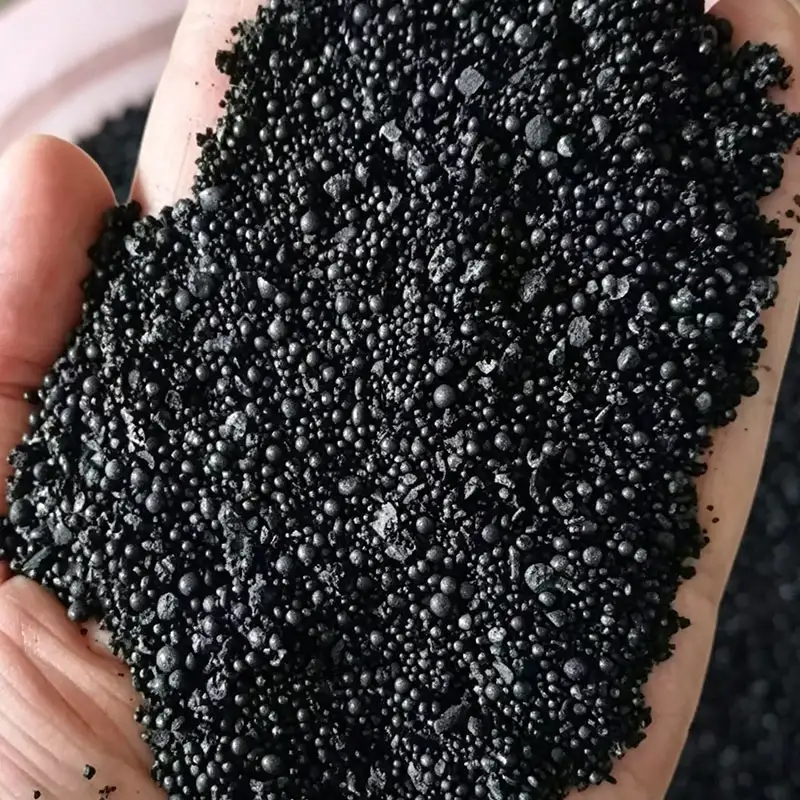
The production process starts with high carbon steel shot, which is crushed a second time to produce particles with multiple sharp edges. The crushed material passes through several precision sieves, and any rounded or near-spherical grains are removed by additional sorting. This results in a product where the majority of particles have at least one distinct cutting edge. The final hardness is controlled within HRC 45–52, a range that balances cutting ability with enough toughness to avoid premature fracture.
Product Specifications
| Parameter | Typical Value |
| Material | High carbon steel |
| Hardness (HRC) | 45 – 52 |
| Particle Shape | Angular, sharp edges |
| Metallographic Structure | Tempered martensite |
| True Density (g/cm³) | ≥7.4 |
| Bulk Density (g/cm³) | 4.0 – 4.4 (depending on size) |
Hardness is measured on mounted cross-sections with a Rockwell hardness tester. Particle size distribution is verified by sieve analysis according to SAE J444. Chemical composition is checked by direct-reading spectrometer.
Performance Under Heavy-Duty Conditions
- High cutting force: The sharp edges concentrate impact energy on a small contact area, which helps break hard oxide scale and weld slag that spherical shot cannot remove efficiently.
- Edge retention: The controlled hardness reduces rounding during use, so the abrasive keeps its cutting ability longer than softer steel grit. This can lower the frequency of refilling.
- Deep anchor profile: On carbon steel, angular steel grit commonly produces surface profiles in the range of 75–120 μm, suitable for heavy anti-corrosion coatings that require strong adhesion.
- Uniform particle size: Multi-stage screening maintains a narrow size distribution, which helps achieve consistent surface roughness across large workpieces.
Where Angular Steel Grit Should Not Be Used
Because of its aggressive cutting action, this abrasive is not recommended for steel plates thinner than 8 mm, precision-machined components, or parts where a smooth decorative finish is required. It will produce a rough surface that may be excessive for thin coatings or non-slip applications that demand only light texturing.
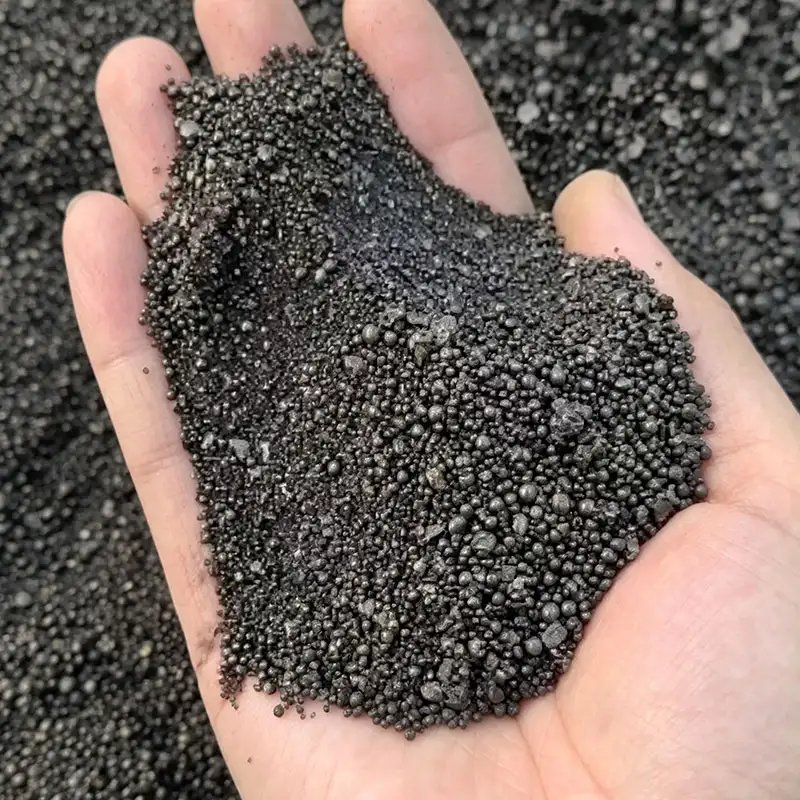
Choosing the Right Particle Size
The table below gives a general guide to common angular steel grit sizes and their typical use in heavy-duty blasting. Actual selection should be confirmed by testing on the target workpiece.
| SAE Grade | Approx. Size (mm) | Typical Application | Expected Surface Profile |
| G12 | 2.0 – 2.8 | Very thick scale, heavy weld slag on large castings | 100 – 150 μm |
| G14 | 1.7 – 2.0 | Heavy rust and scale on ship hulls, bridge sections | 85 – 130 μm |
| G16 | 1.4 – 1.7 | General heavy-duty blasting on structural steel | 75 – 110 μm |
| G18 | 1.2 – 1.4 | Medium-heavy cleaning, pressure vessel preparation | 65 – 95 μm |
| G25 | 0.7 – 1.0 | Lighter scale, but still aggressive for most coatings | 50 – 80 μm |
Larger particles create deeper profiles and remove heavier contamination, but may leave a rougher surface. For high film-build coatings, a 75–100 μm profile is often specified, which corresponds to G16 or G18 in many cases. We can provide a specific recommendation based on your coating specification and substrate condition.
Common Applications
- Hull blasting for ship repair and heavy anti-corrosion systems
- Substrate roughening before thick film coatings on pressure vessels
- Removal of heavy welding slag from steel fabrications
- Descaling of hot-rolled steel billets and plates
- Creation of anti-slip surfaces on steel decks and walkways
Quality Control and Traceability
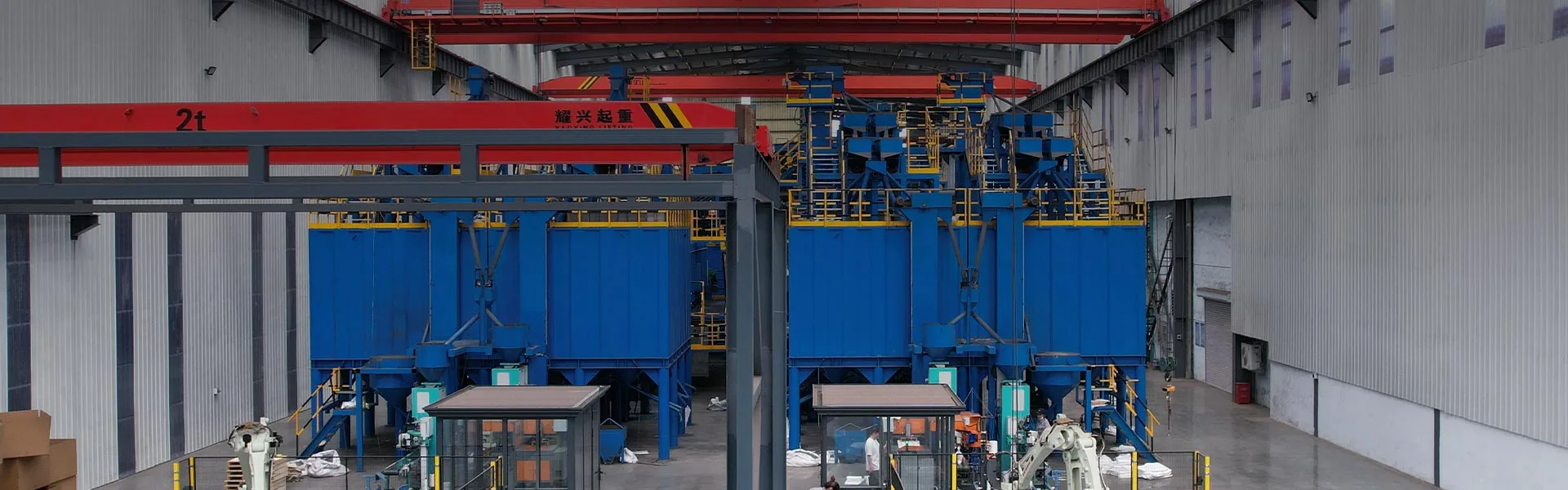
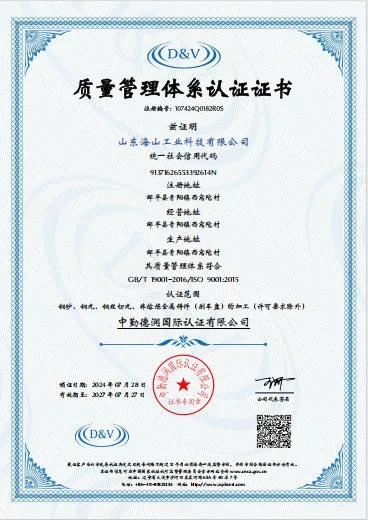
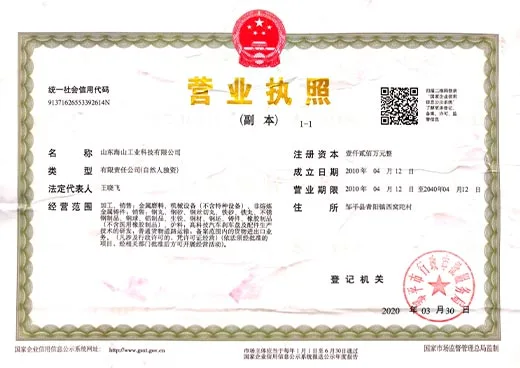
Shandong Haishan Industrial Technology maintains a laboratory equipped with a direct-reading spectrometer, Rockwell hardness tester, metallurgical microscope, and sieve shakers. Every batch of angular steel grit is tested for chemical composition, hardness, and particle size distribution. Certificates of analysis and test reports are included with each shipment. Additional documents such as metallographic reports and density measurements are available on request.
Packaging and Storage
Standard packaging is 25 kg bags with a moisture-resistant PE inner liner and a woven polypropylene outer bag. 1,000 kg bulk bags on pallets are available for large orders. For export, pallets comply with ISPM 15 requirements. Store in a dry, covered area to prevent moisture absorption. The product does not require pre-screening before use.
Frequently Asked Questions
What is the difference between angular steel grit and regular steel grit?
Regular steel grit may contain a mix of angular, rounded, and partially rounded particles. Angular steel grit is specifically processed to remove rounded grains, leaving particles with sharper cutting edges. This gives it higher cutting force and a deeper anchor profile, but also makes it more aggressive and less suitable for thin or precision parts.
Can angular steel grit be recycled in a wheel blast machine?
Yes, it can be recycled in most closed-loop wheel blast systems. However, because it is more aggressive, particle breakdown may be slightly faster than with standard grit. Monitoring the working mix and adding new grit as needed helps maintain consistent performance.
What surface profile can I expect after blasting with angular steel grit?
On carbon steel, the surface profile typically ranges from 75 to 120 μm, depending on the particle size, blasting pressure, and standoff distance. Use surface profile gauges or replica tape to verify that the profile meets the coating manufacturer's requirement.
Is angular steel grit suitable for stainless steel or aluminum surfaces?
No, angular steel grit is made from carbon steel and can cause ferrous contamination on stainless steel or aluminum. For those materials, use stainless steel abrasive or a non-metallic media.
Does angular steel grit produce more dust than other abrasives?
Compared to finer steel grit, angular steel grit produces moderate dust because the particles are larger and break down less readily. However, any blasting process generates some dust, and proper ventilation and dust collection are required.
Can you provide samples for testing?
Yes, sample quantities are available. Testing on your actual workpiece is the best way to confirm that the grit size and profile are suitable before placing a full order.
Related Category
Send Inquiry
Contact Info
-
Address
Qingyang Economic Development Zone, Zouping County, Shandong Province, China
-
Tel
-
Email
Send an inquiry to Haishan for quality steel shot, steel grit, cut wire shot and counterweight sand. Get factory direct wholesale price, free quotation and OEM customized solutions.
News Recommendations