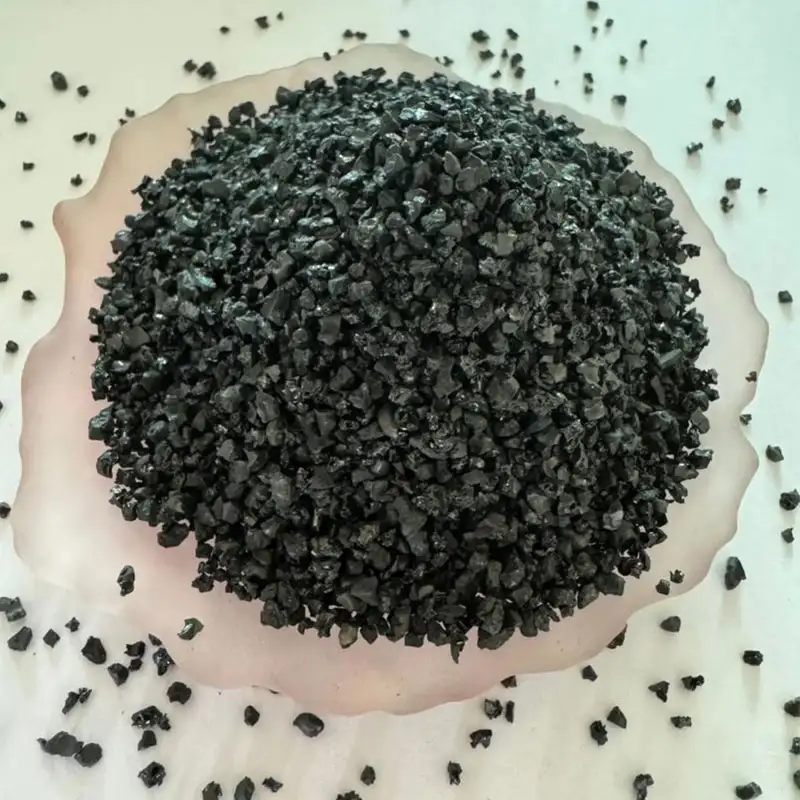
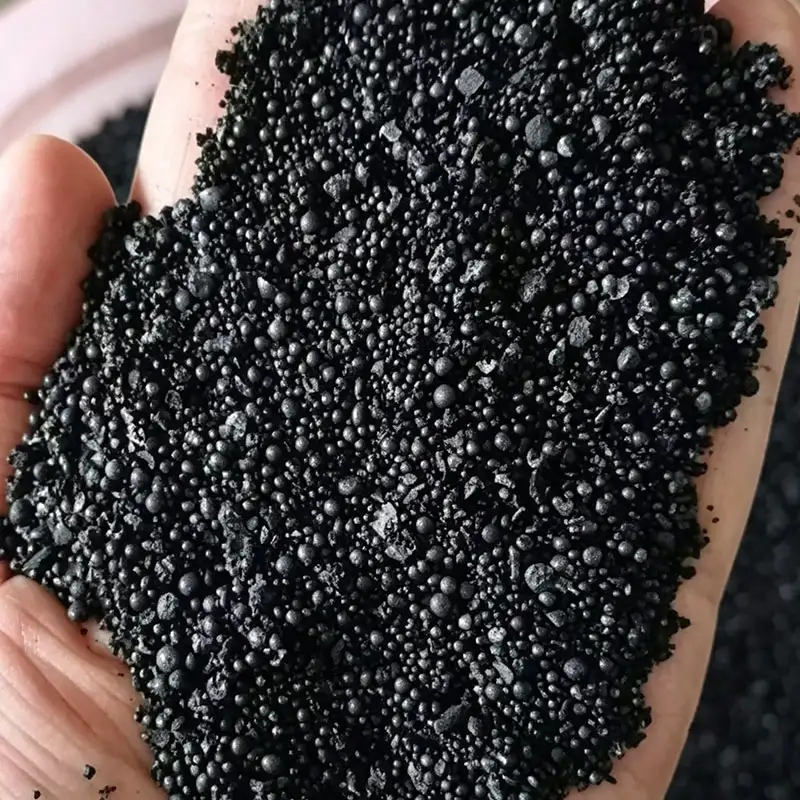
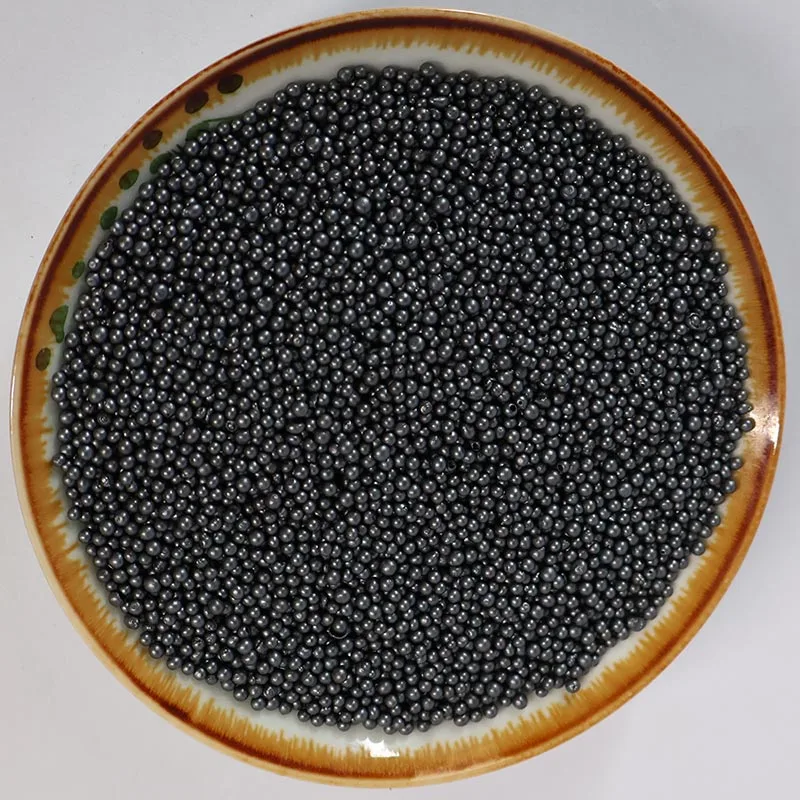
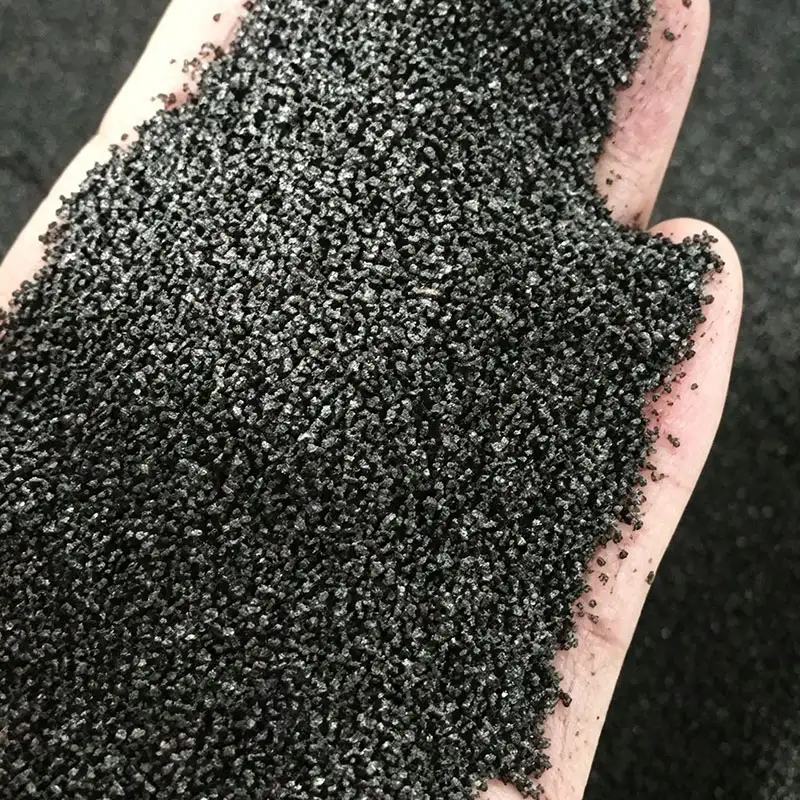
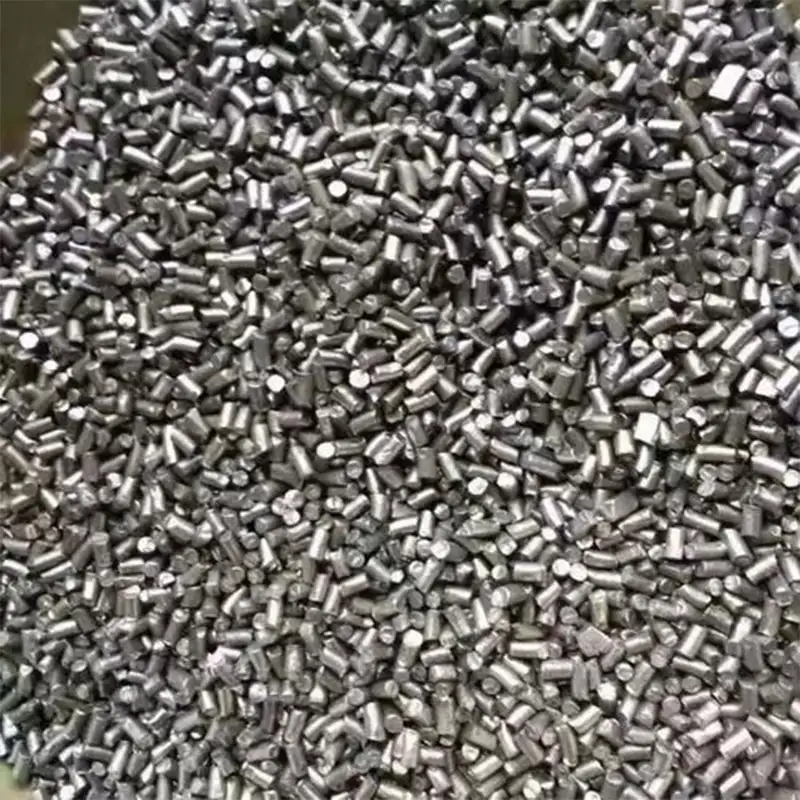
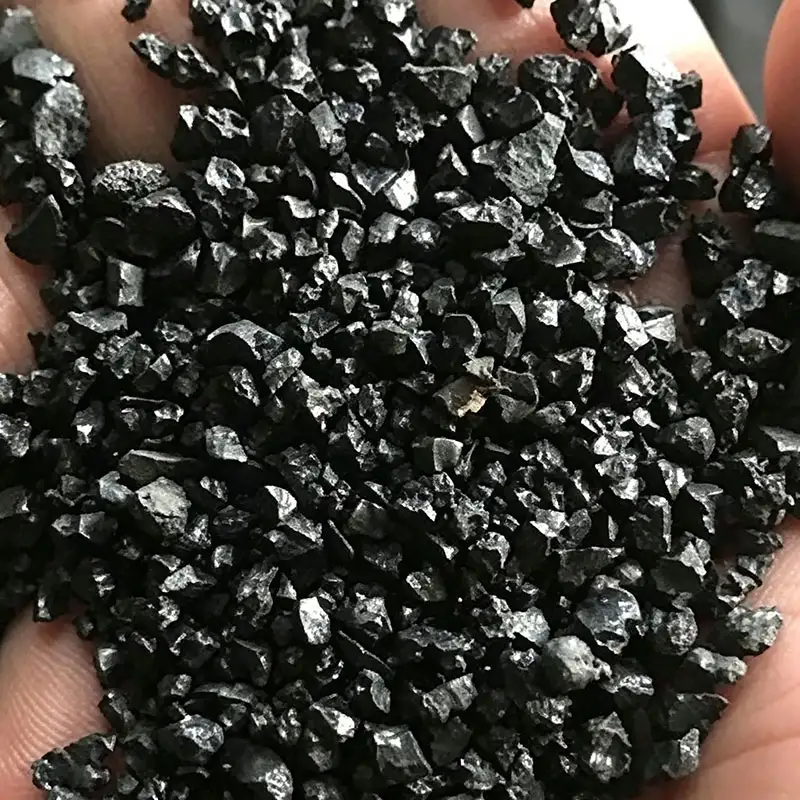
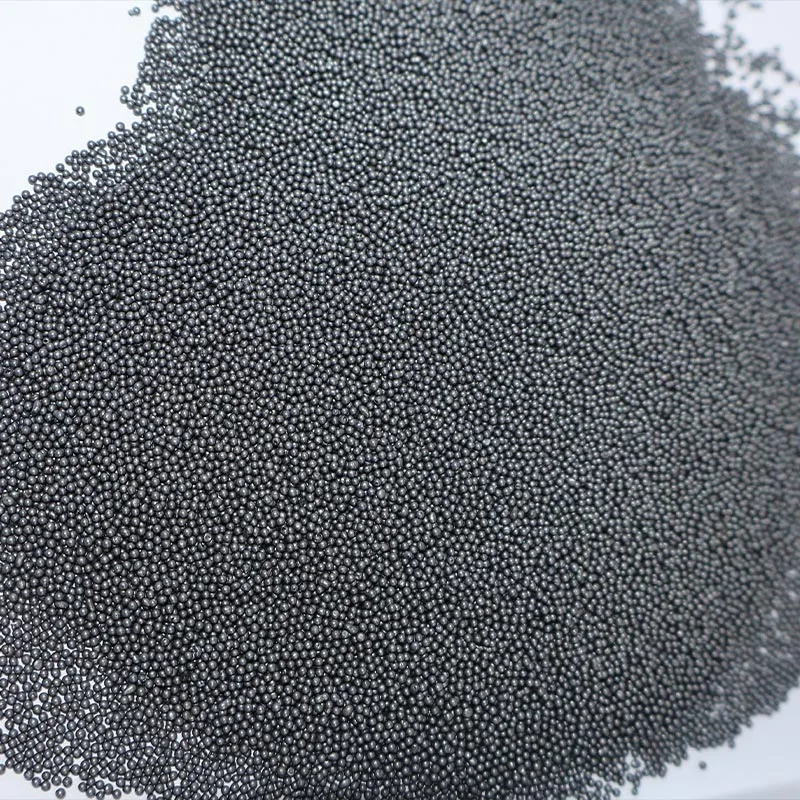
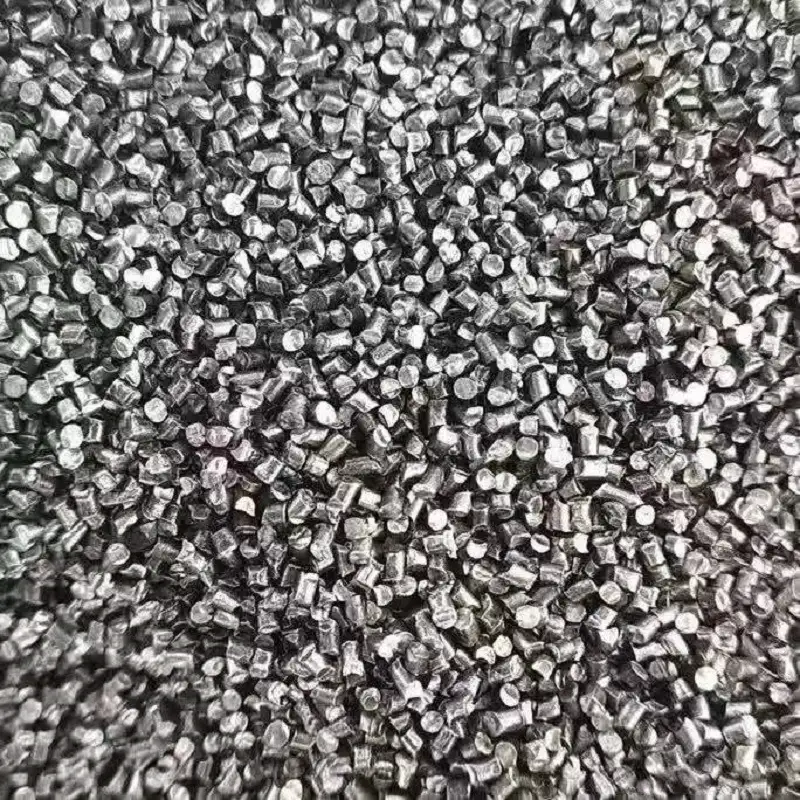
In the field of metal surface treatment, steel grit occupies an irreplaceable position due to its uniquely angular morphology. Unlike spherical steel shot, steel grit is produced by mechanically crushing heat-treated steel shot pellets, resulting in irregular, sharp-edged particles that offer distinct advantages in industrial cleaning and surface profiling.
The manufacturing process defines the performance of steel grit. During production, specific sizes of steel shot undergo crushing to create particles with sharp edges and fractured sections. These grains are classified into different hardness grades, ranging from softer GP types to GH grades reaching up to HRC63-65, suitable for various blasting equipment and operational requirements. The high-carbon steel composition ensures a balance between hardness and toughness, enabling extended service life under repeated impact.
In terms of application, the core value of steel grit lies in its efficient cleaning capability and surface profile generation. Its angular shape quickly removes mill scale, rust, and old coatings from metal surfaces while creating a rough, peak-and-valley profile that is critical for enhancing coating or paint adhesion. Sources indicate that, at the same grain size, steel grit produces a rougher surface profile and greater surface area compared to steel shot. This characteristic makes it widely used in shipbuilding, structural steel pretreatment, and even stone cutting operations.
Regarding recyclability, steel grit, like steel shot, can be recovered and reused multiple times through mechanical recovery systems, typically achieving 150 to 200 cycles, with some high-quality products reaching 2,000 to 3,000 cycles, significantly reducing long-term operational costs and waste generation.
From rust removal on bridge components to coating preparation for large storage tanks, steel grit continues to provide foundational support for surface quality across modern industry, leveraging its irreplaceable angular properties.
We use cookies to offer you a better browsing experience, analyze site traffic and personalize content. By using this site, you agree to our use of cookies. Privacy Policy