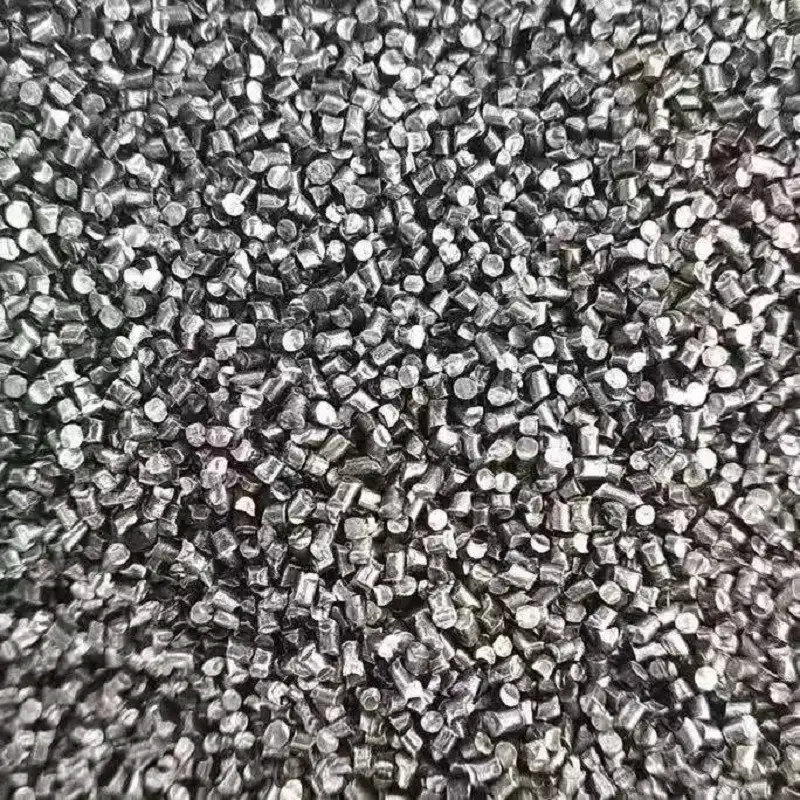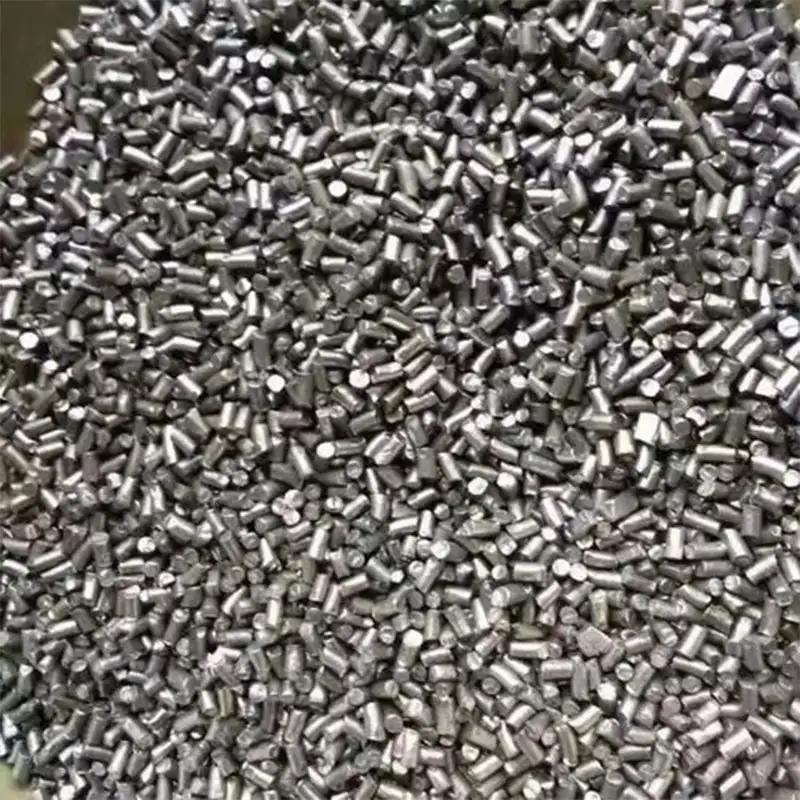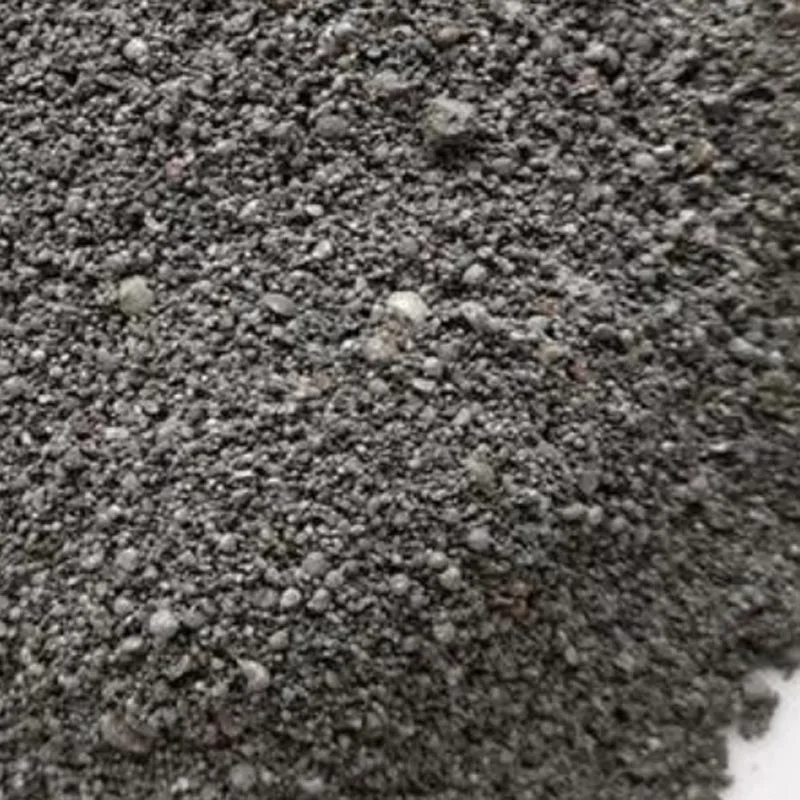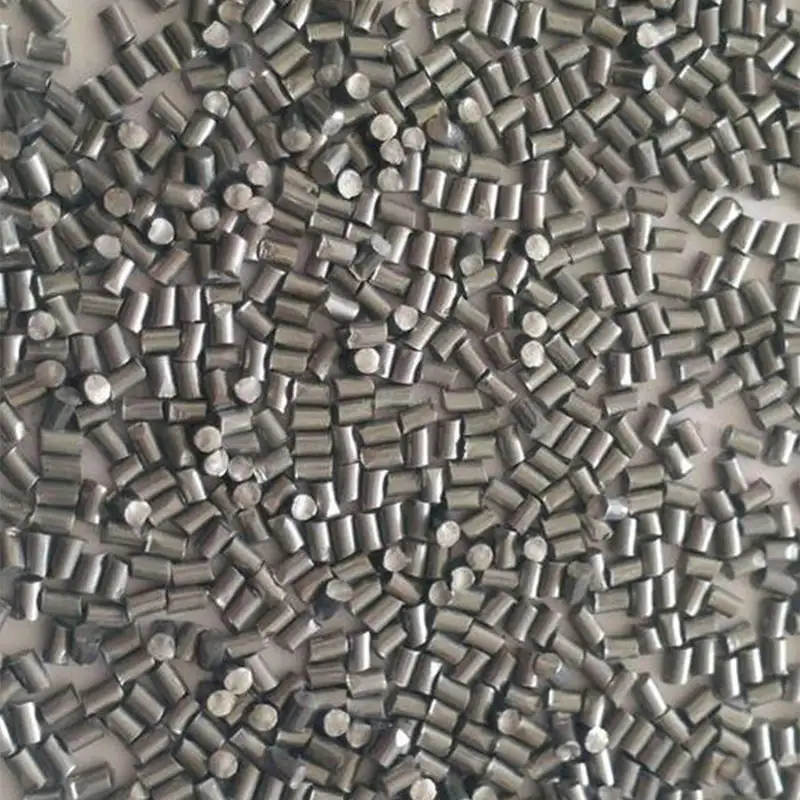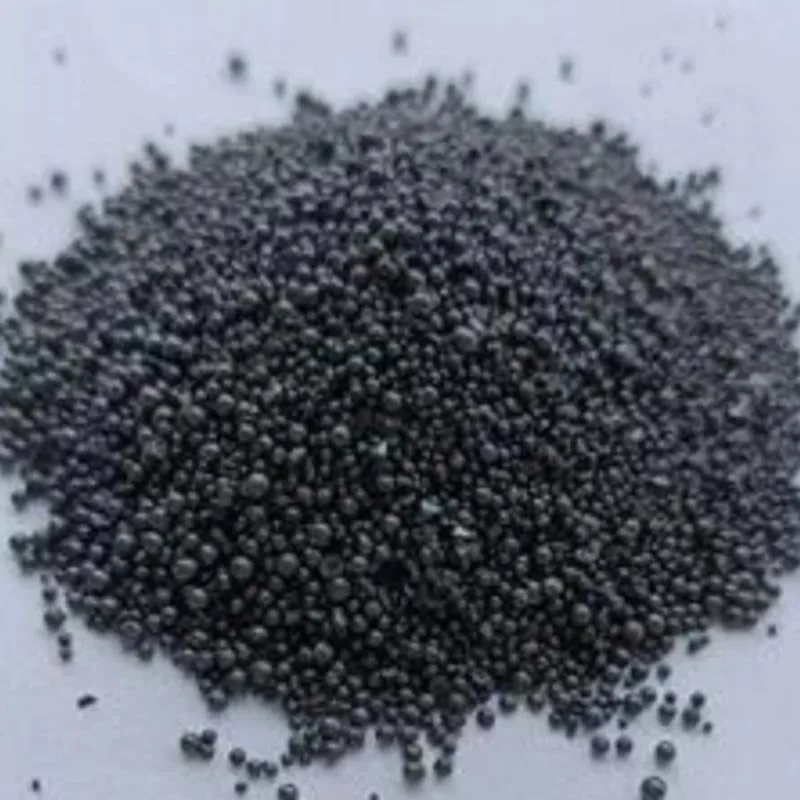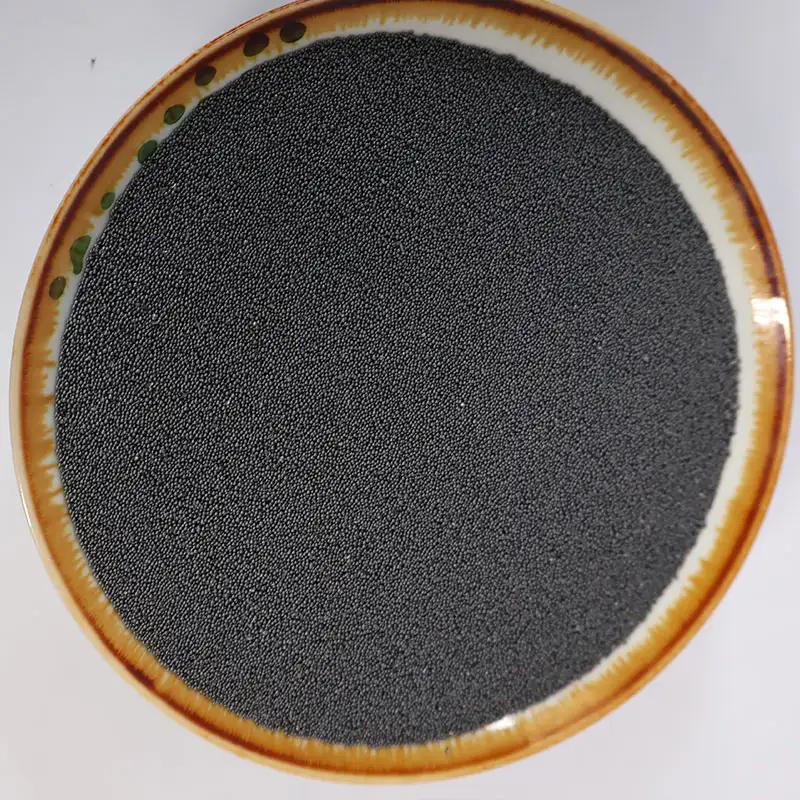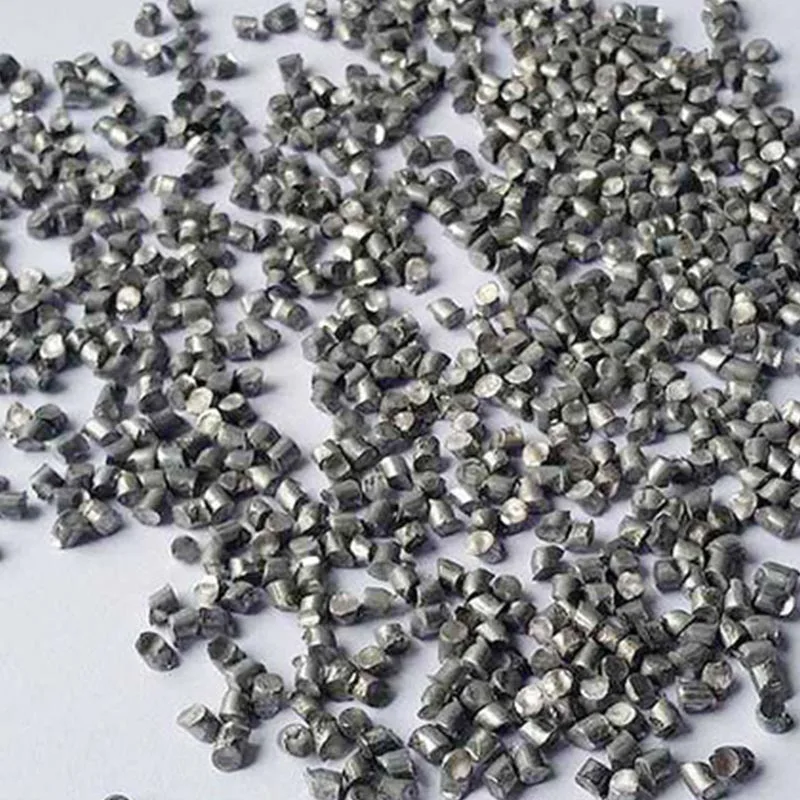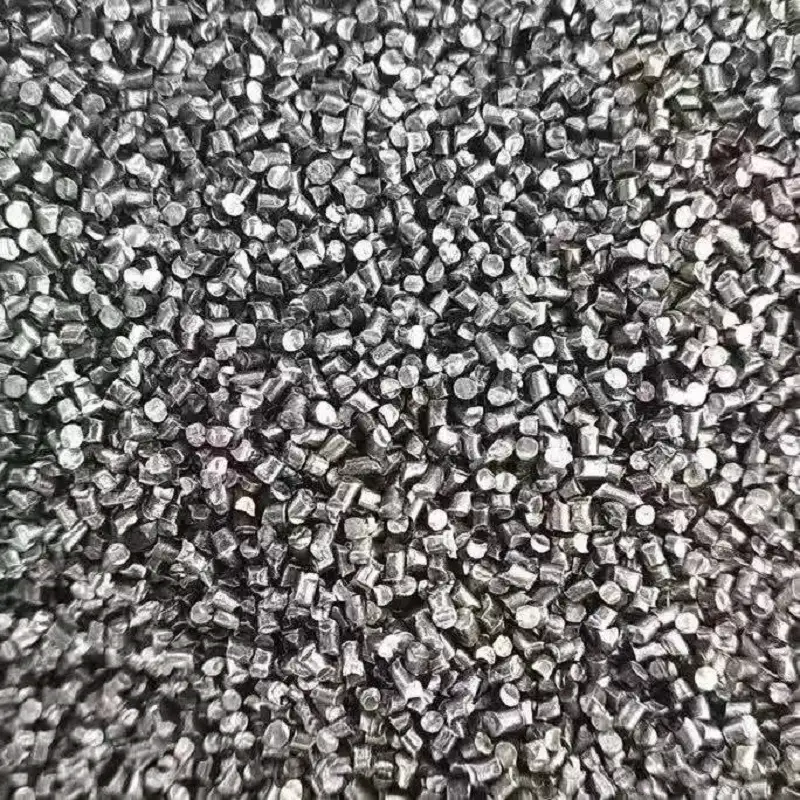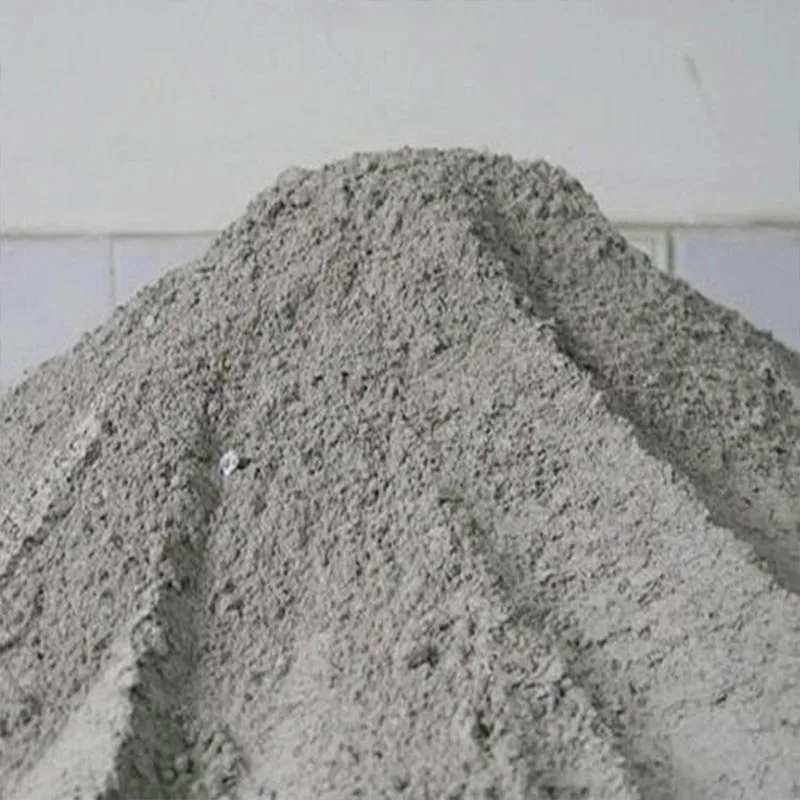
Haishan, a manufacturer of industrial blasting abrasives, supplies Steel Wire Cut Shot for demanding surface preparation applications, including heavy rust removal, weld slag cleaning, and shot peening. Made by cutting steel wire into short cylindrical particles, this abrasive combines aggressive cutting action, high density, and good recycling potential to support consistent results in heavy industrial operations.
Steel Wire Cut Shot is a metallic abrasive produced by cutting steel wire into short segments. Its sharp edges help remove stubborn rust, mill scale, and weld residues, while its solid structure supports repeated use in properly managed blasting systems. It is particularly suitable for heavy steel structures, shipbuilding, foundries, machinery manufacturing, and industrial maintenance. Selecting the appropriate particle size, hardness, and conditioning level is essential for balancing cleaning speed, surface roughness, and abrasive consumption. This guide explains how Steel Wire Cut Shot works, its major applications, technical characteristics, selection criteria, and practical maintenance considerations for industrial buyers.
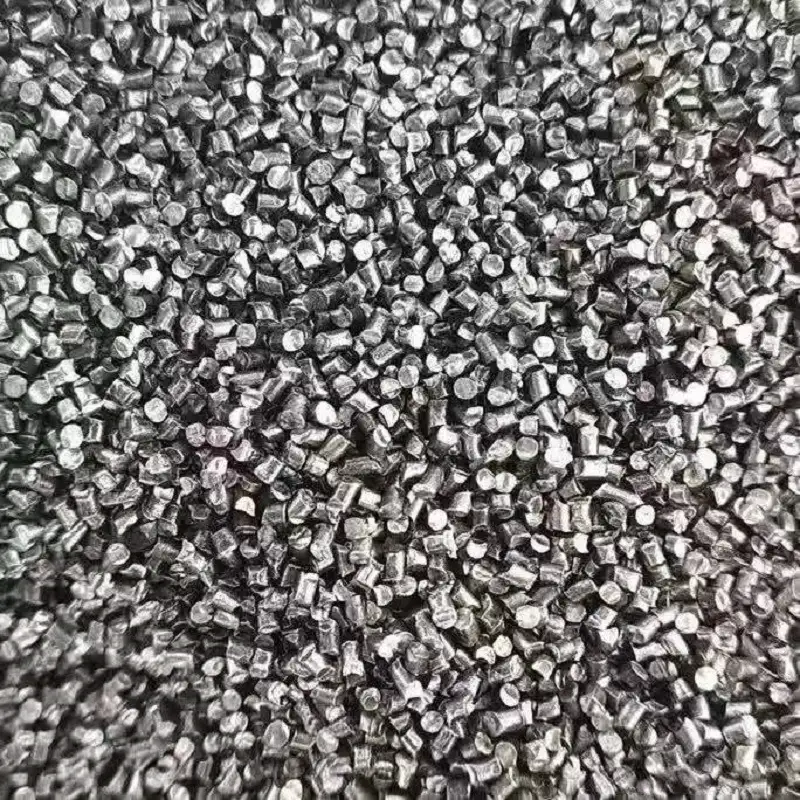
Table of Contents
- What Is Steel Wire Cut Shot?
- How Does Steel Wire Cut Shot Work?
- Key Benefits of Steel Wire Cut Shot
- Industrial Applications and Use Cases
- Technical Specifications and Properties
- Steel Wire Cut Shot vs. Cast Steel Shot
- How to Choose the Right Steel Wire Cut Shot
- Operational Tips for Better Blasting Results
- Frequently Asked Questions
- Conclusion: Finding the Right Abrasive Solution
1. What Is Steel Wire Cut Shot?
Steel Wire Cut Shot is an industrial blasting abrasive manufactured by cutting steel wire into short, relatively uniform cylindrical pieces. Unlike cast steel shot, which is formed by melting and atomizing molten steel, cut wire shot retains the original material structure of the wire. Its cut ends create a more aggressive impact profile that can help remove tough surface contaminants.
Depending on the material grade and production process, Steel Wire Cut Shot can be manufactured from different steel compositions and supplied in as-cut or conditioned forms. As-cut particles have sharper edges, making them suitable for demanding cleaning tasks. Conditioned particles undergo additional processing to round their edges, improving their suitability for applications that require more controlled surface treatment.
Haishan offers Steel Wire Cut Shot in standard sizes ranging from 0.8 mm to 3.0 mm, with custom sizes and edge-rounding services available upon request. Samples and test reports can help buyers evaluate product suitability before committing to larger orders.
For related abrasive solutions, explore Steel Shot and Steel Grit to compare options for different surface preparation requirements.
2. How Does Steel Wire Cut Shot Work?
Steel Wire Cut Shot removes contaminants through repeated high-energy impacts. In wheel-blast systems, rotating blast wheels accelerate the abrasive toward the workpiece. In compressed-air systems, a controlled air stream propels particles through a blasting nozzle. The impact helps detach rust, scale, weld residues, and other unwanted materials from the metal surface.
Its working mechanism involves three main stages:
- Impact and cutting: The sharp edges of as-cut particles concentrate impact forces on surface contaminants, helping loosen stubborn deposits.
- Surface exposure: Repeated impacts remove loose or bonded residues and expose the underlying metal for inspection or subsequent treatment.
- Recovery and separation: Suitable blasting systems collect used abrasive, separate reusable particles from dust and debris, and return serviceable material to circulation.
The final result depends on more than the abrasive itself. Particle size, hardness, blast pressure or wheel speed, abrasive flow rate, exposure time, and workpiece geometry all influence cleaning efficiency and surface profile. Operators should establish suitable parameters through controlled testing rather than assuming that higher impact energy always produces better results.
3. Key Benefits of Steel Wire Cut Shot
3.1 Aggressive Cleaning Performance
The cutting edges of as-cut wire particles are useful for removing heavy rust, mill scale, and weld slag from robust steel components. This makes the abrasive a practical option when conventional cleaning methods struggle to remove stubborn deposits efficiently.
3.2 Good Abrasive Reusability
Steel Wire Cut Shot is made from solid steel wire rather than being formed through atomization. Its toughness helps particles resist premature fragmentation under suitable operating conditions. With effective recovery, screening, and separation, reusable abrasive can be returned to the blasting process, reducing unnecessary material consumption.
3.3 High Material Density
Haishan specifies a material density of approximately 7.8 g/cm³. This density supports effective impact energy in heavy-duty blasting applications, although actual cleaning performance also depends on particle dimensions, equipment settings, and the condition of the workpiece.
3.4 Reduced Dust from Abrasive Breakage
Because solid wire particles can resist shattering, they may generate less fine debris from abrasive fragmentation than more brittle media. However, blasting still produces dust from rust, coatings, scale, and the workpiece itself. Suitable extraction, filtration, and personal protective equipment remain essential.
3.5 Flexible Processing Options
Different particle sizes and conditioning levels allow manufacturers to tailor abrasive performance to specific production requirements. Buyers can select sharper particles for aggressive cleaning or request edge rounding when a less aggressive impact profile is needed.
4. Industrial Applications and Use Cases
Steel Wire Cut Shot is particularly valuable in industries that process thick steel components and require effective contaminant removal before inspection, coating, or further manufacturing.
Shipbuilding and Offshore Structures
Ship decks, steel sections, and offshore structural components can accumulate rust and other deposits during fabrication, storage, and service. Steel Wire Cut Shot can support heavy-duty surface preparation before protective coating systems are applied. The specified cleaning profile should be verified against the coating manufacturer's requirements.
Heavy Machinery and Welded Components
Welded frames, machinery housings, and structural assemblies may contain weld slag, scale, and oxidation. Suitable blasting conditions help remove these residues and prepare surfaces for subsequent finishing or inspection.
Automotive and Mechanical Engineering
Selected load-bearing components, springs, crankshafts, and gears may require shot peening to improve fatigue performance. For these applications, the abrasive's size, hardness, conditioning, and process consistency must be carefully controlled. A qualified shot-peening process should verify coverage, intensity, and the required component specifications.
Steel Pipes, Castings, and Fabricated Structures
Thick-walled steel pipes, heavy castings, steel beams, and fabricated structures often need cleaning before painting or other protective treatments. Steel Wire Cut Shot can help remove surface contamination and improve preparation consistency when matched to the equipment and workpiece.
Important limitation: Sharp-edged, high-impact wire cut shot is generally unsuitable for thin sheet metal, soft aluminum alloys, or components requiring a delicate cosmetic finish unless the process has been specifically validated. A less aggressive or non-ferrous abrasive may be a better choice for sensitive surfaces.
5. Technical Specifications and Properties
Technical specifications help purchasing teams compare abrasive products and determine whether they are suitable for existing blasting equipment. The following table summarizes the typical values published by Haishan for Steel Wire Cut Shot. Actual values may vary by production lot and product configuration.
| Parameter | Typical Specification | Industrial Significance |
|---|---|---|
| Product Type | Steel Wire Cut Shot | Metallic abrasive for industrial blasting |
| Particle Size | 0.8–3.0 mm | Influences impact intensity, coverage, and surface profile |
| Carbon (C) | 0.45–0.75% | Contributes to steel hardness and mechanical properties |
| Silicon (Si) | 0.10–0.30% | Part of the steel's chemical composition |
| Manganese (Mn) | 0.40–1.20% | Supports the required material properties |
| Sulfur (S) | Below 0.04% | Controlled impurity in the specified composition |
| Phosphorus (P) | Below 0.04% | Controlled impurity in the specified composition |
| Initial Hardness | 36–52 HRC | Affects cutting action, wear behavior, and application suitability |
| Tensile Strength | 1,660–2,200 MPa | Indicates the strength characteristics of the material |
| Metallographic Structure | Deformation pearlite | Helps characterize the material's internal structure |
| Material Density | 7.8 g/cm³ | Relevant to particle impact energy |
| Bulk Density | 4.4 g/cm³ | Useful for estimating storage and handling volume |
Note: These are typical published values, not a guarantee that every size or grade will have identical properties. Request the current technical data sheet and batch test report when specific acceptance limits are required.
6. Steel Wire Cut Shot vs. Cast Steel Shot
Steel Wire Cut Shot and cast steel shot are both used in abrasive blasting, but their production methods and particle shapes create different performance characteristics. Choosing between them depends on the workpiece, contamination level, required finish, and process objectives.
| Comparison Factor | Steel Wire Cut Shot | Cast Steel Shot |
|---|---|---|
| Manufacturing Process | Steel wire is cut into short segments | Molten steel is atomized and formed into particles |
| Initial Shape | Cylindrical, with cut ends | Generally spherical |
| Cutting Action | More aggressive with sharp-edged particles | Generally less cutting-oriented |
| Typical Strength | Heavy-duty cleaning and selected peening processes | General-purpose cleaning and suitable peening processes |
| Surface Finish | Depends strongly on particle shape and settings | Often suitable for more uniform impact patterns |
| Selection Priority | Stubborn contaminants and demanding steel surfaces | Applications requiring spherical media and controlled impact |
Neither abrasive is universally superior. Steel Wire Cut Shot can be advantageous for tough cleaning tasks, while spherical cast steel shot may be preferable for applications requiring a rounder particle shape. For a broader comparison, review Haishan's Steel Shot product range.
7. How to Choose the Right Steel Wire Cut Shot
Choosing the correct abrasive is essential for controlling processing time, surface quality, and total operating costs. Before placing an order, evaluate the following factors.
- Workpiece material: Confirm that steel abrasive is compatible with the substrate and will not cause unacceptable contamination or damage.
- Contamination level: Thick rust, heavy scale, and weld slag may require a more aggressive particle profile than light surface oxidation.
- Particle size: Larger particles generally deliver greater impact per particle, while smaller particles can provide different coverage and access characteristics. Validate the size against the equipment and required finish.
- Hardness: Match the abrasive's hardness and mechanical characteristics to the cleaning or peening objective.
- Conditioning level: As-cut particles provide sharper edges, while conditioned particles offer rounded edges and a different impact profile.
- Equipment compatibility: Verify the abrasive size range permitted by the blast wheel, nozzle, separator, and recovery system.
- Quality documentation: Request technical specifications, batch inspection results, and relevant conformity documents when required by the project.
- Total operating cost: Compare abrasive consumption, cleaning rate, equipment wear, disposal requirements, and labor rather than evaluating purchase price alone.
For industrial buyers sourcing Steel Wire Cut Shot in bulk, a trial batch can help establish suitable operating parameters before full-scale procurement. Sharing details about the workpiece, blast equipment, required surface profile, and expected production volume enables a more informed product recommendation.
8. Operational Tips for Better Blasting Results
Even a well-selected abrasive can deliver inconsistent results if the blasting system is poorly adjusted or maintained. A structured operating routine helps improve process stability and reduce avoidable material loss.
- Inspect incoming abrasive: Check particle size, packaging condition, and available quality documentation before loading the material.
- Establish baseline parameters: Record blast pressure or wheel speed, abrasive flow rate, exposure time, and workpiece conditions during initial trials.
- Monitor surface quality: Inspect cleanliness and surface roughness against the applicable project or coating requirements.
- Screen recovered material: Remove undersized particles, excessive fines, and contaminants to maintain a more consistent working mix.
- Inspect equipment regularly: Check nozzles, blast wheels, liners, separators, and dust collection systems for wear or blockages.
- Track abrasive consumption: Record replenishment rates and reject material to identify changes in process efficiency.
- Maintain worker protection: Use suitable ventilation, dust extraction, protective clothing, hearing protection, and respiratory protection according to the risk assessment.
For shot peening, cleaning parameters alone are not enough. Critical components may require verification of peening intensity, coverage, residual stress objectives, and compliance with the relevant engineering specification. These controls should be established by qualified process personnel.
9. Frequently Asked Questions
Q1: What is Steel Wire Cut Shot mainly used for?
Steel Wire Cut Shot is primarily used for heavy-duty surface cleaning, rust and scale removal, weld slag cleaning, and selected shot-peening applications. It is commonly considered for robust steel components, heavy machinery, shipbuilding structures, castings, and steel pipes.
Q2: What sizes of Steel Wire Cut Shot are available from Haishan?
Haishan lists standard sizes from 0.8 mm to 3.0 mm. Custom sizes may be available depending on production requirements and order quantities. Buyers should confirm the required size, availability, and specifications before purchasing.
Q3: Can Steel Wire Cut Shot be reused?
Yes. Steel Wire Cut Shot can be recovered and reused when the blasting equipment has an appropriate collection and separation system. Actual reuse life depends on the abrasive grade, operating intensity, contamination, screening efficiency, and acceptable particle-size limits.
Q4: Is Steel Wire Cut Shot suitable for aluminum or thin sheet metal?
It is generally not the first choice for thin sheet metal or soft aluminum because sharp edges and high impact energy may cause scratching or deformation. A less aggressive abrasive should be evaluated, and any proposed process should be validated on representative workpieces.
Q5: What information should buyers provide when requesting a quotation?
Buyers should provide the required particle size, material grade if specified, conditioning level, estimated order quantity, application, destination, and any relevant technical standards. Information about the blasting equipment and workpiece can also help the supplier recommend a suitable product configuration.
10. Conclusion: Finding the Right Abrasive Solution
Steel Wire Cut Shot is a practical abrasive option for industrial operations that demand effective contaminant removal, high impact energy, and reusable metallic media. Its sharp-edged cylindrical particles make it especially useful for heavy-duty steel surface preparation, while careful control of size, hardness, and conditioning helps achieve the required finish. The best purchasing decision combines technical suitability, verified product quality, equipment compatibility, and total operating cost.
Haishan supplies Steel Wire Cut Shot in standard sizes from 0.8 mm to 3.0 mm, with customization options available for specific requirements. Whether you need abrasive media for rust removal, weld cleaning, steel structure preparation, or selected shot-peening applications, explore Haishan's Steel Wire Cut Shot and contact us to discuss your specifications, request a quotation, and find a suitable solution for your production needs.