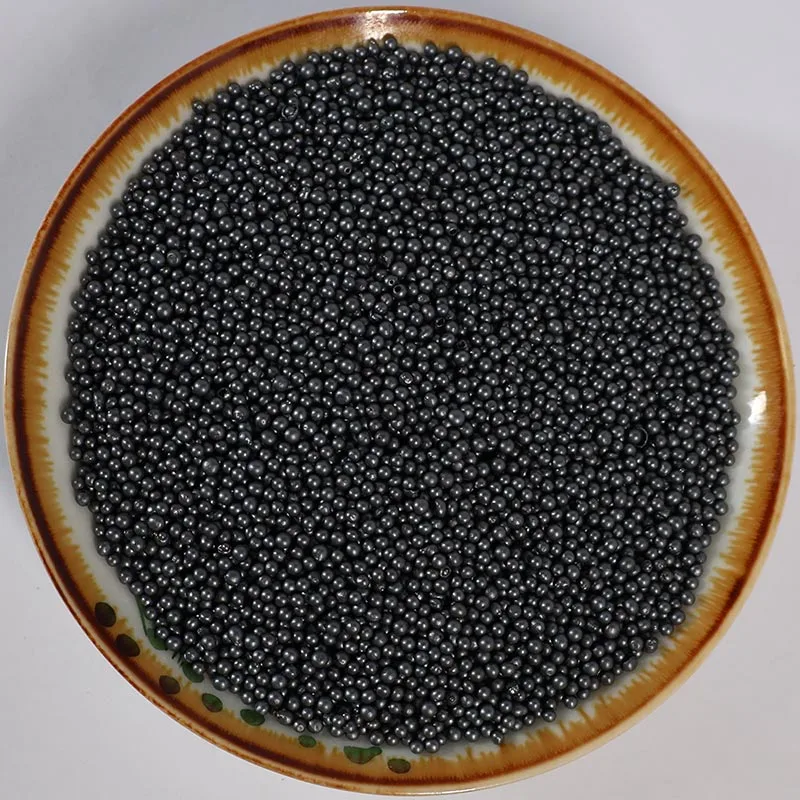
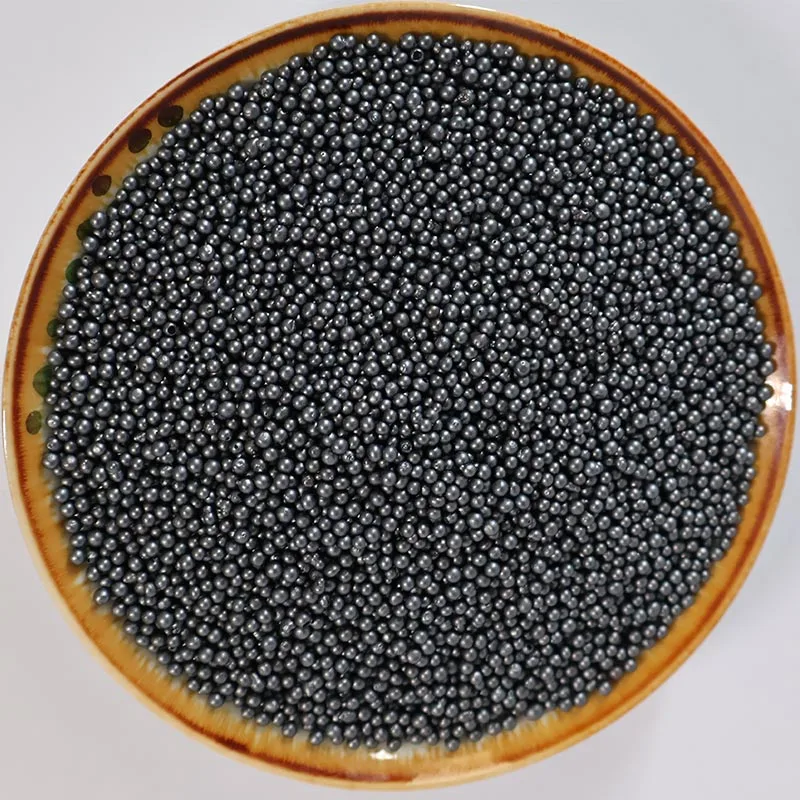
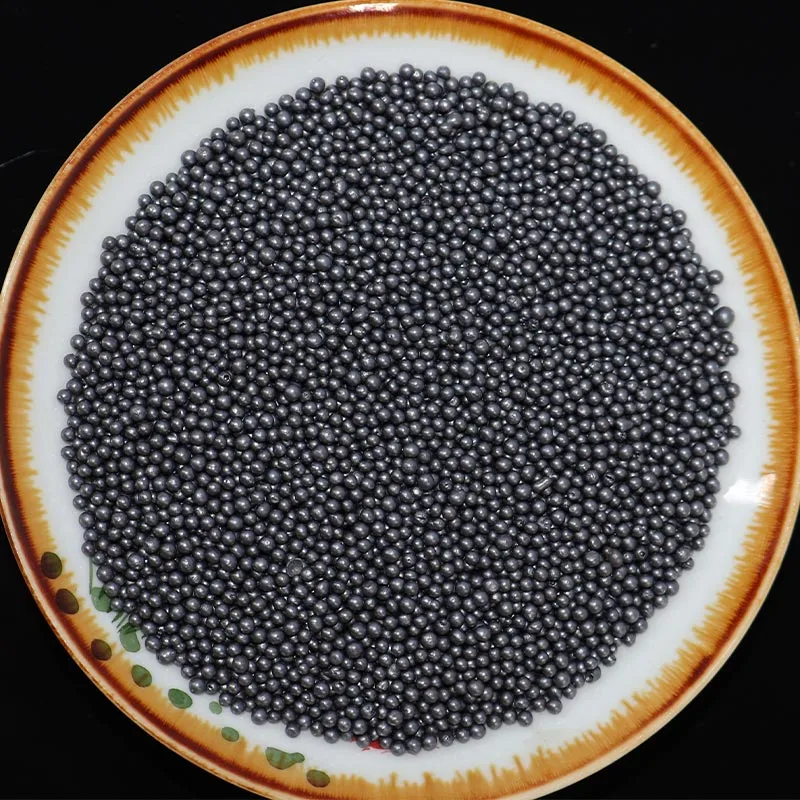
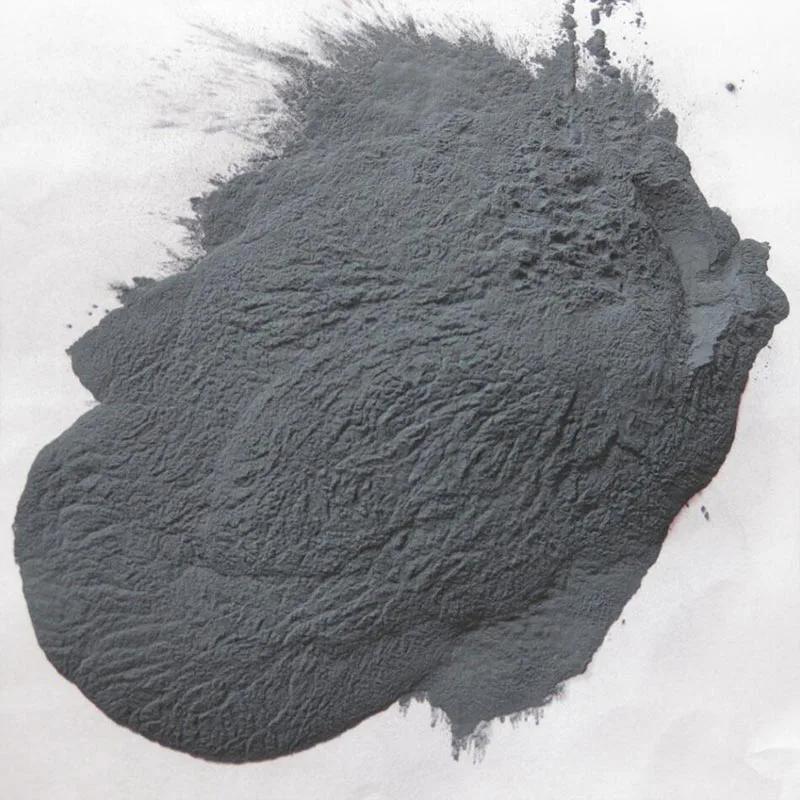
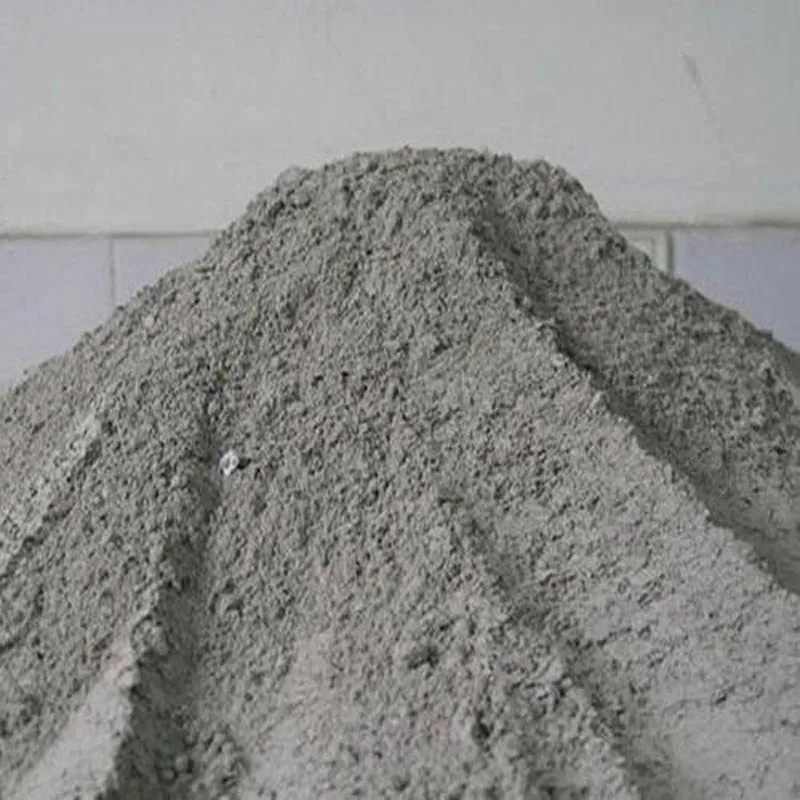
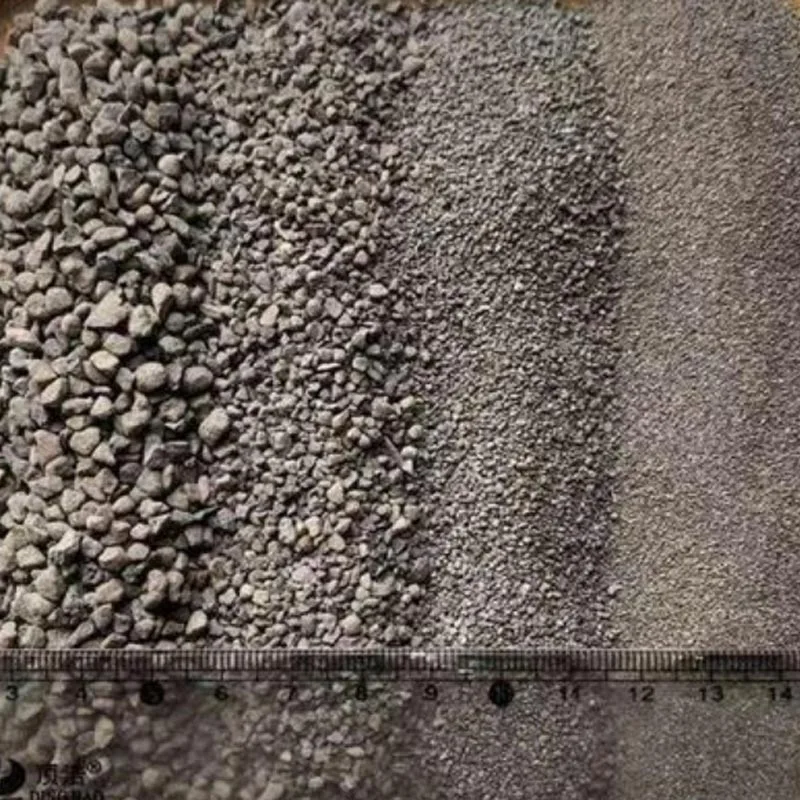
Buried Box Counterweight Sand
Shandong Haishan Industrial Technology Buried Box Counterweight Sand is designed for underground buried boxes and municipal anti-floating projects, offering strong resistance to moisture and soil corrosion. Its 6.9–7.0 g/cm³ bulk density ensures compact filling with minimal settlement, while stable properties support decades of buried service without maintenance or harmful leachate.
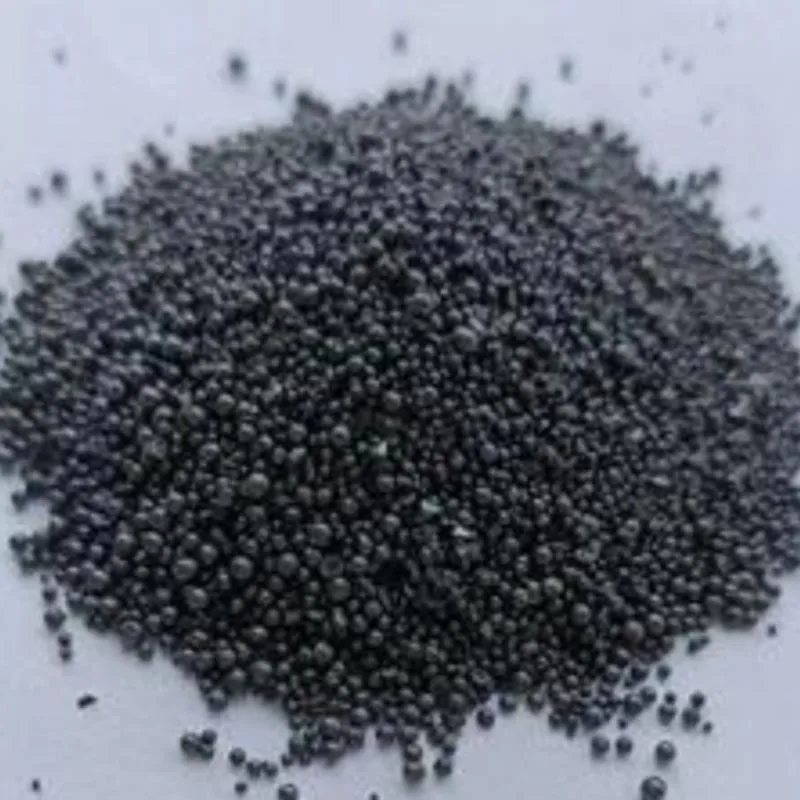
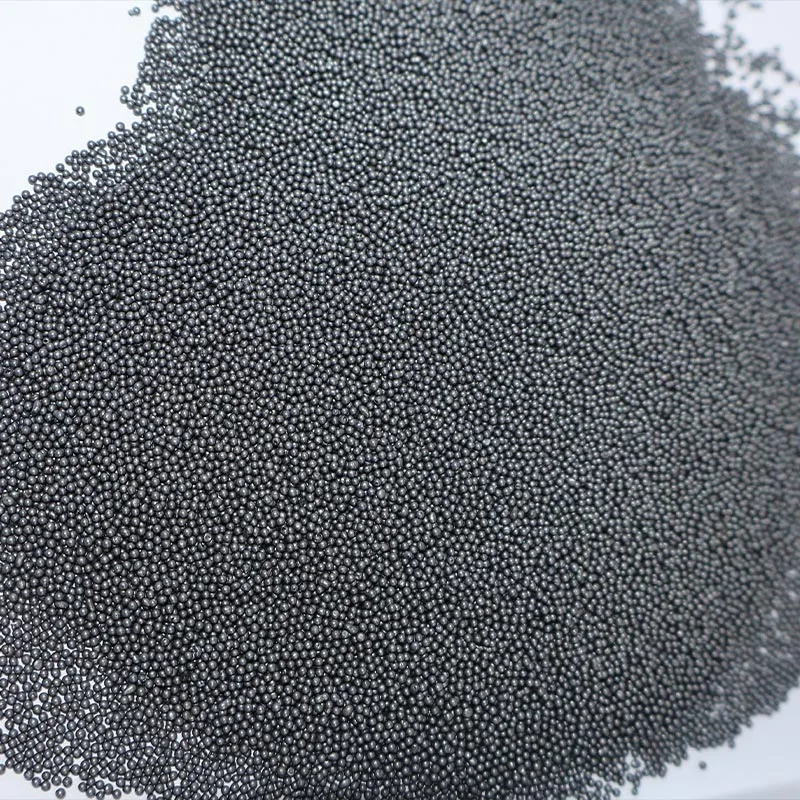
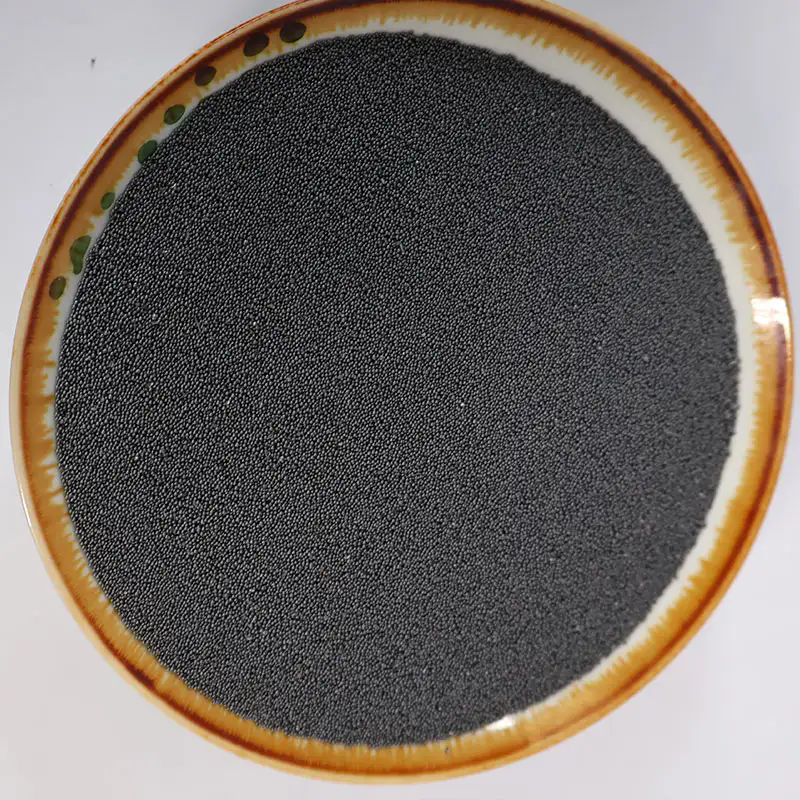
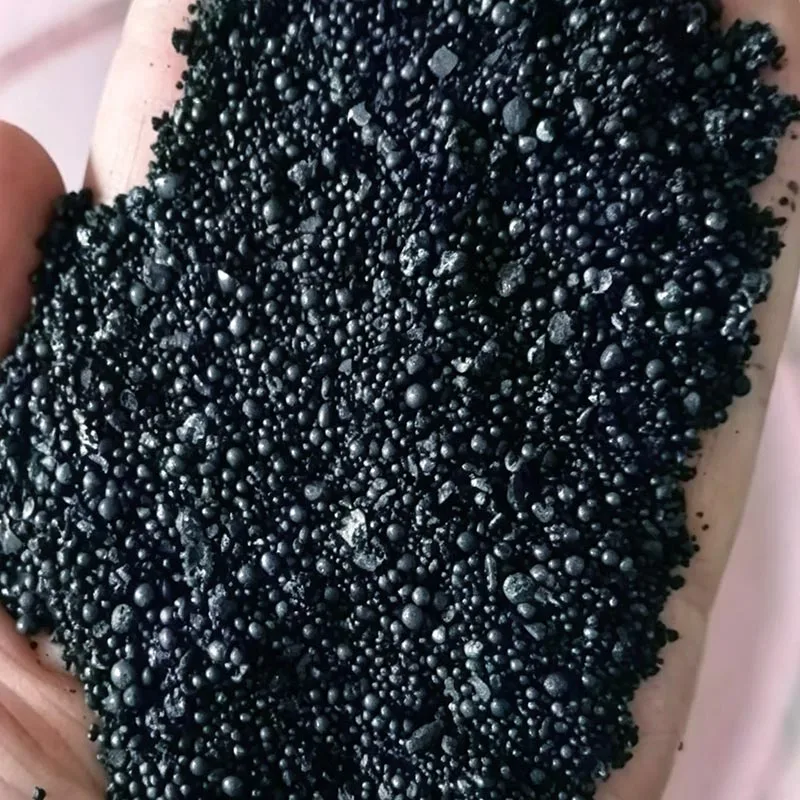
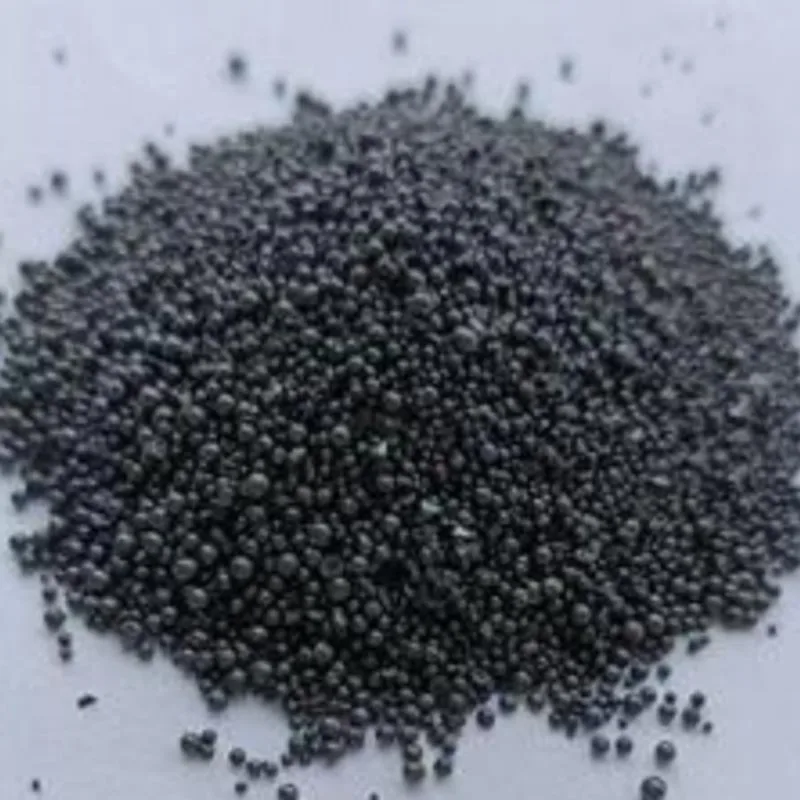
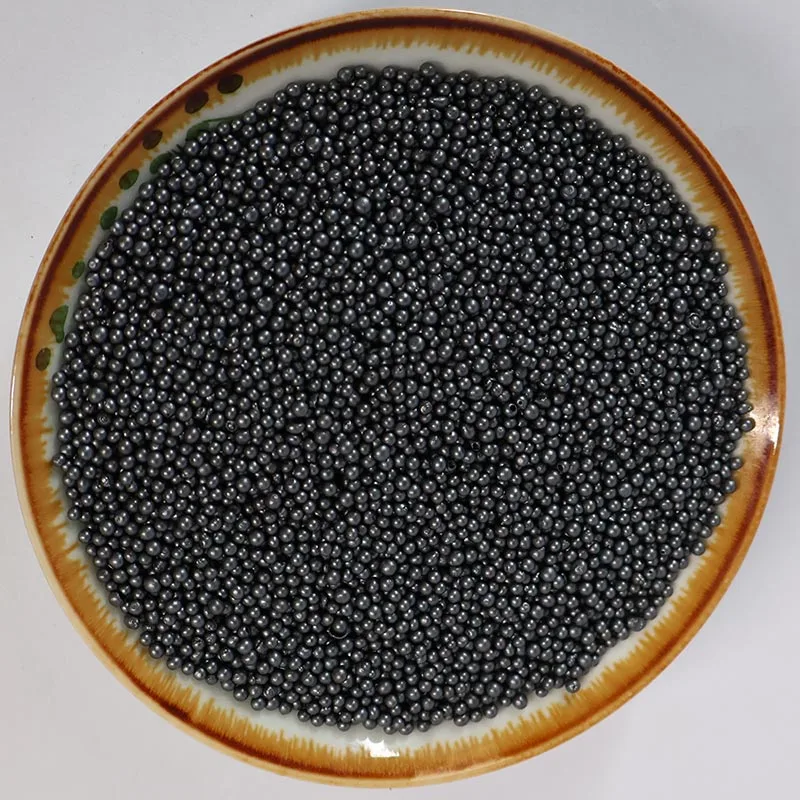
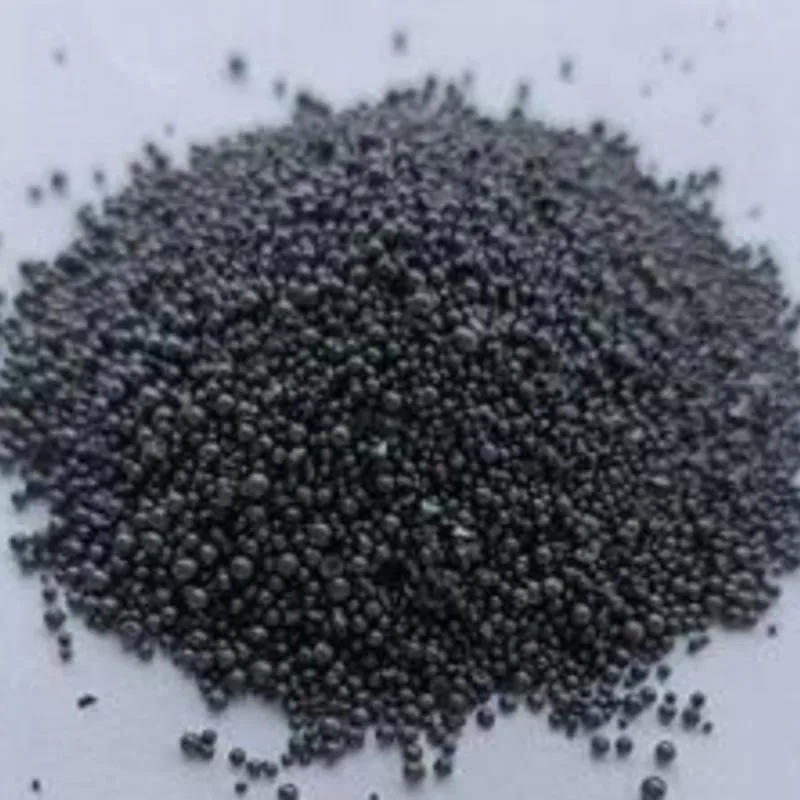
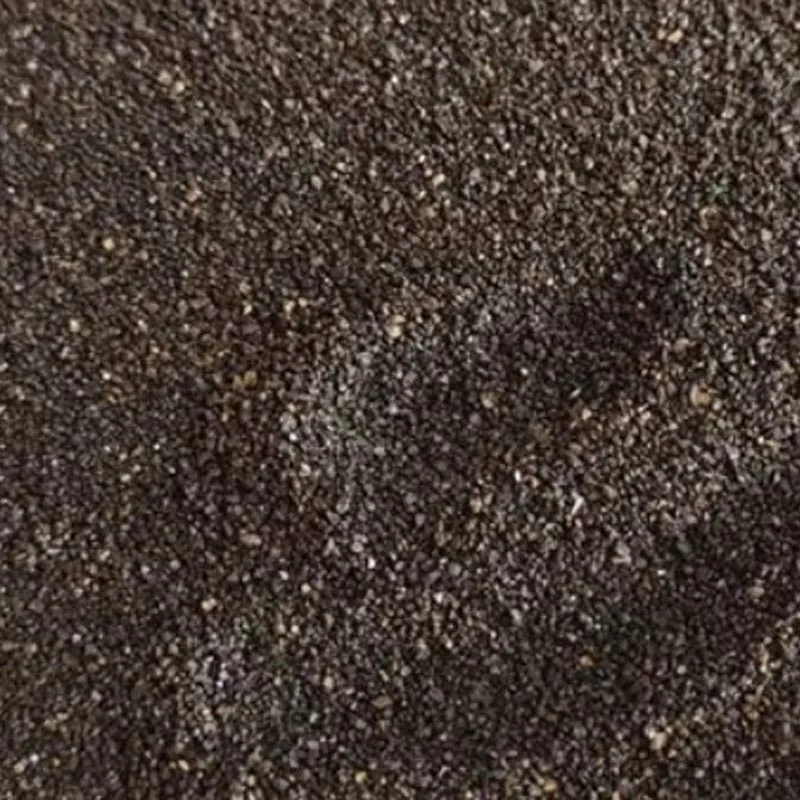
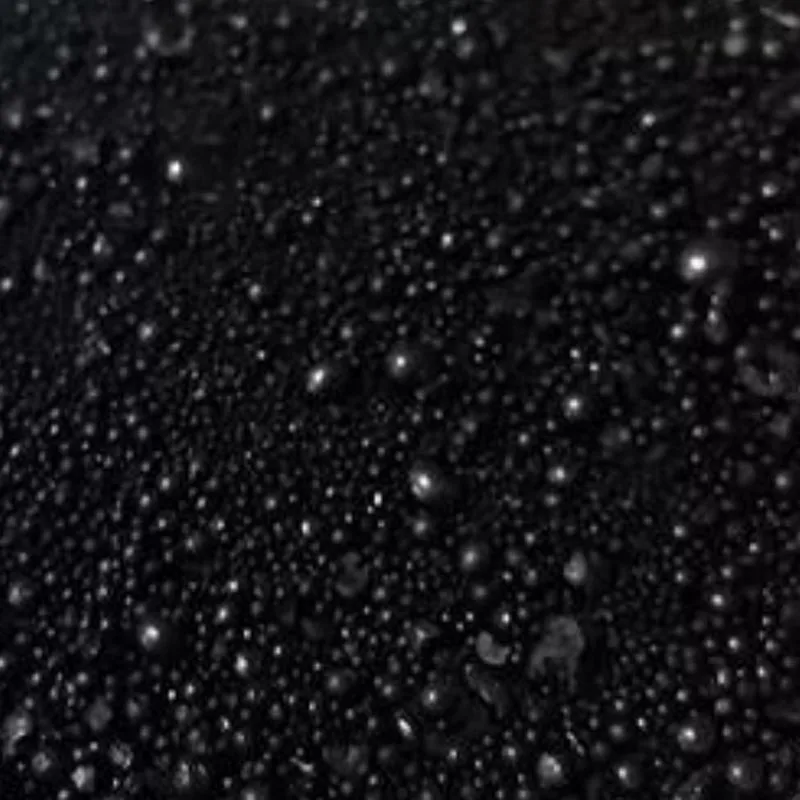
Buried Box Counterweight Sand is a high-density granular counterweight material composed of chloride-ion-resistant pig iron. It is designed for filling enclosed ballast compartments, counterweight boxes, and dedicated ballast spaces in marine vessels and offshore structures. The product provides a stable, non-degrading ballast load in environments exposed to seawater, high humidity, and salt spray.
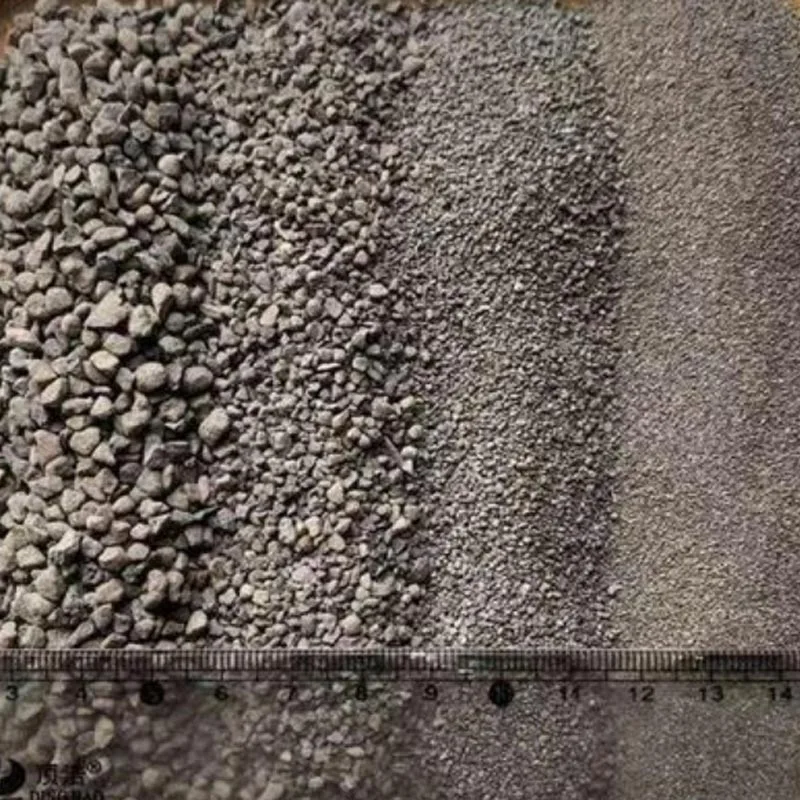
Unlike conventional steel shot or ordinary iron sand used in surface preparation, this material is manufactured specifically for long-term static ballast duty. The particle size, bulk density, and surface coating are controlled to support reliable weight distribution and minimal material loss under wave-induced motion and continuous moisture contact.
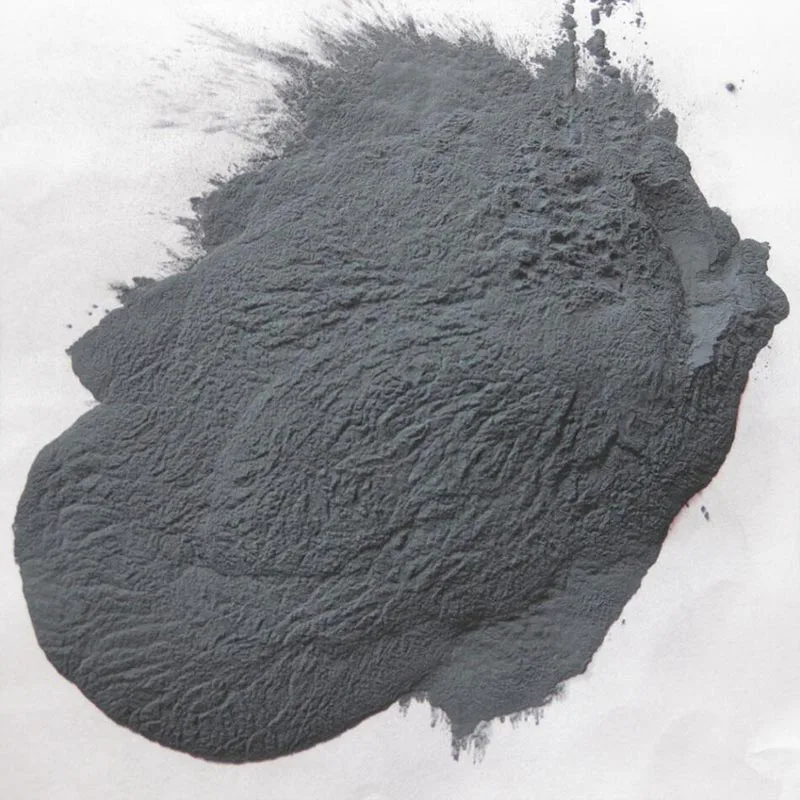
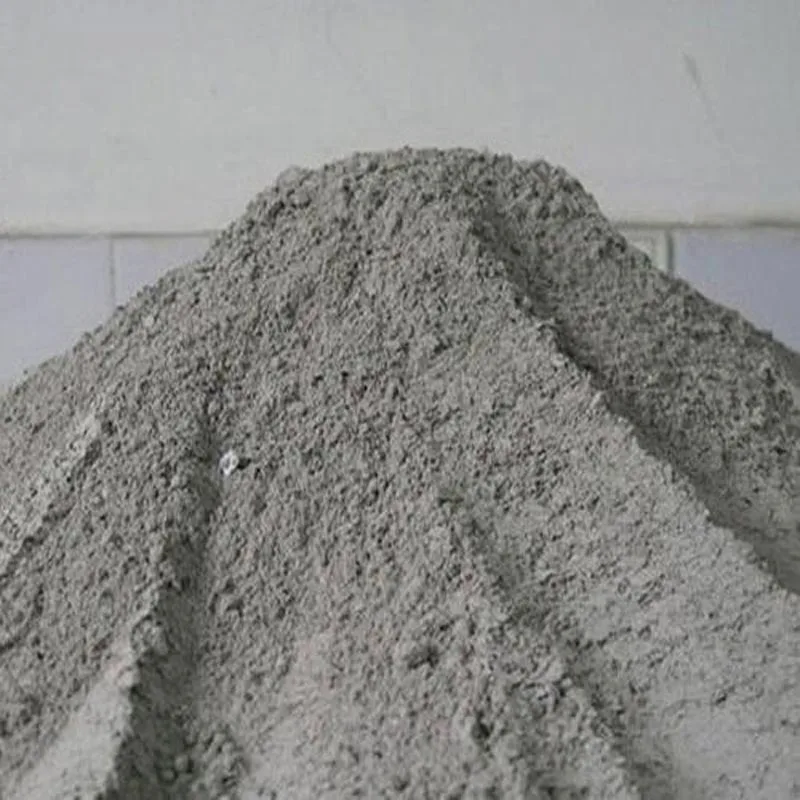
Technical Specifications
| Parameter | Specification |
|---|---|
| Material base | Chloride-ion-resistant pig iron |
| Bulk density | 7.1 g/cm³ (±2%) |
| Particle form | Coarse, compact granules |
| Surface treatment | Three-layer sealed anti-rust composite coating |
| Dust level | Low dust, minimal airborne drift |
| Heavy metal content | Controlled to meet maritime environmental requirements |
| Main applications | Ballast tank filling, offshore platform counterweight, vessel draft adjustment |
| Packaging options | Ton bags, steel drums, or custom containers |
Anti-Corrosion Performance and Scour Resistance
The three-layer coating acts as a physical barrier between the pig iron substrate and chloride-containing moisture. In bilge water and salt spray conditions, the coating limits direct contact with corrosive media, slowing rust formation and coating breakdown. The coarse particle structure also reduces the risk of fracturing under wave action and hull vibration.
- Chloride ion isolation helps prevent rust and surface pitting.
- Particles maintain integrity under repeated wet-dry cycling.
- Constant bulk density supports predictable ballast weight over service life.
- Low dust generation reduces contamination of onboard equipment and deck areas.
Testing and Documentation
Each production batch is subject to in-house quality control and documented traceability. The laboratory performs chemical composition analysis, density verification, coating adhesion checks, and particle integrity testing. Third-party test reports for anti-corrosion performance and environmental indicators are available upon request.
| Test Item | Evaluation Focus | Report Availability |
|---|---|---|
| Bulk density | Confirms weight per unit volume | Batch certificate |
| Coating adhesion | Resistance to peeling under immersion | Third-party report on request |
| Salt spray resistance | Corrosion behavior in chloride environment | Third-party report on request |
| Particle integrity | Resistance to pulverization under load | Batch inspection record |
| Heavy metal content | Compliance with marine environmental limits | Batch test report |
Quality System and Certification
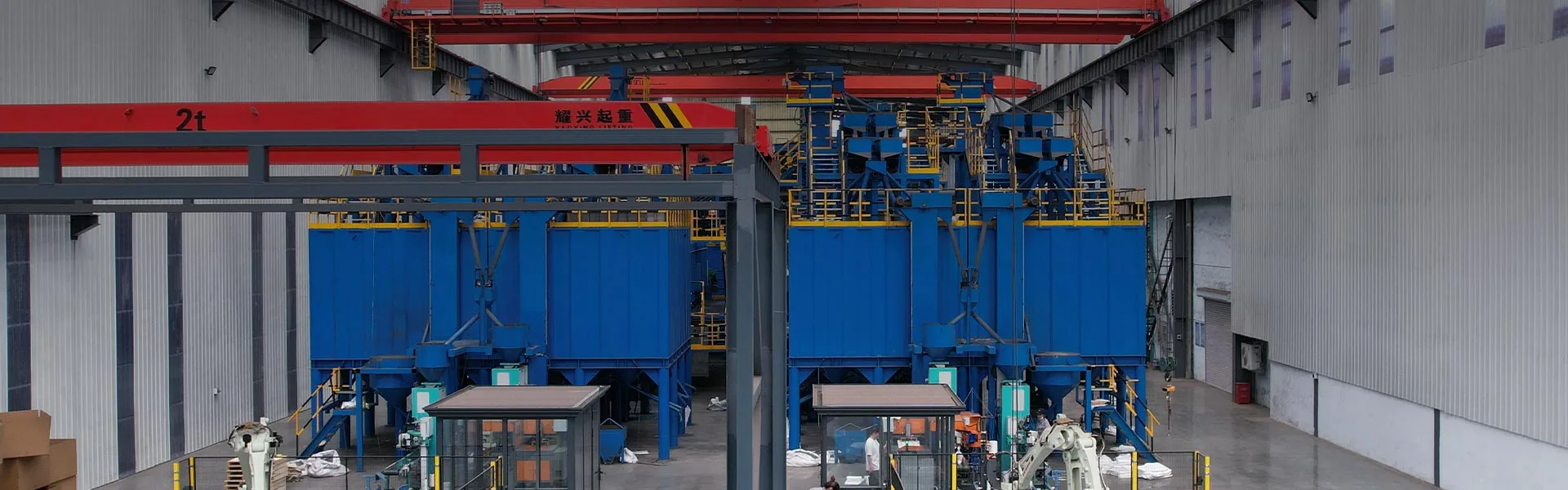
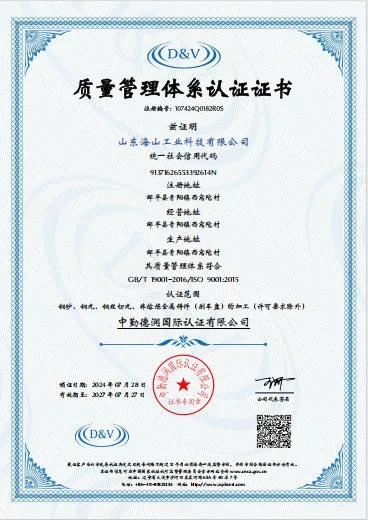
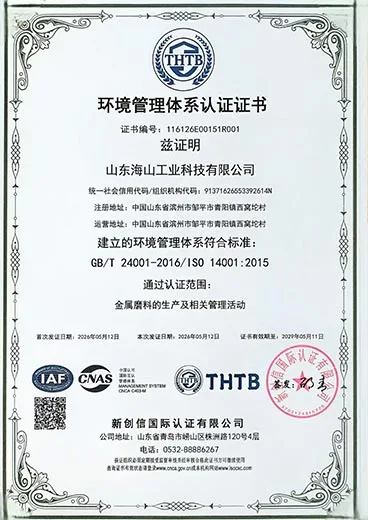
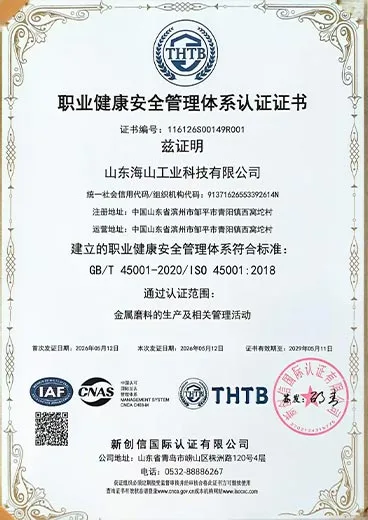
Shandong Haishan Industrial Technology Co., Ltd. operates under ISO 9001, ISO 14001, and ISO 45001 management systems. The production site includes an in-house laboratory equipped for chemical analysis and mechanical testing. Relevant properties are evaluated with reference to GB/T 18838 and SAE J444 methods where applicable to material composition and particle performance.
Typical Application Scenarios
- Ballast tank counterweight filling for ocean-going cargo vessels
- Hull balance weight for passenger ferries and cruise ships
- Counterweight for offshore wind power and petroleum platforms
- Draft adjustment for specialized marine engineering vessels
- Enclosed counterweight boxes on floating structures
Packaging, Inventory, and Delivery
Regular specifications of Buried Box Counterweight Sand are kept in stock for rapid dispatch to major ports and shipyards. Packaging can be supplied in ton bags, steel drums, or custom containers according to project requirements. Every shipment includes batch certificates, anti-corrosion test reports, and environmental compliance documentation where required.
Supply chain records are maintained from raw material receipt to final dispatch, providing marine procurement teams with traceable material provenance.
How to Select and Specify Ballast Material
To specify the correct product, buyers should confirm the working environment and required ballast weight. For high-salt spray, sealed compartments exposed to seawater, Buried Box Counterweight Sand is appropriate. For conventional land-based counterweight projects with no corrosion risk, a general-purpose counterweight sand is more cost effective.
When preparing an inquiry, the following information helps our technical team recommend the most suitable specification:
- Required total ballast weight or volume
- Available counterweight box or tank dimensions
- Bulk density requirement, if specified
- Vessel or platform type and operating environment
- Packaging preference and delivery location
- Required inspection documents or third-party test reports
Frequently Asked Questions
Q1: What is the bulk density of Buried Box Counterweight Sand?
The bulk density is maintained at 7.1 g/cm³ with a tolerance of ±2%. This value is confirmed by batch inspection and included in the batch certificate.
Q2: Can the material be used in continuously submerged ballast tanks?
Yes. The product is designed for long-term contact with seawater and high humidity. The chloride-resistant base material and three-layer coating reduce the risk of rust and structural degradation under immersion conditions.
Q3: Will wave motion or hull vibration cause the particles to break down?
No. The coarse, compact particle structure is resistant to mechanical stress from wave scouring and vessel movement. Particle integrity testing is performed on production batches to confirm resistance to pulverization.
Q4: Does the product generate dust during filling or operation?
Dust generation is minimal because of the coarse particle size and sealed surface coating. This reduces airborne contamination in enclosed ballast compartments and around deck equipment.
Q5: Is this product suitable for ordinary land-based counterweight applications?
Not recommended. The anti-corrosion features increase production cost, which is unnecessary for dry, non-corrosive environments. A standard land counterweight sand would provide a more economical solution.
Q6: What documentation is included with each shipment?
Each delivery includes a batch certificate with density and inspection results. Anti-corrosion and environmental test reports are available upon request. This documentation supports vessel certification and audit requirements.
Q7: How should I calculate the required quantity of ballast material?
Required quantity is typically calculated by dividing the target ballast weight by the material bulk density. For example, to achieve 10,000 kg of ballast at 7.1 g/cm³, approximately 1.41 m³ of material would be needed. Our technical team can assist with volume and weight calculations based on your specific tank dimensions.
Q8: Can packaging be customized for different installation methods?
Yes. Ton bags, steel drums, and custom containers are available. Packaging can be adapted to suit crane loading, conveyor filling, or manual handling methods at the installation site.
Related Category
Send Inquiry
Contact Info
-
Address
Qingyang Economic Development Zone, Zouping County, Shandong Province, China
-
Tel
-
Email
Send an inquiry to Haishan for quality steel shot, steel grit, cut wire shot and counterweight sand. Get factory direct wholesale price, free quotation and OEM customized solutions.
News Recommendations