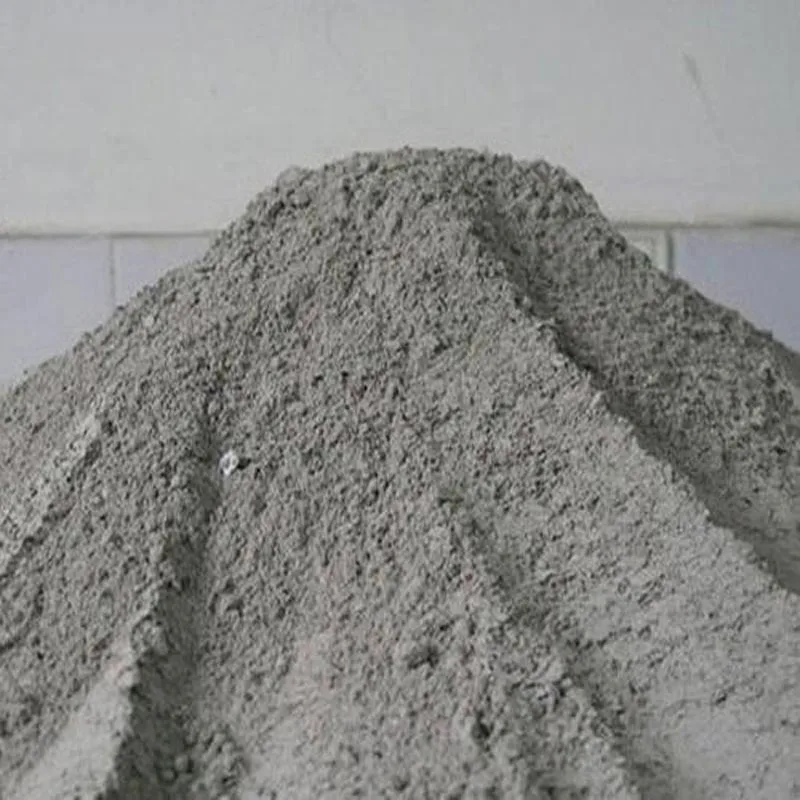
High Density Counterweight Sand
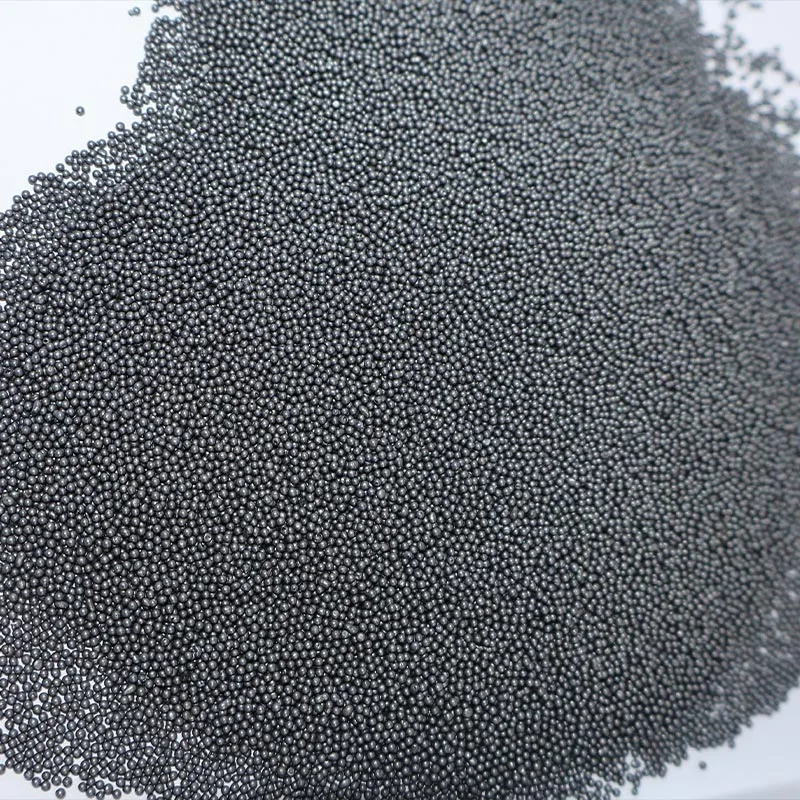
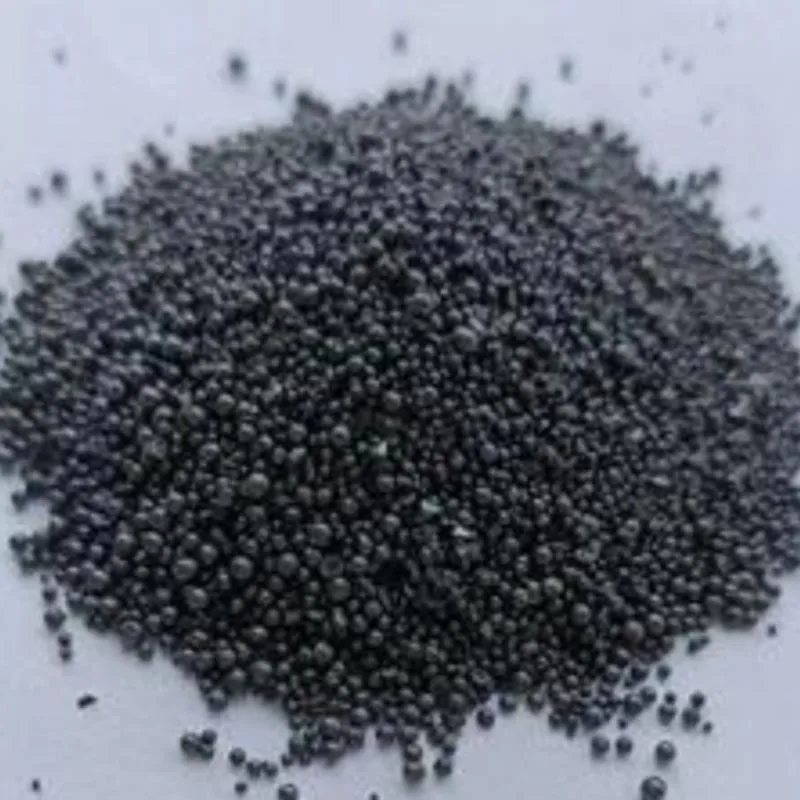
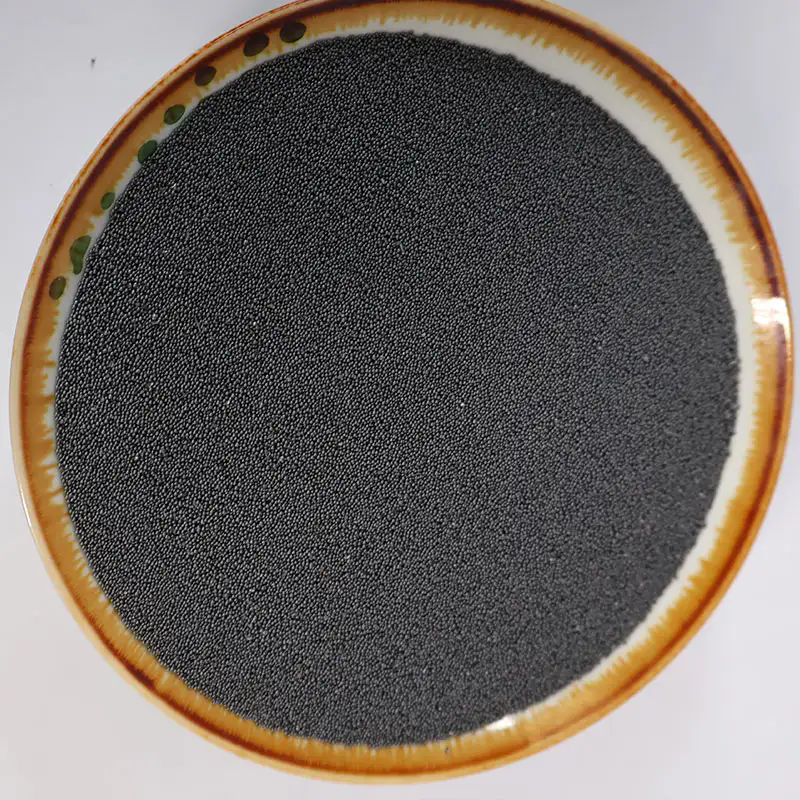
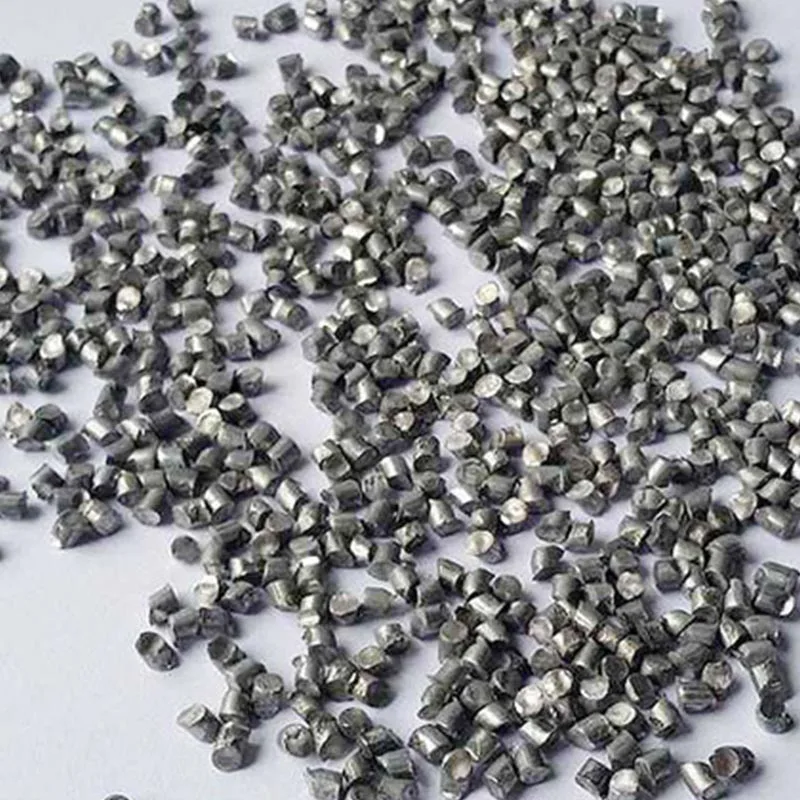
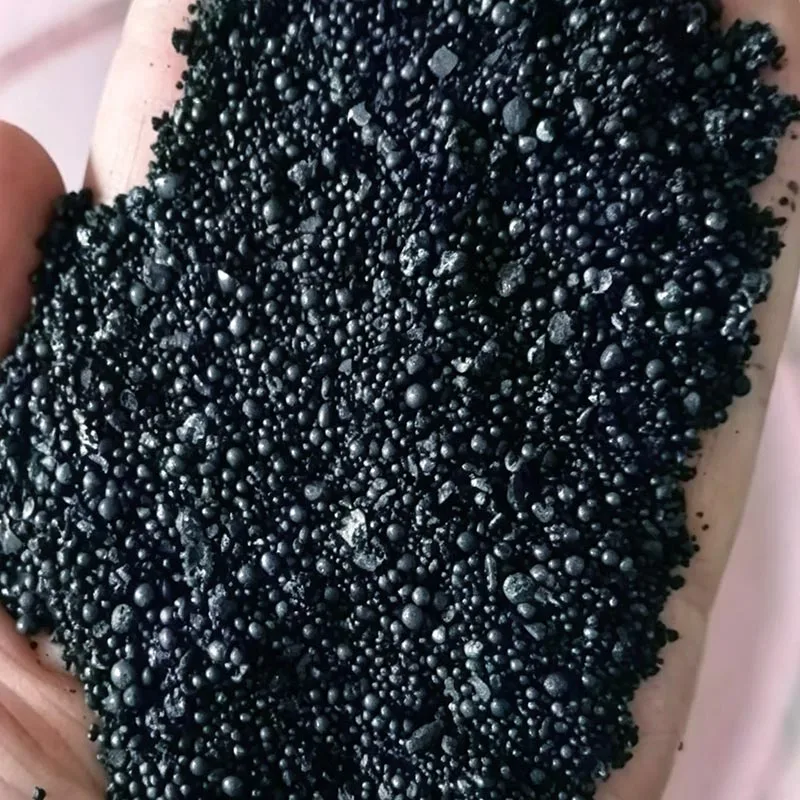
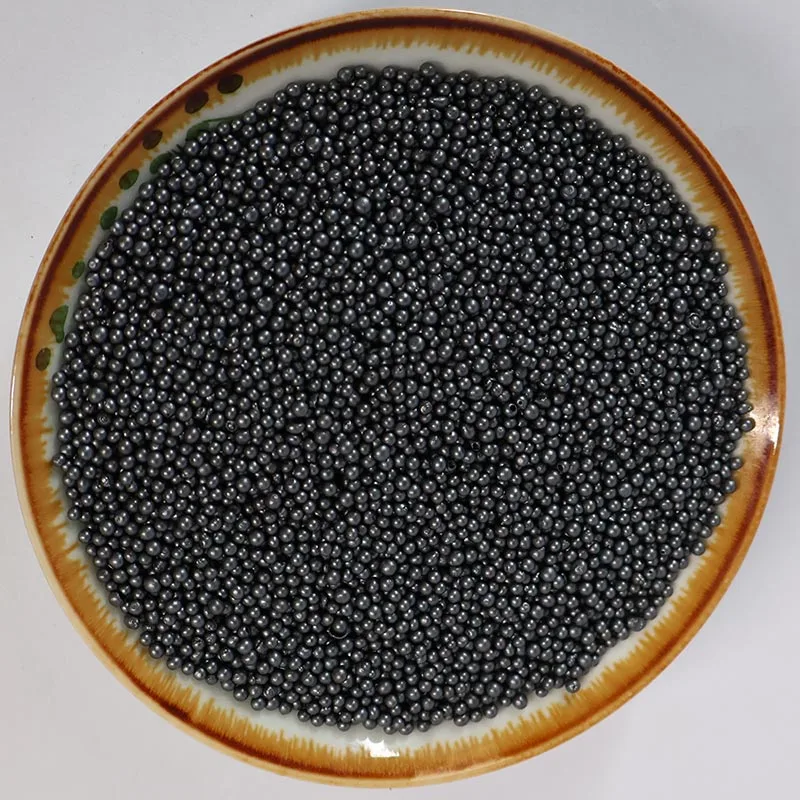
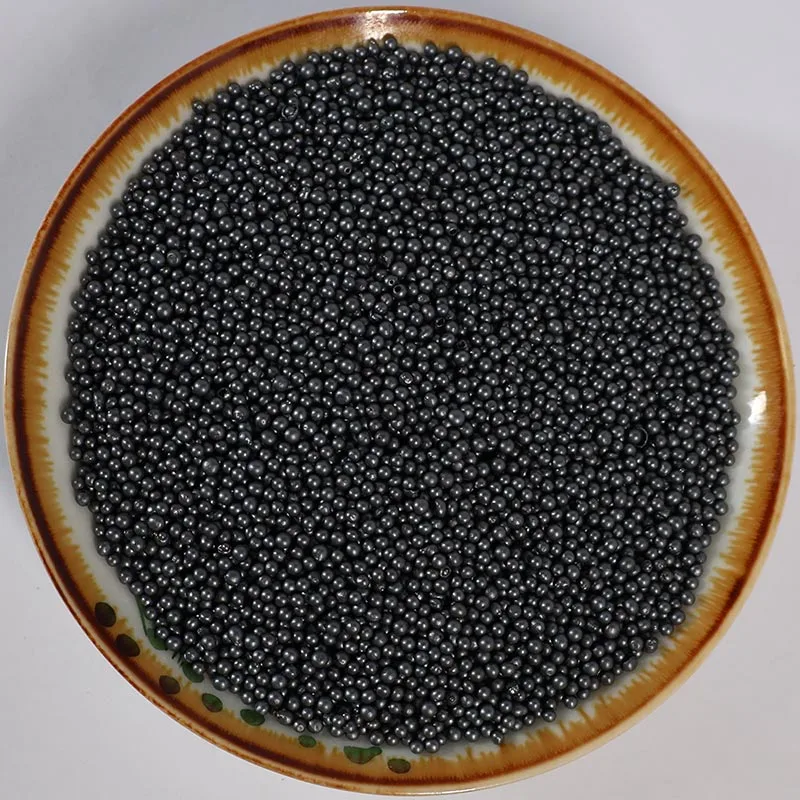
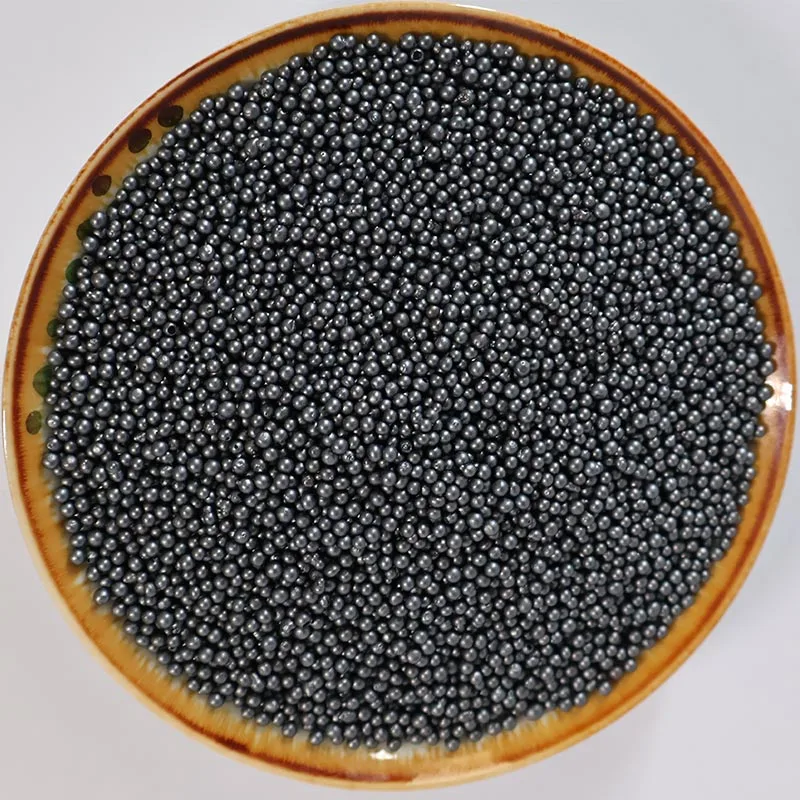
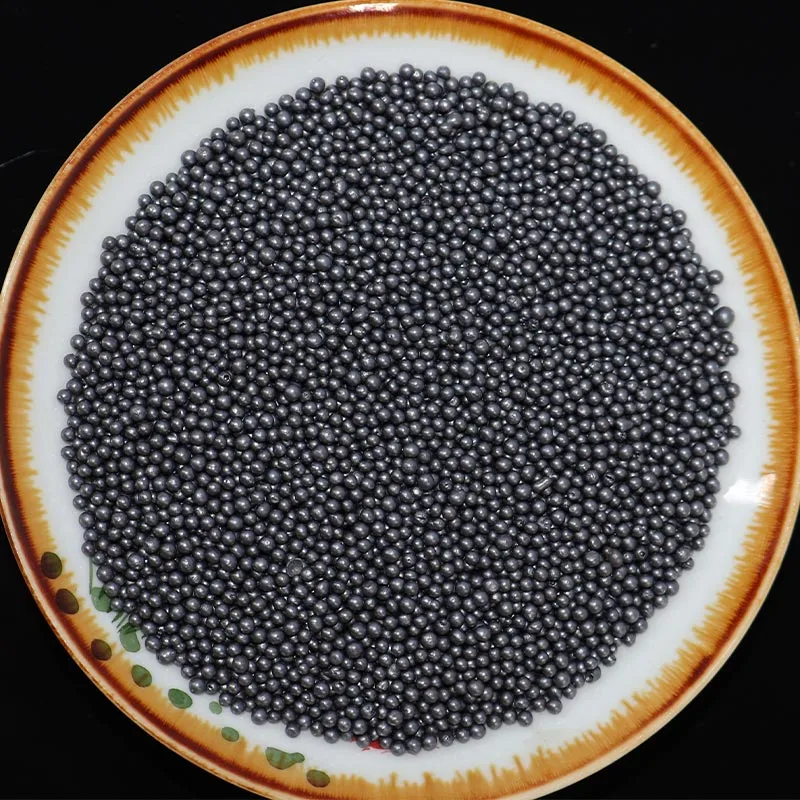
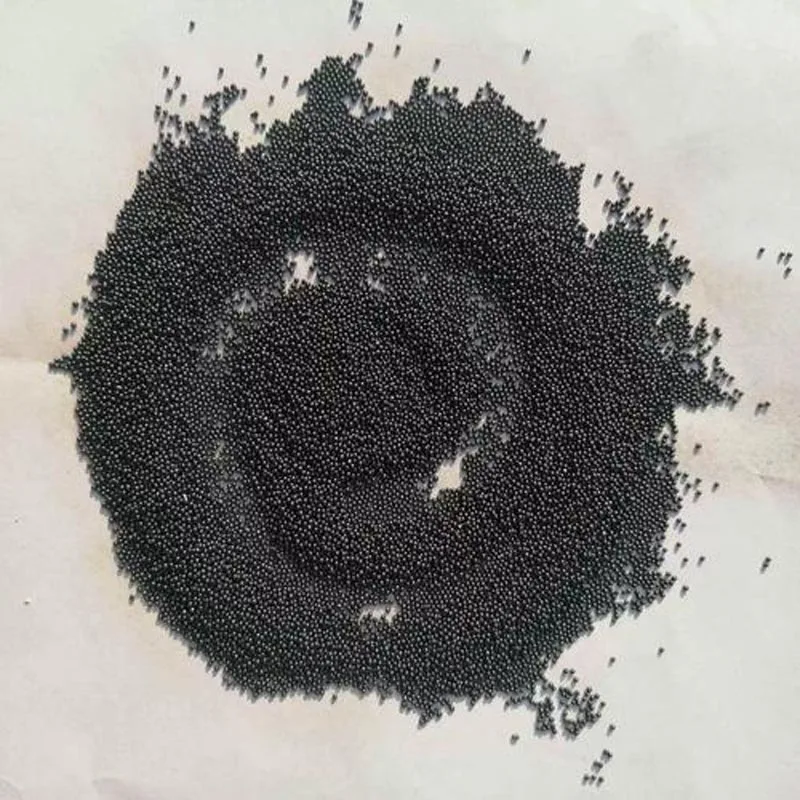
Shandong Haishan Industrial Technology High Density Counterweight Sand is engineered for confined counterweight cavities requiring high mass per unit volume, with a bulk density of 7.2–7.4 g/cm³, controlled grading, and dual-layer anti-corrosion protection. Buyers can source, purchase, and bulk order this material for precision equipment, offshore components, machinery, and enclosed balancing systems.
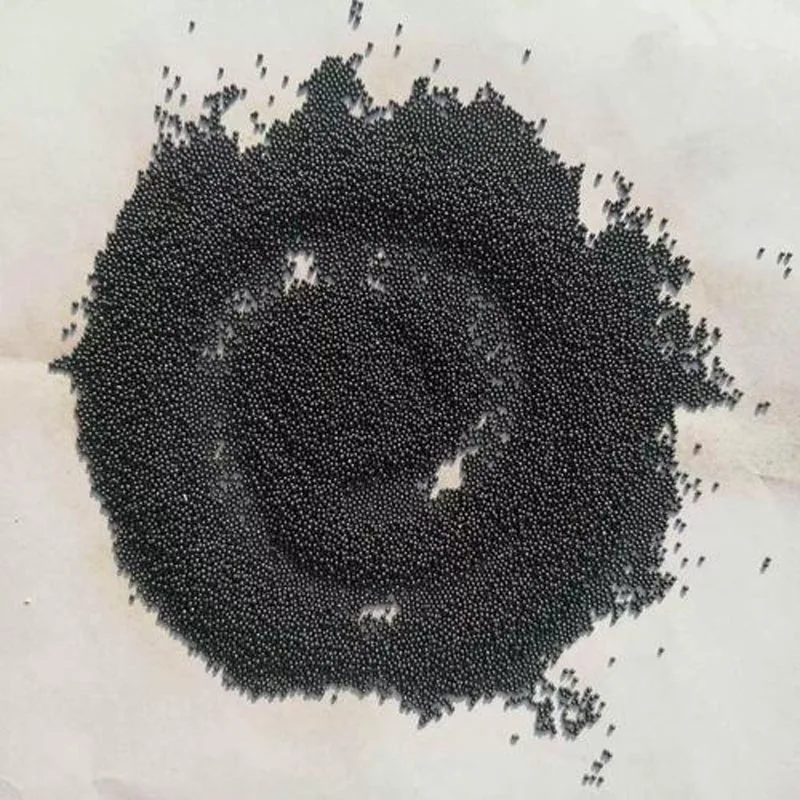
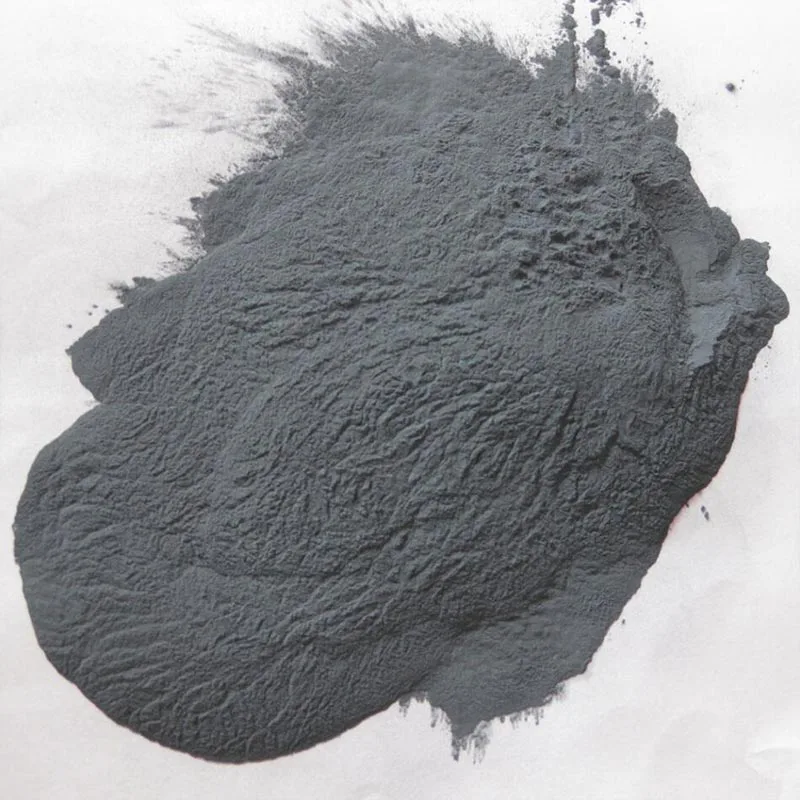
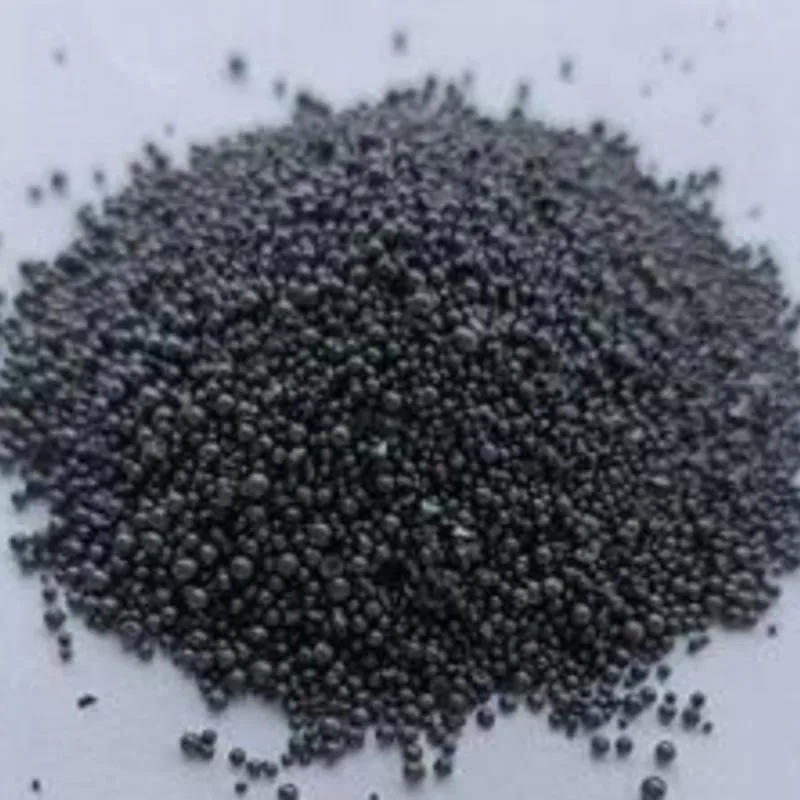
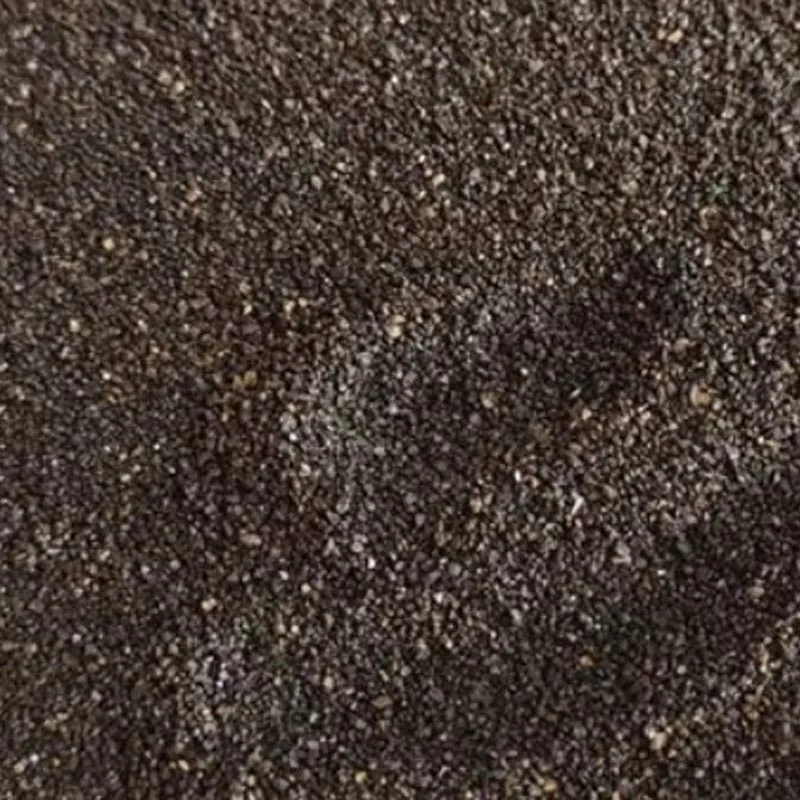
High Density Counterweight Sand is a compacted, high-purity iron-based filling material developed for scenarios where available cavity space is limited and a high mass-per-volume ratio is required. It is intended for sealed counterweight housings in precision equipment, offshore components, and industrial machinery that operate under vibration or corrosive exposure. The material is not designed for open-volume applications where standard iron sand or steel shot would be a more economical choice.
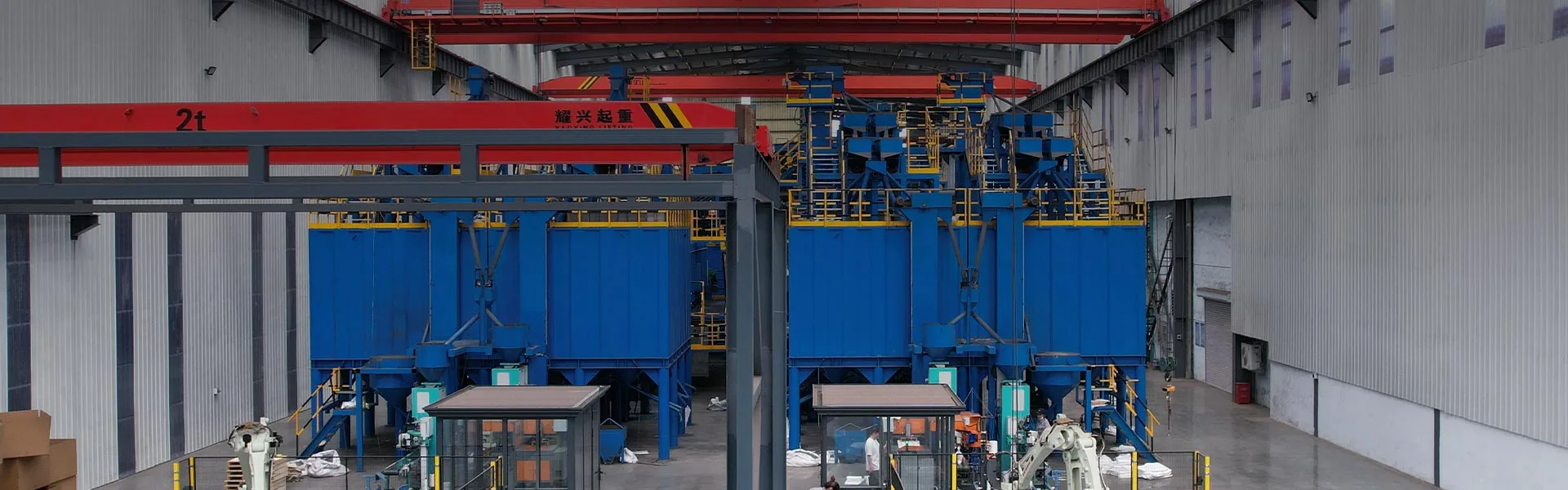
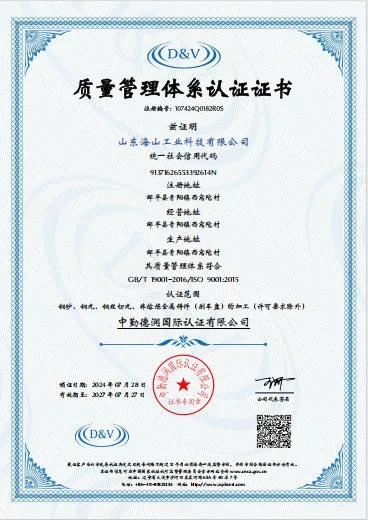
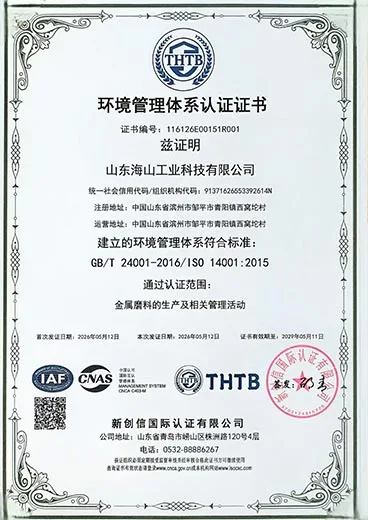
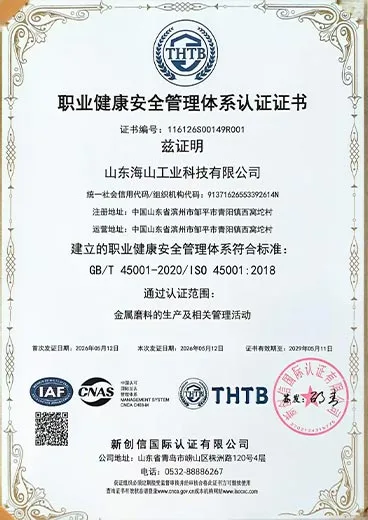
Manufacturing takes place at the company's facility in Zouping, Shandong Province, where quality management systems align with ISO 9001, ISO 14001, and ISO 45001 requirements. Raw material intake, processing, and final packaging are recorded to maintain batch-level traceability. The production process focuses on particle densification and controlled grading rather than on blending large volumes of low-cost filler.
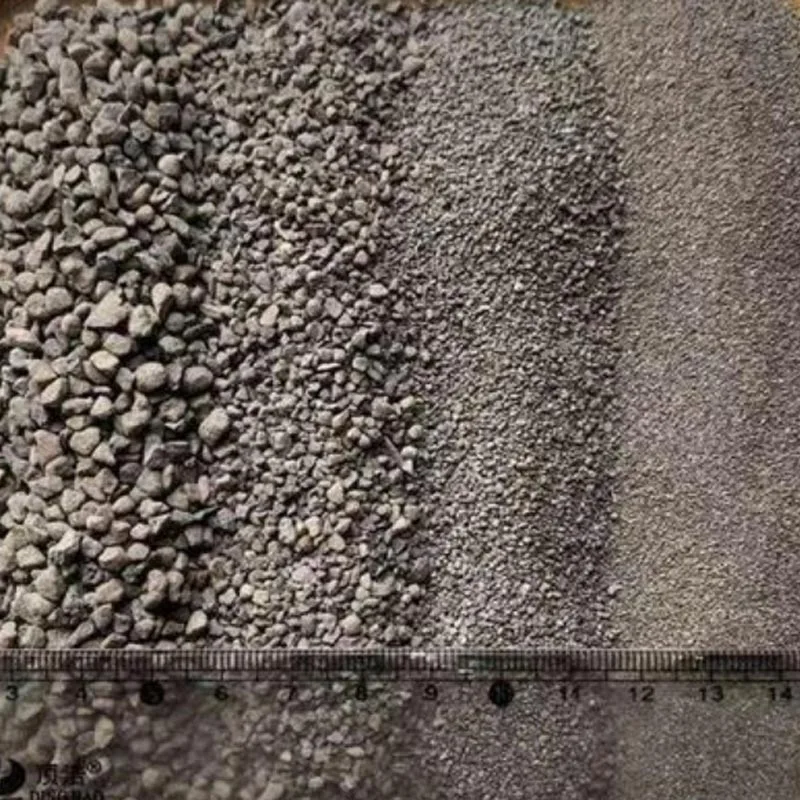
Material Properties and Technical Values
| Parameter | Value |
|---|---|
| Bulk density | 7.2–7.4 g/cm³ (typical range, test method available) |
| Base material | High-purity pig iron with trace alloying elements |
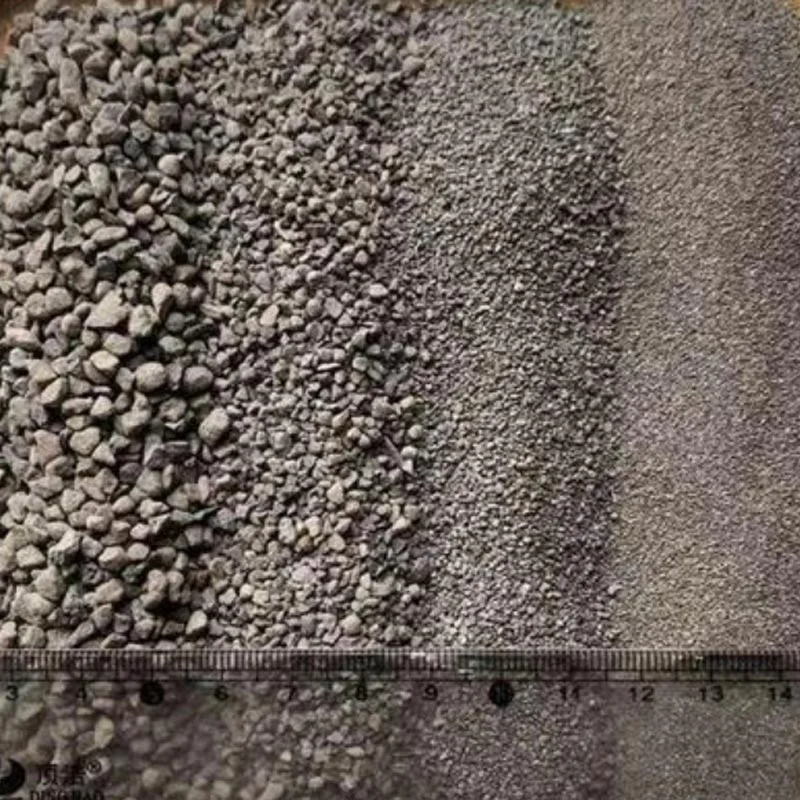
| Particle size | Multiple gradings available; specified per order |
| Surface treatment | Dual-layer anti-corrosion system (zinc-rich primer plus polymer topcoat) |
| Packing density | Processed to reduce interstitial voids |
| Thermal behavior | Controlled particle structure for stable mass distribution under normal temperature changes |
| Process requirement | Dry filling into sealed cavities |
| Packaging | 1-ton FIBC, steel drums, or custom containers |
Performance Considerations
The densified particle structure and high-purity pig iron base combine to provide a higher weight per unit volume than conventional iron sand. This allows a smaller filling volume for the same target mass, which is particularly useful in compact equipment housings and precision instrument bases. The packing density is improved through controlled processing, not through the elimination of all internal porosity, and the actual density achieved depends on the selected gradation and filling method.
The dual-layer coating provides a barrier against moisture and corrosive media. The zinc-rich primer offers sacrificial protection, while the polymer topcoat seals the surface and reduces the risk of rust-induced clumping. This system is designed for enclosed service in humid, acidic, alkaline, or marine salt spray environments, provided the cavity seal remains intact. Direct exposure to standing water or continuous abrasive flow is not recommended.
Thermal stability is addressed through the particle structure rather than through a specific low-expansion alloy. The material is processed to minimize voids and maintain uniform packing, which helps keep the counterweight load consistent during temperature changes. It does not guarantee zero thermal expansion, but it reduces the likelihood of load redistribution caused by particle settlement or shifting.
Recommended Application Profiles
- Counterweight filling for precision instrument housings and bases
- Ballast for offshore platform components and port machinery
- Dynamic balancing systems and inertial flywheels
- Counterweight chambers in compact mechanical arms and robotic systems
- Enclosed cavities in marine and chemical processing equipment
This material should be specified only when the project involves confined space, high precision demands, or corrosive conditions. For open-volume or budget-sensitive applications, conventional iron sand or steel shot often provides adequate weight at a lower cost. The product is intended for dry filling into sealed cavities and is not suitable for wet mixing with cement or for use in open-air environments where the coating may be damaged.
Quality Documentation and Traceability
Every production batch is inspected for the properties that influence filling performance and long-term behavior. Routine inspection points include bulk density, particle size distribution, coating adhesion, moisture content, and chemical composition. Batch certificates and inspection records are retained for traceability, and additional reports can be supplied upon request.
| Inspection Point | What It Verifies | Record Type |
|---|---|---|
| Bulk density | Weight per unit volume | Batch certificate |
| Particle size distribution | Gradation within specified range | Batch test report |
| Coating adhesion | Resistance to peeling and corrosion | Batch inspection record |
| Moisture content | Low moisture absorption and anti-caking | Batch inspection record |
| Chemical composition | Alloy content and impurity levels | Third-party report on request |
Detailed test reports, including salt spray resistance and thermal cycling data, can be provided for project evaluation. Buyers may request copies of specific documents before shipment or include them in the purchase agreement.
Manufacturer and Certifications
Shandong Haishan Industrial Technology Co., Ltd. holds ISO 9001, ISO 14001, and ISO 45001 certifications. The in-house laboratory performs routine checks on particle grading, density, coating integrity, and chemical composition. These controls support consistent material performance across batches.
Packaging and Shipping
Standard packaging includes 1-ton FIBC bags and steel drums. Custom containers are available for specific project requirements. Common specifications are kept in stock to support dispatch to manufacturing facilities and project sites. Each shipment includes a batch certificate with density and inspection results. Additional documentation can be supplied according to buyer requirements.
Supply chain records are maintained from raw material receipt to final delivery, providing documented traceability of the counterweight material.
How to Request a Quotation
To recommend the correct specification and packaging, please provide the following project details:
- Required total counterweight or available cavity volume
- Cavity dimensions and access for filling
- Target bulk density or weight requirement
- Operating environment (humidity, temperature range, corrosive exposure)
- Packaging preference and delivery location
- Required documents for project approval or import
Frequently Asked Questions
Q1: How does High Density Counterweight Sand differ from standard iron ore sand?
High Density Counterweight Sand uses high-purity pig iron and a controlled densification process to achieve a bulk density range of 7.2–7.4 g/cm³, compared with typical iron ore sand at approximately 3.0–4.5 g/cm³. This allows a higher weight per unit volume, which is beneficial for confined cavities. The exact density depends on the selected gradation and packing method.
Q2: Is this product suitable for offshore or coastal equipment?
The dual-layer coating system is designed to resist moisture and salt spray when the material is installed in a properly sealed cavity. It is suitable for offshore and coastal applications under these conditions. Salt spray resistance test data is available upon request.
Q3: How is weight consistency maintained in dynamic balancing equipment?
The material is processed to achieve uniform particle packing and minimize interstitial voids. This reduces the risk of particle settlement or shifting under vibration, helping to maintain consistent mass distribution. For critical balancing applications, we recommend confirming the material's behavior through a trial fill or vibration test.
Q4: What is the expected service life of High Density Counterweight Sand?
When properly sealed within a cavity and protected from direct water ingress, the material is designed for long-term service without refilling. The coating provides corrosion resistance, but the actual service life depends on the integrity of the cavity seal, operating environment, and maintenance practices. We do not guarantee permanent service life, but the material is intended to last the equipment's normal operational lifespan under specified conditions.
Q5: Which projects are not recommended for this product?
Projects with ample cavity space, limited budgets, and low precision requirements may be better served by standard iron sand or steel shot. This high-density material is purpose-built for space-restricted, high-precision, or corrosive-environment applications where the additional cost is justified by performance requirements.
Q6: Can this product be used with cement mixing?
No. This material is designed for dry filling into sealed cavities. It is not intended for wet mixing with cement or other binders. For concrete counterweight applications, please consult our concrete counterweight aggregate product line.
Q7: What documentation is provided with each shipment?
Each shipment includes a batch certificate with density and inspection results. Additional reports for coating adhesion, chemical composition, and salt spray resistance can be provided upon request. Third-party inspection by SGS or BV can be arranged if required.
Q8: How is the required quantity calculated?
Required quantity is calculated by dividing the target counterweight by the material bulk density. For example, to achieve 7,400 kg at a bulk density of 7.4 g/cm³, approximately 1.0 m³ of material is needed. This is a preliminary estimate. Final quantity should be confirmed based on the actual cavity volume and the selected particle gradation.
Related Category
Send Inquiry
Contact Info
-
Address
Qingyang Economic Development Zone, Zouping County, Shandong Province, China
-
Tel
-
Email
Send an inquiry to Haishan for quality steel shot, steel grit, cut wire shot and counterweight sand. Get factory direct wholesale price, free quotation and OEM customized solutions.
News Recommendations