Bridge Counterweight Sand
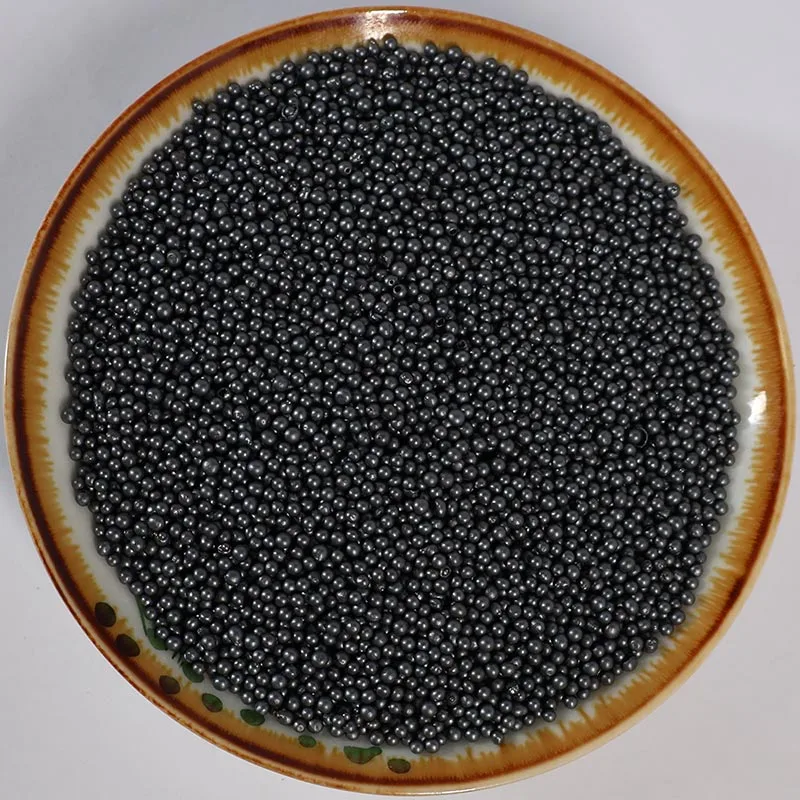
Shandong Haishan Industrial Technology Co., Ltd. offers Bridge Counterweight Sand, a high-density iron-based aggregate for outdoor bridge concrete. It provides 7.0 g/cm³ density, freeze-thaw stability, low sulfur/phosphorus content, and reduced segregation during wet mixing. Available in 1-ton FIBC or bulk bags; contact for batch certificates and a quote.
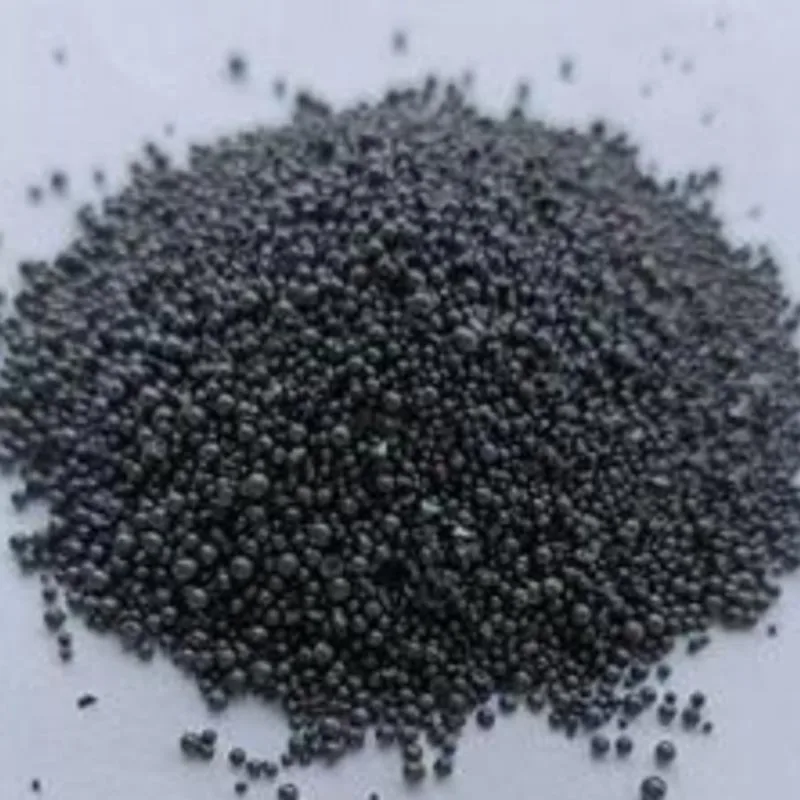
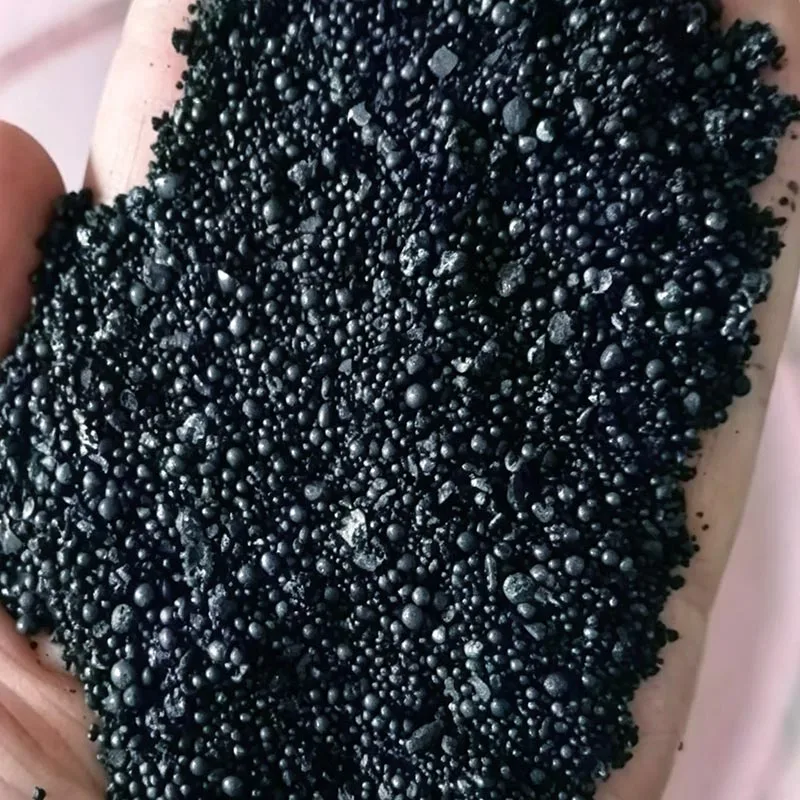
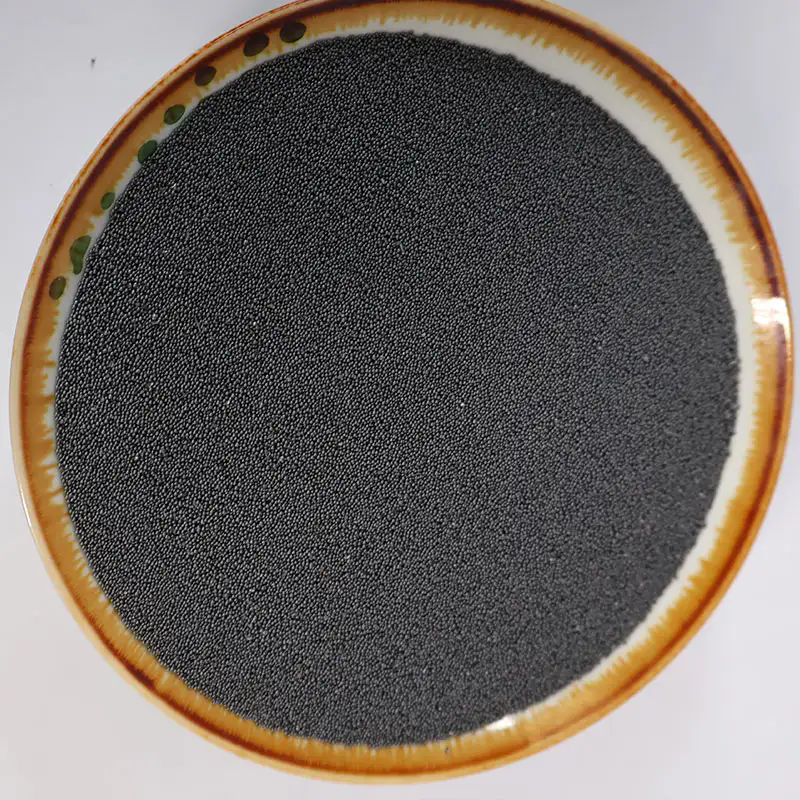
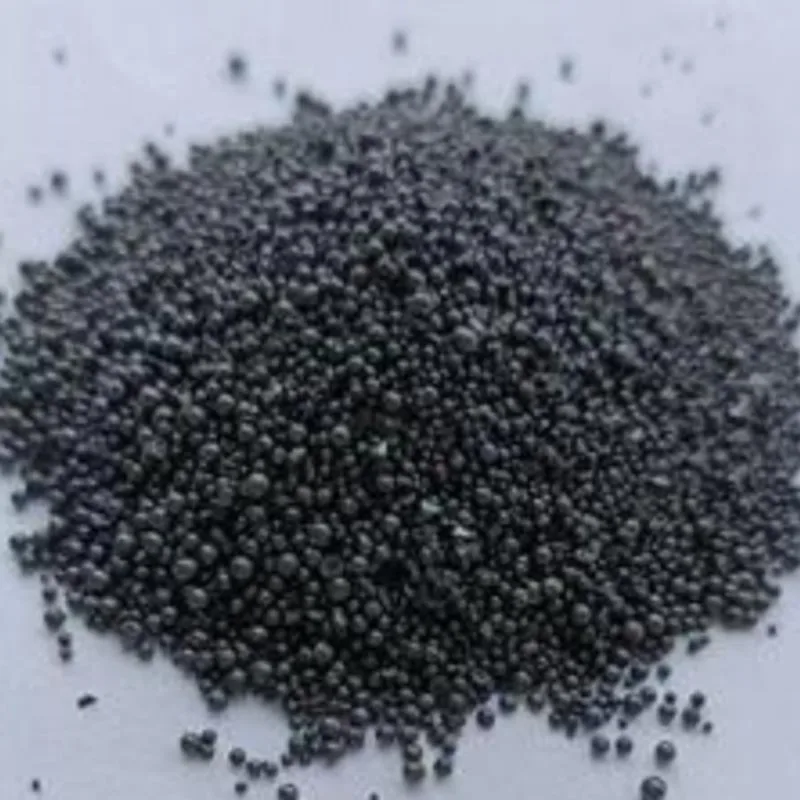
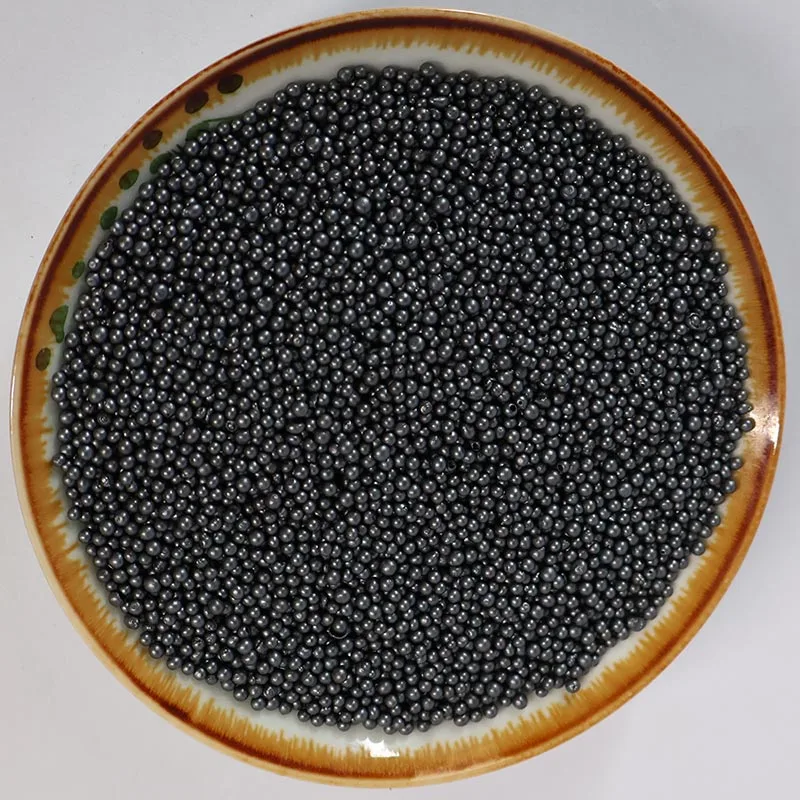
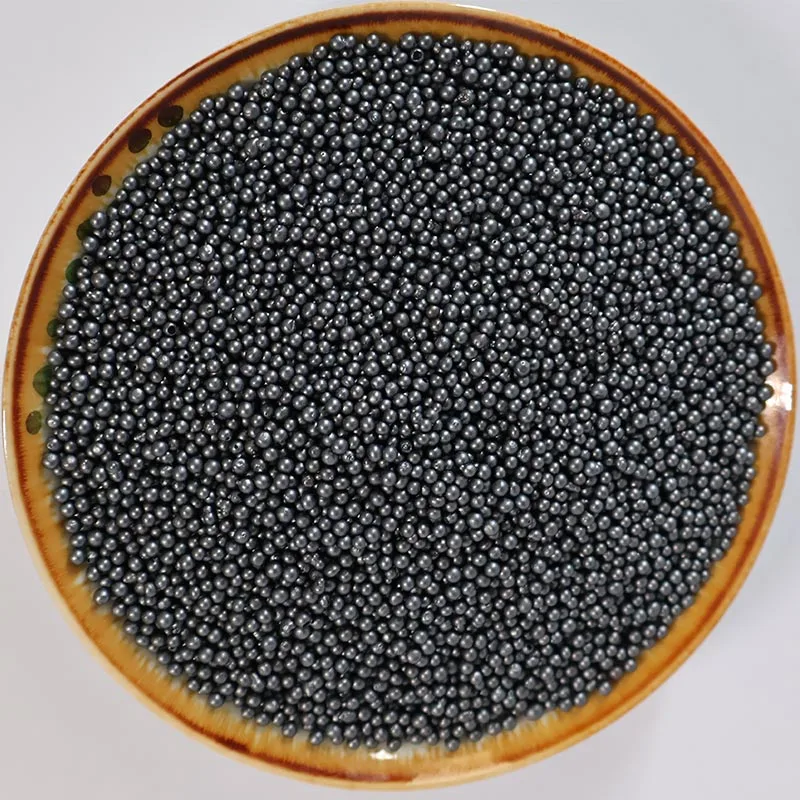
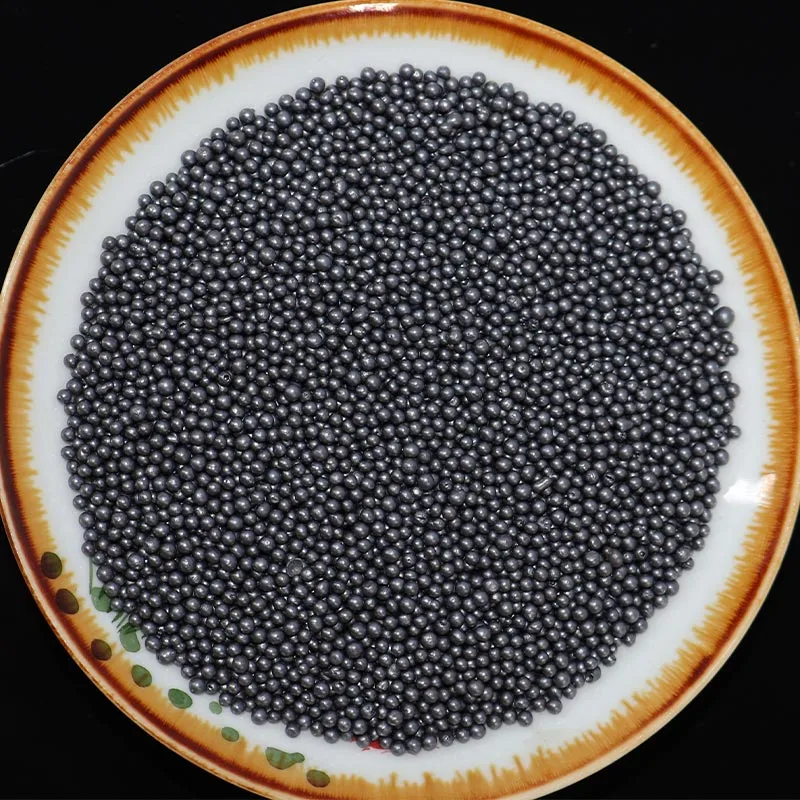
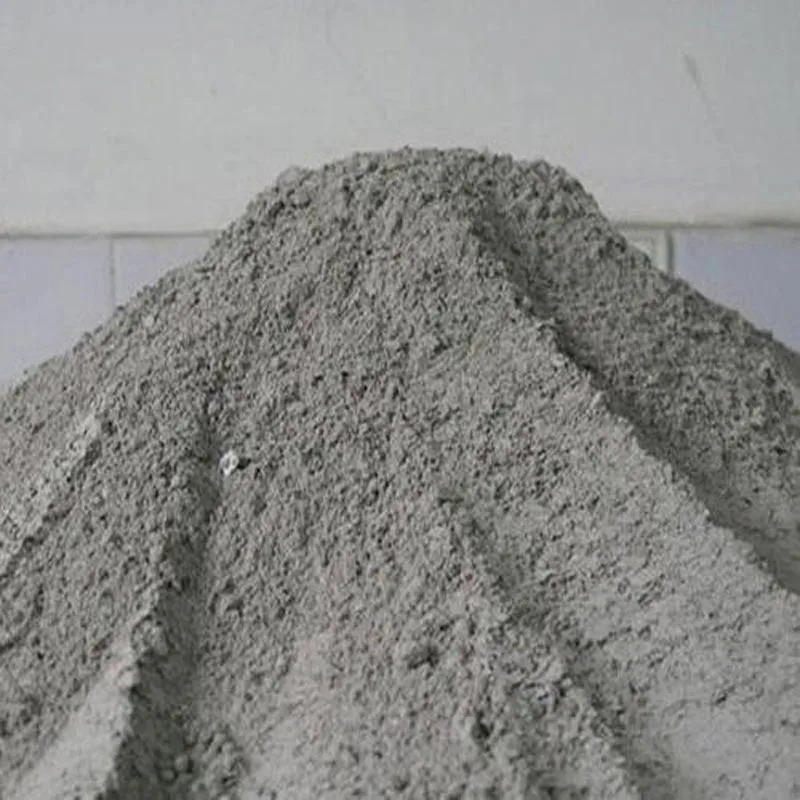
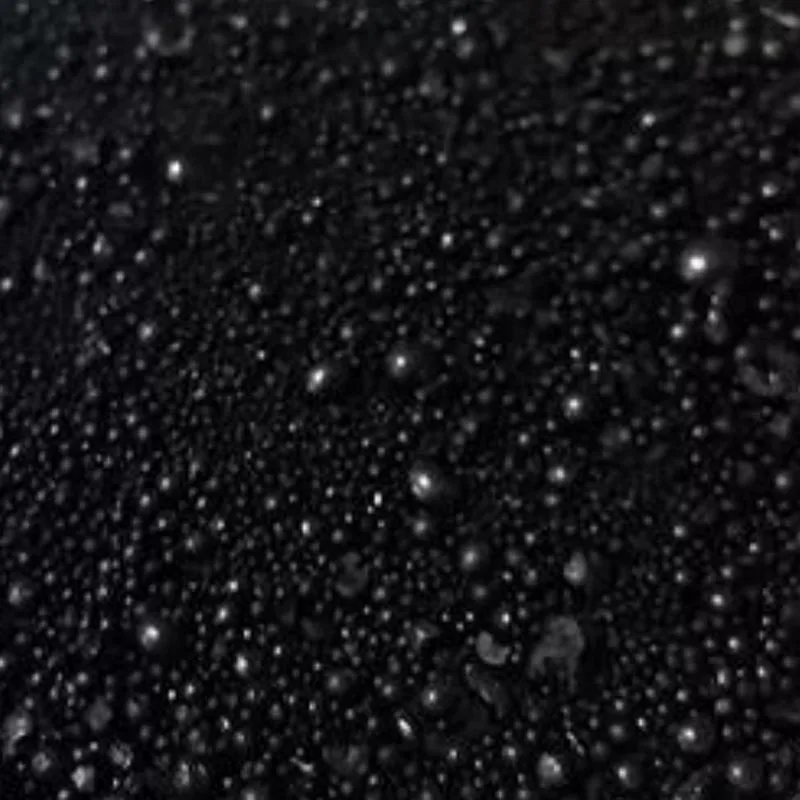
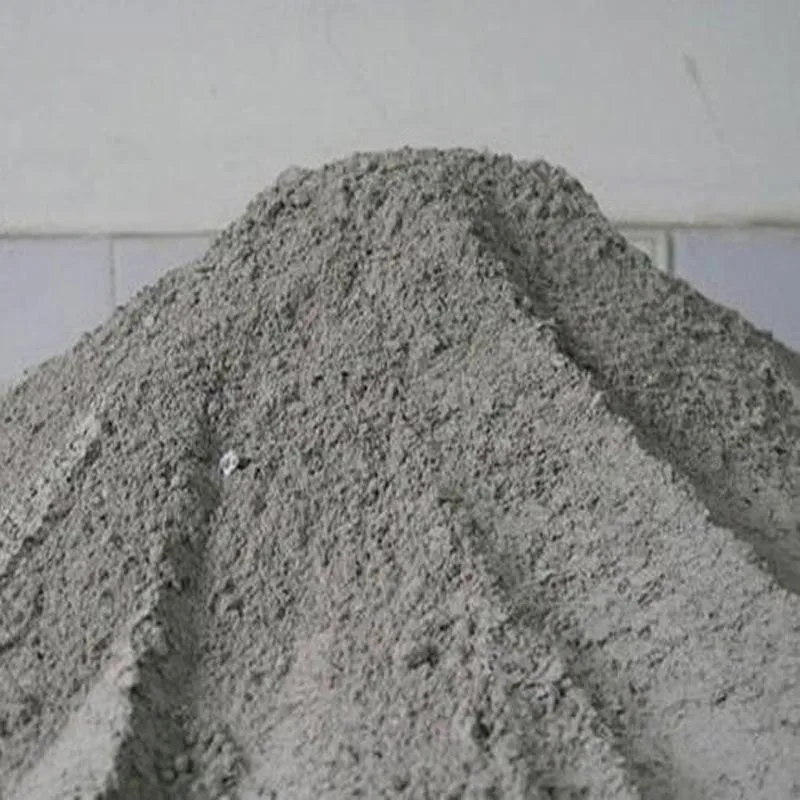
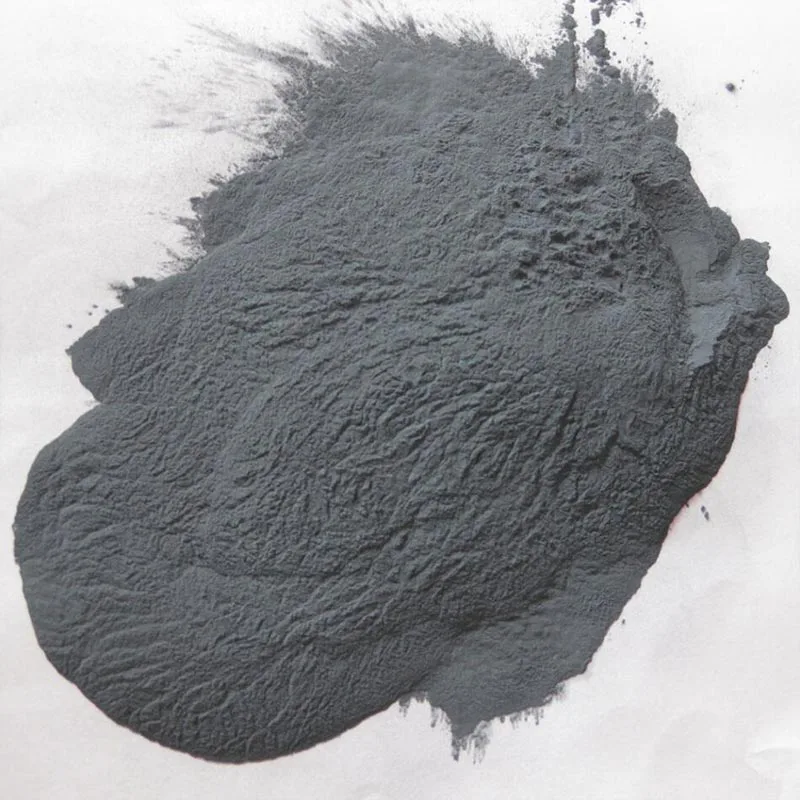
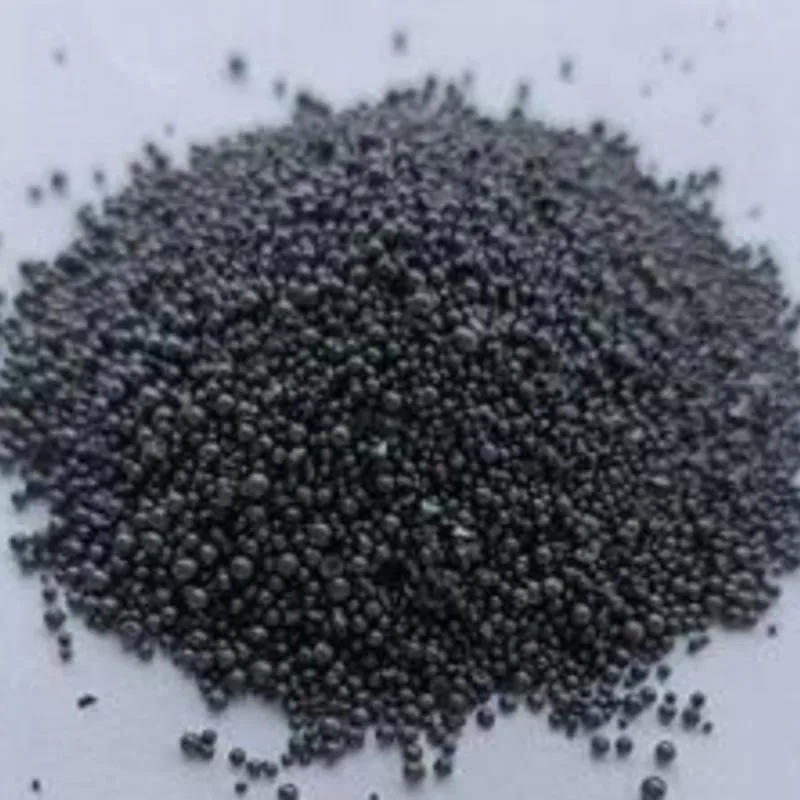
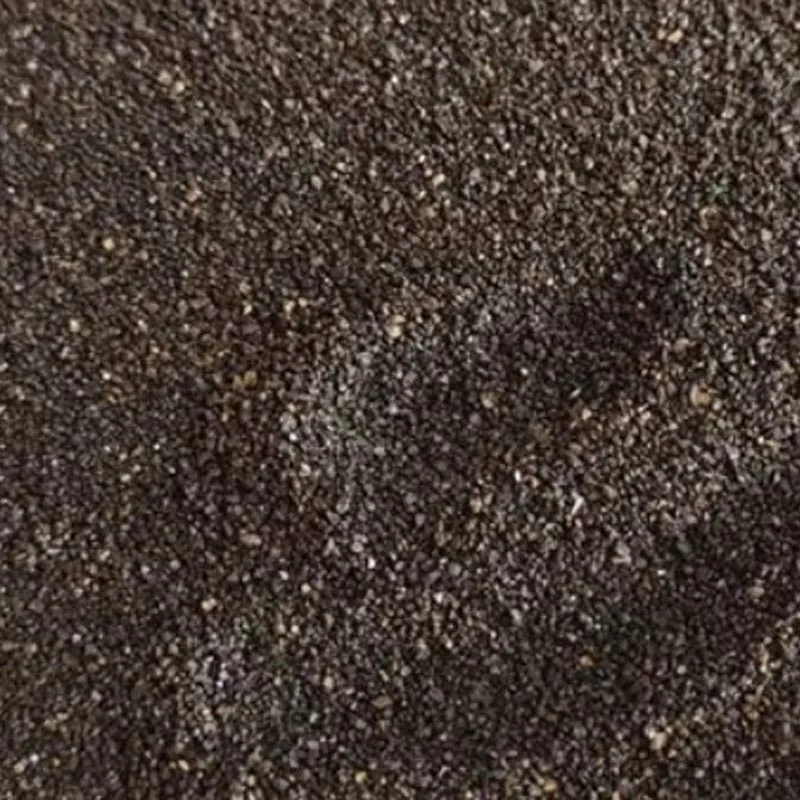
Bridge Counterweight Sand is a high-density iron-based aggregate used as a weighting material in cement-bound concrete counterweight structures for outdoor bridge projects. The product is composed of weather-resistant iron particles and receives a surface treatment intended to improve stability under temperature fluctuation. It is designed for on-site mixing with standard bridge concrete and for placement in structures exposed to rain, wind, and repeated freeze-thaw cycles.
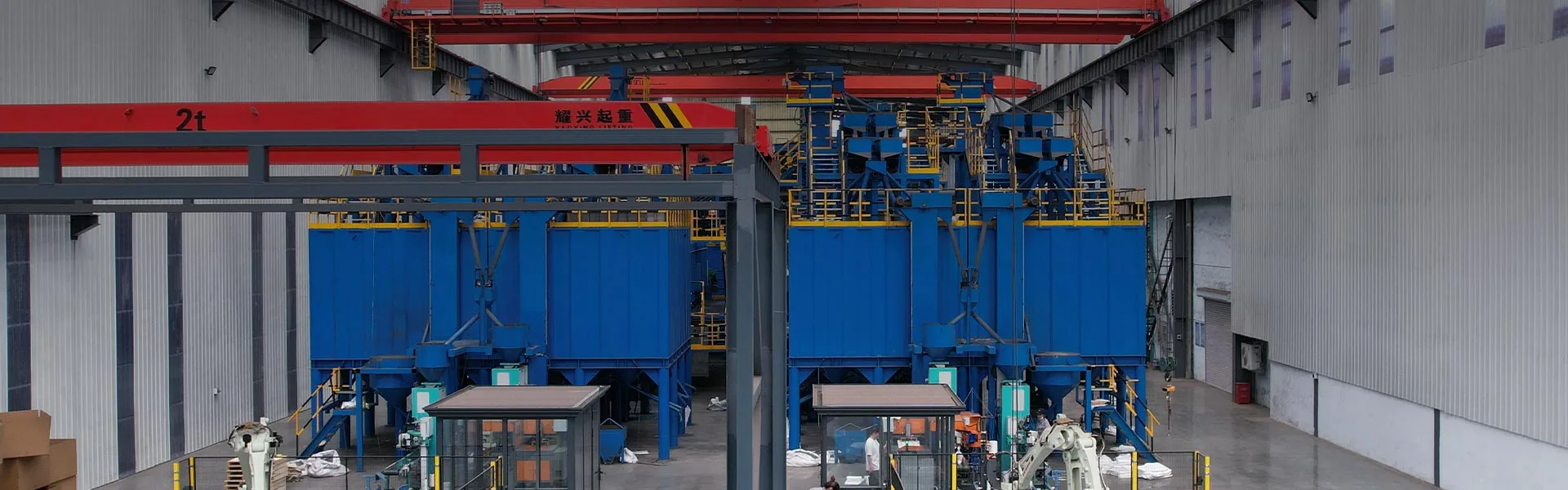
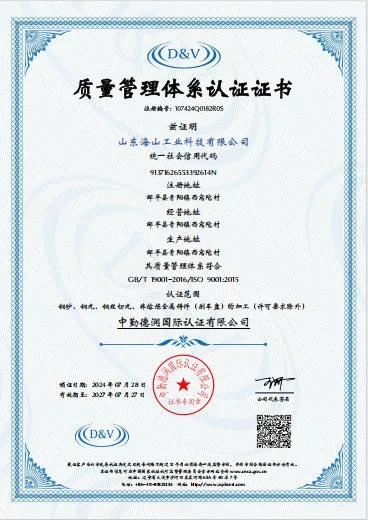
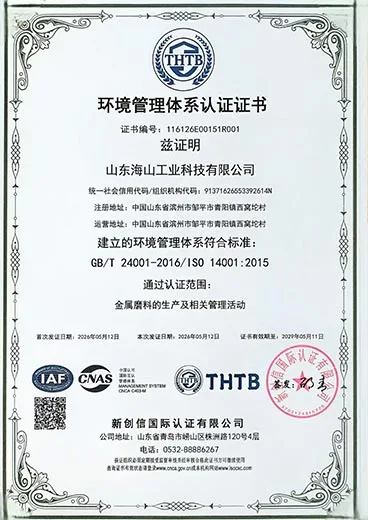
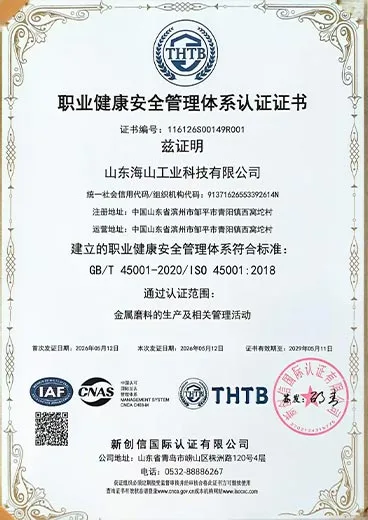
Shandong Haishan Industrial Technology Co., Ltd. manufactures this product at its production site in Zouping, Shandong Province. The facility operates under ISO 9001, ISO 14001, and ISO 45001 management systems and maintains batch traceability from raw material to final shipment. This material is specified for large-scale outdoor bridge pouring only. It is not intended for small sealed box filling or for dry placement without cement.
Technical Specifications
| Parameter | Value |
|---|---|
| Bulk density | 7.0 g/cm³ (±2%) |
| Material base | Weather-resistant iron-based granules |
| Surface modification | Anti-freeze-thaw treatment |
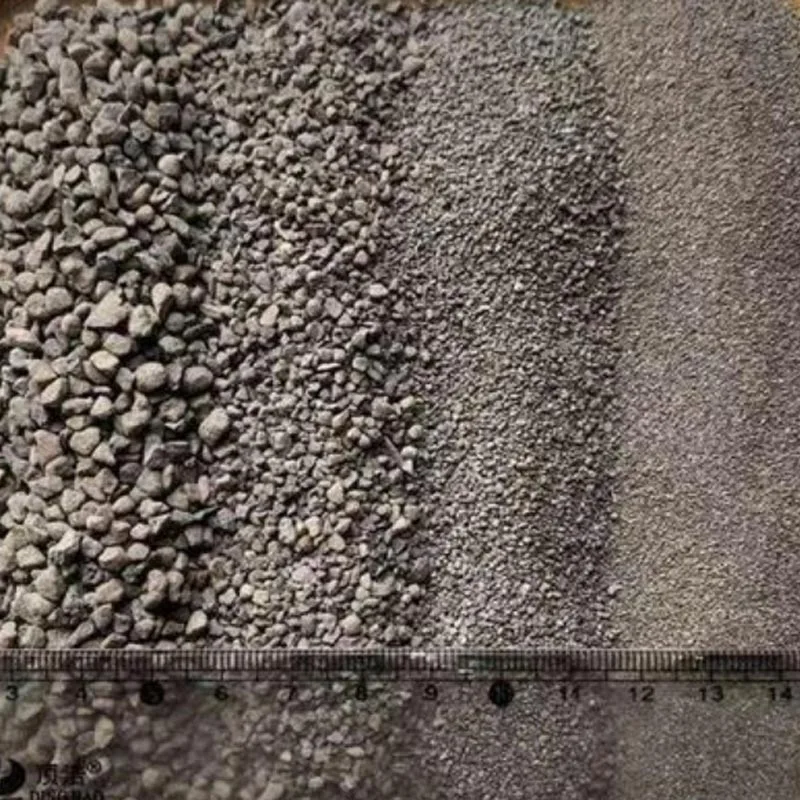
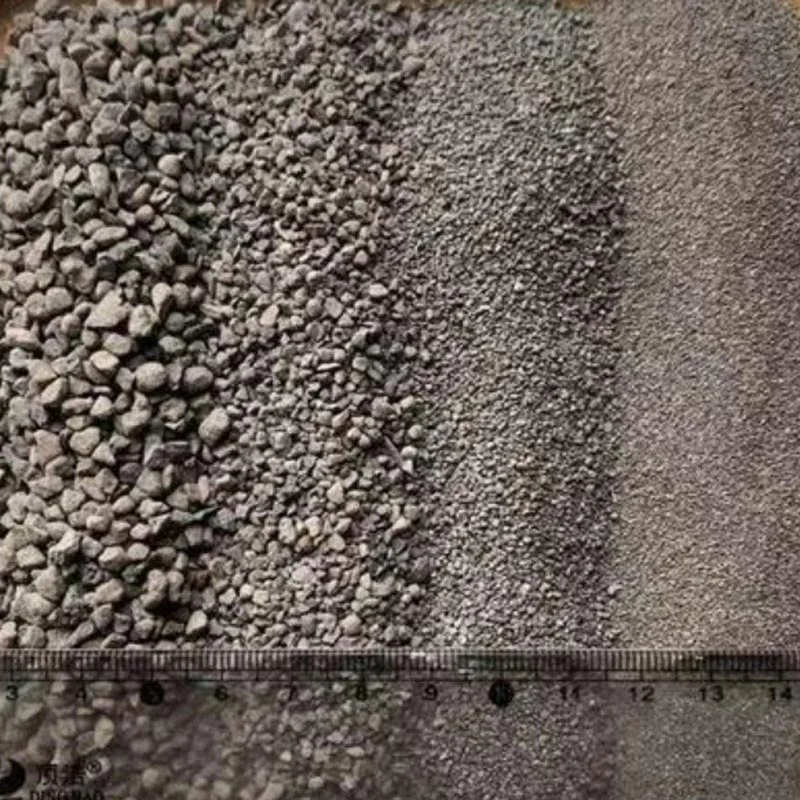
| Particle size distribution | Available in multiple gradings to match bridge concrete mix designs; specific gradation provided per order |
| Impurity control | Low sulfur and phosphorus content |
| Concrete compatibility | Designed to reduce segregation when used with an appropriate mix design |
| Process requirement | Wet mixing and pouring only |
| Packaging | 1-ton FIBC, bulk bags, or custom containers |
Freeze-Thaw Behavior and Structural Compatibility
Bridge counterweight concrete is exposed to repeated temperature changes and moisture. The anti-freeze-thaw treatment applied to this aggregate is intended to help the particles maintain stable physical properties across a range of temperatures. It does not become brittle in low-temperature conditions and does not soften significantly under typical outdoor heat. The thermal expansion behavior is designed to be generally compatible with standard bridge concrete, which helps reduce the risk of internal cracking and filler separation over time.
Freeze-thaw performance data can be provided upon request. This includes test conditions, number of cycles, and results for mass loss and dimensional change. The availability of this data allows engineering teams to evaluate the material against project-specific durability requirements.
Impurity Control and Steel Protection
Sulfur and phosphorus are two impurities that can influence the corrosion behavior of embedded steel reinforcement. During production, the raw material is processed to maintain these elements at low concentrations. This control helps reduce the potential for corrosion-related concerns in the counterweight concrete.
Actual chemical composition reports are available for each batch. These reports can be included in project documentation to demonstrate compliance with specified impurity limits. The material itself is not a direct corrosion inhibitor, but the low impurity profile contributes to a more durable concrete environment around steel reinforcement.
Mixing and Placement Performance
On bridge construction sites, counterweight concrete is typically mixed in standard transit mixers and placed by pump or direct pour. The particle size distribution of Bridge Counterweight Sand is designed to blend uniformly with common bridge concrete aggregates. It is intended to reduce segregation during mixing, transport, and vibration when used with an appropriate concrete mix design.
This compatibility helps maintain a homogeneous density throughout the pour and supports efficient site operations. Contractors can use the material directly in their existing batching process without special equipment, provided that the mix design accounts for the aggregate's density and grading.
Inspection and Documentation
Each production lot is tested for key properties that affect outdoor performance and concrete compatibility. The table below summarizes the routine inspection points and the documents available for each.
| Inspection Point | What It Verifies | Record Type |
|---|---|---|
| Bulk density | Weight per unit volume | Batch certificate |
| Particle size distribution | Gradation within specified range | Batch test report |
| Freeze-thaw stability | Performance under temperature cycling | In-house test record; external report on request |
| Sulfur and phosphorus content | Impurity levels for steel protection | Third-party report on request |
| Moisture content | Consistency in mixing water demand | Batch inspection record |
All records are retained for traceability. Buyers can request copies of specific documents before shipment or include them in the purchase agreement.
Certification and Facility Controls
Shandong Haishan Industrial Technology Co., Ltd. holds ISO 9001, ISO 14001, and ISO 45001 certifications. The in-house laboratory performs routine checks on particle grading, density, impurity levels, and freeze-thaw stability. These controls help maintain consistent material performance across production batches.
Typical Bridge Applications
- Internal counterweight filling for bridge box girder cavities
- Bearing balance weight filling for highway and railway bridges
- Stabilization counterweight for bridge expansion joints
- Integral concrete counterweight pouring for elevated bridges
- Counterweight construction for municipal bridge components
The product is intended for outdoor bridge projects that require weather resistance and structural compatibility. It is not formulated for small precision sealed boxes or for dry filling without cement.
Packaging and Supply Availability
Standard packaging includes 1-ton FIBC bags and bulk bags. Custom container options are available for large-scale projects. Common specifications are kept in stock to support dispatch to bridge construction sites. Each shipment includes a batch certificate showing density and inspection results. Additional test reports can be supplied based on project requirements.
Supply chain records are maintained from raw material receipt to final delivery, providing bridge contractors with documented traceability of the counterweight aggregate.
Information for a Precise Quotation
To recommend the correct specification and packaging, please provide the following project details:
- Required total counterweight or concrete volume
- Bridge type and design load requirements
- Concrete mix design or aggregate specifications
- Expected temperature range and exposure conditions
- Delivery location and truck access
- Required documents for project approval
Frequently Asked Questions
Q1: What bulk density does Bridge Counterweight Sand provide?
The bulk density is maintained at 7.0 g/cm³ with a tolerance of ±2%. This value is verified by batch inspection and recorded on the batch certificate.
Q2: How does the material perform under freezing and thawing conditions?
The aggregate receives an anti-freeze-thaw treatment intended to improve stability under temperature cycling. It is designed to expand and contract at a rate generally compatible with standard bridge concrete, which helps reduce the risk of internal cracking. Specific freeze-thaw test data can be provided upon request.
Q3: Will the material separate from the concrete mix during pouring?
The particle size distribution is designed to reduce segregation during mixing, transport, and vibration when used with an appropriate concrete mix design. It is not a guarantee against all segregation, as this also depends on water-cement ratio, mixing time, and other factors.
Q4: Can Bridge Counterweight Sand cause corrosion of steel reinforcement?
The material is controlled for sulfur and phosphorus impurities to help reduce corrosion-related risks to embedded steel. Actual chemical composition reports are available for each batch. The overall corrosion resistance of the final concrete also depends on mix design, exposure conditions, and concrete cover.
Q5: Is this product suitable for small sealed counterweight boxes?
No. The gradation and density are intended for large-scale outdoor concrete pouring. Small precision sealed boxes require a different material with better flowability in dry conditions.
Q6: What packaging options are available?
1-ton FIBC bags and bulk bags are standard. Custom containers can be arranged for large projects. Packaging can be adapted to suit site handling equipment and storage conditions.
Q7: What documentation is provided with each shipment?
Each shipment includes a batch certificate with density and inspection results. Freeze-thaw test records, impurity reports, and third-party certifications can be provided upon request.
Q8: How is the required quantity calculated?
Divide the target counterweight by the material bulk density. For example, to achieve 14,000 kg at 7.0 g/cm³, approximately 2.0 m³ of aggregate is needed. This calculation provides a preliminary estimate of aggregate volume. Final material quantity should be determined from the approved concrete mix design, as the actual amount may vary depending on mix proportions and other aggregates.
Related Category
Send Inquiry
Contact Info
-
Address
Qingyang Economic Development Zone, Zouping County, Shandong Province, China
-
Tel
-
Email
Send an inquiry to Haishan for quality steel shot, steel grit, cut wire shot and counterweight sand. Get factory direct wholesale price, free quotation and OEM customized solutions.
News Recommendations