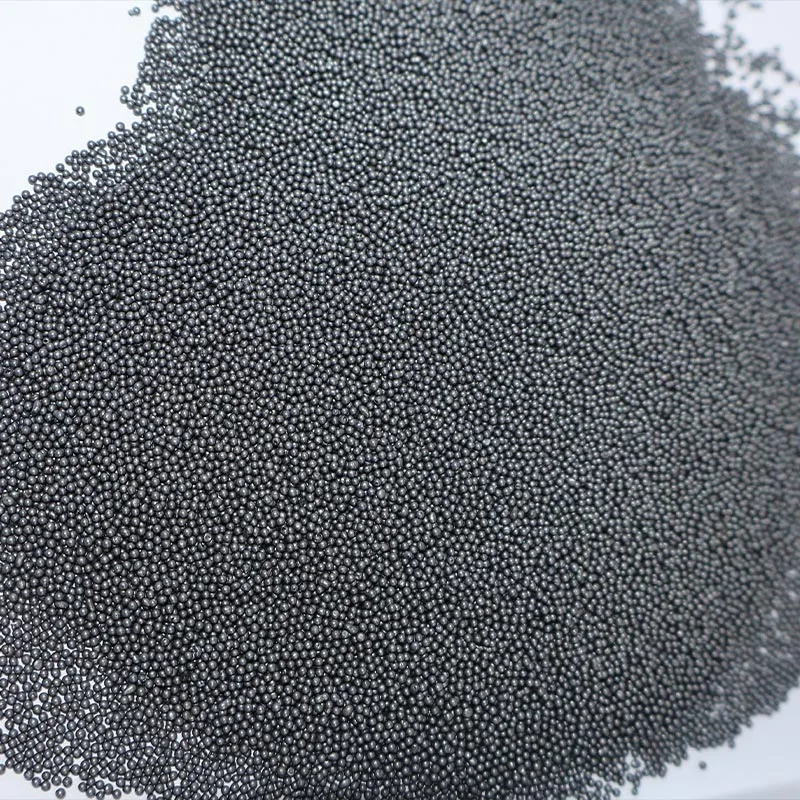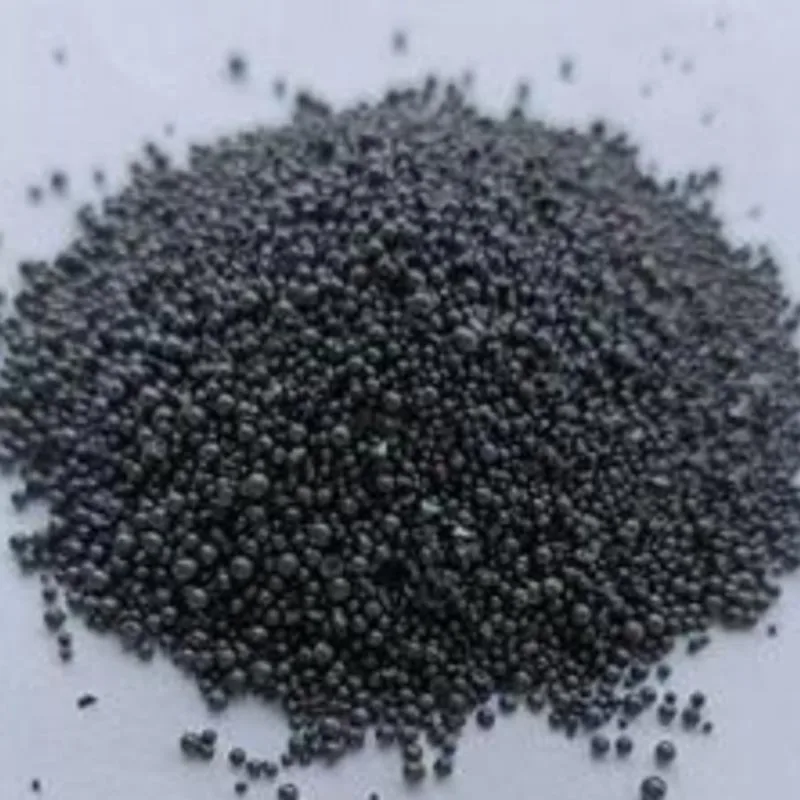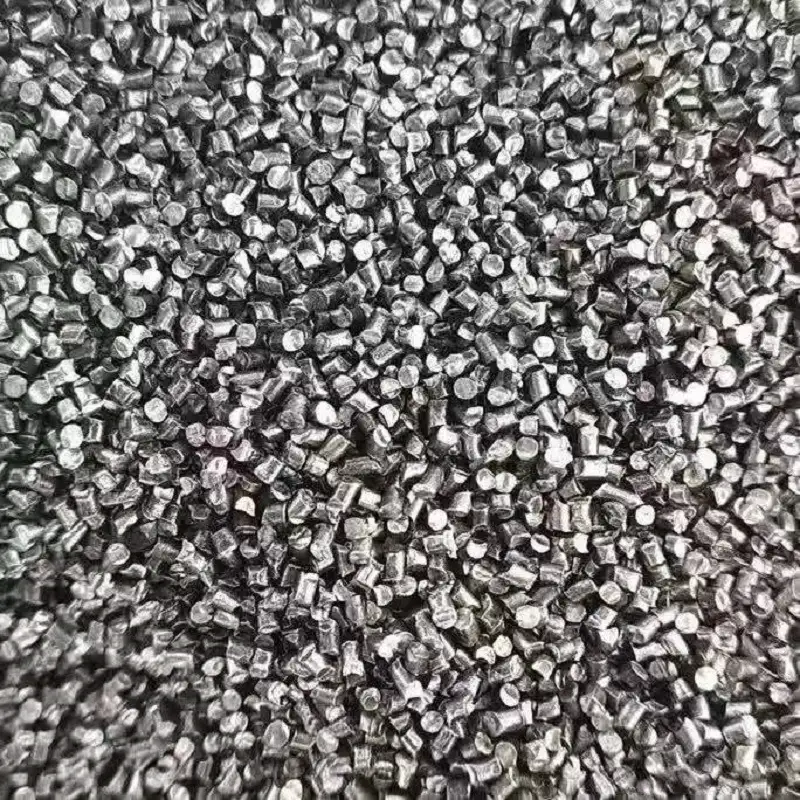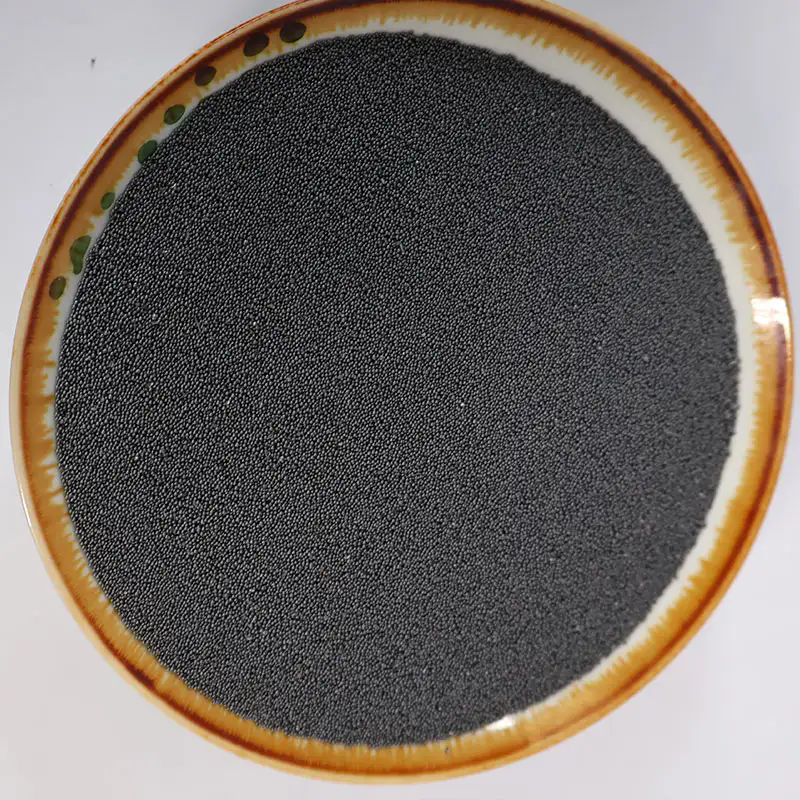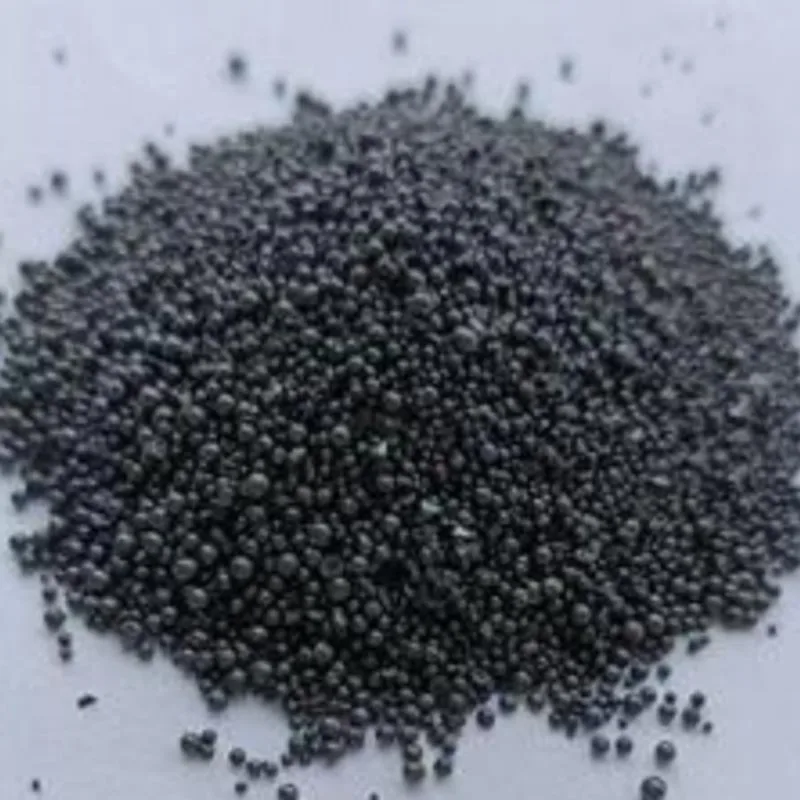
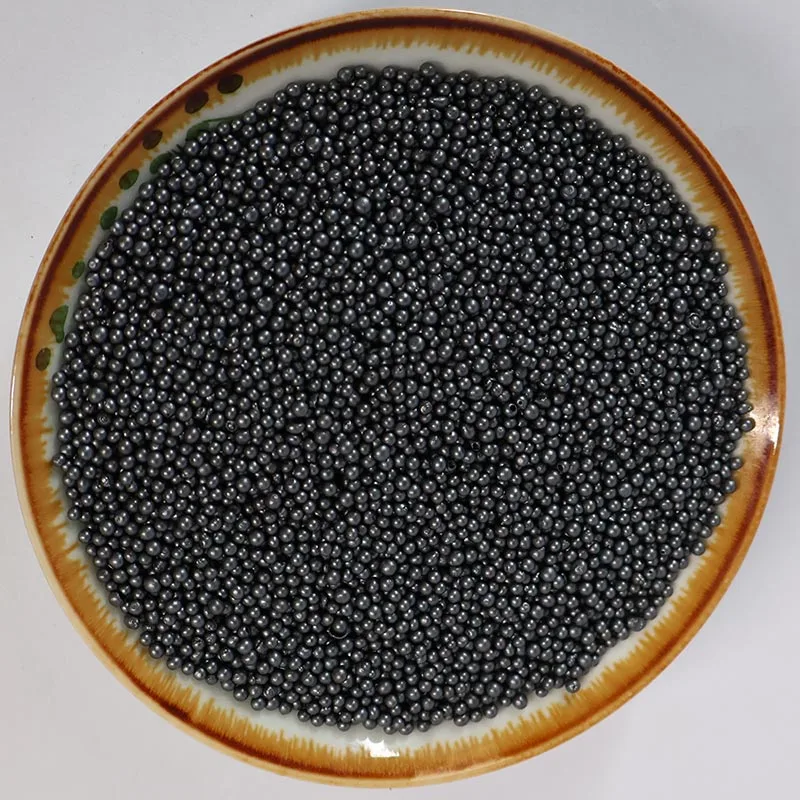
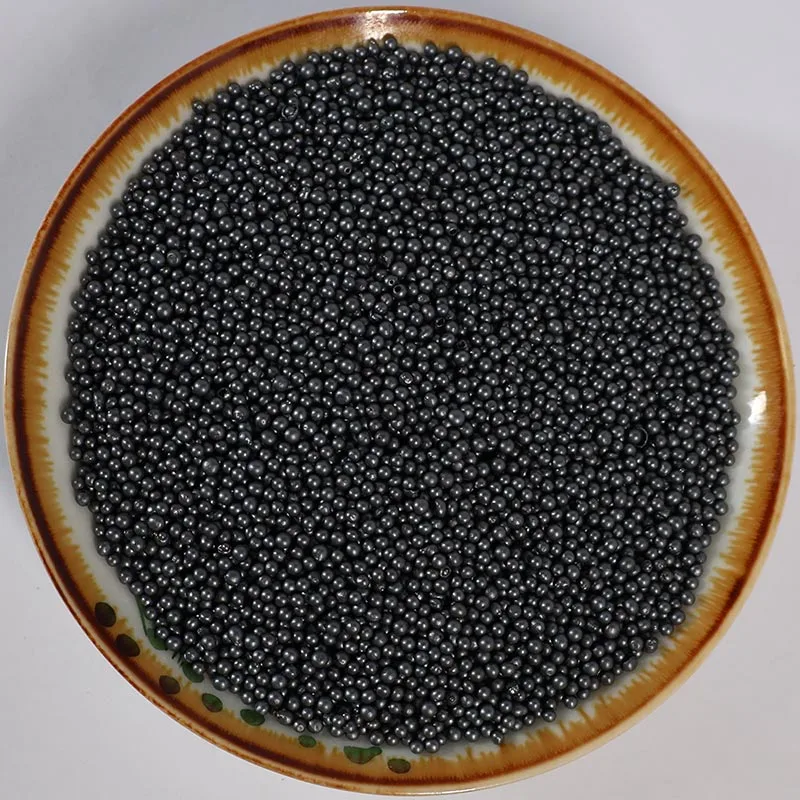
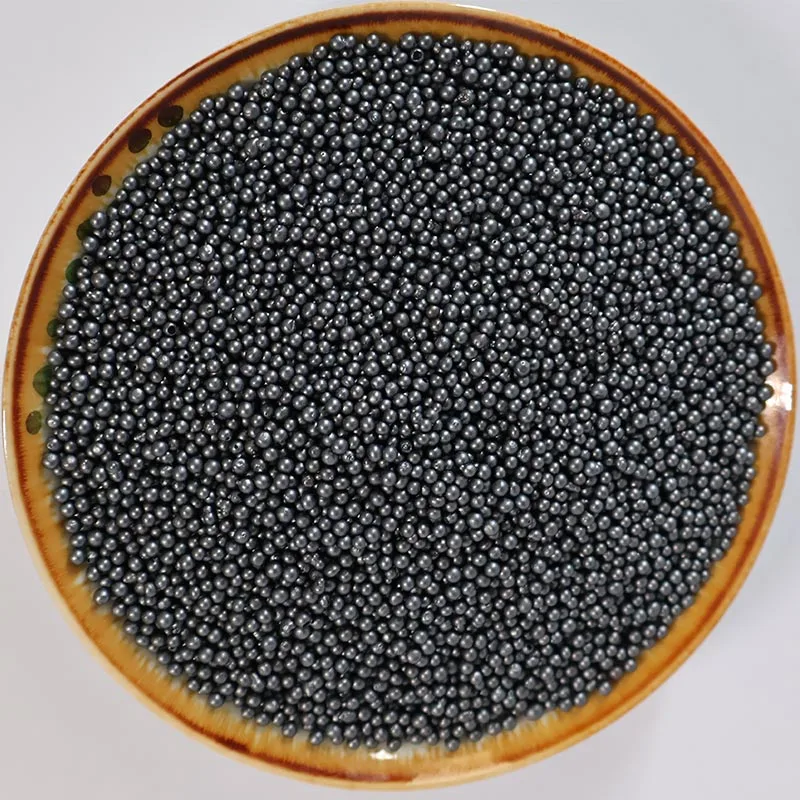
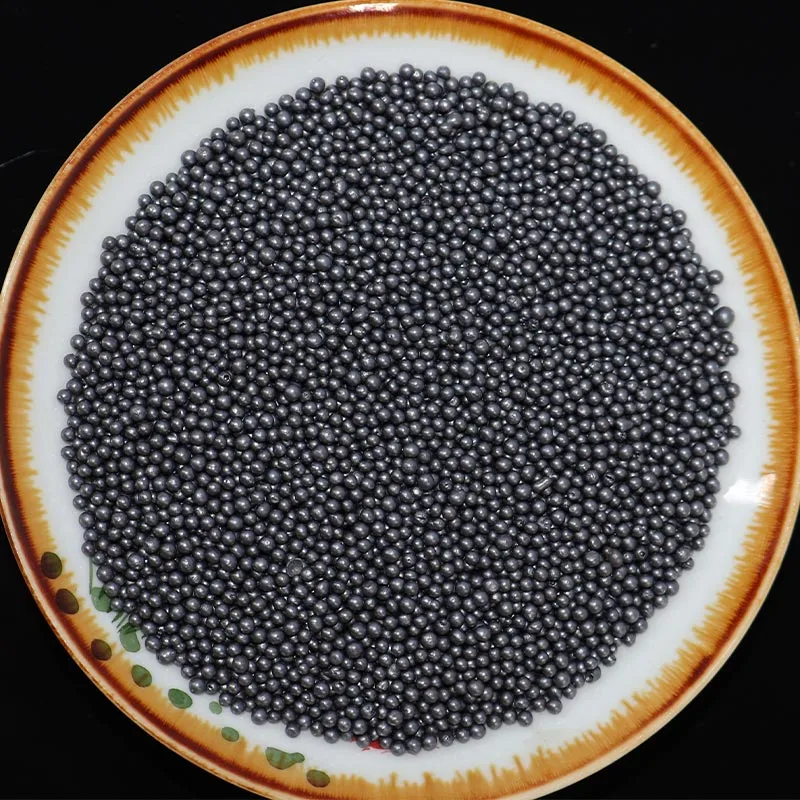
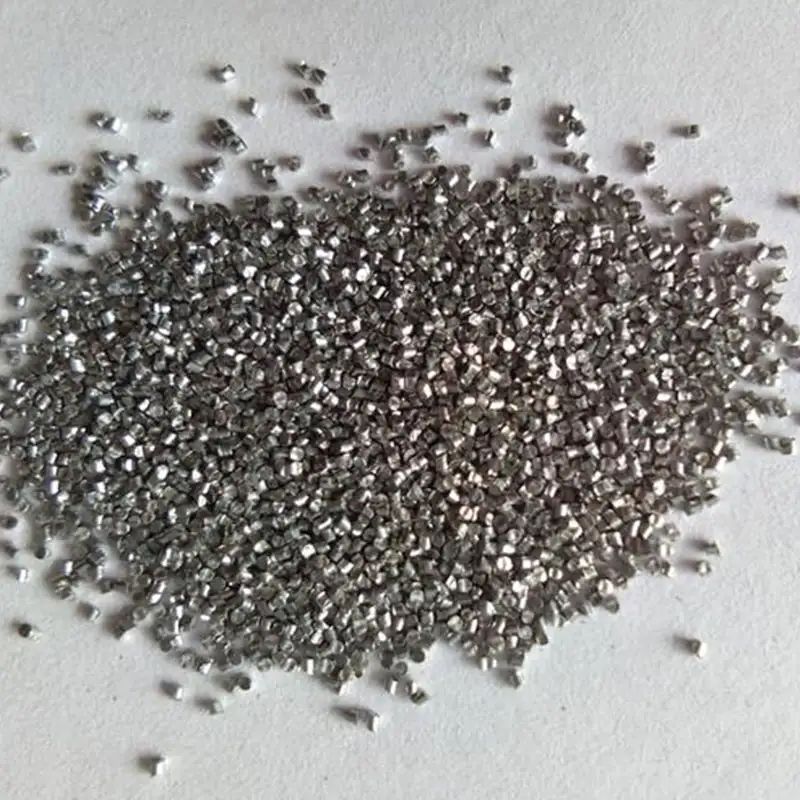
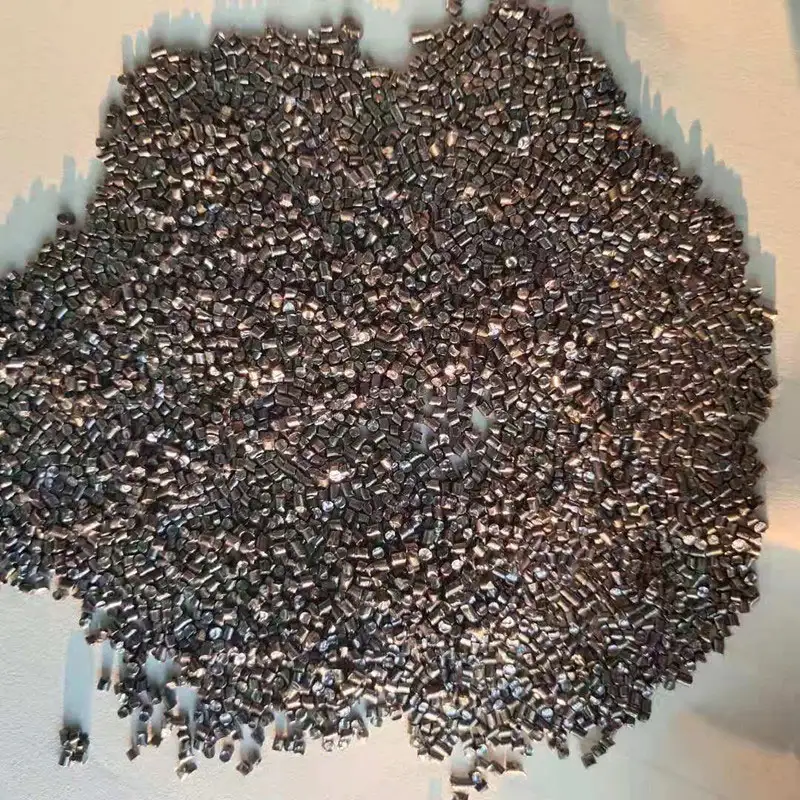
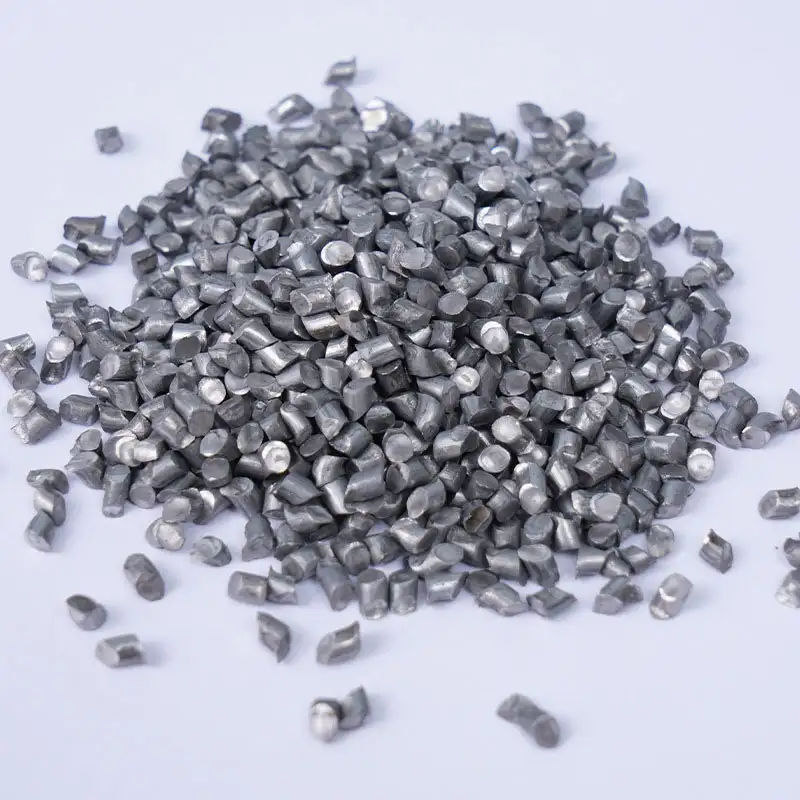
Wire Cut Shot for Shot Blasting Machine
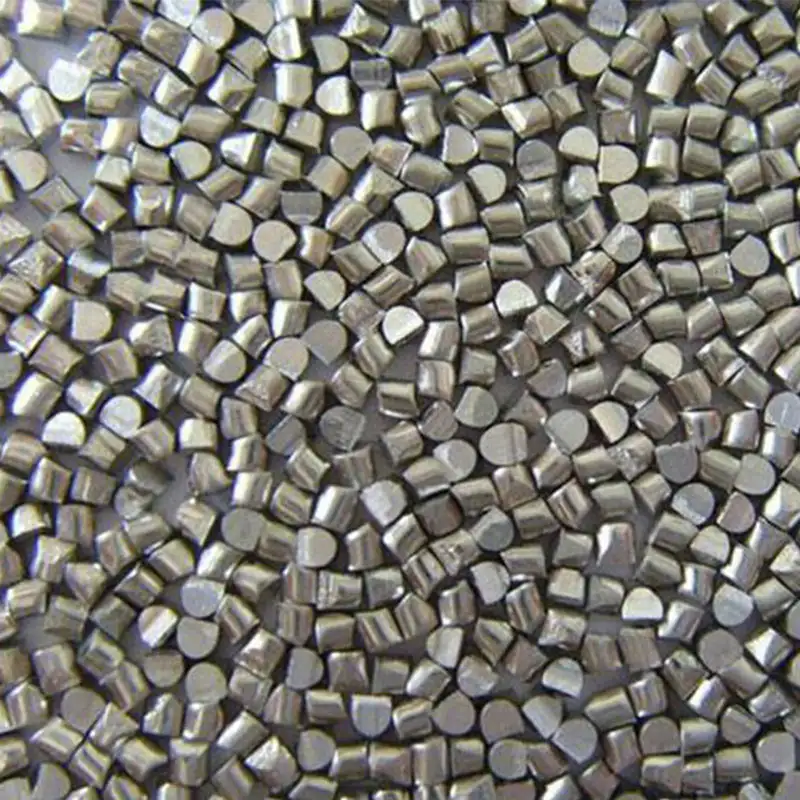
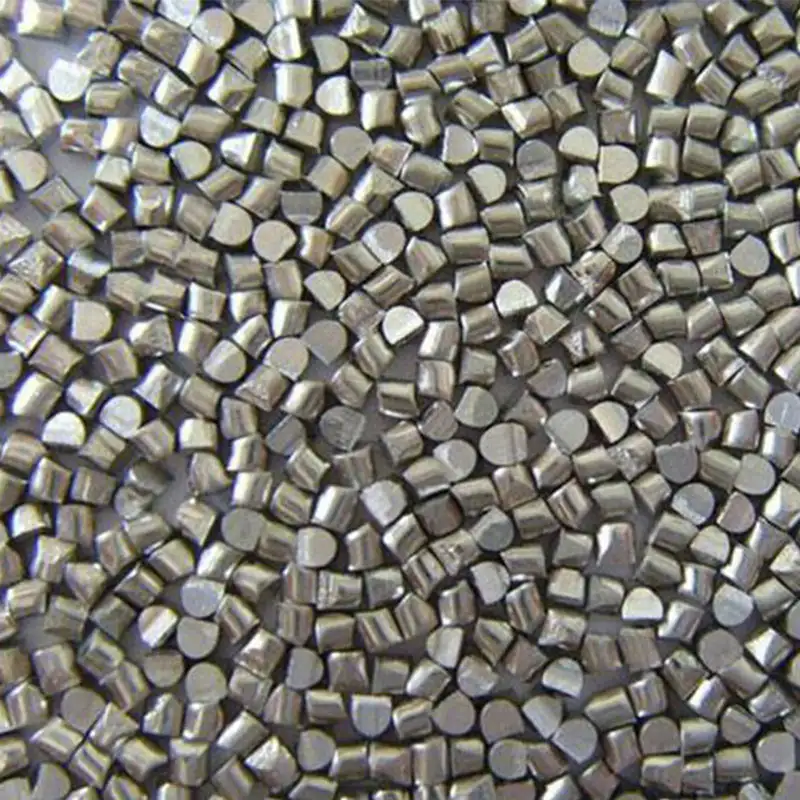
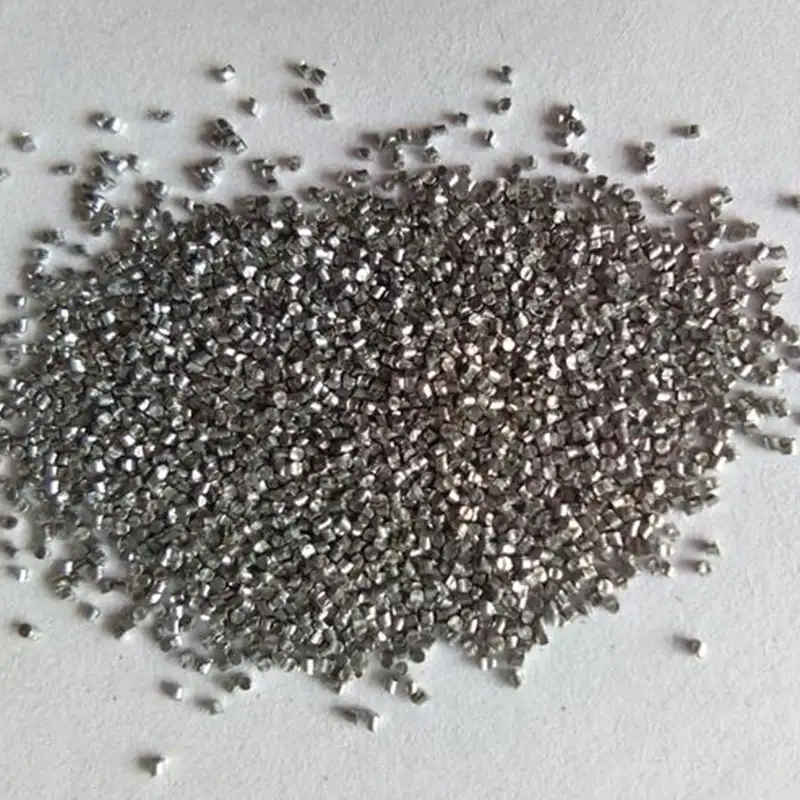
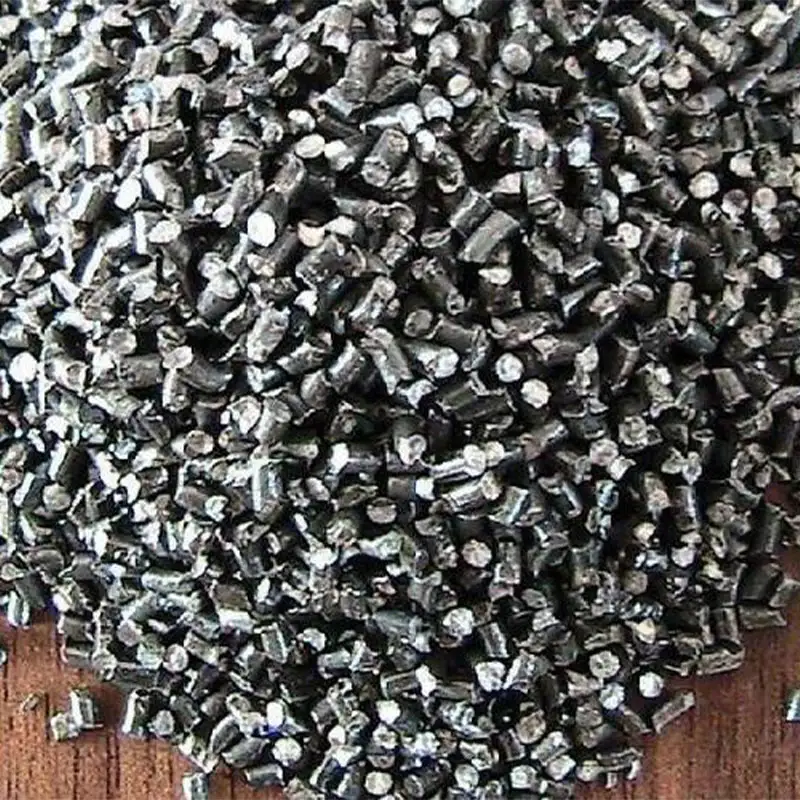
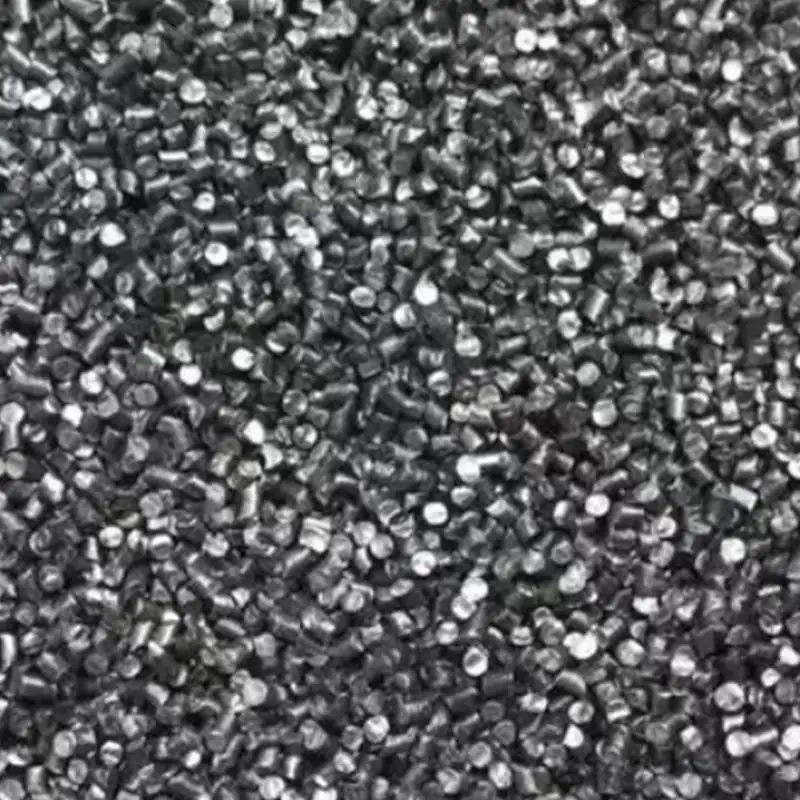
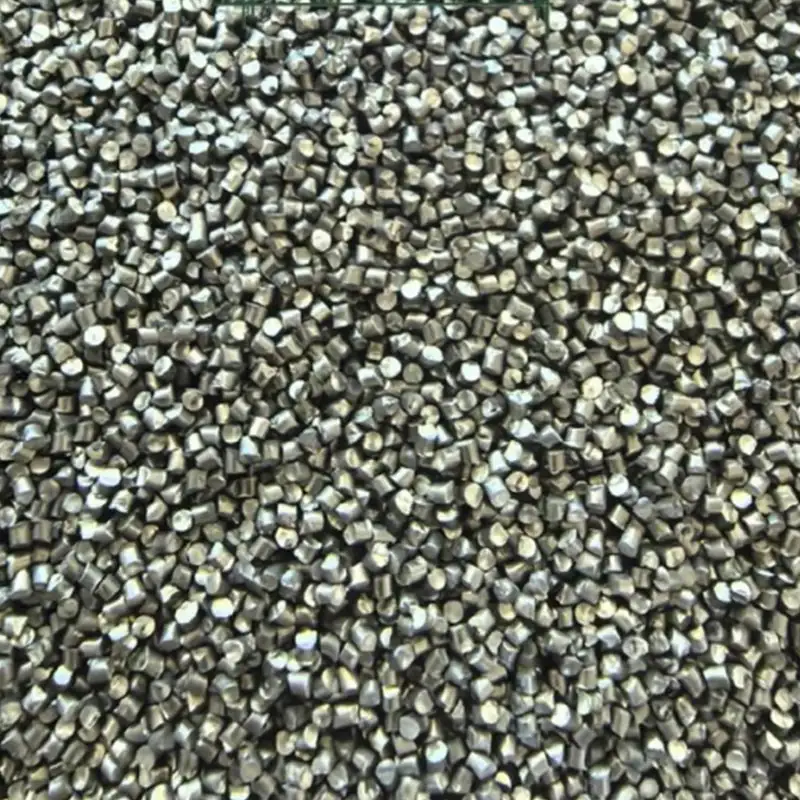
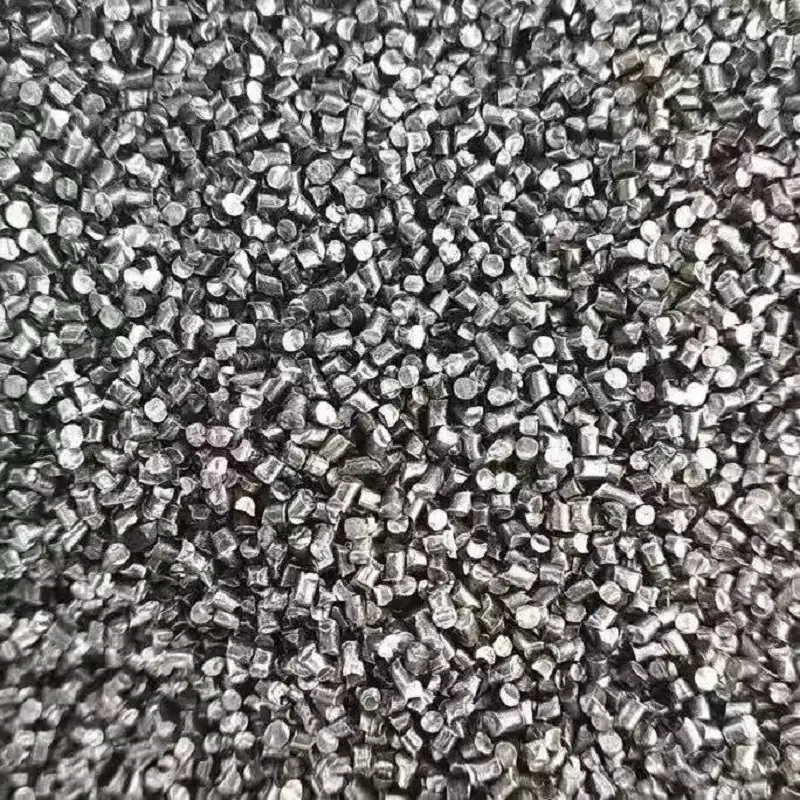
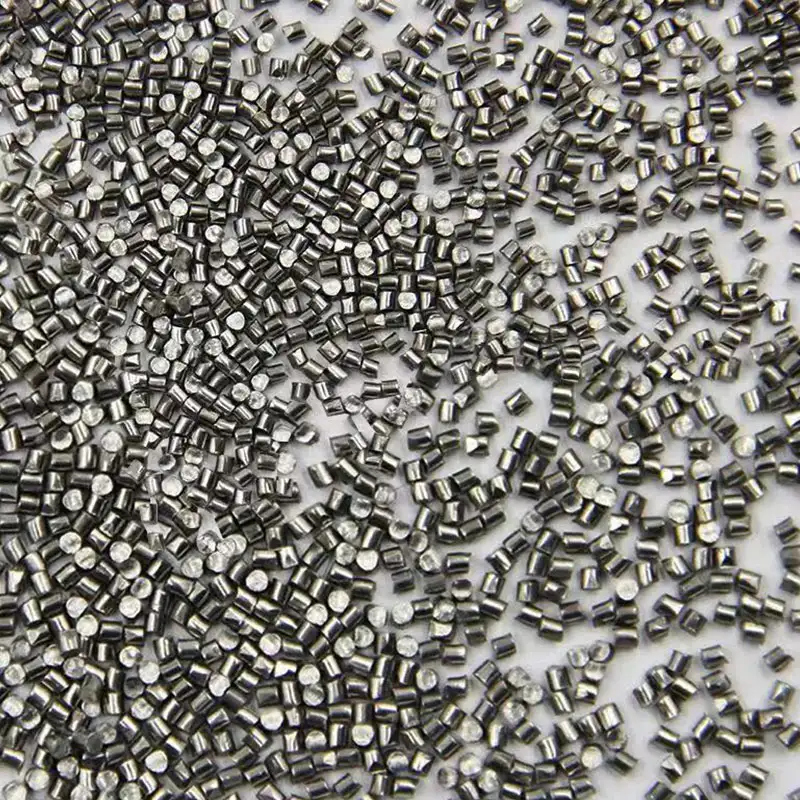
Wire Cut Shot for Shot Blasting Machine is designed for high-cleanliness applications where iron contamination is strictly prohibited. Manufactured by Shandong Haishan Industrial Technology Co., Ltd., our Stainless Steel Wire Cut Shot is precision-cut from virgin 304/316 stainless steel wire.
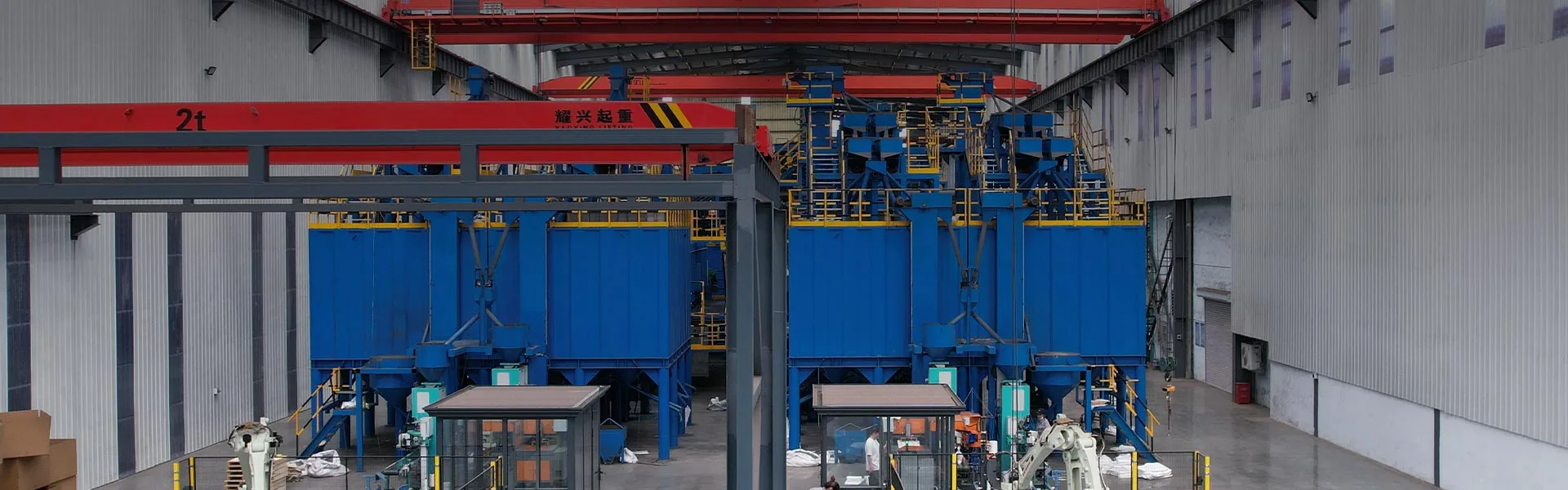
Stainless Steel Wire Cut Shot is manufactured by Shandong Haishan Industrial Technology from virgin 304 or 316 stainless steel wire. The company has an annual production capacity of 100,000 tons and serves customers in more than 50 countries. This Wire Cut Shot for Shot Blasting Machine is designed for surface preparation where ferrous contamination must be avoided. It is suitable for stainless steel, aluminum, copper, and other non‑ferrous workpieces used in medical, food, chemical, and marine applications.
Material Grades: 304 vs 316
Stainless steel wire cut shot is available in two common grades. The choice depends on the workpiece material, operating environment, and corrosion resistance requirements.
| Property | 304 Stainless Steel | 316 Stainless Steel |
| Typical applications | General stainless steel finishing, cookware, hardware, indoor components | Medical devices, food processing equipment, marine components, chemical equipment |
| Corrosion resistance | Good in most indoor and mild outdoor environments | Better in chloride, saline, and acidic environments due to molybdenum addition |
| Magnetism | Weak, slightly increased after cold working | Very weak |
| Cost | Lower | Higher |
For workpieces used in dry indoor conditions, 304 is generally sufficient. For prolonged contact with salt water, acidic or alkaline media, or where chloride corrosion is a concern, 316 is the better choice. The final selection should be based on the specific service environment and customer specification.
Manufacturing Process and Quality Control
The production of stainless steel wire cut shot includes the following stages. Each stage is controlled to minimize the risk of ferrous contamination.
- Raw material inspection: Incoming stainless steel wire is verified by direct‑reading spectrometer to confirm grade (304 or 316) and chemical composition.
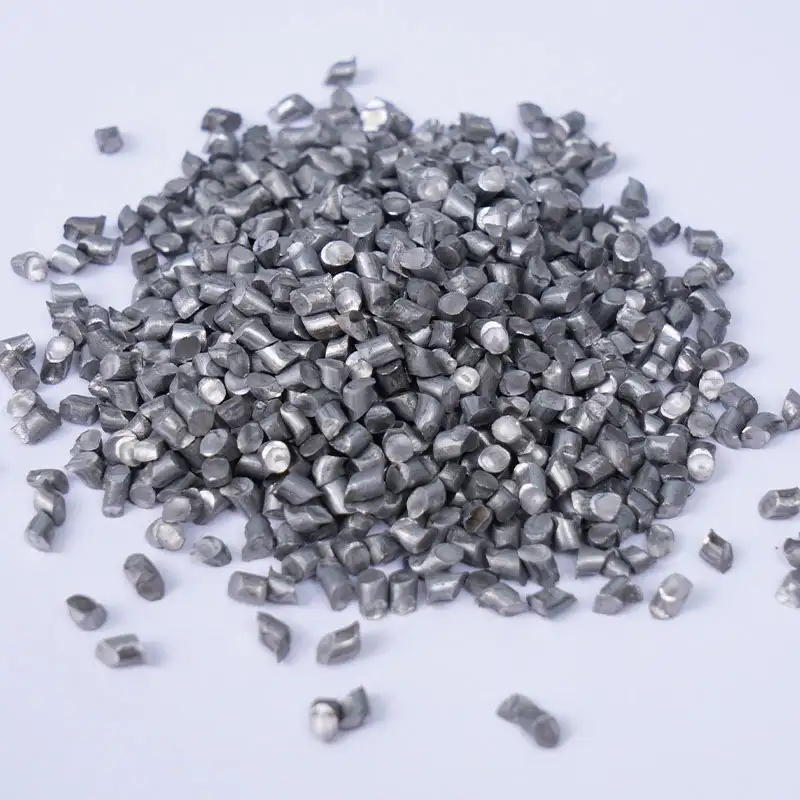
- Precision cutting: Automated equipment cuts the wire to a controlled length‑to‑diameter ratio, typically 1:1, to maintain particle size consistency.
- Edge rounding: The cut edges are rounded to reduce stress concentration and minimize scratching of workpiece surfaces.
- Multi‑stage screening: Standard sieves separate particles into size classes. The main sieve retention is checked to ensure particle size concentration.
- Magnetic separation: Magnetic particles are removed to eliminate any carbon steel impurities that may have been introduced during processing.
Every production batch is tested for chemical composition, size distribution, and hardness before release. Test methods reference SAE J444 and relevant DIN standards where applicable.
Technical Specifications
Chemical Composition of Stainless Steel Wire Cut Shot
| Grade | C (%) | Si (%) | Mn (%) | Cr (%) | Ni (%) | Mo (%) | S (%) | P (%) |
| 304 | ≤0.08 | ≤1.00 | ≤2.00 | 18.0‑20.0 | 8.0‑10.5 | — | ≤0.030 | ≤0.045 |
| 316 | ≤0.08 | ≤1.00 | ≤2.00 | 16.0‑18.0 | 10.0‑14.0 | 2.0‑3.0 | ≤0.030 | ≤0.045 |
Values are typical for standard stainless steel grades. Actual composition may vary slightly according to the specific heat. Grade verification is performed on each incoming wire coil.
Mechanical and Physical Properties
| Property | 304 | 316 |
| Hardness (HV) | 200 - 350 (after cutting and cold working) | 180 - 320 (after cutting and cold working) |
| Tensile Strength (MPa) | 515 - 700 | 485 - 680 |
| Density (g/cm³) | 7.9 | 8.0 |
| Bulk Density (g/cm³) | 4.3 - 4.5 | 4.4 - 4.6 |
| Magnetism | Weak | Very weak |
Hardness is measured by Vickers micro‑hardness tester on mounted samples. The actual values depend on the degree of cold working and any subsequent heat treatment.
Performance Characteristics
- Ferrous contamination control: The stainless steel material minimizes the introduction of iron particles during blasting, reducing the risk of rust staining on treated surfaces.
- Long service life: The tough stainless steel wire resists particle breakdown better than carbon steel cut wire shot in many applications, leading to lower media consumption over time.
- Reduced dust generation: Lower particle fracture rate results in less dust inside the blasting chamber, which can reduce the load on dust collection systems.
- Equipment friendly: The rounded edges and moderate hardness help reduce wear on blast machine components compared to harder, sharper media.
- Reduced post‑blast cleaning: Where ferrous contamination is the main concern, this product can reduce or eliminate the need for additional acid pickling or passivation steps.
Note: This Wire Cut Shot for Shot Blasting Machine is not designed for heavy rust or thick scale removal on carbon steel structures. For such applications, a carbon steel cut wire shot or steel grit is recommended.
Application Scope
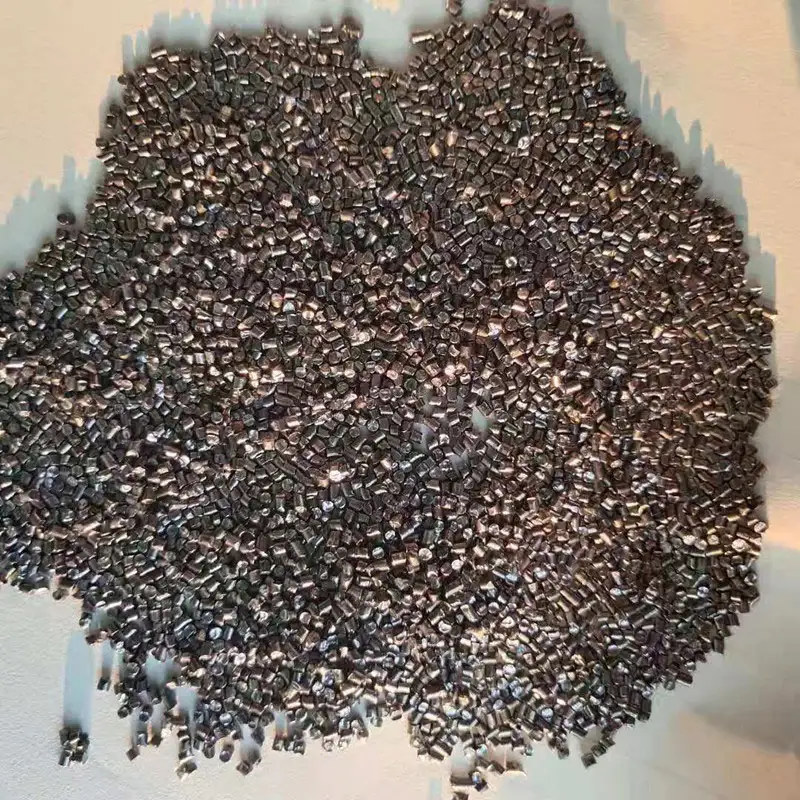
This Wire Cut Shot for Shot Blasting Machine is designed for surface preparation of non‑ferrous and stainless steel workpieces where cleanliness and freedom from iron contamination are critical. Typical applications include:
- Matte finishing and deburring of stainless steel components
- Precision blasting of medical devices and food processing equipment
- Surface preparation of aluminum and copper parts for coating or bonding
- Cleaning of marine and chemical equipment components
- Shot peening of selected aluminum alloy parts requiring controlled surface treatment
Working condition positioning: Suitable for moderate cleaning, deburring, and finishing operations. Not recommended for heavy rust removal, thick mill scale, or welding slag on carbon steel structures.
Cost Considerations
The unit price of stainless steel wire cut shot is higher than that of carbon steel cut wire shot. However, total cost of ownership may be lower when the following factors are considered:
- Reduced or eliminated acid pickling and passivation steps
- Lower rejection rate due to surface contamination
- Less frequent refilling due to longer media life
- Lower dust collection system maintenance
For high‑value workpieces where surface quality and freedom from contamination are critical, the higher initial media cost is often justified by savings in post‑treatment and scrap reduction.
Equipment Compatibility and Size Reference
Stainless steel wire cut shot is compatible with most closed‑type wheel blast machines and air blast systems. It can be used in equipment from major manufacturers including Wheelabrator, Disamatic, V+S, Rosler, Qingdao Doublestar, Weifang Huaxing, and Weihai Shunyi. No major parameter changes are usually required, though a slight reduction in projection speed (5‑10%) may be beneficial for surface finish.
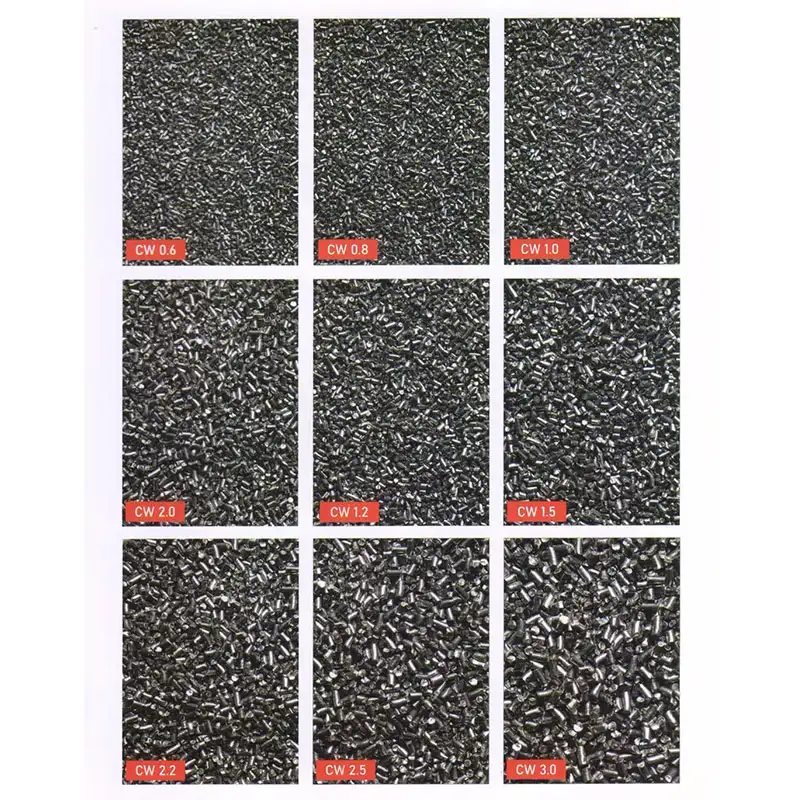
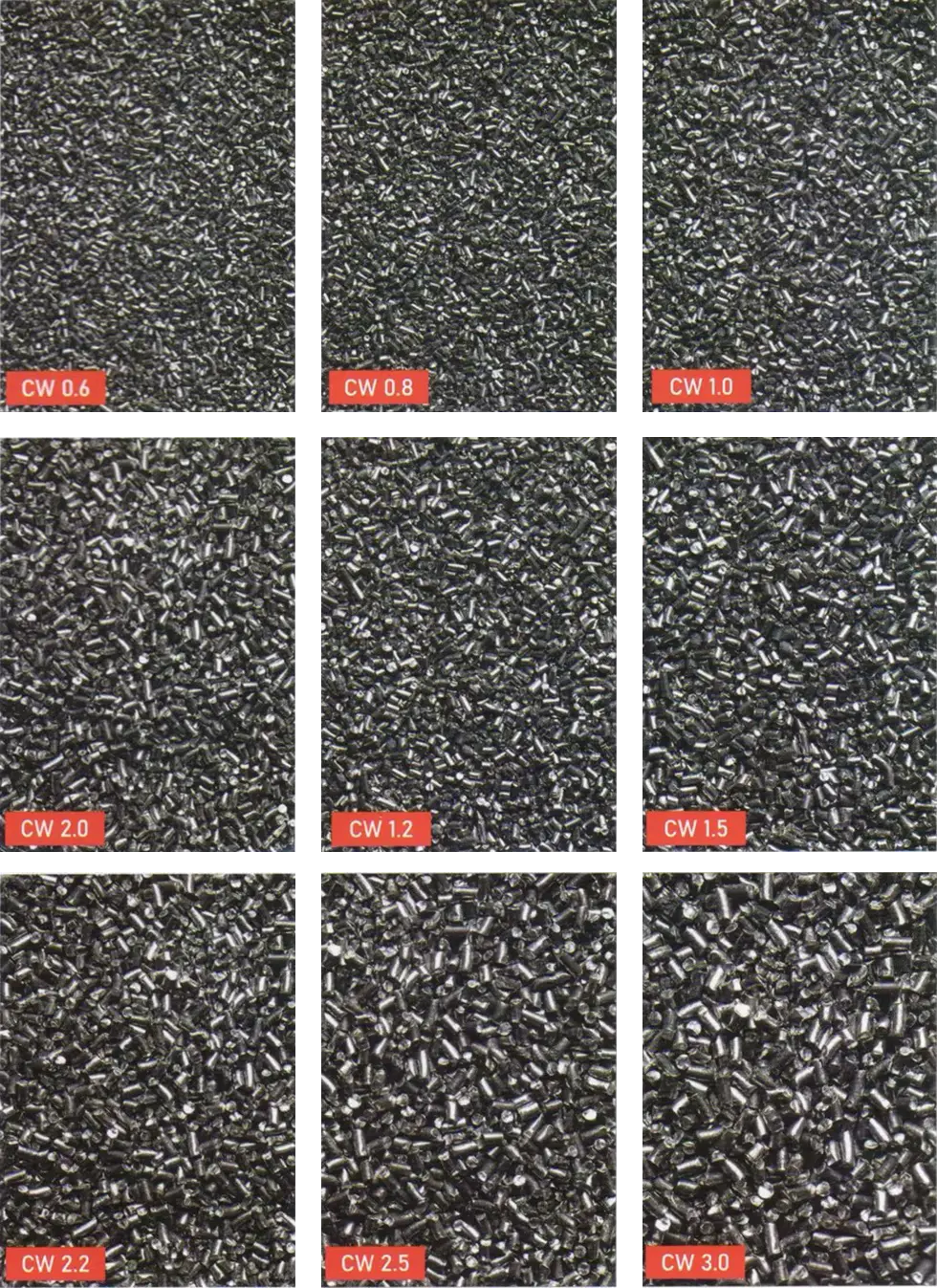
Common size references are shown below. Shandong Haishan offers a full size range from 0.2mm to 3.0mm. We can match your existing abrasive specification based on a sample analysis.
| Nominal Diameter | Common Size Designation | Typical Application |
| 1.40mm | S280 | Heavy stainless steel plate cleaning, casting sand removal |
| 1.00mm | S230 | General purpose blasting, balanced efficiency and roughness |
| 0.85mm | S170 | Thin sheet finishing, finer surface requirements |
| 0.60mm | S110 | Precision components, medical device finishing |
Note: Different equipment manufacturers may use different sieve numbering systems. We recommend sending a sample of your current abrasive for sieve analysis before the first order, so we can precisely recommend the equivalent specification.
Purchase Inspection Recommendations
When receiving stainless steel wire cut shot, the following checks are recommended to verify quality:
- Particle size concentration: Take a 500g sample and sieve for 5 minutes using the appropriate standard sieve set. The retained weight on the main sieve should be at least 80%.
- Hardness quick check: Mount 20 randomly selected particles in resin, and measure hardness at 5 points using a micro‑Vickers hardness tester. The average value should fall within the nominal range ±30 HV.
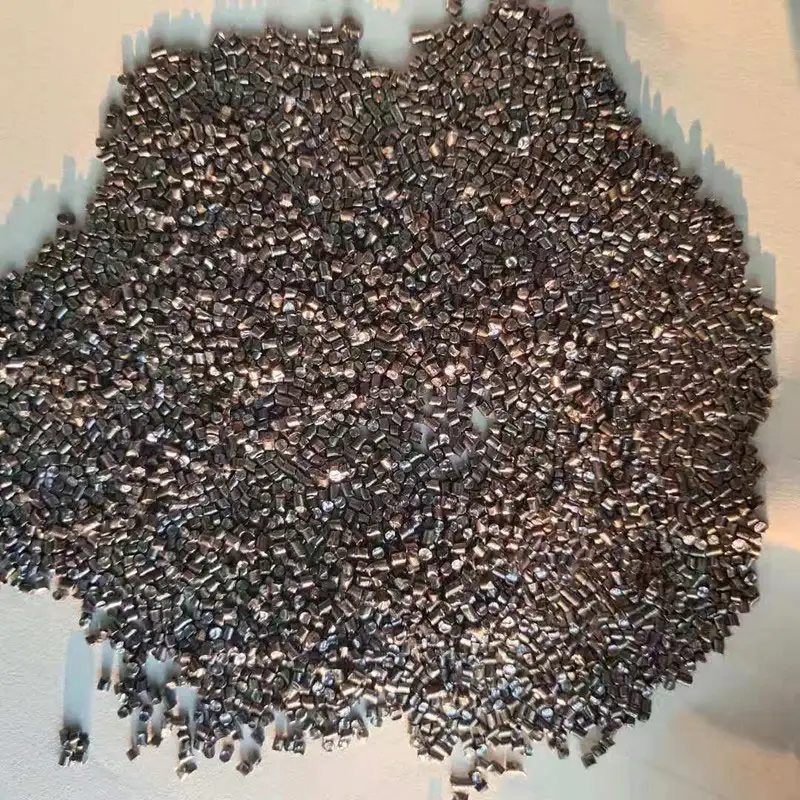
- Visual inspection: Spread the sample on white paper and check for excessive elongated or irregular particles, discoloration, or magnetic contamination.
- Request batch test reports: A qualified supplier should provide chemical analysis, hardness test, and sieve analysis reports for each batch with the shipment.
Quality Assurance
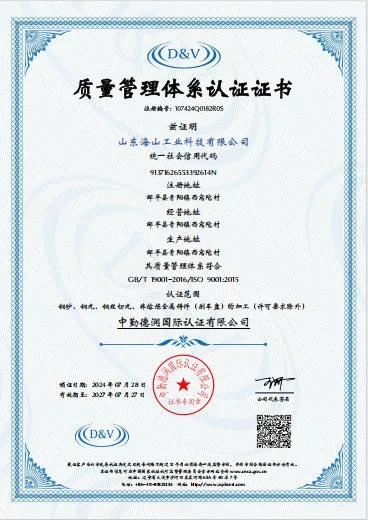
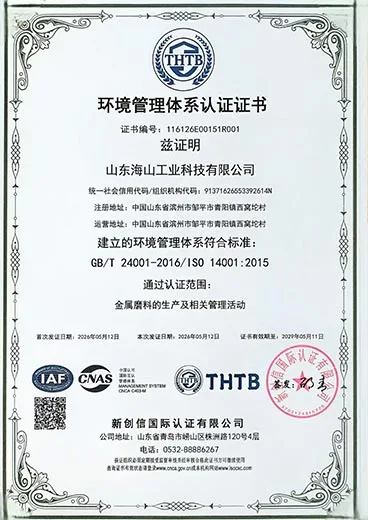
Haishan controls quality through the entire production chain. Our laboratory is equipped with a direct‑reading spectrometer, fatigue life tester, Vickers hardness tester, and metallurgical microscope. Every batch is tested for chemical composition, size distribution, and hardness before shipping. The company holds ISO 9001:2015, ISO 14001, and ISO 45001 certifications. Product characteristics are evaluated with reference to SAE J444 and relevant DIN standards. Certificates and batch test reports are available upon request. We have supplied to customers in more than 50 countries and maintain complete traceability from raw material to final shipment.
Frequently Asked Questions
We have never used stainless steel wire cut shot before. How can we test it without disrupting production?
Shandong Haishan provides free samples (3‑5kg) for on‑machine testing. You can compare surface roughness, cleaning efficiency, and dust generation with your current abrasive before making a decision.
Is stainless steel shot the same as stainless steel wire cut shot?
No. Stainless steel shot is typically cast and spherical, while stainless steel wire cut shot is cut from wire and has a cylindrical shape with rounded edges. Cut wire shot is generally better for cleaning and deburring, while cast shot is often preferred for peening and surface finishing. We manufacture both types and can recommend the right product based on your process goals.
Do we need to adjust equipment parameters after switching to stainless steel wire cut shot?
In most cases, only minor adjustments are needed. Because stainless steel has a slightly lower density than carbon steel, a small reduction in projection speed (5‑10%) may help achieve the desired surface finish. Our technical team can provide guidance during the trial period.
How many cycles can stainless steel wire cut shot be recycled?
The actual recycling life depends on the equipment, blast pressure, and workpiece hardness. Based on internal testing and customer feedback, stainless steel wire cut shot typically lasts significantly longer than carbon steel cut wire shot in similar conditions. We recommend monitoring the particle size distribution over time and refilling when the main sieve retention drops below 80%.
What is the process from sample testing to bulk order?
We recommend the following steps: free sample testing → process result confirmation → small initial order (500kg‑1 ton) for validation → framework agreement for bulk supply. We support flexible supply and do not require commitment to large orders during the validation phase.
Can stainless steel wire cut shot be used on aluminum parts?
Yes, it is widely used on aluminum and other non‑ferrous metals because it does not cause rust staining. The moderate hardness and rounded edges help avoid surface damage on soft metals. For best results, passivated edges are recommended.
Related Category
Send Inquiry
Contact Info
-
Address
Qingyang Economic Development Zone, Zouping County, Shandong Province, China
-
Tel
-
Email
Send an inquiry to Haishan for quality steel shot, steel grit, cut wire shot and counterweight sand. Get factory direct wholesale price, free quotation and OEM customized solutions.
News Recommendations