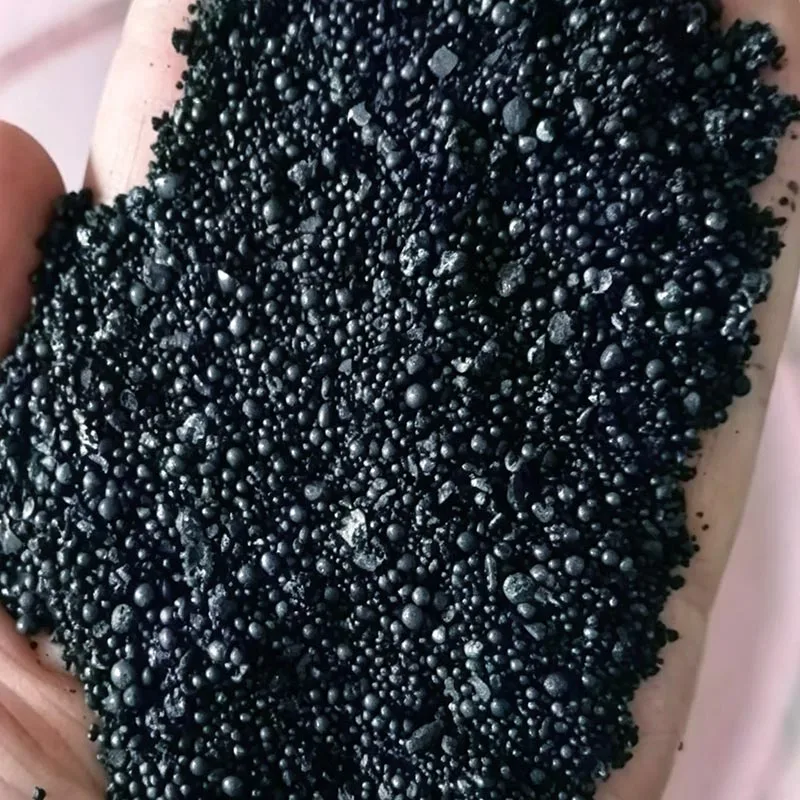
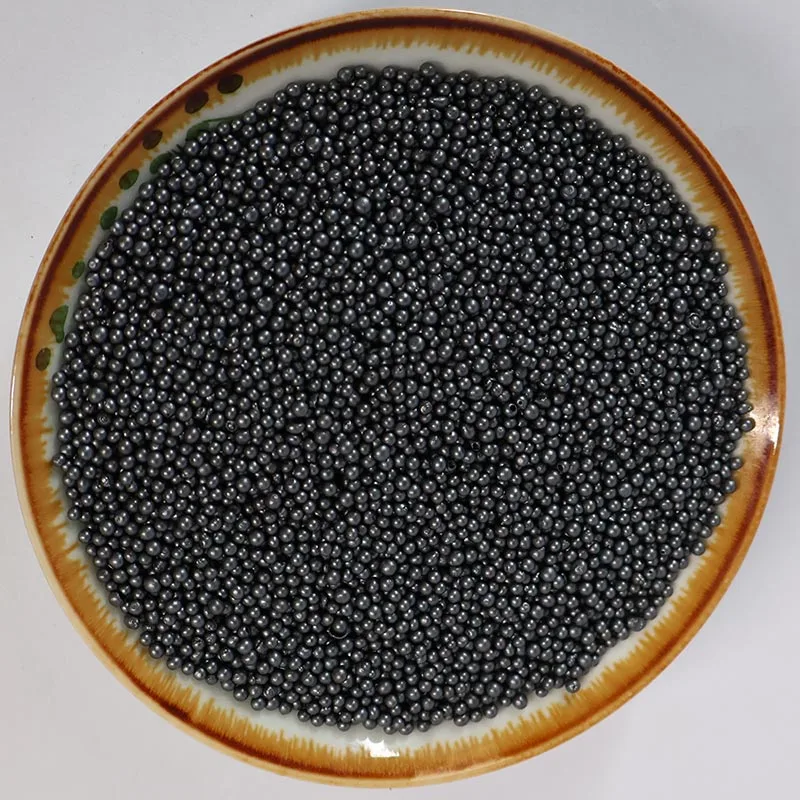
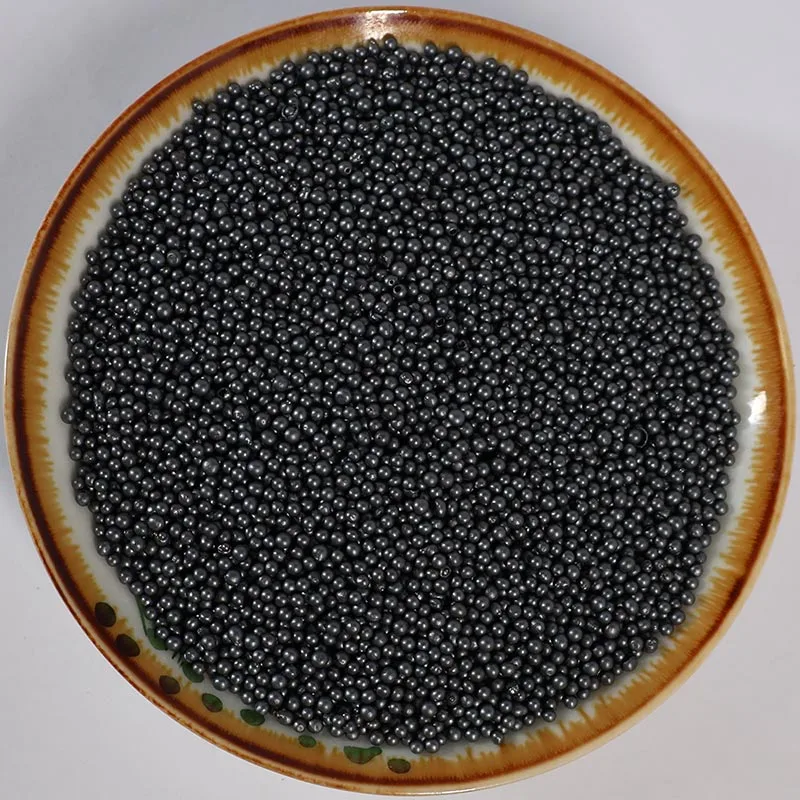
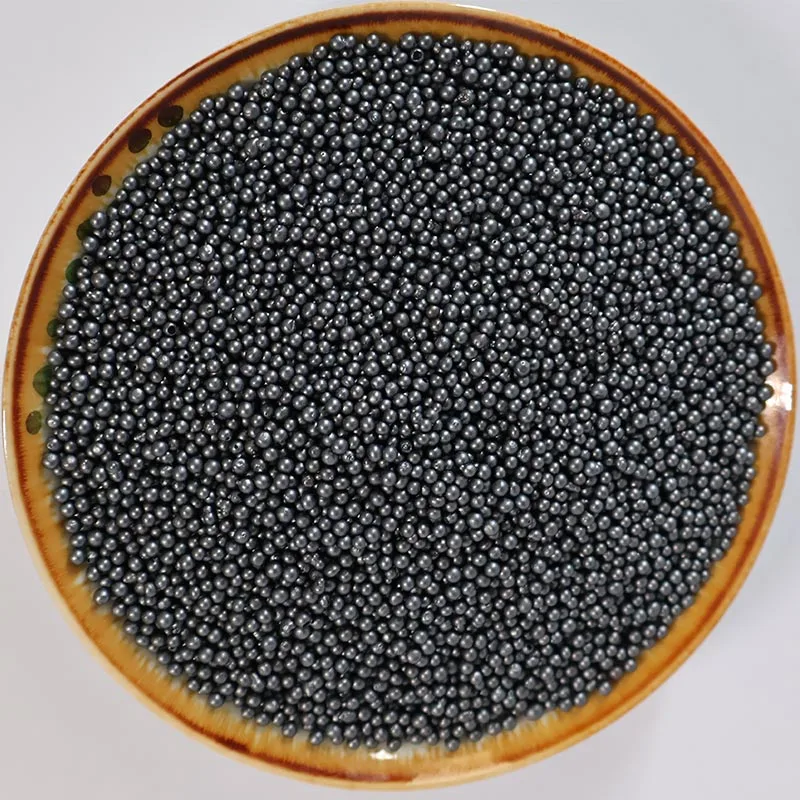
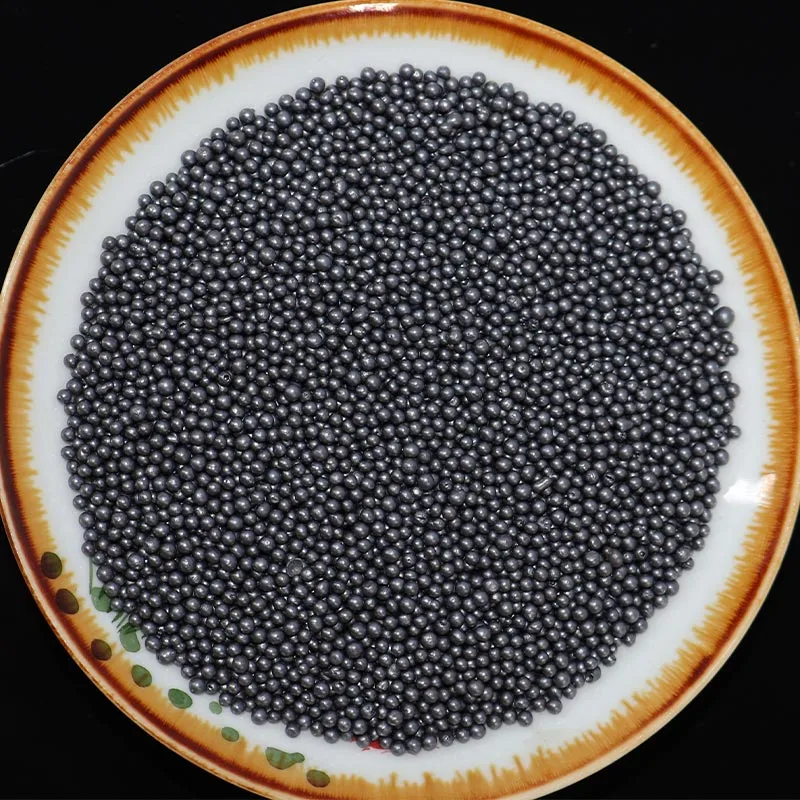
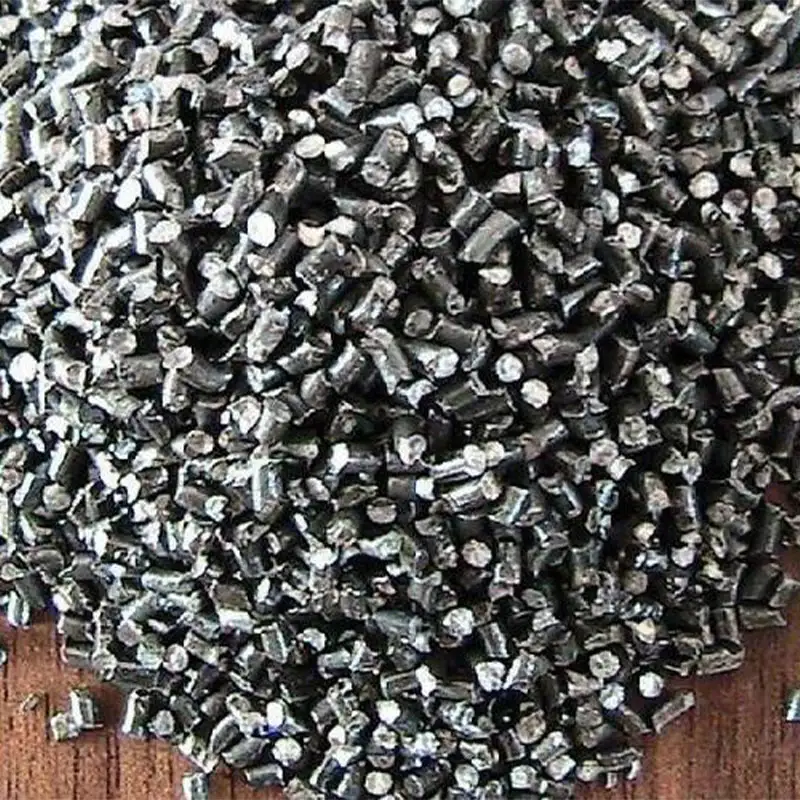
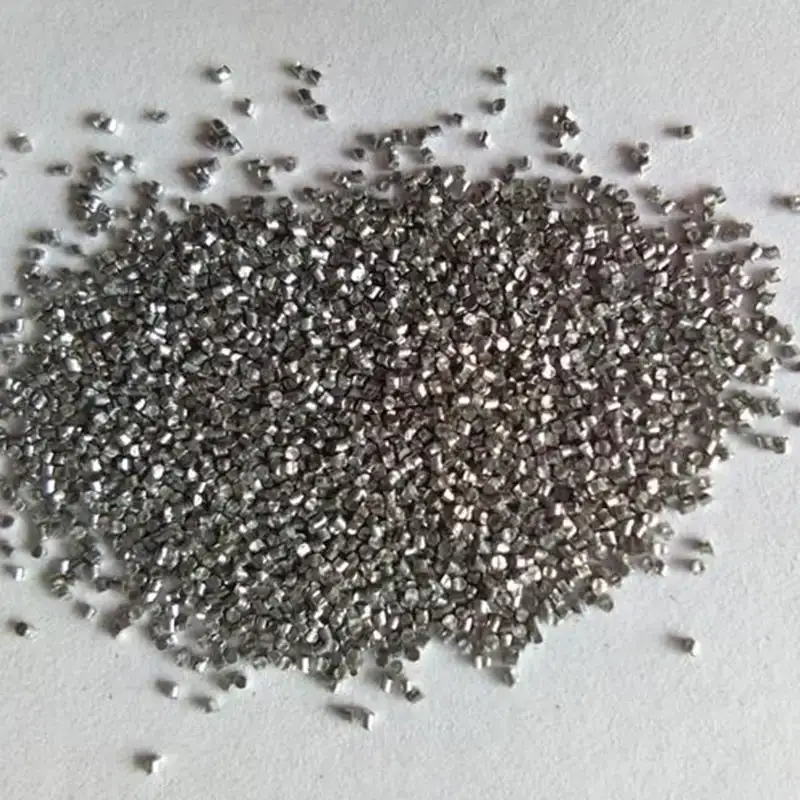
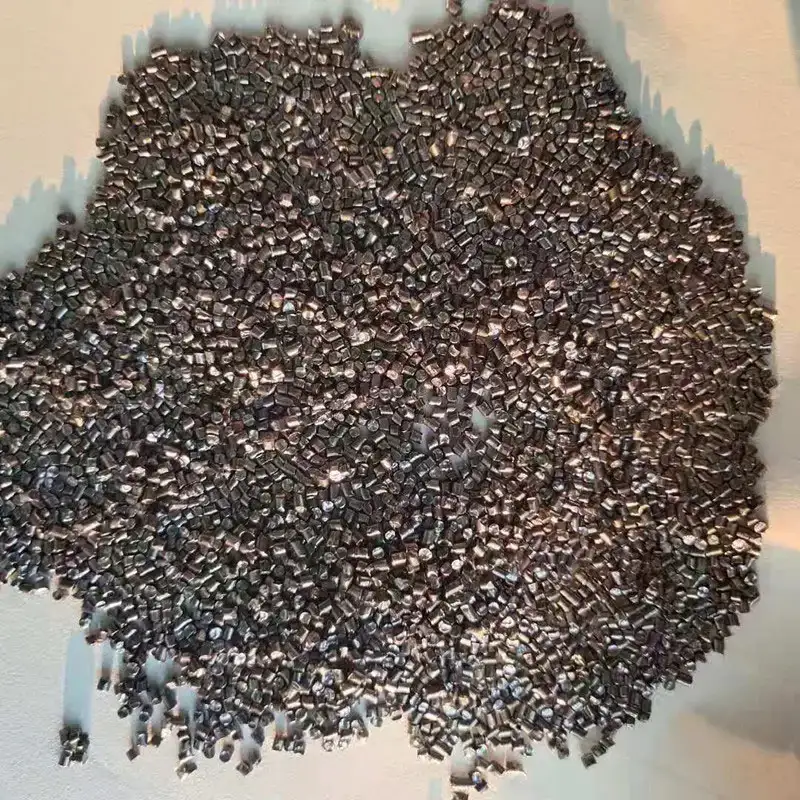
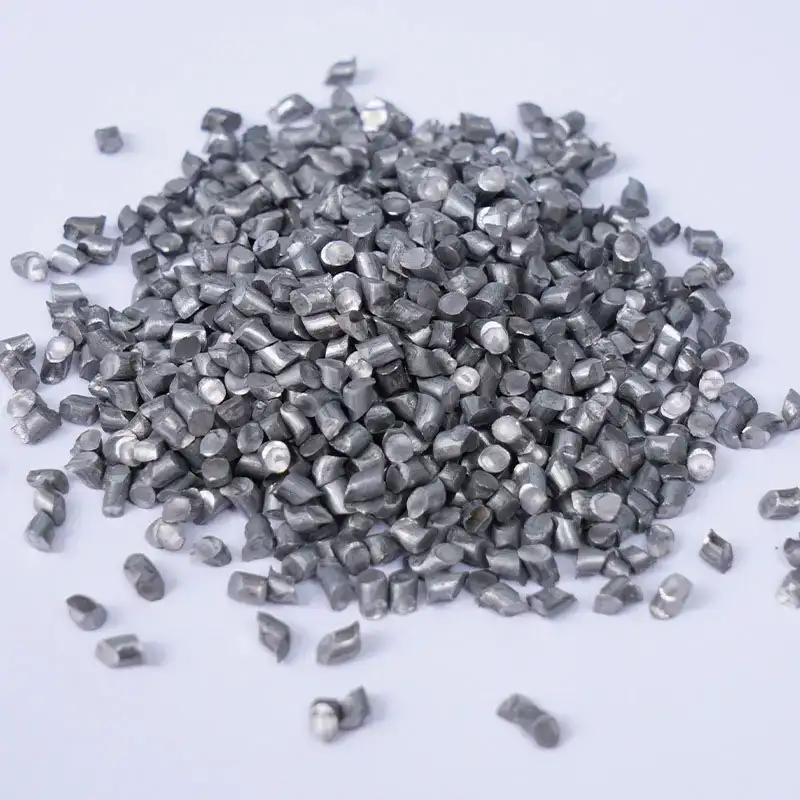
High Manganese Steel Wire Cut Shot
Shandong Haishan Industrial Technology manufactures High Manganese Steel Wire Cut Shot for heavy-duty blasting. Bulk buyers get impact strain hardening (surface >HRC55), ductile core, low dust, custom sizes, and quality reports. Ideal for mining, metallurgy, and military cleaning. Contact the factory for samples and quotes.
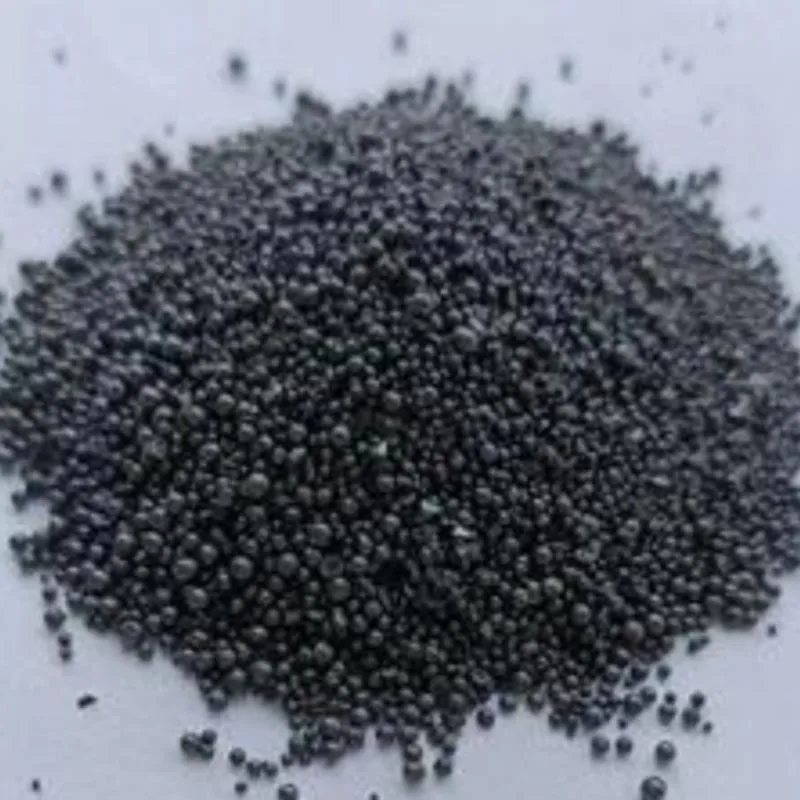
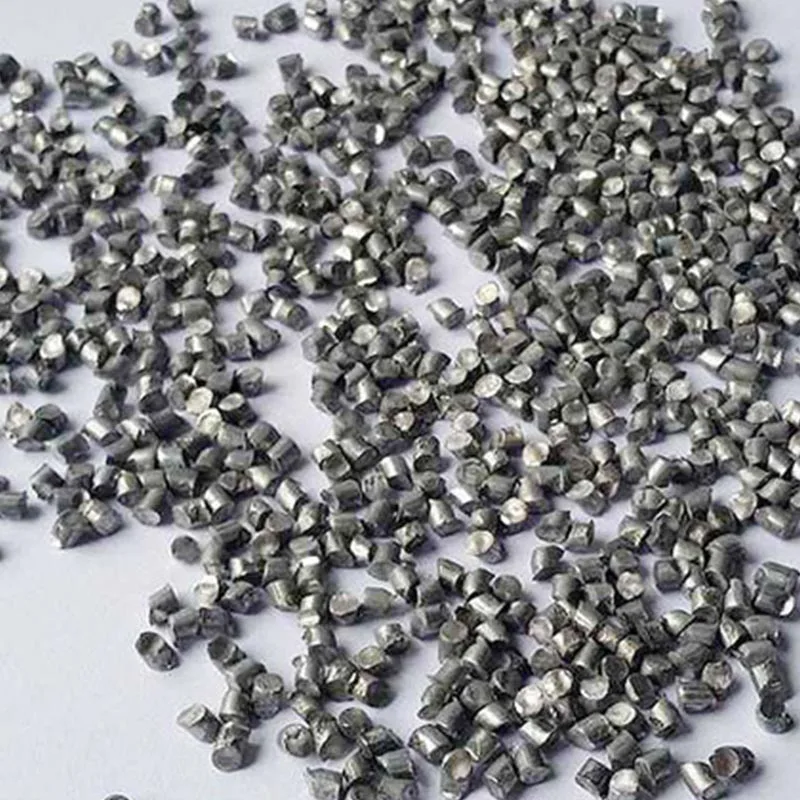
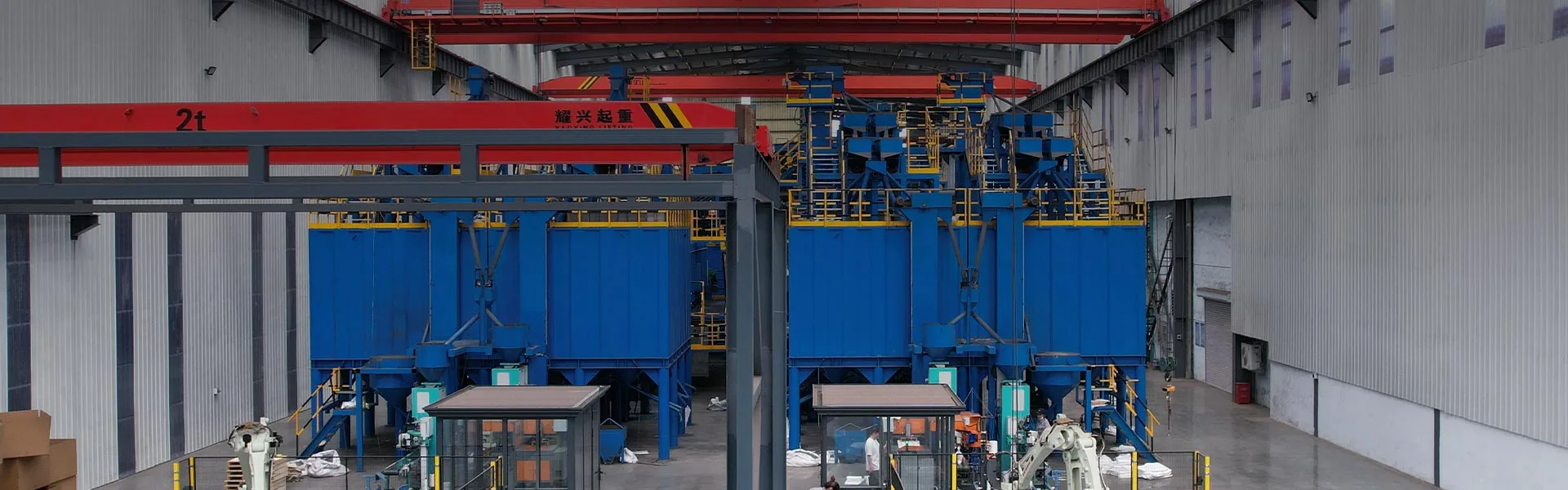
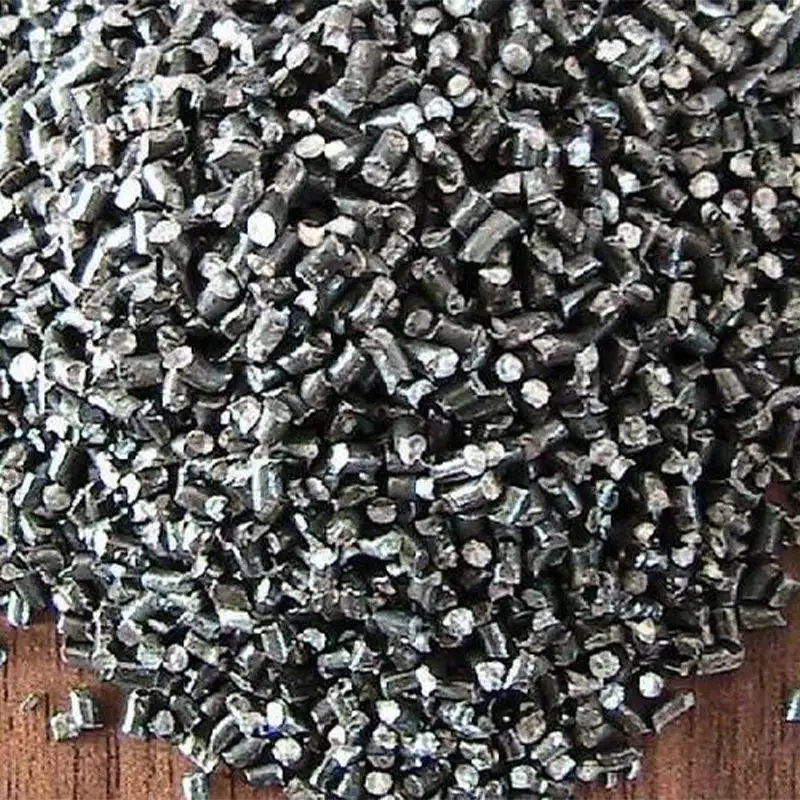
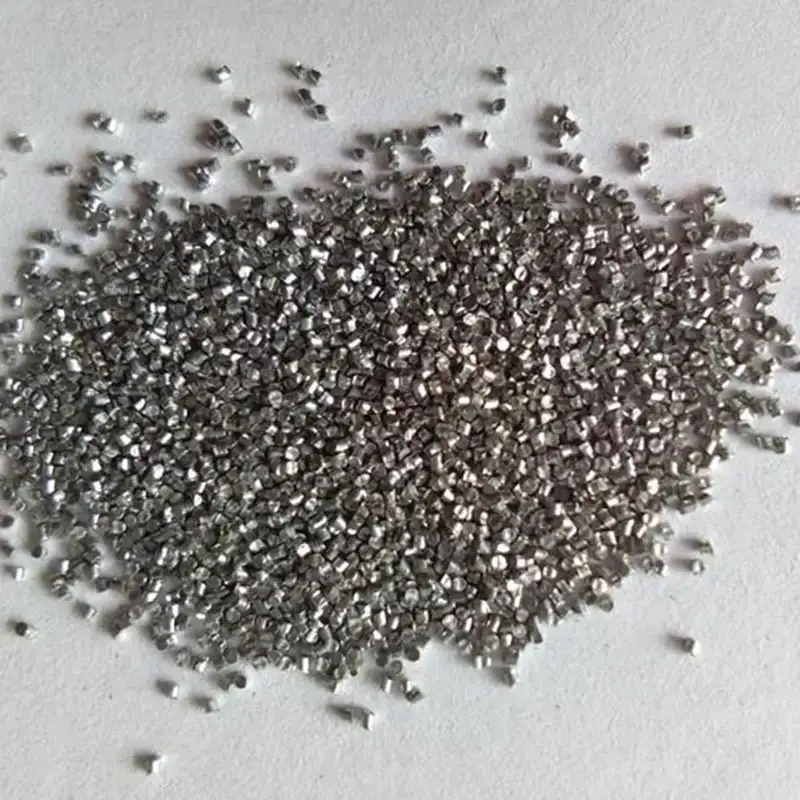
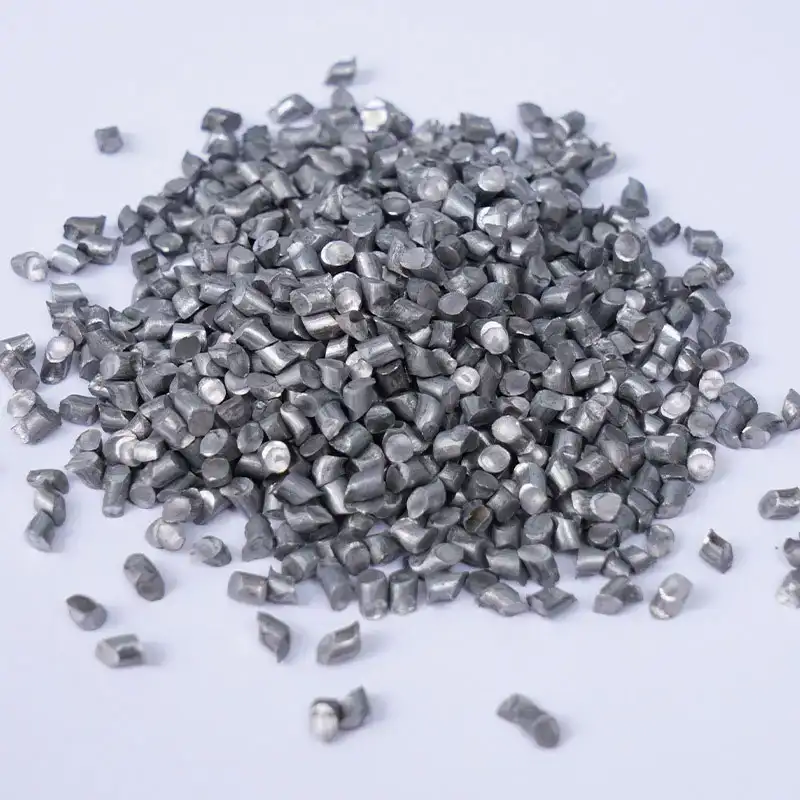
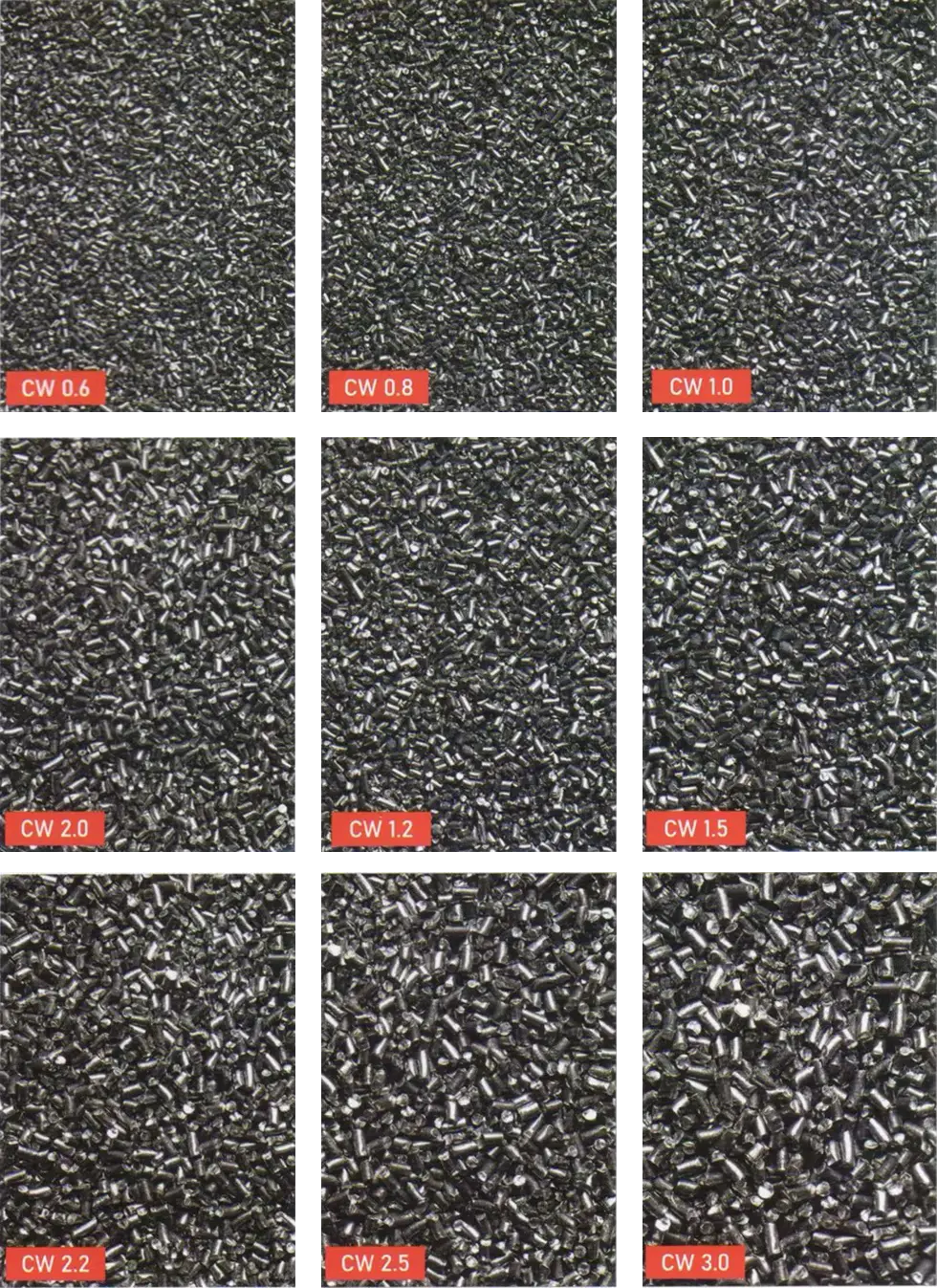
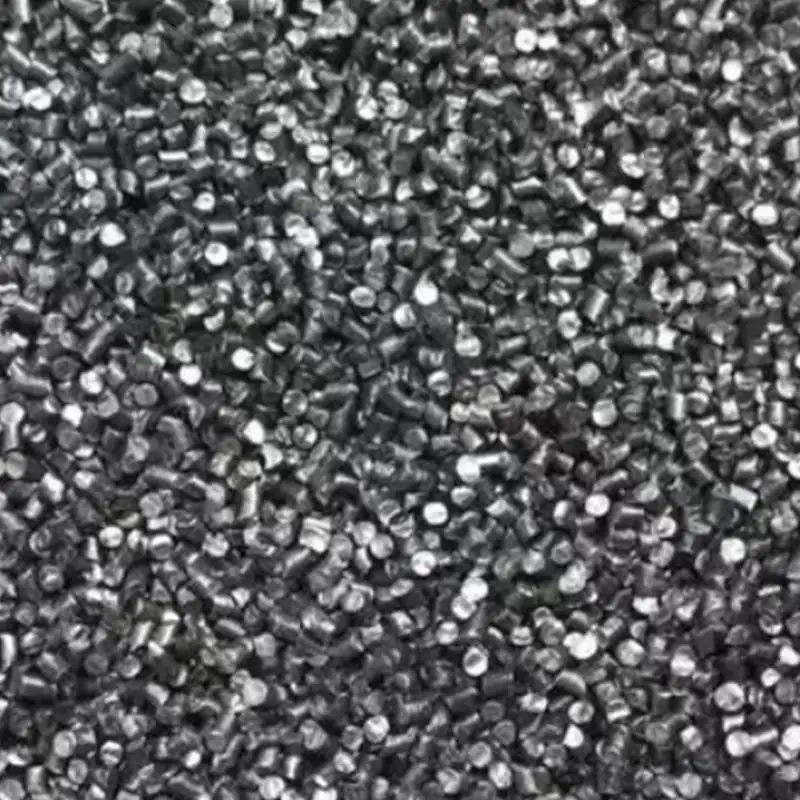
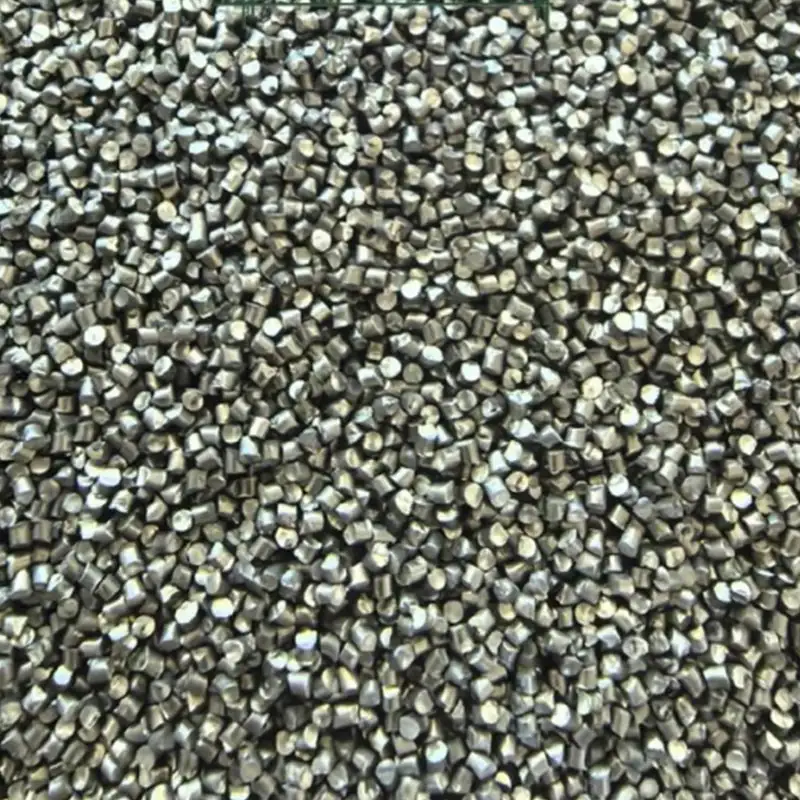
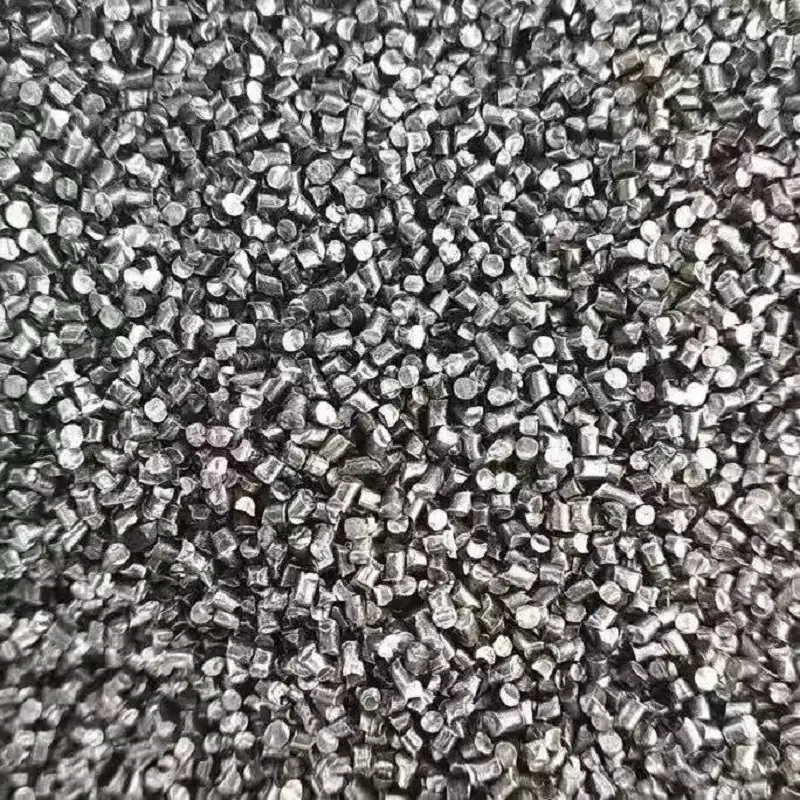
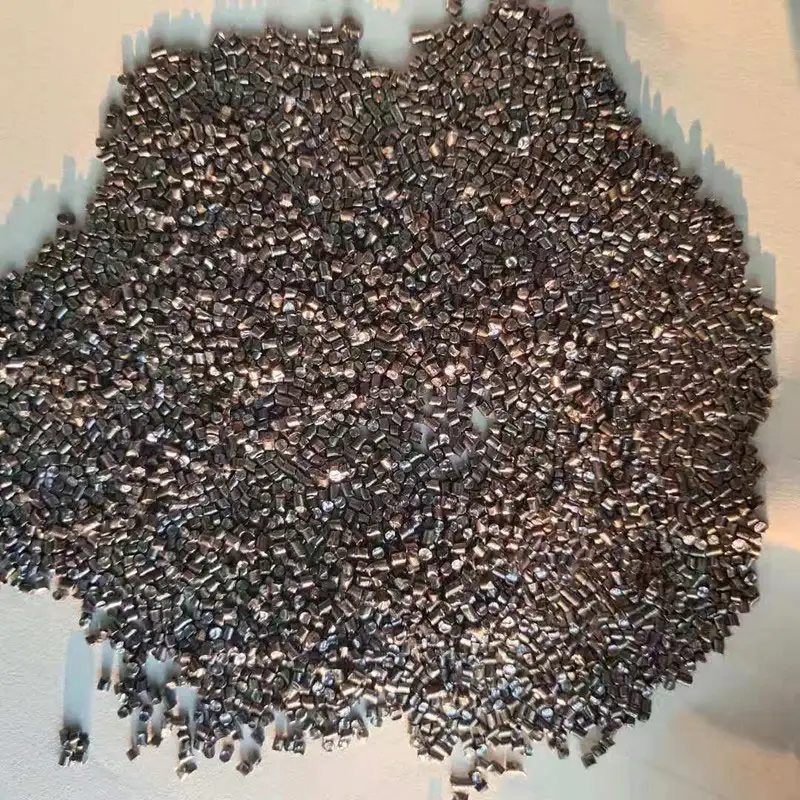
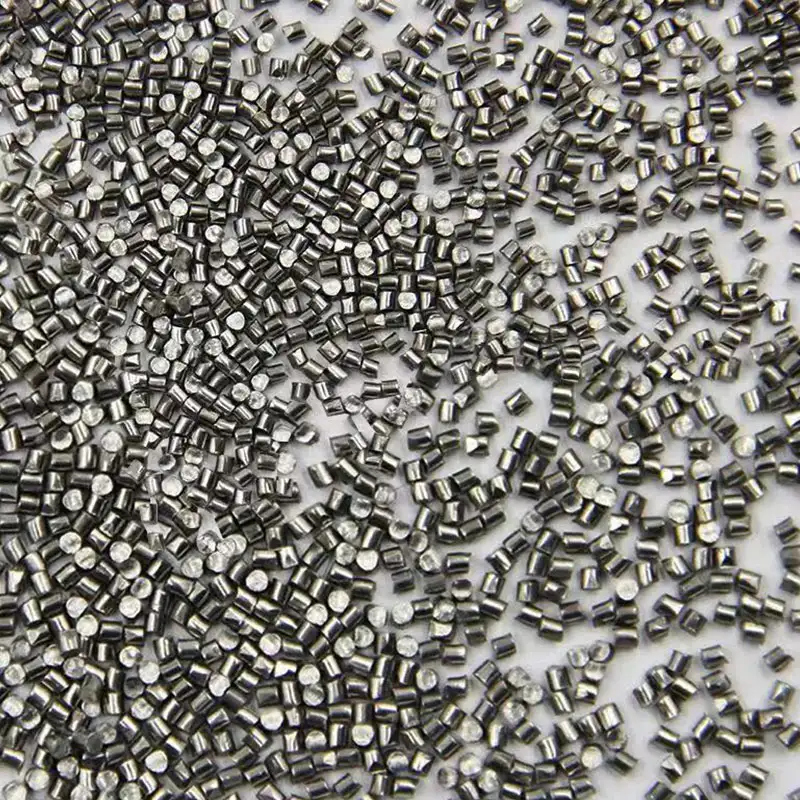
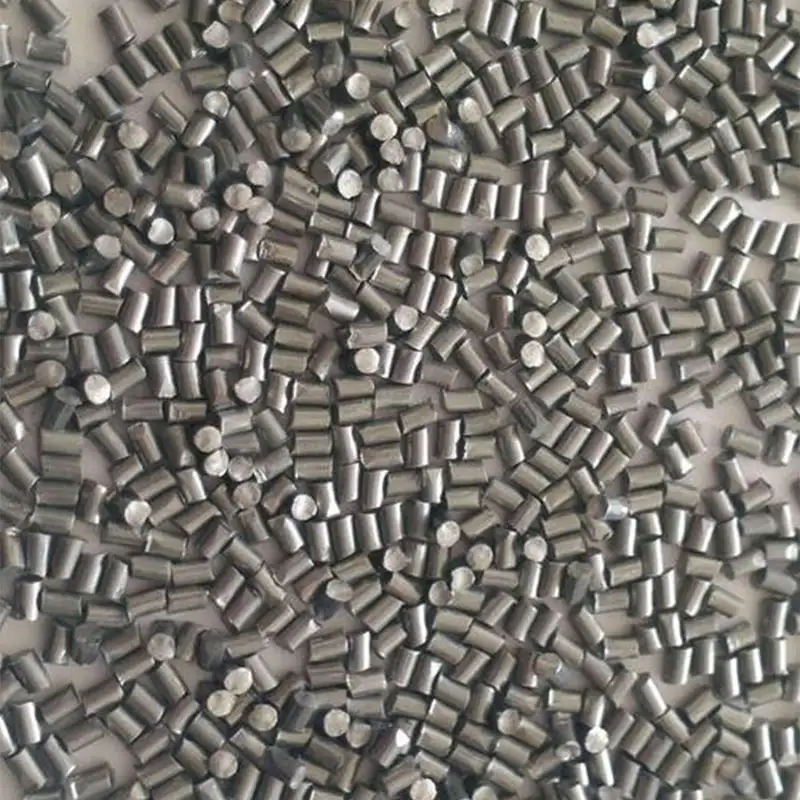
Shandong Haishan Industrial Technology manufactures high manganese steel cut wire shot for heavy duty surface preparation work. This product is intended for applications where standard high carbon steel shot fails prematurely due to impact fracture. The production process includes controlled smelting of high manganese steel wire, precision cutting to length, and heat treatment to achieve a uniform microstructure. The finished shot combines a hard surface layer with a ductile core, making it suitable for mining, metallurgy, and military component cleaning.
Core Advantages
1. Impact Strain Hardening and Reduced Dust Generation
Traditional high carbon steel shot tends to fracture under repeated heavy impact, which leads to high consumption and significant dust generation. High manganese steel cut wire shot behaves differently. During blasting, the surface undergoes strain hardening and reaches a hardness above HRC55, while the core remains tough. This reduces the fracture rate and lowers the amount of fine dust produced. As a result, dust collection systems experience less loading and require less frequent maintenance.
2. Custom Specification and Application Support
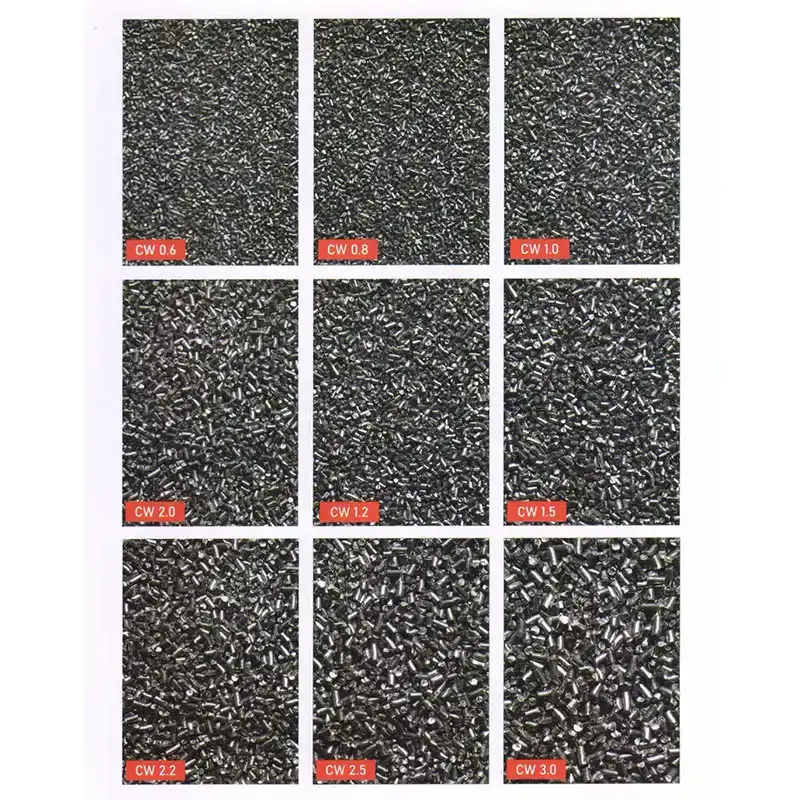
We provide free sample testing and application evaluation for all high manganese steel cut wire shot sizes. Based on your blast machine model, workpiece material, and required surface cleanliness, we recommend the most appropriate shot size and hardness range. This approach helps balance abrasive consumption with cleaning efficiency and avoids over specifying the product for lighter duties.
3. Stock Availability and Quality Documentation
Common sizes of high manganese steel cut wire shot are kept in stock for prompt shipment. Each production batch is tested for chemical composition, hardness, and density. Shipments include material certificates and physical property reports, which allows traceability from raw material to final delivery. This documentation supports incoming inspection and quality assurance procedures at your facility.
4. Core and Surface Properties
The initial hardness of the shot falls within the range of 36 to 52 HRC. Under impact, the surface work hardens to above HRC55. This combination of a hard exterior and a ductile core reduces the likelihood of fracture compared to fully hardened steel shot. In many heavy duty applications, the shot maintains its shape longer and requires less frequent replenishment.
5. Dust Reduction and Environmental Impact
Because high manganese steel cut wire shot resists fracture, fewer fine particles are generated during blasting. This contributes to a cleaner work environment and lowers the maintenance burden on dust collectors. Facilities that must meet airborne particulate limits may find this product easier to manage than conventional high carbon steel shot.
Application Scope
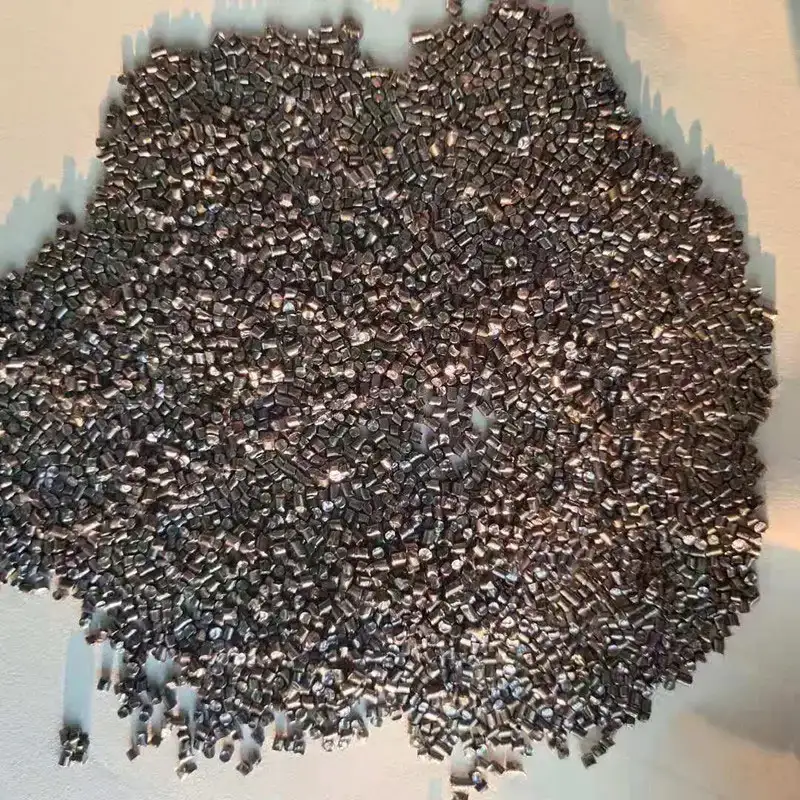
This product is designed for severe service conditions where high impact resistance is required. Typical applications include:
- Shot peening of heavy mining wear parts
- Removal of thick or multi layer welding slag from large steel structures
- Descaling of hot rolled steel billets
- Continuous operation in automated blast systems running 24/7
It is not recommended for light rust removal or small to medium workpieces. For those applications, standard steel shot or grit usually offers a more economical solution.
Scientific Selection Guide
1. Assess Your Blasting Conditions
First determine whether your current abrasive fails mainly by fracture rather than wear. If you observe high consumption, a large amount of broken shot in the blast cabinet, and heavy dust generation, high manganese steel cut wire shot may be worth evaluating.
2. Compare Life Cycle Cost, Not Just Unit Price
The initial purchase price of high manganese steel cut wire shot is often higher than that of standard high carbon steel shot. However, the longer service life and lower dust disposal costs can lead to a lower total cost per square meter cleaned. We recommend calculating abrasive consumption per ton of workpieces processed, not just price per kilogram.
3. Request Metallographic and Hardness Data
Ask suppliers for test reports that show microstructure and hardness before and after work hardening. A desirable product has a ductile core with a surface that hardens under impact. Avoid products that are fully hardened throughout, as they tend to fracture more easily in high impact conditions.
4. Verify Manufacturer Capabilities
Select a supplier with in house testing and the ability to maintain consistent chemistry and hardness from batch to batch. Free sample testing and application advice are indicators of technical competence. A manufacturer that performs its own fatigue life testing can provide more reliable quality control.
Frequently Asked Questions
Q1: What is the main difference between high manganese steel cut wire shot and ordinary high carbon steel cut wire shot?
A: The key difference is impact resistance. Ordinary high carbon cut wire shot is brittle and tends to fracture under heavy impact, which leads to high consumption and dust. High manganese steel cut wire shot has a ductile core and undergoes surface work hardening during blasting. Its surface hardness increases above HRC55, while the core remains tough. This reduces the fracture rate and extends the replenishment interval.
Q2: In which industrial applications is this product most effective?
A: The product is intended for heavy duty, high impact operations. Common uses include shot peening of mining wear parts, removal of thick welding slag from large steel structures, descaling of hot rolled billets, and continuous automated blast lines. It is not recommended for light rust removal or small workpieces, where a lower cost abrasive would be sufficient.
Q3: Does this product help reduce dust in the workshop?
A: Yes. Because the shot resists fracture, it generates fewer fine particles during blasting. This helps keep the work environment cleaner and reduces the load on dust collection filters. Lower dust generation also reduces the frequency of filter replacement and the cost of waste disposal.
Q4: Can you supply custom sizes or special specifications?
A: Yes. We provide custom sizing and can adjust the chemical composition within the high manganese range to match specific requirements. Our engineers can review your blast machine parameters and workpiece materials, then recommend a suitable specification. Free samples are available for testing.
Q5: How can I obtain pricing and quality inspection reports?
A: Contact us through the inquiry form on this page. We will provide current pricing for in stock sizes and can send material certificates and physical property reports for review. We also offer pre shipment samples for customer approval if required.
Q6: What is the typical hardness of this product before and after use?
A: The initial hardness is 36 to 52 HRC, depending on the specification. During blasting, the surface work hardens to above HRC55. The core remains softer and tougher, which prevents the shot from shattering under repeated impact.
Chemical Composition of Steel Cut Wire Shot
| Element | C | Si | Mn | S | P |
| Content (%) | 0.45-0.75 | 0.10-0.30 | 0.40-1.20 | <0.04 | <0.04 |
Technical Index of Steel Cut Wire Shot
| Initial Hardness (HRC) | Tensile Strength (MPa) | Metallographic Structure | Density (g/cm³) | Bulk Density (g/cm³) |
| 36 - 52 | 1660 - 2200 | Deformation pearlite | 7.8 | 4.4 |
Note: Surface hardness after impact work hardening typically exceeds HRC55. The core remains ductile to resist fracture.
Related Category
Send Inquiry
Contact Info
-
Address
Qingyang Economic Development Zone, Zouping County, Shandong Province, China
-
Tel
-
Email
Send an inquiry to Haishan for quality steel shot, steel grit, cut wire shot and counterweight sand. Get factory direct wholesale price, free quotation and OEM customized solutions.
News Recommendations