How Can Haishan Elevator Counterweight Sand Improve Weight Accuracy, Noise Control, and Production Efficiency
Choosing the right counterweight filling material is essential for elevator manufacturers seeking consistent weight distribution, dependable concrete bonding, and quieter operation. Haishan, officially Shandong Haishan Industrial Technology Co., Ltd., supplies Elevator Counterweight Sand, a high-density iron-based granular material developed for indoor elevator counterweight casting. With rounded particles, magnetic impurity removal, and batch-level quality records, Haishan provides a specialized material solution for passenger elevators, freight elevators, sightseeing elevators, and residential lift systems.
Elevator counterweight sand is a specialized filling material used to increase the mass of concrete counterweight blocks while supporting consistent production quality. Its bulk density, particle shape, magnetic purity, moisture behavior, and compatibility with cement all influence its suitability for elevator manufacturing. This article explains how Haishan Elevator Counterweight Sand works, which technical parameters buyers should evaluate, how to select packaging and quality documentation, and what manufacturers should consider before placing a bulk order.
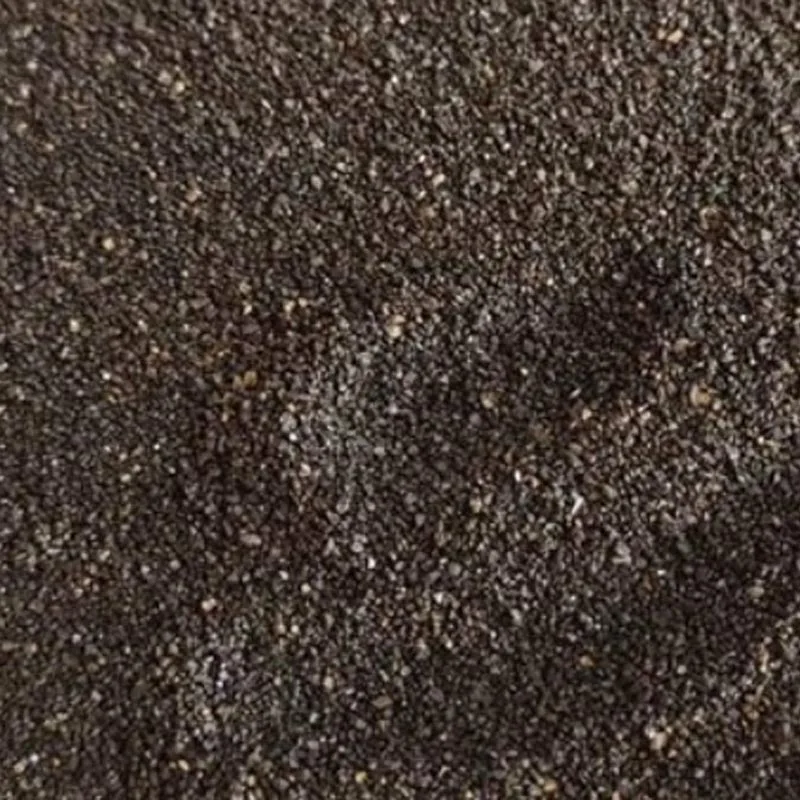
Table of Contents
1. What Is Elevator Counterweight Sand?
2. Why Does Counterweight Material Quality Matter?
3. What Are the Key Specifications of Haishan Counterweight Sand?
4. How Does Haishan Support Reliable Counterweight Production?
5. Which Elevator Applications Can Use Counterweight Sand?
6. How Does Counterweight Sand Compare with Other Filling Materials?
7. What Quality Checks Should Buyers Request?
8. How Can Buyers Select the Right Product and Packaging?
10. Conclusion: Choosing Haishan Counterweight Sand
What Is Elevator Counterweight Sand?
Elevator counterweight sand is a dense granular material incorporated into concrete counterweight blocks to achieve the required mass within a defined space. In traction elevator systems, the counterweight helps balance the elevator car and part of its rated load, reducing the imbalance that the drive system must overcome during operation.
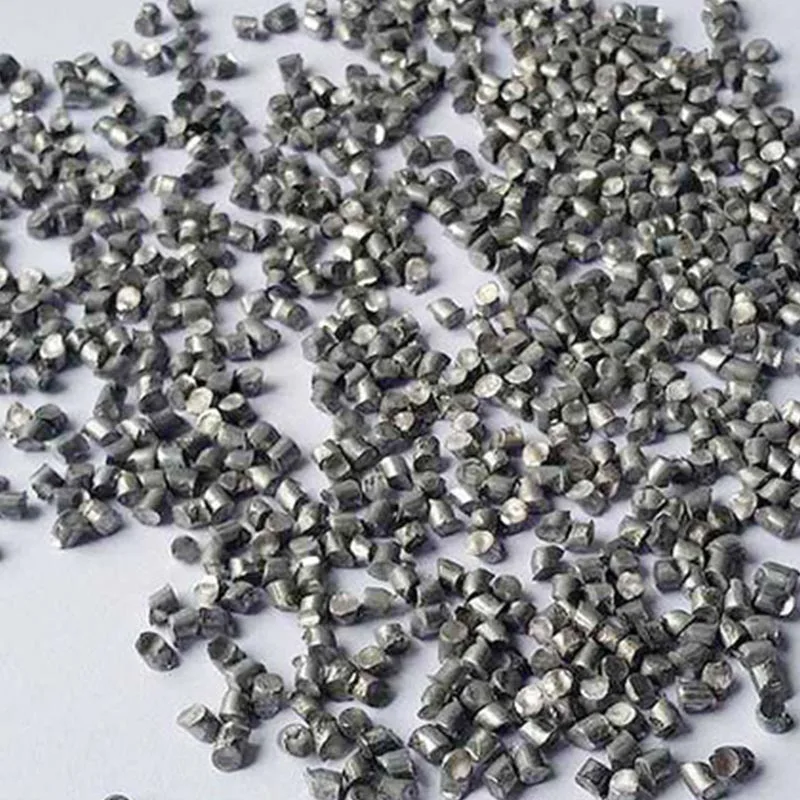
Conventional mineral sand may not provide the density needed for compact counterweight designs. Specialized iron-based filling materials can help manufacturers achieve greater mass within a limited mold volume, depending on the product's verified density and the final concrete mix design.
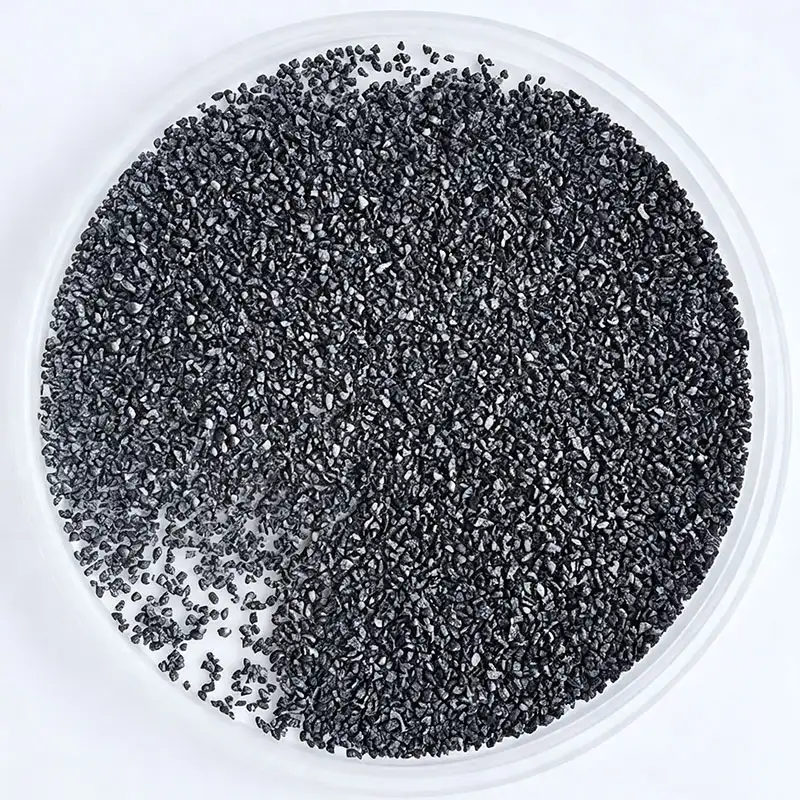
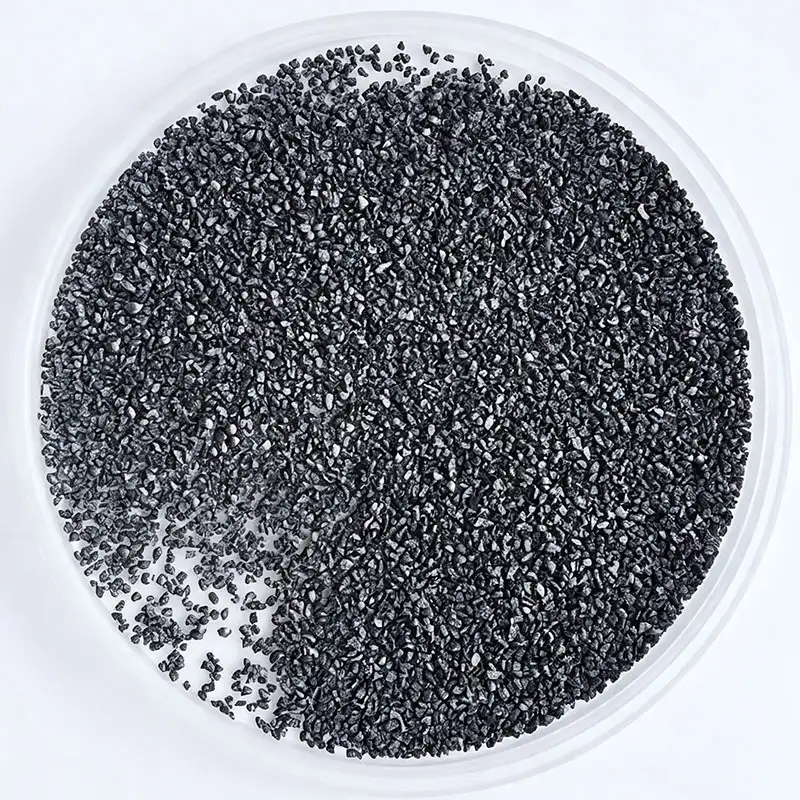
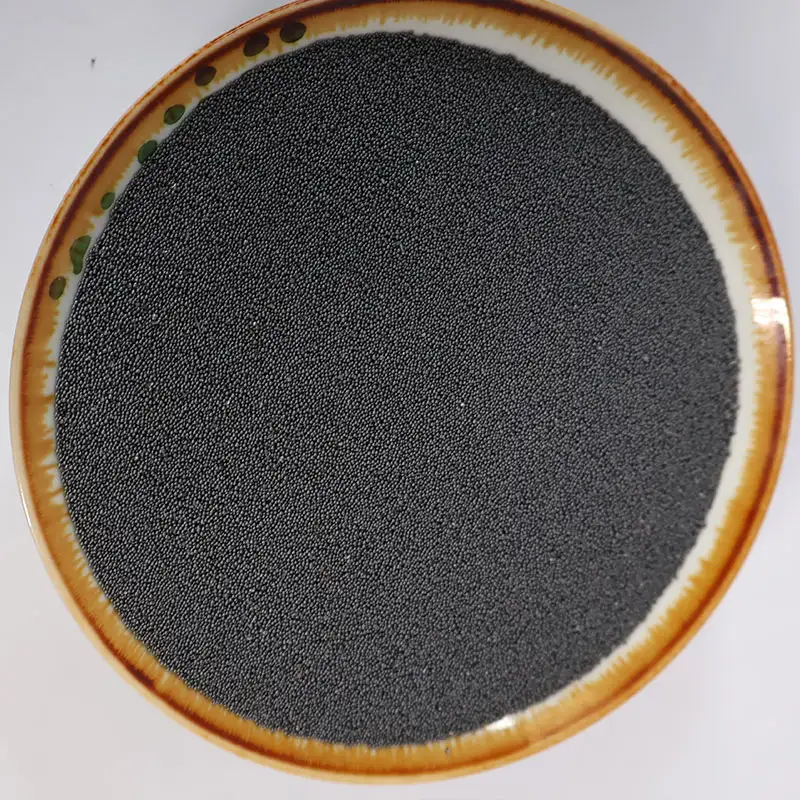
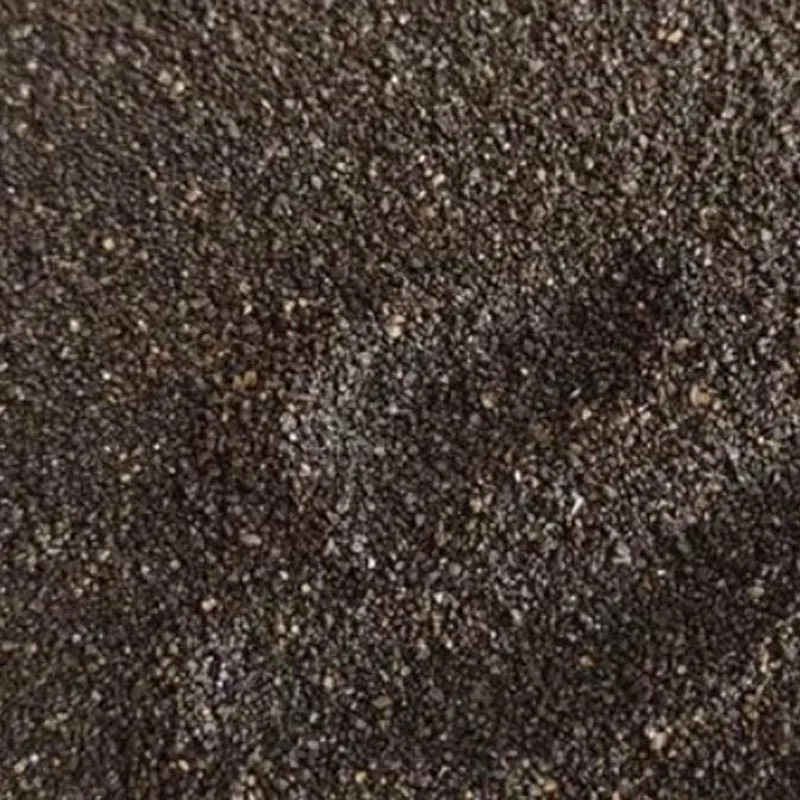
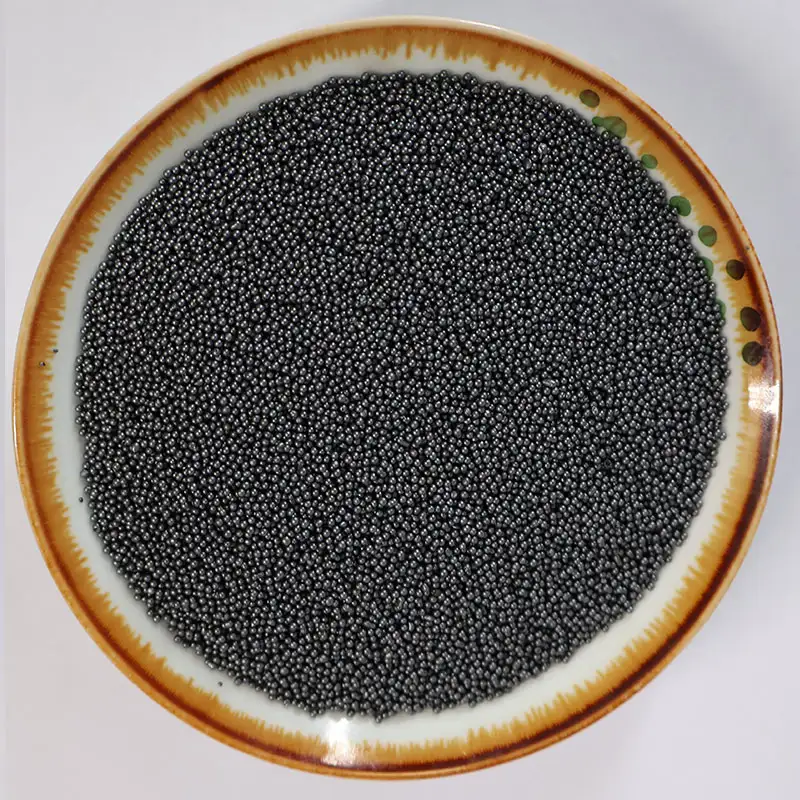
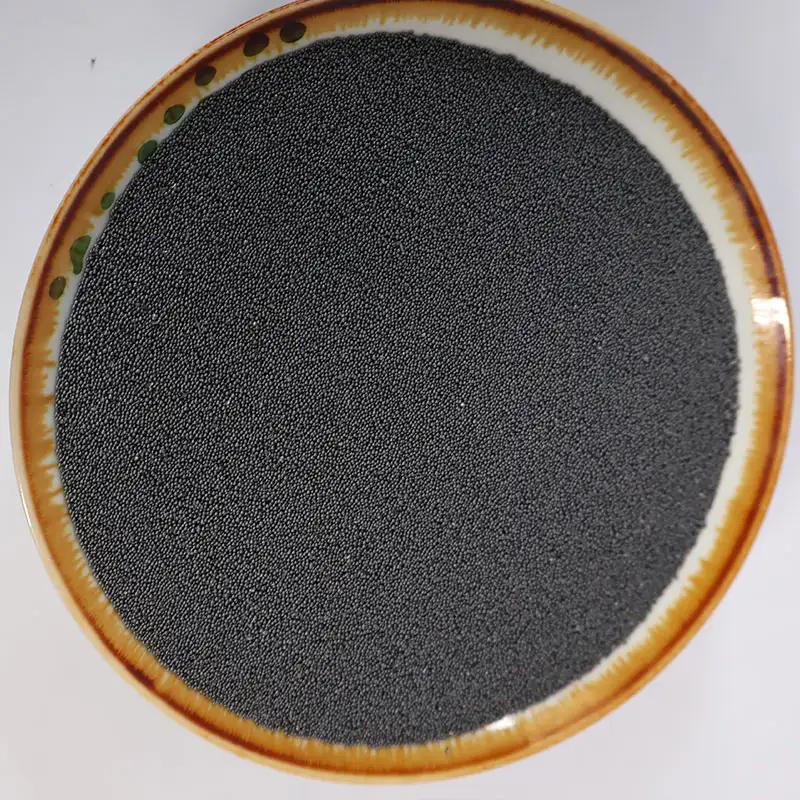
Haishan Elevator Counterweight Sand is manufactured from iron-based particles that are rounded and processed through magnetic purification. It is intended for wet mixing with concrete and subsequent casting, rather than dry filling.
For manufacturers, the objective is not simply to add weight. The filling material must also work with the selected cement, move consistently through production equipment, and support repeatable finished-block quality. These factors make material selection an important part of counterweight manufacturing.
Why Does Counterweight Material Quality Matter?
Counterweight performance depends on the complete assembly, including the frame, concrete matrix, filling material, dimensions, and specified mass. Variations in any of these elements can affect manufacturing consistency and the final product's suitability for its intended elevator system.
1. Consistent weight distribution
Reliable bulk density helps manufacturers estimate the quantity of filling material required for a particular mold and mix design. Consistent incoming material can simplify batching and reduce avoidable variation between production lots. Final counterweight mass must still be verified using the approved manufacturing process.
2. Controlled particle movement and noise
Angular particles may generate more friction as they move against one another during handling. Rounded particles can improve flow and reduce scraping associated with particle movement, helping manufacturers manage one potential source of unwanted noise. Actual elevator noise also depends on guides, bearings, installation quality, vibration, and other mechanical factors.
3. Compatibility with cement
Counterweight sand intended for concrete casting must be evaluated as part of the complete mix. Particle characteristics, cement type, water content, mixing procedure, and curing conditions influence the finished block. A trial batch is therefore advisable before introducing a new material into regular production.
4. Cleanliness and electronic compatibility
Elevator systems contain sensors, controllers, and other electronic components. Removing magnetic residue from the filling material helps reduce the risk associated with unwanted magnetic particles. However, magnetic purity alone does not guarantee electromagnetic compatibility of the complete elevator system, which must be assessed separately.
What Are the Key Specifications of Haishan Counterweight Sand?
Technical specifications allow purchasing teams and production engineers to evaluate whether a filling material fits their design requirements. According to Haishan's product information, the following parameters describe its Elevator Counterweight Sand.
| Parameter | Published Specification | Why It Matters |
|---|---|---|
| Bulk density | 7.0 g/cm³ ± 0.1 g/cm³ | Supports material quantity calculations and batch consistency checks. |
| Particle shape | Rounded, without sharp edges | Supports smoother handling and reduced particle-to-particle scraping. |
| Magnetic impurities | Removed through multiple magnetic separation stages | Helps control magnetic residue in the filling material. |
| Moisture behavior | Low moisture absorption; designed to resist caking | Helps maintain handling consistency during suitable indoor storage. |
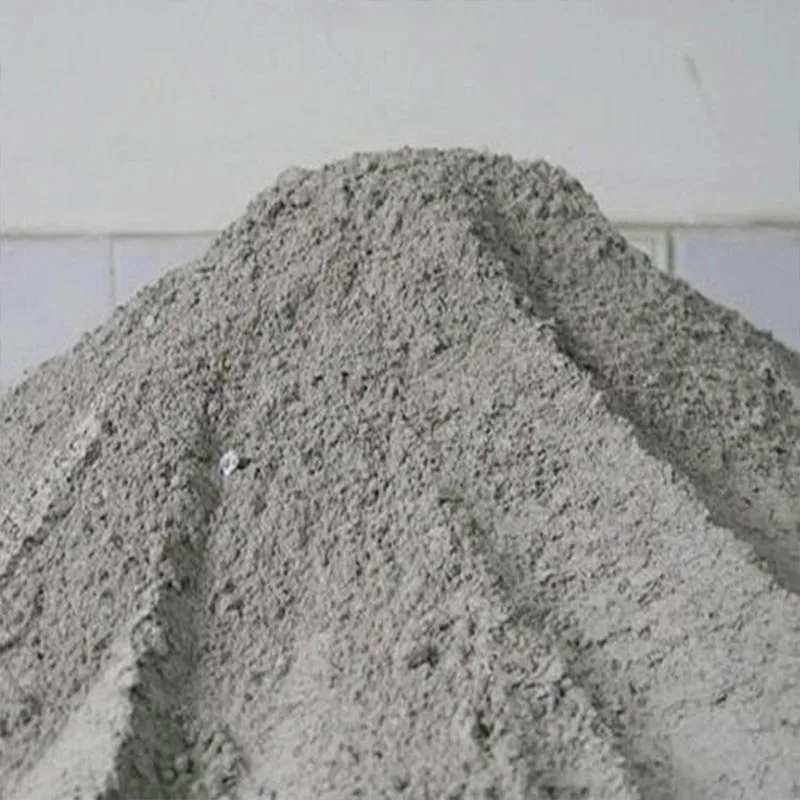
| Cement compatibility | Designed for Portland cement counterweight casting | Supports integration into an appropriate concrete mix design. |
| Recommended process | Wet mixing and pouring only | Defines the intended production method. |
| Standard packaging | 25 kg woven bags or 1-ton FIBC bags | Accommodates different material-handling and purchasing requirements. |
These specifications provide a starting point for supplier evaluation. Buyers should confirm the current technical data sheet, applicable test methods, and batch certificate before purchase. The stated bulk density should also be distinguished from the density of the final cured concrete counterweight, which depends on the entire formulation.
For additional details, consult the official Haishan Elevator Counterweight Sand product page.
How Does Haishan Support Reliable Counterweight Production?
Several material characteristics can help manufacturers establish a more controlled counterweight casting process.
High-density iron-based particles
Haishan specifies a bulk density of 7.0 g/cm³ with a tolerance of ±0.1 g/cm³. This published value gives engineers a reference for material planning, although the actual quantity needed must be calculated using the verified density measurement method, mold volume, cement content, and target finished mass.
Rounded particle geometry
Rounded particles can flow more readily through suitable feeding equipment and reduce friction during handling. This characteristic may be valuable in production environments where repeatable batching and smooth material delivery are important.
Magnetic separation
Multi-stage magnetic separation is used to remove magnetic impurities during production. For buyers, the practical priority is to confirm the acceptance criteria and request the corresponding batch inspection records. Documentation makes it easier to compare incoming shipments against procurement specifications.
Moisture resistance and storage stability
Materials that resist moisture absorption and caking can be easier to handle under normal indoor conditions. Proper storage remains important: bags should be kept off the ground and protected from direct water exposure. These precautions help preserve the material's handling characteristics before mixing.
Batch traceability
Haishan reports operating under ISO 9001, ISO 14001, and ISO 45001 management systems. Its product information also describes batch-level inspection and traceability. Buyers should verify relevant certificates and request the documents required by their own supplier qualification procedures.
Which Elevator Applications Can Use Counterweight Sand?
Haishan Elevator Counterweight Sand is intended for indoor elevator counterweight casting. Its main application areas include:
- Passenger elevators: Filling material for concrete counterweight blocks in residential, office, and commercial buildings.
- Freight elevators: Material for counterweight assemblies designed for goods transportation, subject to the specified mass and engineering requirements.
- Sightseeing elevators: Counterweight casting material for elevators installed in hotels, shopping centers, and other buildings.
- Home elevators: A potential filling solution for compact residential lift counterweights where the approved design requires high-density material.
- High-rise buildings: Material for counterweight block production supporting the requirements of commercial elevator installations.
In each application, the final counterweight must conform to the elevator manufacturer's engineering calculations and applicable safety requirements. Material selection should never replace proper assembly design, installation, inspection, or maintenance.
Important limitation: Haishan specifies this product for indoor elevator counterweight casting. It is not intended for marine ballast, offshore platforms, or environments involving salt spray or aggressive acidic or alkaline exposure.
How Does Counterweight Sand Compare with Other Filling Materials?
Different counterweight materials offer different combinations of density, handling requirements, cost, and production compatibility. The most suitable choice depends on the design and manufacturing process rather than a single specification.
| Evaluation Factor | Specialized Iron-Based Counterweight Sand | Conventional Mineral Sand | Cast Iron Counterweight Blocks |
|---|---|---|---|
| Primary function | Dense granular filler for concrete casting | Granular filler or aggregate, depending on design | Prefabricated solid counterweight component |
| Density potential | High; verify the product data sheet | Generally lower than iron-based materials | High, depending on the iron grade and design |
| Manufacturing method | Wet mixing and pouring for the Haishan product | Depends on the concrete formulation | Casting and finishing processes |
| Weight adjustment | Controlled through the mix formulation and mold design | Controlled through the mix formulation | Controlled through component dimensions and mass |
| Key consideration | Density, particle quality, magnetic residue, and cement compatibility | Density, grading, and concrete performance | Component dimensions, material properties, and installation |
This comparison is qualitative. It does not establish universal performance rankings or cost advantages. For a fair purchasing decision, compare verified density values, total material consumption, processing costs, quality documentation, and the requirements of the finished counterweight assembly.
What Quality Checks Should Buyers Request?
Consistent incoming-material inspection helps elevator manufacturers maintain stable production and identify deviations before they affect finished blocks. A practical supplier evaluation should cover the following items.
- Bulk density: Confirm the specified range, test method, and batch result.
- Particle size distribution: Check whether the grading is appropriate for the mixing and pouring process.
- Magnetic residue: Request inspection records and clarify the supplier's acceptance criteria.
- Moisture content: Verify the applicable limit and storage recommendations.
- Material cleanliness: Establish requirements for foreign matter and other relevant contaminants.
- Environmental documentation: Request applicable heavy-metal or third-party test reports when required by the project.
- Packaging condition: Inspect bags, labels, and shipment records for traceability and signs of moisture exposure.
Haishan states that shipments include batch certificates containing density and inspection data, while additional reports may be requested according to buyer requirements. Procurement teams should confirm the precise document package before finalizing an order.
For production validation, manufacturers should also prepare a trial mix and evaluate workability, mold filling, cured strength, finished dimensions, and final mass. These tests help establish whether the material performs as intended in the actual production process.
How Can Buyers Select the Right Product and Packaging?
Before requesting a quotation, purchasing teams should define their technical and logistical requirements. Clear information helps the supplier assess suitability and provide a more useful commercial proposal.
Step 1: Establish the required counterweight design
Identify the elevator type, target mass, mold dimensions, and approved concrete formulation. The engineering team should determine the amount of high-density filler needed rather than relying on a generic dosage.
Step 2: Confirm process compatibility
Check the cement type, mixing sequence, pouring equipment, and curing conditions. For a new formulation, a trial batch can help verify workability and finished-block properties before mass production begins.
Step 3: Choose a suitable packaging format
Haishan lists 25 kg woven bags and 1-ton FIBC bulk bags as standard options. Smaller bags may suit controlled manual handling or smaller batches, while bulk bags may be appropriate for high-volume manufacturing with compatible lifting and feeding equipment.
Step 4: Agree on inspection and documentation
Specify the required batch certificates, inspection criteria, test reports, labeling, and any third-party verification needed for the order. Documenting these requirements before shipment helps reduce uncertainty during receiving inspection.
Step 5: Confirm shipping and delivery details
Provide the destination, estimated order quantity, preferred packaging, and requested delivery schedule. These details allow the supplier to assess logistics and prepare a quotation that better reflects the actual purchasing requirements.
For related industrial materials, buyers can also explore Haishan's official website and its product information for elevator counterweight sand.
Frequently Asked Questions
1. What is Haishan Elevator Counterweight Sand used for?
It is a high-density granular filling material designed for wet mixing and casting of indoor elevator concrete counterweights, including those used in passenger, freight, sightseeing, and home elevator systems.
2. What is the specified bulk density of Haishan counterweight sand?
Haishan publishes a bulk density of 7.0 g/cm³ with a tolerance of ±0.1 g/cm³. Buyers should confirm the applicable measurement method and batch-specific test results with the supplier.
3. Can Haishan counterweight sand be mixed with cement?
Yes. The product is designed for use with Portland cement in elevator counterweight casting. A trial batch is recommended to confirm workability and final strength for the specific mix design.
4. Why are rounded particles important?
Rounded particles can improve material flow and reduce friction between particles during handling. They may also help minimize scraping noise associated with particle movement, although overall elevator noise depends on the complete mechanical system.
5. Does the product undergo magnetic impurity removal?
Yes. Haishan describes multiple magnetic separation stages to remove magnetic impurities. Buyers can request batch inspection records to verify the relevant quality criteria.
6. What packaging options are available?
The published standard options are 25 kg woven bags and 1-ton FIBC bags. Buyers can contact Haishan to confirm customized packaging availability for their order.
7. Is this product suitable for marine or offshore counterweights?
No. The product is specified for indoor elevator counterweight casting and is not intended for marine ballast, offshore installations, or other highly corrosive environments.
8. What information should be included in a quotation request?
Include the required quantity, target counterweight mass, mold dimensions, cement type, elevator application, preferred packaging, destination, and required quality documents. Providing these details helps the supplier assess the order more accurately.
Conclusion: Choosing Haishan Counterweight Sand
Reliable elevator counterweight production requires more than achieving a target mass. Density consistency, particle geometry, magnetic impurity control, cement compatibility, storage conditions, and traceable quality records all contribute to a well-controlled manufacturing process. Haishan Elevator Counterweight Sand offers a specialized iron-based filling solution for indoor elevator counterweight casting, supported by published technical specifications and batch inspection information.
For elevator manufacturers, component suppliers, and industrial purchasing teams, the next step is to match these specifications with the approved counterweight design and production requirements. Visit the Haishan Elevator Counterweight Sand product page to review the product details. If you need bulk pricing, technical documentation, packaging options, or a tailored supply proposal, contact us at Haishan to discuss your requirements and request a quotation for your next elevator counterweight manufacturing project.
Related News
- How Can Counterweight Steel Grit Improve Ballast Density and Long-Term Stability
- How Can Mechanical Filling Counterweight Sand Improve Equipment Stability, Weight Distribution, and Operational Reliability
- How Can Steel Wire Cut Shot Improve Heavy-Duty Surface Preparation and Industrial Efficiency
- How Can Mechanical Filling Counterweight Sand Improve Automated Ballast Filling and Equipment Stability
- How Can Mechanical Filling Counterweight Sand Improve Industrial Equipment Stability and Automated Filling Efficiency
- How Can Concrete Counterweight Sand Deliver Higher Density, Better Stability, and More Efficient Precast Production
Leave me a message