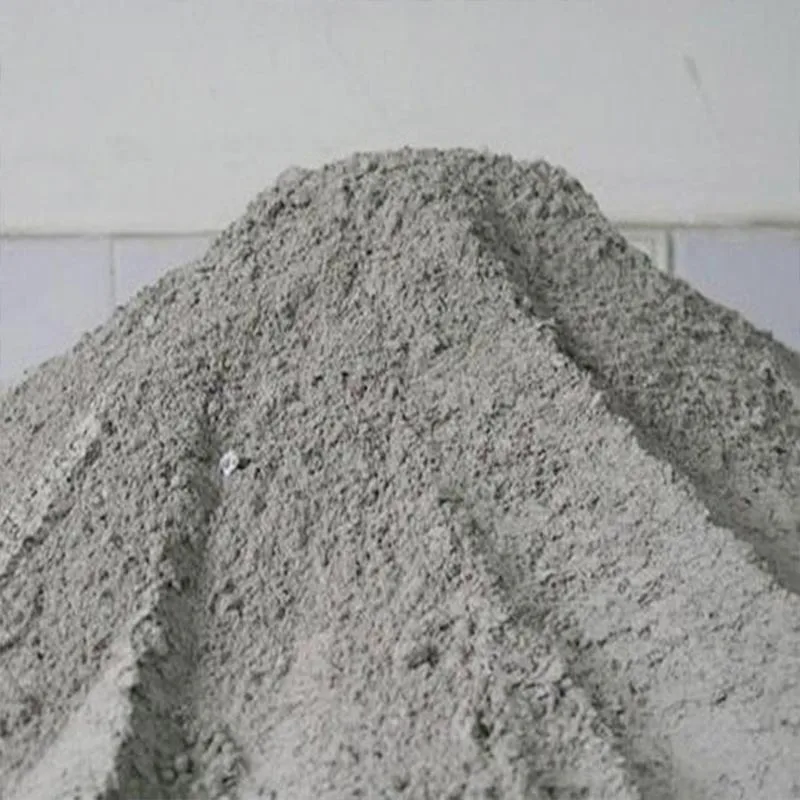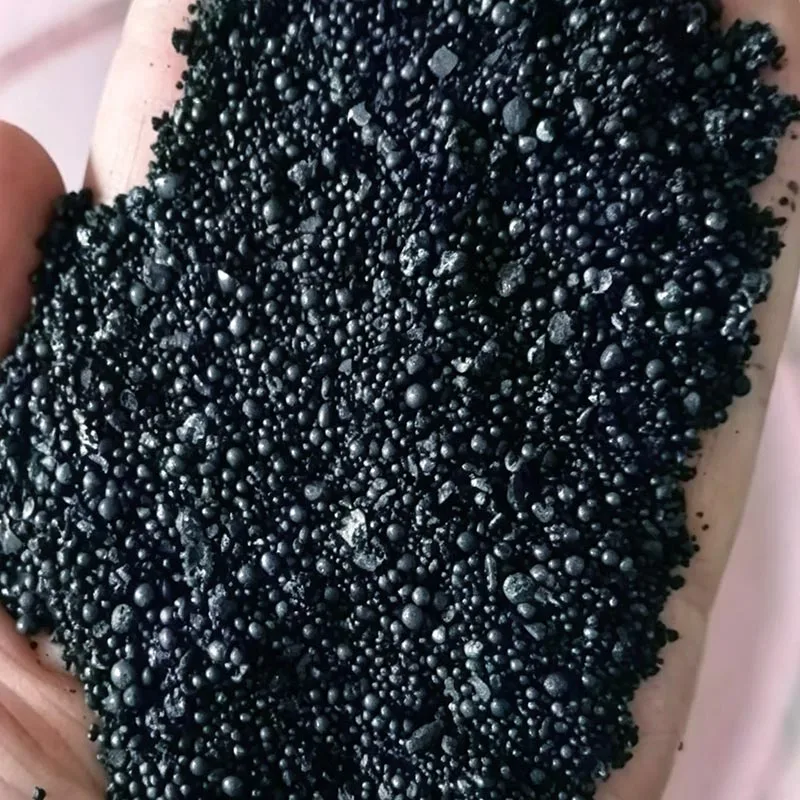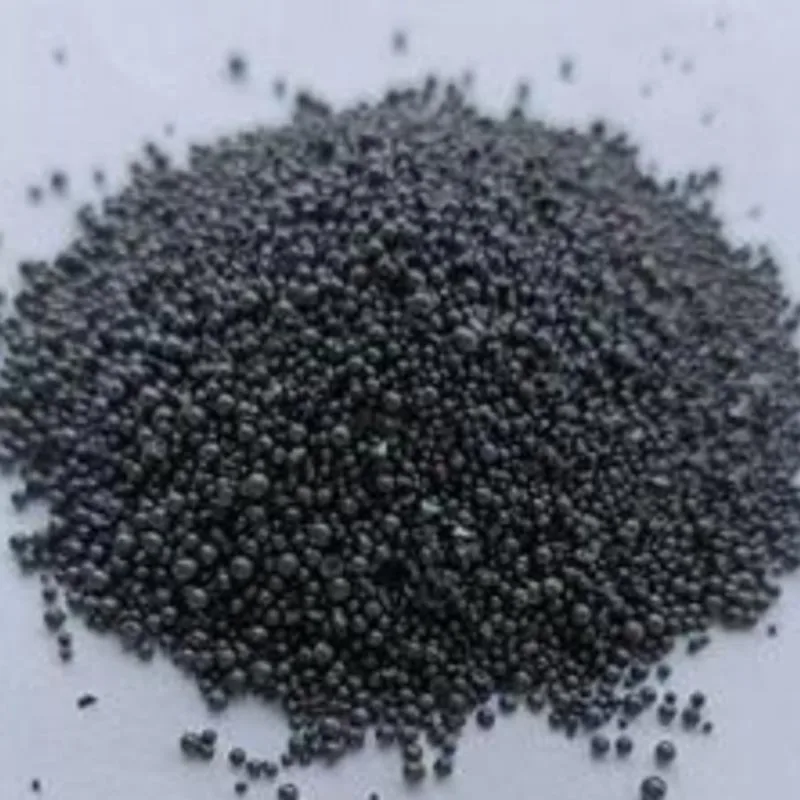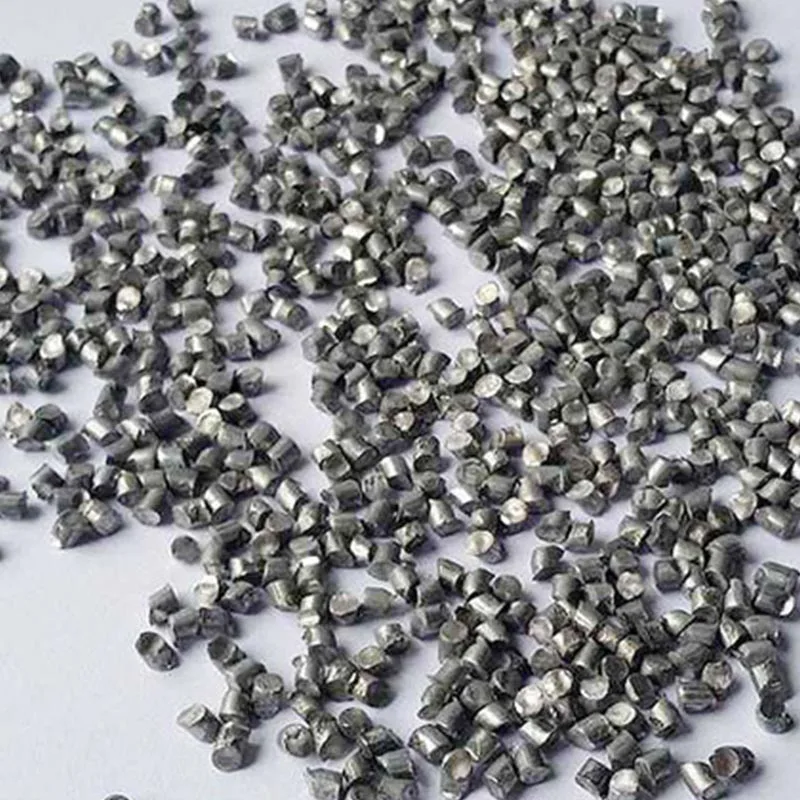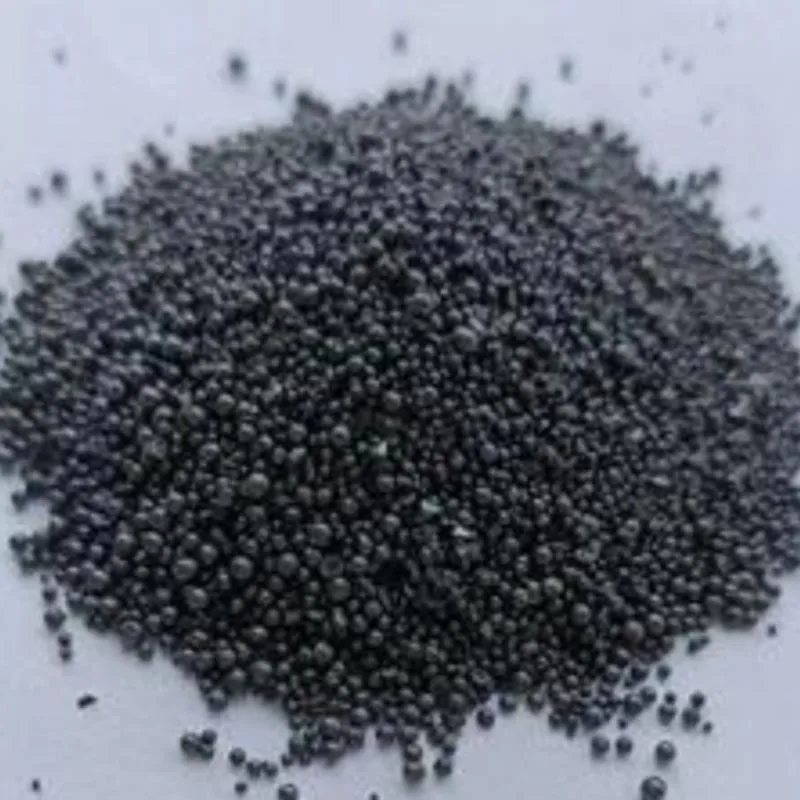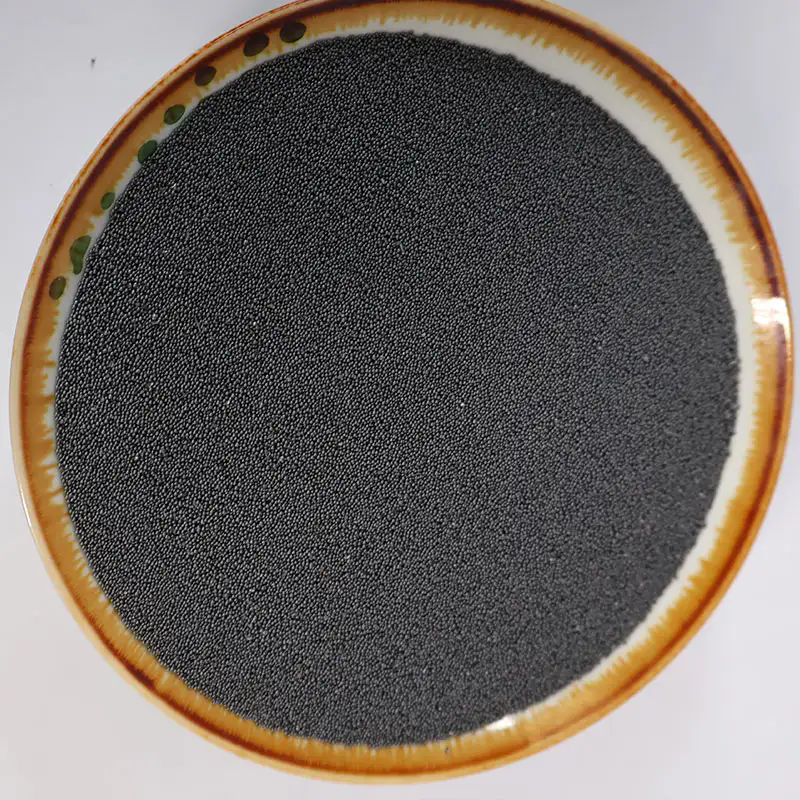
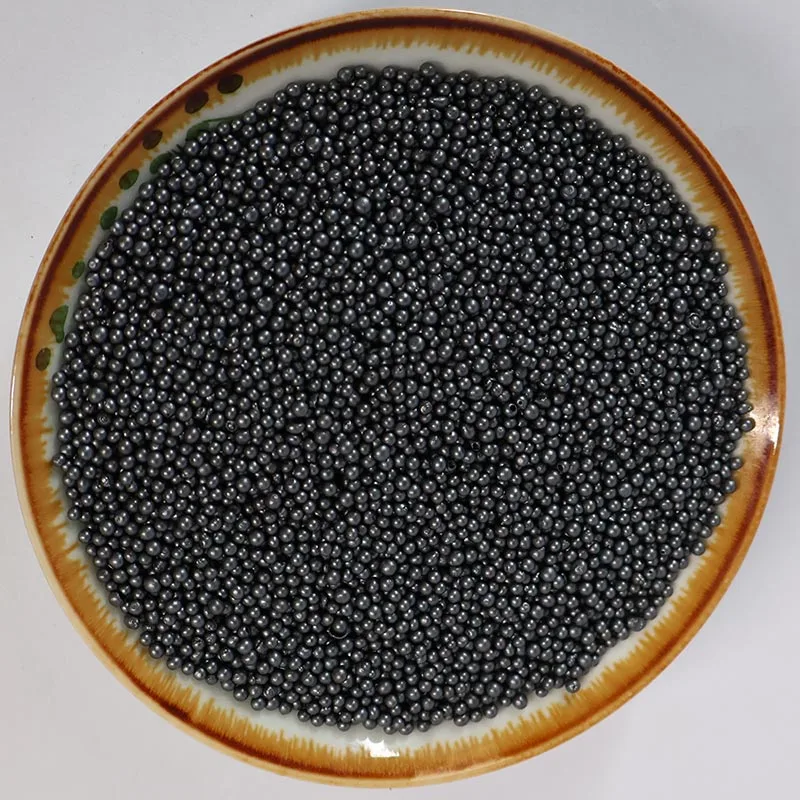
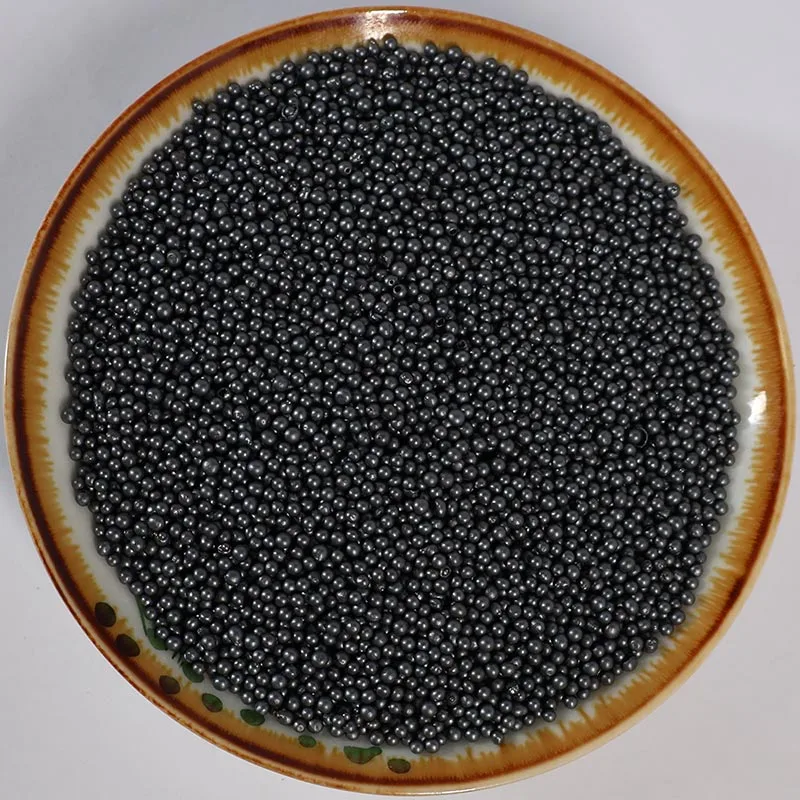
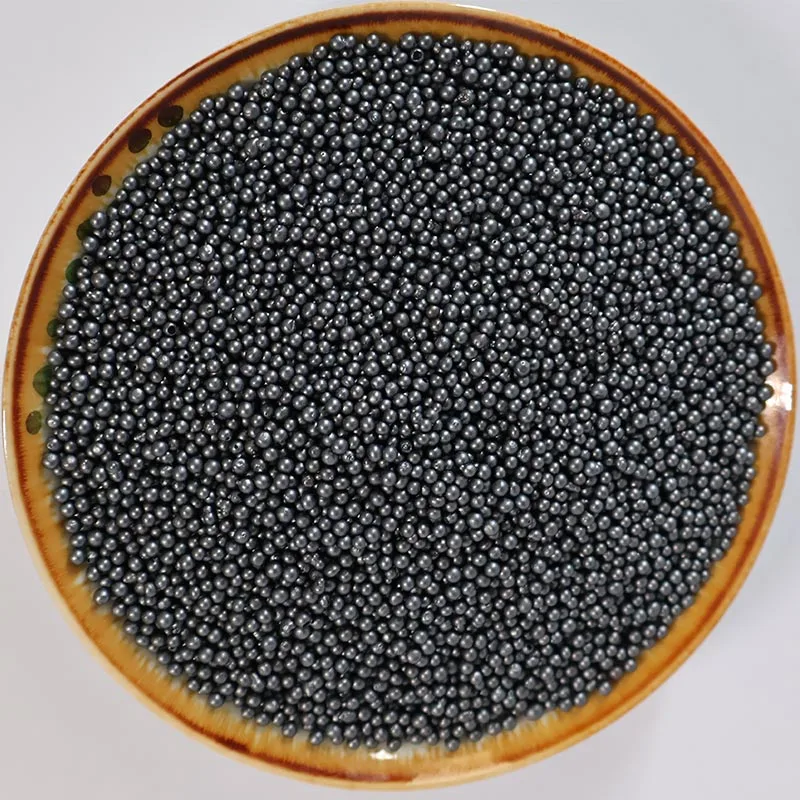
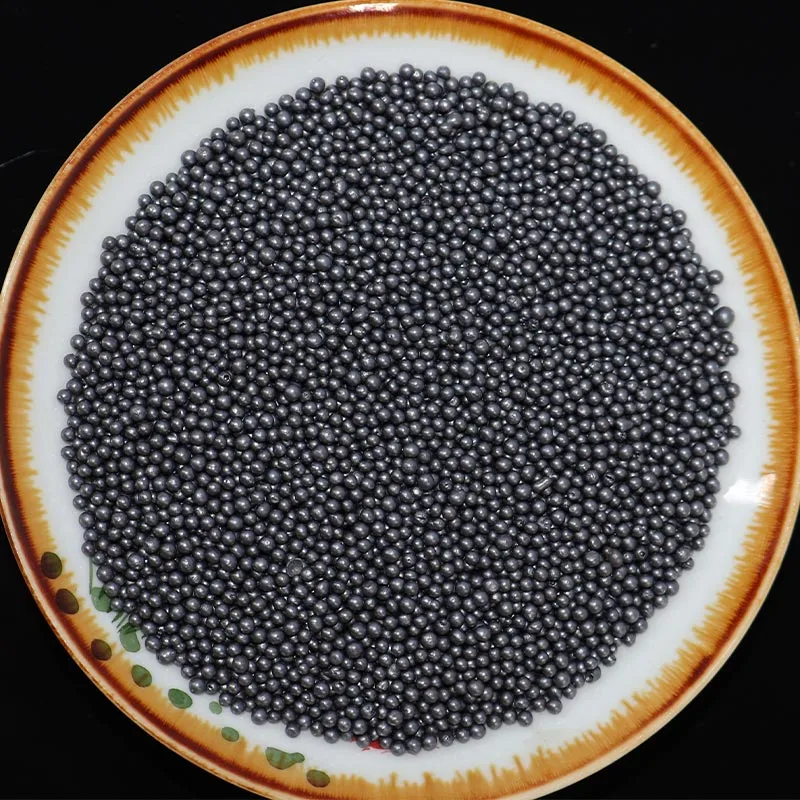
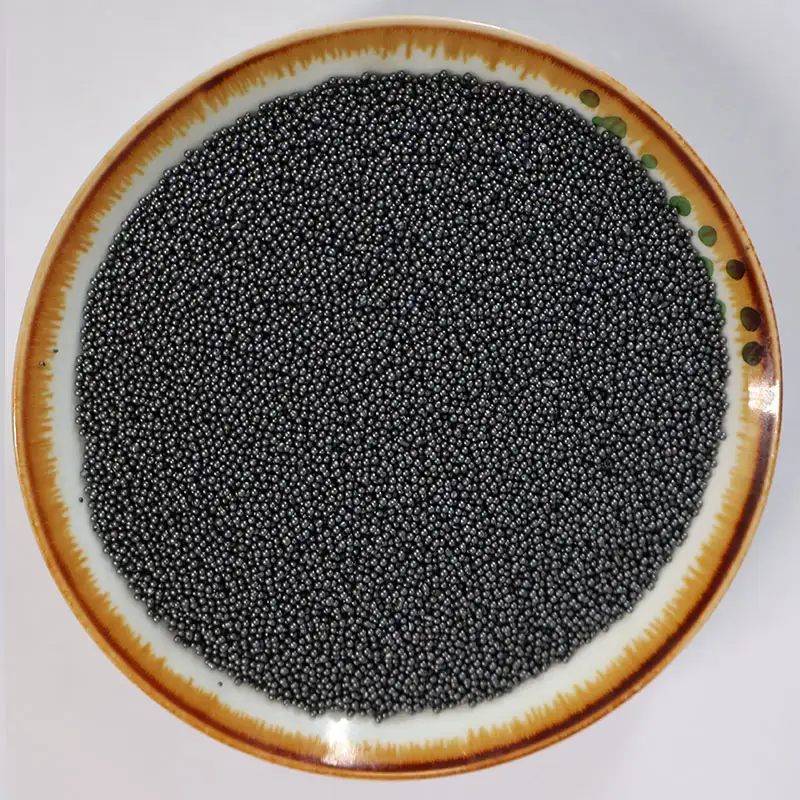
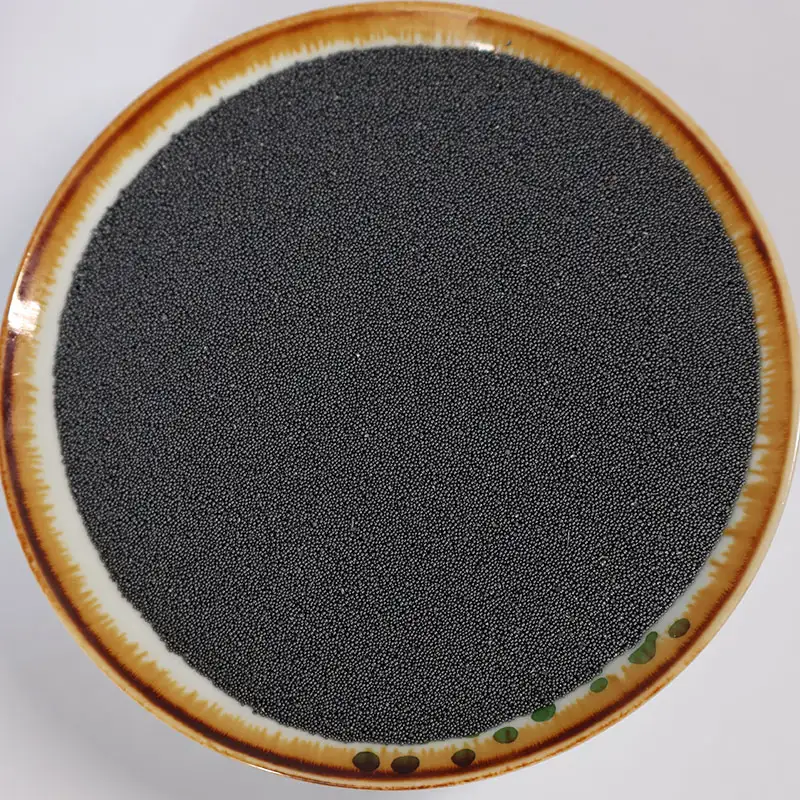
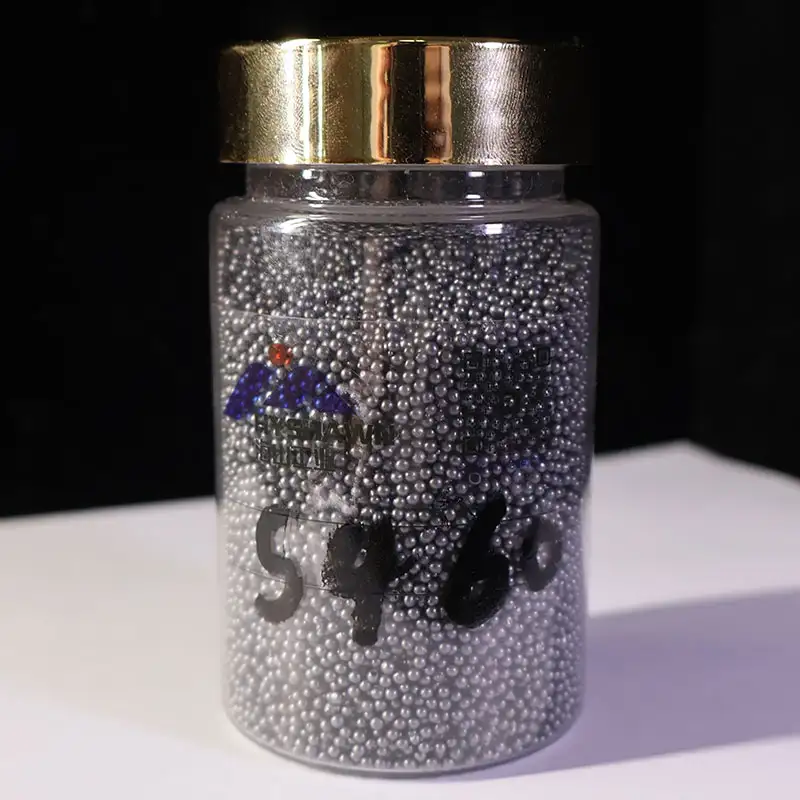
Steel Shot for Steel Structures
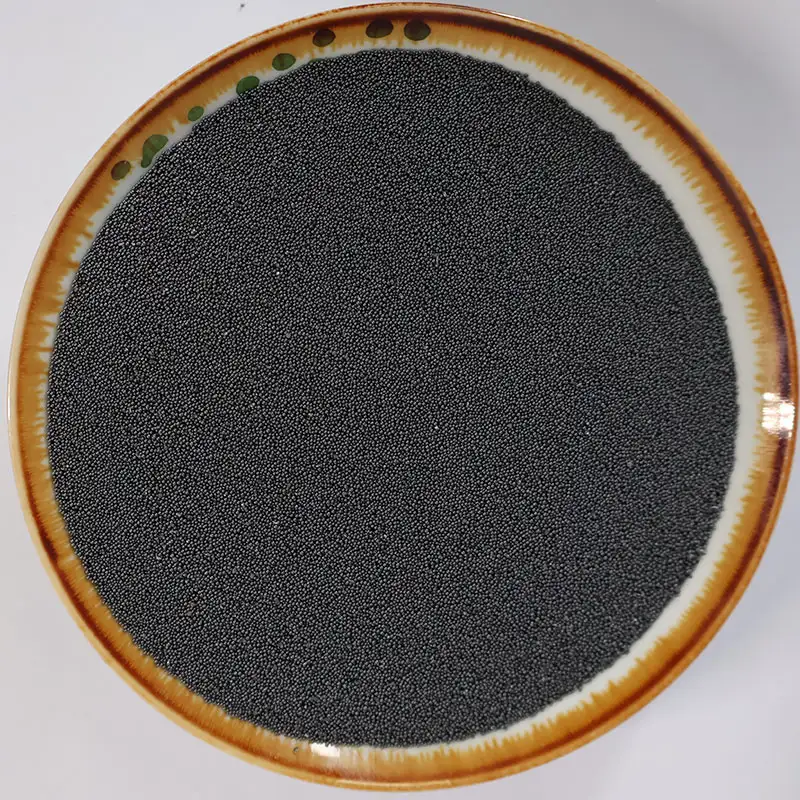
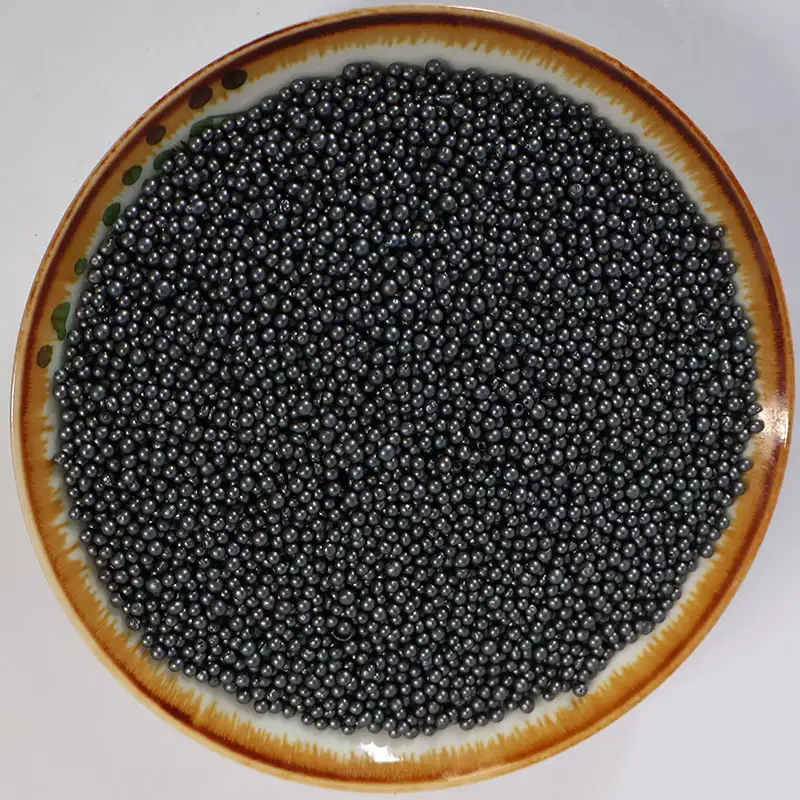
Choose Shandong Haishan Industrial Technology dedicated steel structure steel shot for qualified rust removal of large steel structure components. Adopting mixed particle size formula, Steel Shot for Steel Structures solves industry pain points of heavy rust and massive welding slag efficiently. It reaches national Sa2.5 rust removal standard in one pass, perfectly matching through-type production lines and anti-corrosion coating requirements for steel structures, with excellent moisture resistance and low abrasion loss.
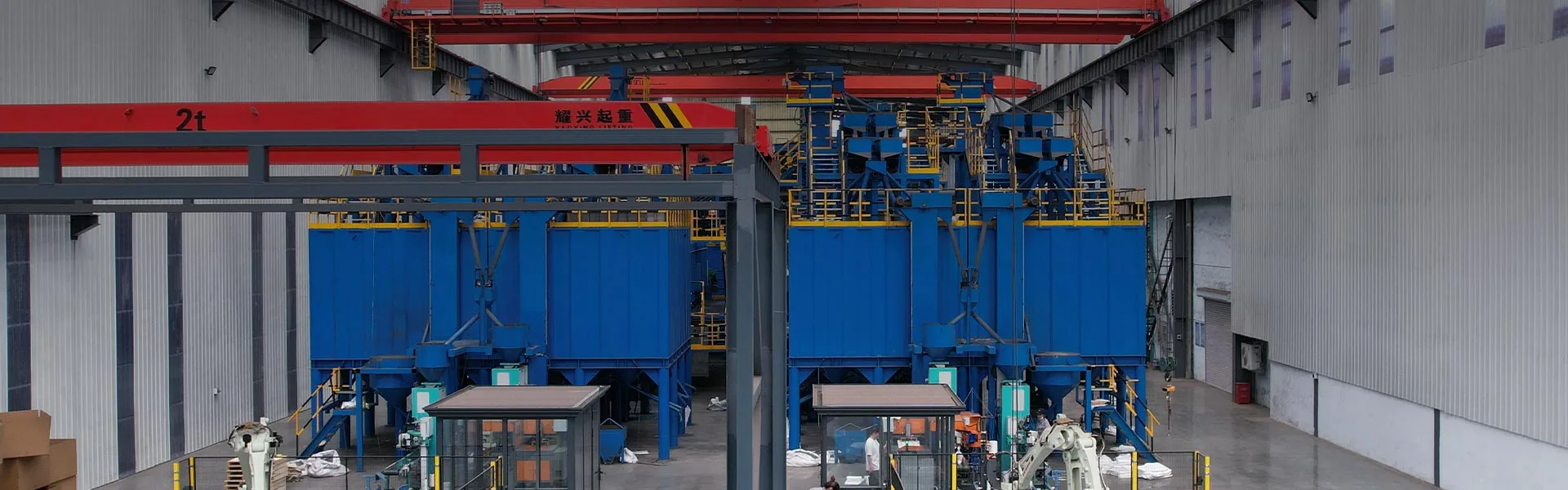
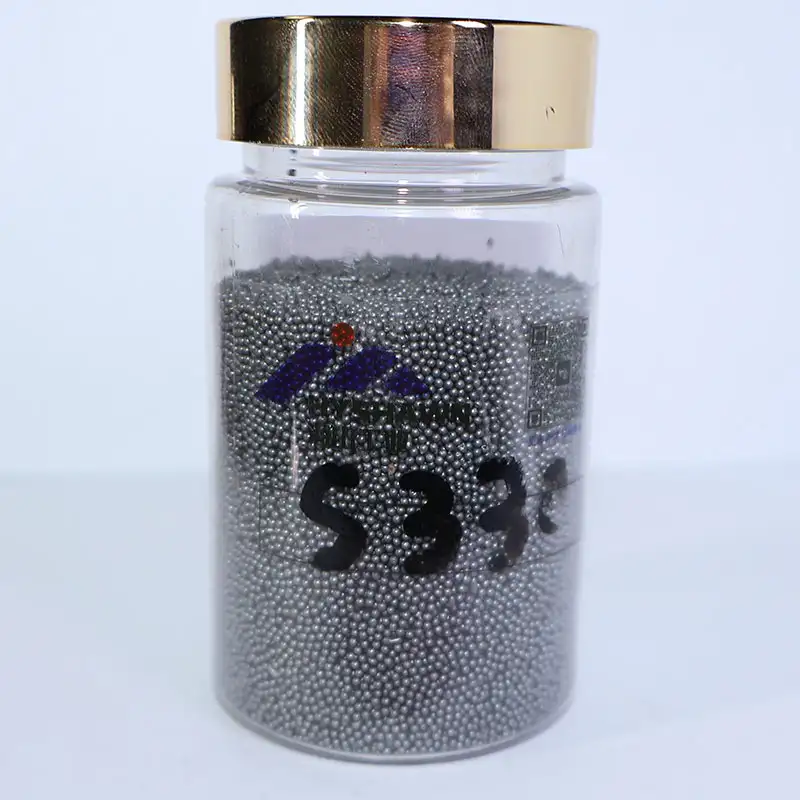
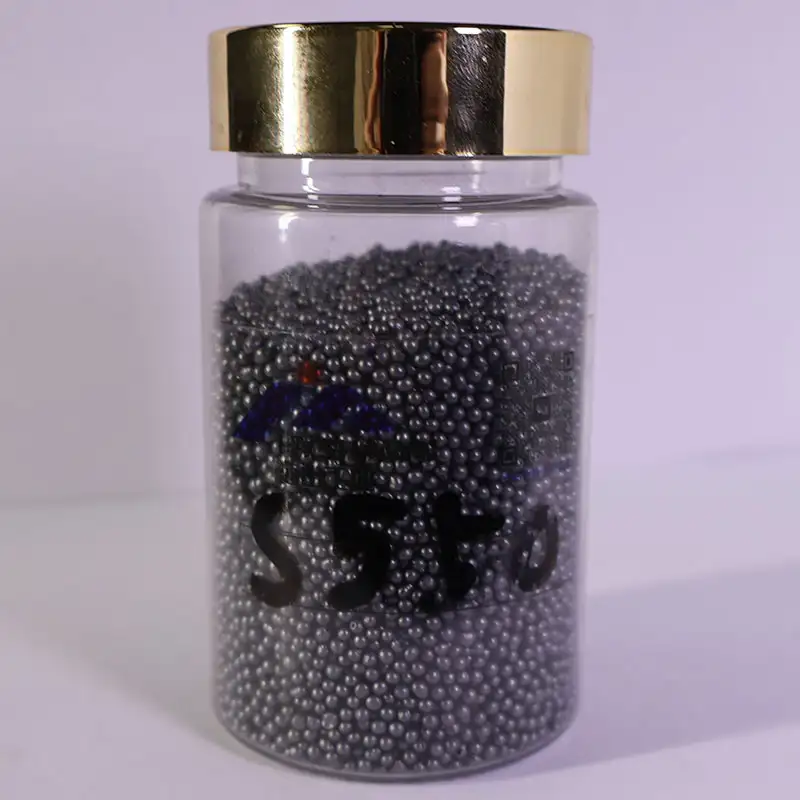
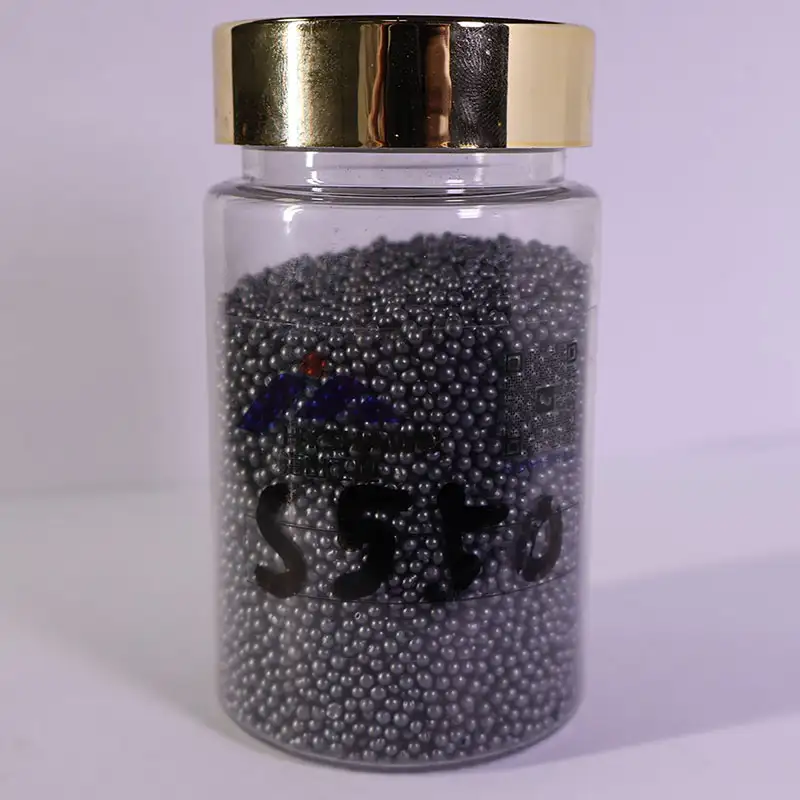
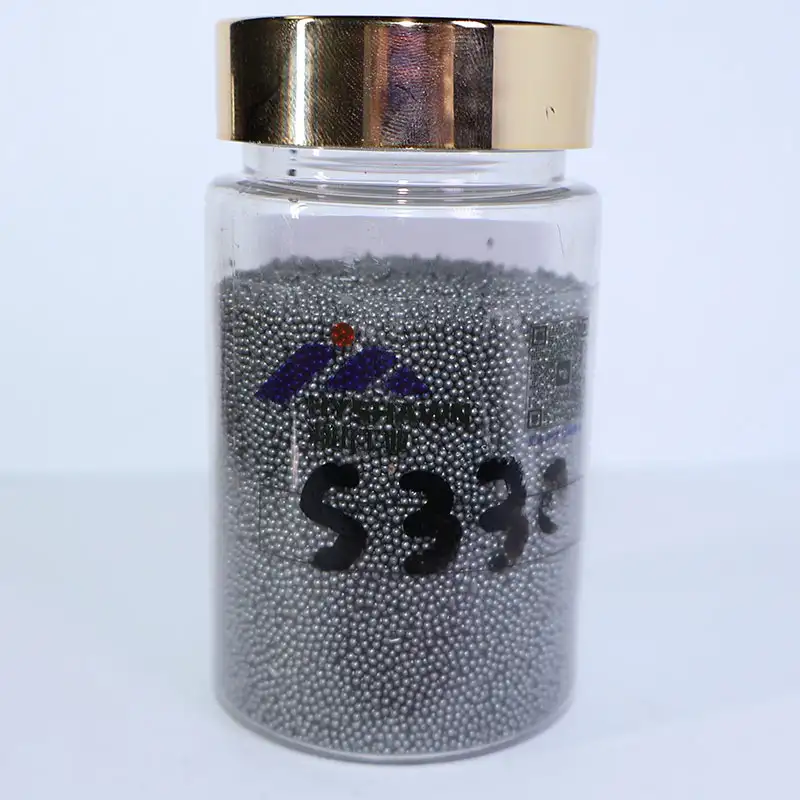
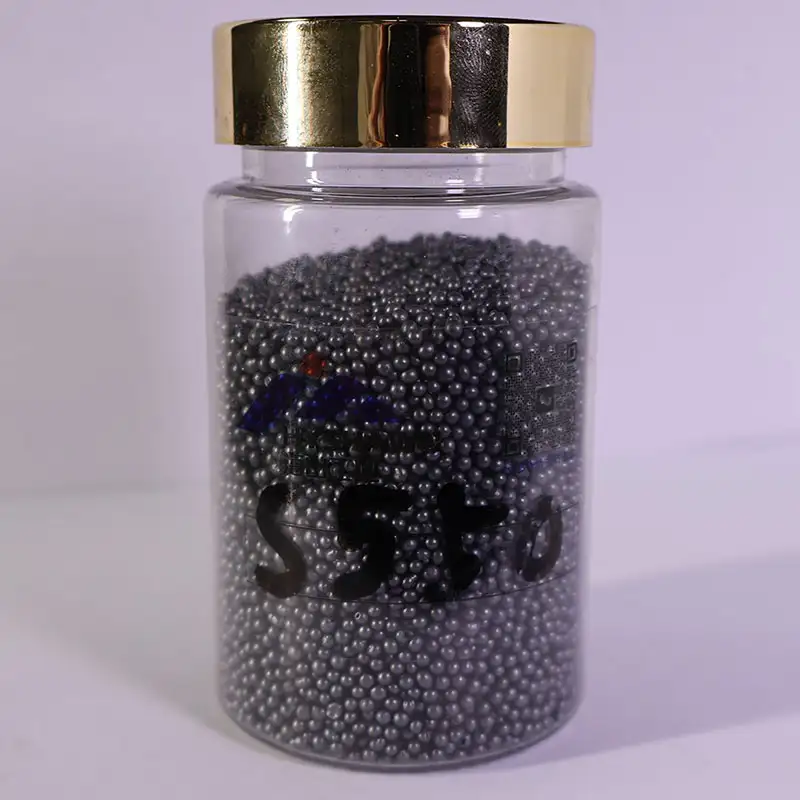
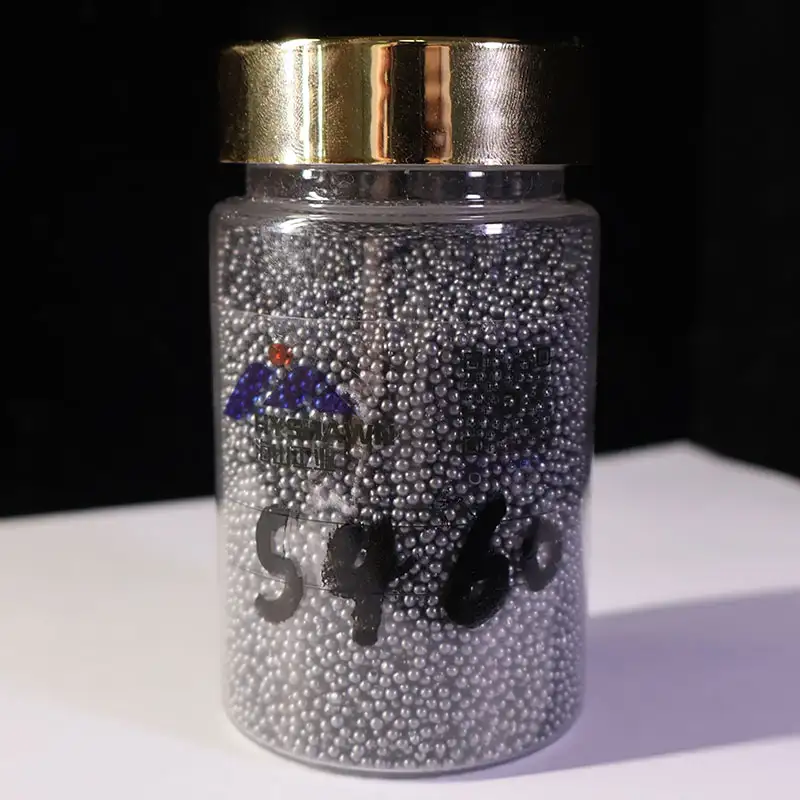
Shandong Haishan Industrial Technology produces a mixed-size steel shot for structural steel blasting lines. The company operates with an annual capacity of 100,000 tons and supplies customers in more than 50 countries. This Steel Shot for Steel Structures combines S330 as the main fraction with a smaller proportion of S390 to handle the uneven rust, hard welding slag, and thick steel sections commonly found in steel structure fabrication. It is intended for through-type shot blasting machines used on H-beams, box girders, and similar heavy components. It is not designed for thin sheet metal, precision parts, or non-ferrous materials.
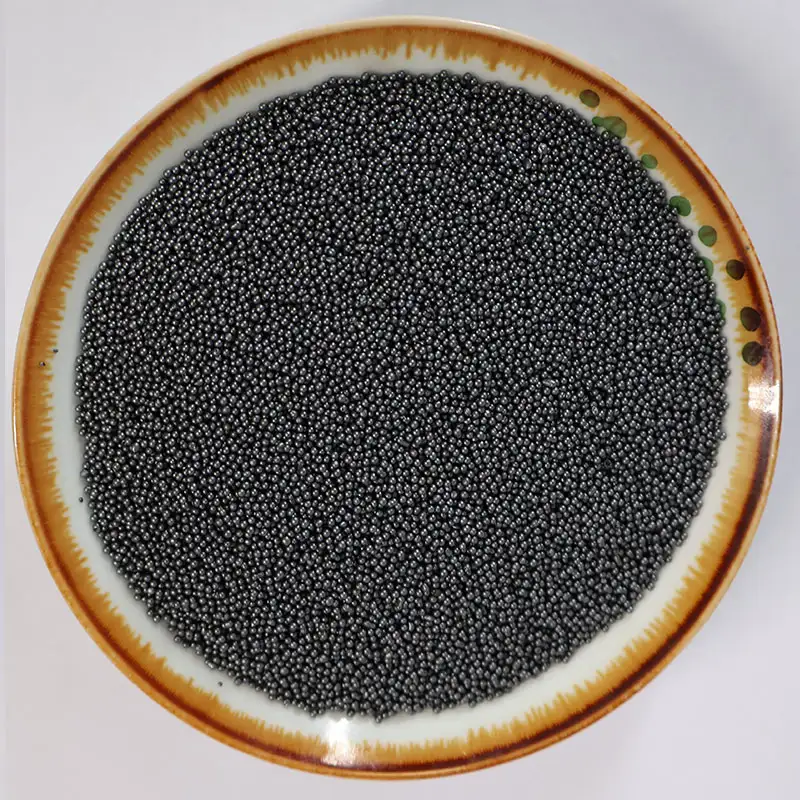
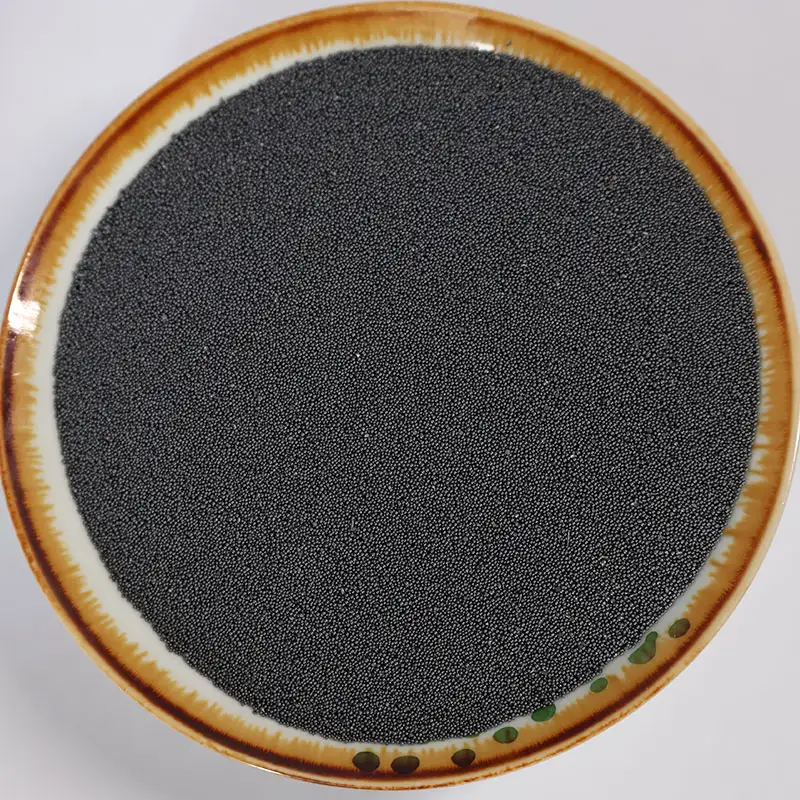
Why S330 and S390 Are Combined
The mixed size distribution is selected because single-size steel shot often cannot provide both good coverage and sufficient impact energy on large structural steel. S330 particles are small enough to reach into weld seams, corners, and lightly rusted areas, while S390 particles provide higher impact force to break hard welding slag and thick mill scale. The combination allows a single blasting operation to handle different surface conditions across the same workpiece without changing abrasive.
The blend ratio can be adjusted according to the actual surface condition. Heavier rust or thicker slag may require a higher proportion of S390, while cleaner steel with only light rust can use more S330. We can recommend a starting ratio after reviewing the workpiece and production line parameters.
Product Specifications
| Parameter | Typical Value |
| Material | High carbon steel |
| Particle Size Mix | S330 main fraction + S390 secondary fraction |
| Hardness (HRC) | 45 – 52 |
| Metallographic Structure | Tempered martensite |
| True Density (g/cm³) | ≥7.4 |
| Bulk Density (g/cm³) | 4.2 – 4.5 (size dependent) |
| Surface Profile (typical) | 40 – 75 μm on structural steel |
Chemical composition, hardness, and particle size distribution are tested on each production batch. Hardness is measured with a Rockwell tester on mounted cross-sections. Sieve analysis follows SAE J444. The surface profile range is based on normal blasting conditions and may vary with pressure, standoff, and substrate condition.
Performance Under Structural Steel Conditions
- Impact on hard slag: The higher hardness of HRC 45–52 helps resist particle fracture when striking welding slag, which extends abrasive life compared to softer steel shot.
- Coverage on large surfaces: The mixed sizes fill surface irregularities better than a single-size abrasive, helping achieve a uniform finish on H-beam flanges, web areas, and welded joints.
- Anchor profile formation: Under appropriate blasting parameters, the product produces a surface profile in the 40–75 μm range, which is commonly specified for heavy-duty anti-corrosion coating systems on structural steel.
- Blast line compatibility: The particle size and hardness are matched to the feeding and throwing characteristics of through-type shot blasting machines used in steel structure plants.
Surface Cleanliness and Coating Preparation
This abrasive is designed to support Sa 2.5 surface preparation when the blasting parameters are correctly set. Sa 2.5 refers to the visual cleanliness level after blasting, not the surface profile. The actual result depends on the initial surface condition, blasting speed, abrasive flow rate, and machine settings. A test area should be blasted and inspected before full production to confirm that the required cleanliness and profile are achieved.
Equipment Compatibility
This Steel Shot for Steel Structures is intended for through-type shot blasting machines commonly used in steel structure fabrication. It can also be used in some air blast systems where larger steel shot is specified. Machine operators should adjust wheel speed, abrasive flow, and conveyor speed according to the workpiece size and required profile. No special equipment modifications are required when switching from a standard steel shot of similar hardness and size.
Typical Applications
- Blast cleaning of steel columns, beams, H-beams, and I-beams before coating
- Surface preparation of bridge steel box girders and guardrails
- Pretreatment of grid structures and pipe trusses
- Batch processing of prefabricated building steel components
- Sectional rust removal for wind power tower structures
This abrasive is not recommended for steel plates thinner than 6 mm, precision-machined components, aluminum alloys, or other soft metals.
Quality Control and Documentation
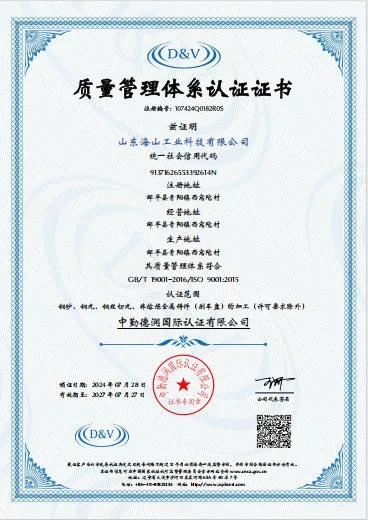
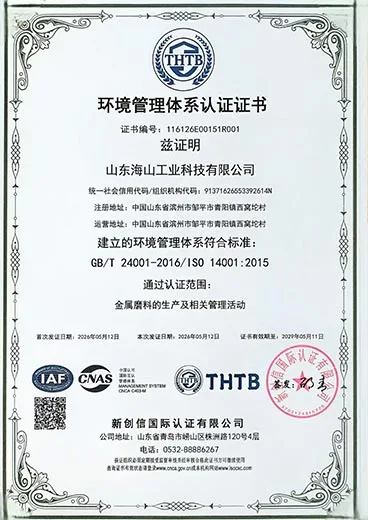
Every batch is tested for chemical composition, hardness, and particle size distribution. The laboratory uses a direct-reading spectrometer, Rockwell hardness tester, and sieve shaker. Certificates of analysis and test reports are supplied with each shipment. Additional documents, including ISO 9001:2015 certification and metallographic reports, are available on request. We maintain batch traceability from raw material to final shipment.

Packaging and Storage
Standard packaging is 25 kg bags with a moisture-resistant PE inner liner inside a woven polypropylene outer bag. 1,000 kg bulk bags on pallets are available for large orders. For export, pallets are prepared to meet ISPM 15 requirements. Store in a dry, covered area. Bags should be kept off the ground and protected from continuous high humidity.
Frequently Asked Questions
Why not use a single-size steel shot for structural steel?
Single-size shot may not provide both the impact energy and the surface coverage needed on large steel sections. Mixed sizes allow larger particles to handle heavy slag and rust while smaller particles clean tighter areas such as weld seams and web-to-flange intersections. This helps achieve a more uniform surface profile.
Can the mix ratio be changed for different rust conditions?
Yes, the ratio of S330 to S390 can be adjusted. For heavily rusted or heavily welded components, a higher proportion of S390 may be recommended. For lightly rusted steel, increasing S330 can reduce surface roughness and abrasive consumption. We can recommend a blend after reviewing the actual workpiece condition.
What surface profile should I expect?
On structural carbon steel, the typical surface profile is 40–75 μm. The exact value depends on blasting pressure, standoff distance, and the condition of the steel. Verify the profile with replica tape or a surface profile gauge before coating.
Is this product suitable for Sa 2.5 surface preparation?
This abrasive can support Sa 2.5 preparation when blasting parameters are controlled correctly. Sa 2.5 is a cleanliness standard, not a roughness standard. The final result also depends on the initial rust condition and machine settings.
Can it be used on aluminum or thin steel plate?
No, this product is too aggressive for thin steel plate and may cause deformation. It is also not suitable for aluminum or other soft metals due to the risk of excessive surface damage and contamination. For such materials, a different abrasive type is required.
Does the product require special handling before use?
No special pre-screening or preparation is needed. The product is ready to use after delivery. It is recommended to store it in dry conditions and check packaging for damage before loading into the blast machine.
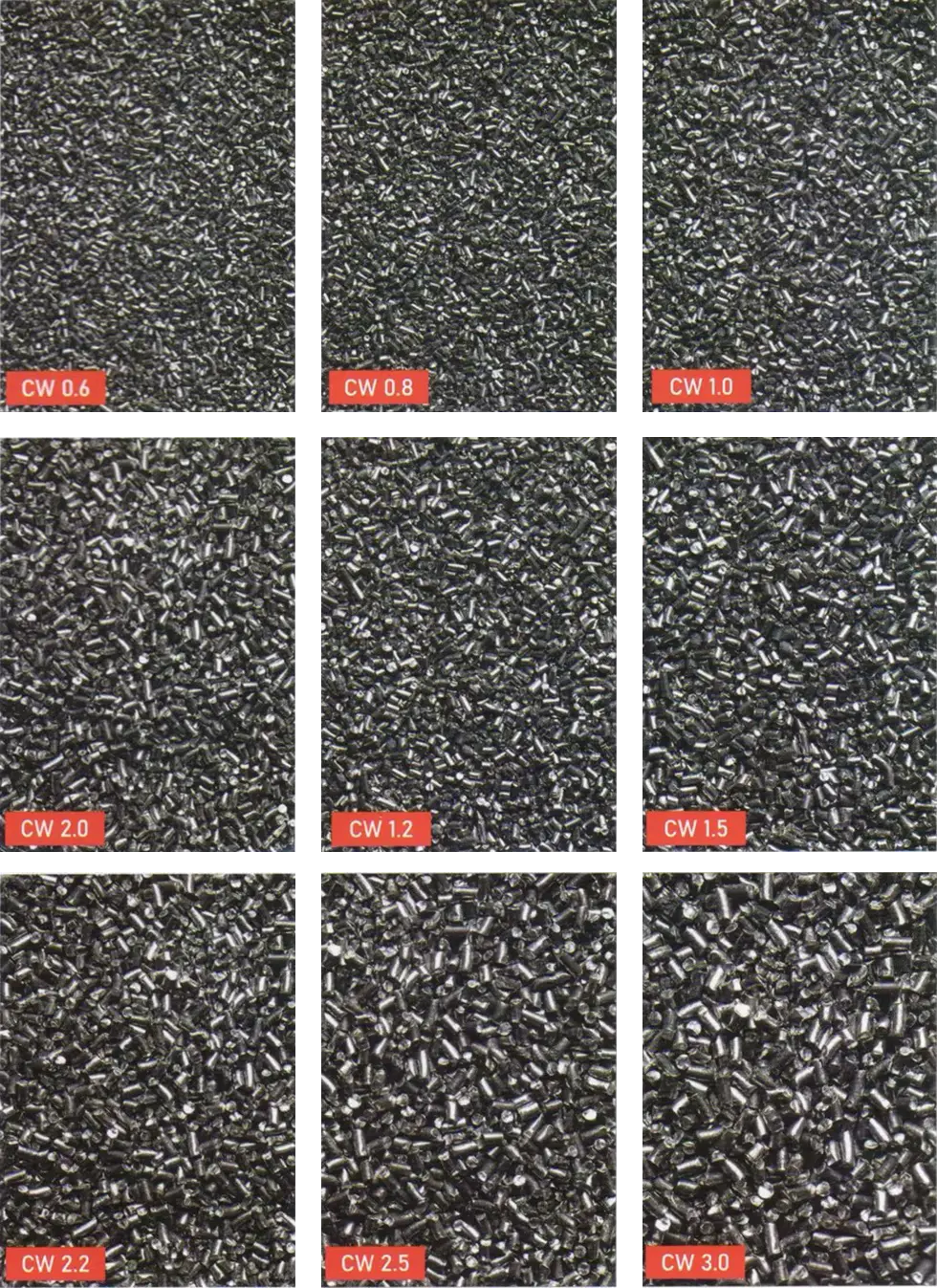
Steel Shot Particle Size Distribution Range
| mesh | mm | SS 2.5 | SS 2.0 | SS 1.7 | SS 1.4 | SS 1.2 | SS 1.0 | SS 0.8 | SS 0.6 | SS 0.5 | SS 0.3 | SS 0.2 |
| 7 | 2.80 | all pass | all pass | all pass | all pass | all pass | ||||||
| 8 | 2.36 | all pass | all pass | all pass | all pass | all pass | all pass | |||||
| 10 | 2.00 | 97%min | all pass | all pass | all pass | all pass | all pass | all pass | ||||
| 12 | 1.70 | 97%min | 97%min | all pass | all pass | all pass | all pass | all pass | all pass | |||
| 14 | 1.40 | 97%min | 97%min | 95%min | all pass | all pass | all pass | all pass | all pass | all pass | ||
| 16 | 1.18 | 97%min | 95%min | 75%min | all pass | all pass | all pass | all pass | all pass | all pass | ||
| 18 | 1.00 | 97%min | 95%min | 85%min | 50%min | all pass | all pass | all pass | all pass | all pass | ||
| 20 | 0.850 | 95%min | 90%min | 85%min | 50%min | all pass | all pass | all pass | all pass | |||
| 25 | 0.710 | 95%min | 90%min | 85%min | 85%min | all pass | all pass | |||||
| 30 | 0.600 | 97%min | 97%min | 90%min | 80%min | 10%max | ||||||
| 35 | 0.500 | 97%min | 97%min | 90%min | 90%min | |||||||
| 40 | 0.425 | 97%min | 90%min | 90%min | ||||||||
| 45 | 0.355 | 90%min | 90%min | |||||||||
| 50 | 0.300 | 90%min | ||||||||||
| 60 | 0.250 | |||||||||||
| 80 | 0.180 | |||||||||||
| 120 | 0.125 | |||||||||||
| 170 | 0.075 | |||||||||||
| 235 | 0.053 | |||||||||||
| SAE | S 780 | S 660 | S 550 | S 460 | S 390 | S 330 | S 280 | S 230 | S 170 | S 110 | S 70 |
Main Technical Indexes of Steel Shot and Steel Grit
| Project | Name | SS Steel Shot | GP Steel Grit | GL Steel Grit | GH Steel Grit |
| Composition | (C) | 0.85 - 1.20 | 0.85 - 1.20 | 0.85 - 1.20 | 0.85 - 1.20 |
| (Mn) | 0.60 - 1.20 | 0.60 - 1.20 | 0.60 - 1.20 | 0.60 - 1.20 | |
| (Si) | 0.40 - 1.20 | 0.40 - 1.20 | 0.40 - 1.20 | 0.40 - 1.20 | |
| (S) | ≤0.05 | ≤0.05 | ≤0.05 | ≤0.05 | |
| (P) | ≤0.05 | ≤0.05 | ≤0.05 | ≤0.05 | |
| Hardness | HRC 40 - 50 | HRC 42 - 50 | HRC 56 - 60 | HRC 60 - 66 | |
| Hardness Deviation | ±3.0HRC Max Deviation ±3.0HRC | ||||
| Metallographic Structure | Even tempered martensite | ||||
| Min Density (can be determined by alcohol displacement method) | 7.4g/cm³ |
Related Category
Send Inquiry
Contact Info
-
Address
Qingyang Economic Development Zone, Zouping County, Shandong Province, China
-
Tel
-
Email
Send an inquiry to Haishan for quality steel shot, steel grit, cut wire shot and counterweight sand. Get factory direct wholesale price, free quotation and OEM customized solutions.
News Recommendations